
Can you install rubber gym flooring yourself? Yes, you can! Many people choose to install their own rubber gym flooring. It is a great DIY project. This guide will show you how. It makes setting up your home gym easy. You will learn the correct way to do it.
Building a home gym is exciting. Good flooring is very important. Rubber gym flooring is a top pick. It protects your floor. It also makes your workouts safer. This guide gives you a full DIY gym floor installation plan. It helps you get it right.
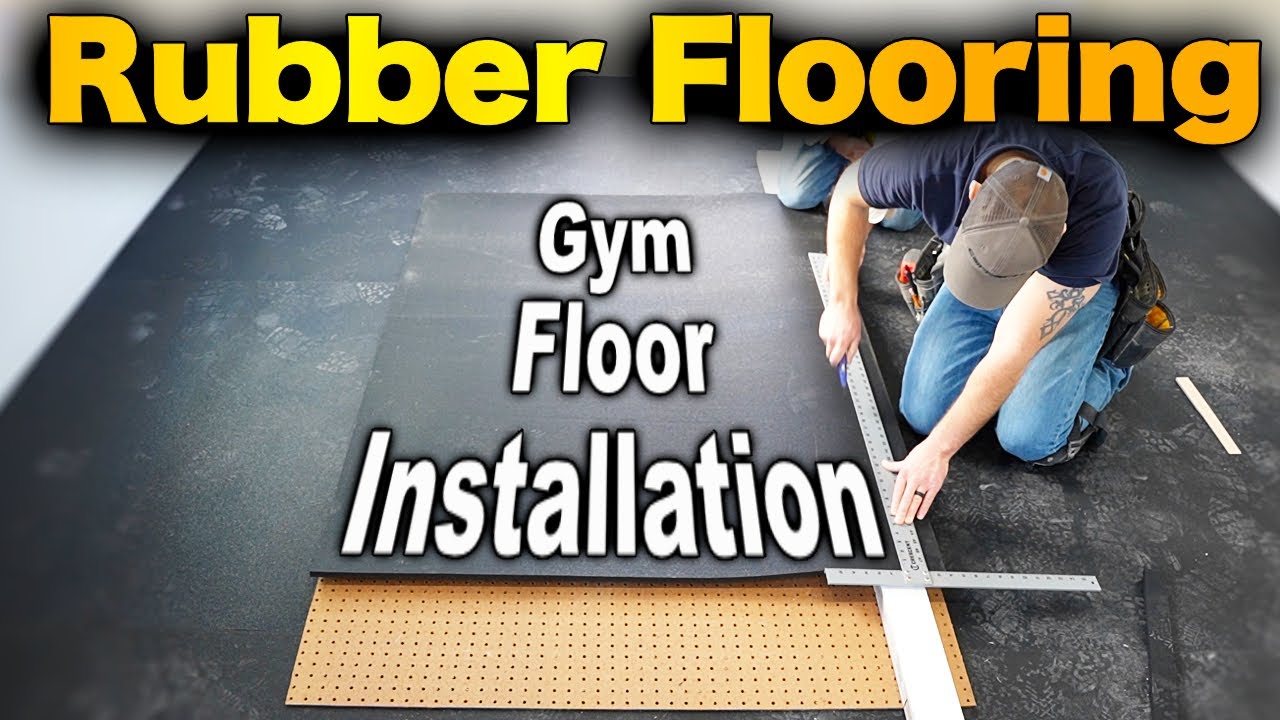
Image Source: i.ytimg.com
Why Choose Rubber Gym Flooring?
Rubber flooring offers many benefits. It is perfect for any home gym.
- Floor Protection: It saves your subfloor from heavy weights. Dropped dumbbells will not harm your floor.
- Shock Absorption: It reduces impact on your joints. This makes exercises like jumping safer.
- Noise Reduction: Rubber soaks up sound. It makes your gym quieter.
- Safety: It gives a good grip. This stops slips and falls.
- Durability: Rubber lasts a long time. It can handle tough use.
- Easy to Clean: A quick sweep or damp mop keeps it neat.
Planning Your DIY Gym Floor Installation
Good planning is key. It makes your project smooth. Do not rush this step.
Measuring Your Space Accurately
First, measure your gym area. Use a tape measure.
1. Measure length: Get the measurement in feet.
2. Measure width: Get the measurement in feet.
3. Calculate area: Multiply length by width. This gives you square feet.
* Example: 10 feet long x 12 feet wide = 120 square feet.
4. Add extra: Buy 5-10% more flooring. This covers mistakes or bad cuts.
Choosing Your Flooring Type
You have two main choices:
1. Interlocking Tiles: These fit together like puzzle pieces. They are easy to install. They are good for small areas. You can also move them easily.
2. Rolled Rubber Flooring: This comes in large rolls. It gives a seamless look. It is best for larger spaces. It needs glue for a strong hold.
Consider your gym size. Think about your budget too.
Gathering Gym Mat Installation Tools
Having the right tools helps a lot. Get these items ready before you start:
- Tape measure
- Utility knife with extra blades
- Straightedge or T-square
- Chalk line
- Rubber mallet (for tiles)
- Trowel (for adhesive)
- Roller or heavy object (for rolls)
- Cleaning supplies (broom, vacuum, mop)
- Safety glasses
- Gloves
- Pencil or marker
- Ventilation fan (for glue)
- Knee pads (for comfort)
- Subfloor repair kit (if needed)
Estimating Materials Needed
Use your square footage number.
* For tiles: Tiles are usually 2×2 feet or 4×6 feet.
* A 2×2 foot tile is 4 square feet. Divide your total square feet by 4.
* A 4×6 foot mat is 24 square feet. Divide your total square feet by 24.
* For rolls: Rolls are often 4 feet wide. They come in different lengths.
* If you need 120 square feet, and rolls are 4 feet wide, you need 30 linear feet (120 / 4 = 30).
* Adhesive: Check the product label. It tells you how much area one pail covers. Buy enough for your space.
* Sealer: If you get rolls, you might need seam sealer.
Preparing Gym Subfloor: The Key to Success
A good subfloor is vital. It makes your new floor last. Do not skip preparing gym subfloor.
Cleaning the Subfloor
Your subfloor must be clean.
1. Remove everything: Take out all furniture and equipment.
2. Sweep and vacuum: Get rid of all dirt, dust, and debris.
3. Mop if needed: For tough grime, use a damp mop. Let it dry completely.
Leveling the Subfloor
A flat surface is a must. Uneven spots cause problems.
1. Check for bumps: Use a long level or straightedge. Look for high spots.
2. Grind high spots: Use a grinder to smooth them down.
3. Fill low spots: Use a self-leveling compound. Follow product instructions. This makes the surface flat. Let it dry fully.
Moisture Check
Moisture can ruin your new floor.
1. Do a simple test: Tape a 2×2 foot plastic sheet to the subfloor. Seal all edges. Leave it for 24-48 hours.
2. Check for moisture: If you see water drops under the plastic, you have a moisture issue.
3. Address moisture: You might need a moisture barrier. This is a special coating or sheet. Talk to an expert if you find a lot of moisture.
Installing Your Rubber Gym Flooring
Now for the main part! We will cover both types of flooring.
Installing Interlocking Gym Tiles
This is often the easiest option for DIY gym floor installation.
Hitting the Ground Running: Laying the First Row
- Find your starting point: Pick a main wall. Start in a corner. If your room is not square, snap a chalk line. This guides your first row.
- Lay the first tile: Place it with the puzzle edges facing out from the wall.
- Add next tiles: Line up the edges. Push them together. You might need a rubber mallet. Tap gently to lock them in place.
- Work across the room: Lay full tiles first. Go row by row.
Cutting Rubber Flooring for Edges and Corners
You will need to cut tiles for walls and tricky spots. Cutting rubber flooring needs care.
- Measure the gap: Place a full tile next to the last full tile in the row. Mark the gap to the wall.
- Transfer mark to a new tile: Turn the new tile over. Mark your cut line on the back.
- Use a straightedge: Lay a straightedge along your mark.
- Score and cut: Use a sharp utility knife. Make light passes first. Press harder with each pass. Cut through the tile. This can take several passes. Change blades often. A dull blade makes cutting hard.
- Test fit: Check if the cut tile fits well. Trim if needed.
Finishing Up with Interlocking Tiles
- Edge pieces: Some tiles come with special edge pieces. These give a clean finish.
- No glue needed: Most interlocking tiles do not need glue. Their weight holds them down.
- Full coverage: Make sure all areas are covered.
Laying Rolled Rubber Flooring
This method needs more effort. But it gives a very smooth look. This involves rubber gym flooring adhesive and proper ventilating rubber floor glue.
Preparing the Rolls
- Unroll the rubber: Unroll your rubber sheets in the room.
- Let it relax: Let the rubber sit for 24-48 hours. This helps it flatten out. It removes curls from being rolled up. This step is important.
Applying Rubber Gym Flooring Adhesive
Rubber gym flooring adhesive holds the rolls down.
- Read glue instructions: Each adhesive is different. Read the label carefully. It tells you how to use it.
- Ventilate the room: Open windows and doors. Use fans.
Ventilating rubber floor glueis very important. Glue fumes can be strong and harmful. - Start in a corner: Fold back half of your first roll.
- Spread adhesive: Use a trowel. Spread the glue evenly on the subfloor. Do not put too much. Cover only the area for the folded back part.
- Mind the “open time”: Adhesive has an “open time.” This is how long it stays sticky before drying. Do not put down more glue than you can cover in this time.
Laying the Rolls
- Lay the first half: Carefully fold the rubber roll back onto the wet glue. Press it down.
- Smooth it out: Use a heavy roller or a large, flat object. Roll over the rubber. This removes air bubbles. It makes sure the rubber fully sticks to the glue.
- Repeat for other half: Fold back the other half of the roll. Apply glue. Lay the rubber down. Roll it again.
- Next rolls: Butt the next roll up to the first one. Make sure edges are tight. Do not leave gaps. Apply glue section by section.
- Trim excess: Use your utility knife and straightedge. Trim the rubber along the walls.
Cutting Rubber Flooring for Rolls
Similar to tiles, you will need to cut rolls. Cutting rubber flooring for rolls is often for edges.
- Mark the cut: Press the rubber into the corner where it meets the wall. Use a pencil to mark the line.
- Use a straightedge: Place a long, sturdy straightedge along the mark.
- Score and cut: Make multiple passes with a sharp utility knife. Push firmly. Change blades often. A sharp blade makes a clean cut.
- Take your time: Do not rush this step. Bad cuts are hard to hide.
Finishing Touches
After installing, a few steps make your floor perfect.
Sealing Gym Floor Seams
If you used rolled rubber flooring, sealing gym floor seams is a good idea.
- Why seal? Sealing prevents moisture and dirt from getting under the floor. It also makes seams less visible.
- Use seam sealer: Apply a special rubber seam sealer. It usually comes in a tube. Follow the product instructions.
- Apply carefully: Run a thin bead along each seam. Wipe away excess glue right away.
Cleaning Your New Floor
Your new gym floor might have glue residue or dust.
1. Wait for glue to dry: Let the adhesive dry fully. This can take 24-72 hours. Check the glue’s instructions.
2. Sweep and vacuum: Remove any loose debris.
3. Damp mop: Use a neutral cleaner. Do not use harsh chemicals. They can damage the rubber.
Fitness Flooring Setup Guide: Common Mistakes to Avoid
A good fitness flooring setup guide points out pitfalls. Avoid these errors for a better outcome:
- Skipping subfloor prep: Not cleaning or leveling your subfloor is a big mistake. It leads to bumps and unevenness. Your floor will not look good or last long.
- Not letting rolls relax: If you use rolled rubber, unroll it first. Let it sit for a day or two. This stops it from curling. It makes installation much easier.
- Dull knife blades: A dull blade makes cutting hard. It can lead to jagged edges. Always use sharp blades. Have many extra ones ready.
- Not enough ventilation: When using adhesive, open windows. Use fans.
Ventilating rubber floor gluefumes is crucial for your health. - Rushing the cuts: Measure twice, cut once. Take your time with all cuts. Mistakes are costly.
- Ignoring manufacturer guidelines: Always read product instructions. This includes flooring and adhesive. They have specific tips for their products.
- Leaving gaps: Make sure tiles or rolls butt up tightly. Gaps look bad. They can also collect dirt.
Maintenance Tips for Your Rubber Gym Flooring
Taking care of your new floor is simple.
* Regular cleaning: Sweep or vacuum often. This removes dirt that can scratch the floor.
* Spot clean spills: Wipe up water or sweat right away.
* Use neutral cleaner: For deeper cleaning, use a mild, pH-neutral cleaner. Mix it with water. Do not use harsh chemicals, bleach, or oil-based cleaners.
* Avoid heavy scrubbing: This can damage the surface.
* Protect from heavy items: Use pads under heavy equipment. This prevents dents.
* Fix minor damage: Small cuts can sometimes be glued down. For larger damage, replace the tile or cut out a section of the roll.
FAQ: Your Top Questions Answered
Q: How long does rubber gym flooring last?
A: Good quality rubber gym flooring can last 10-20 years or more. It depends on how much you use it. It also depends on how well you care for it.
Q: Can I install rubber flooring over carpet?
A: No, do not install rubber flooring over carpet. Carpet is soft and uneven. It will cause the rubber to shift or wrinkle. Remove carpet first. Install over a hard, flat subfloor.
Q: Do I need to glue down interlocking tiles?
A: Most interlocking tiles do not need glue. Their weight holds them in place. For very heavy use or a permanent install, you can use adhesive. But it is usually not needed.
Q: What is the best thickness for home gym flooring?
A: For most home gyms, 3/8 inch (9.5mm) or 1/2 inch (12.7mm) thick rubber is good. Thicker options (3/4 inch or 19mm) are for very heavy weightlifting. They are for when you drop weights often.
Q: How long do I need to wait after gluing before using my gym floor?
A: Most adhesives need 24-72 hours to dry fully. Check the glue’s instructions. Do not use the floor before it is fully dry. This ensures a strong bond.
Q: Can I install rubber flooring outdoors?
A: Some rubber flooring is made for outdoor use. Check the product details. Outdoor rubber needs to handle UV rays and weather changes. Most indoor gym flooring is not for outside.
Q: How do I clean glue off the top of the rubber floor?
A: If you get glue on the surface, wipe it up right away with a damp cloth. If it dries, you might need a special adhesive remover. Test it in a hidden spot first. Make sure it does not harm the rubber.
Conclusion
Installing rubber gym flooring yourself is a rewarding task. It gives you a safe, durable space for your workouts. By following this fitness flooring setup guide, you can achieve great results. Remember to plan well. Prepare your subfloor. Use the right tools. Take your time with cuts. Soon, you will have a perfect gym floor ready for action. Enjoy your new fitness space!