
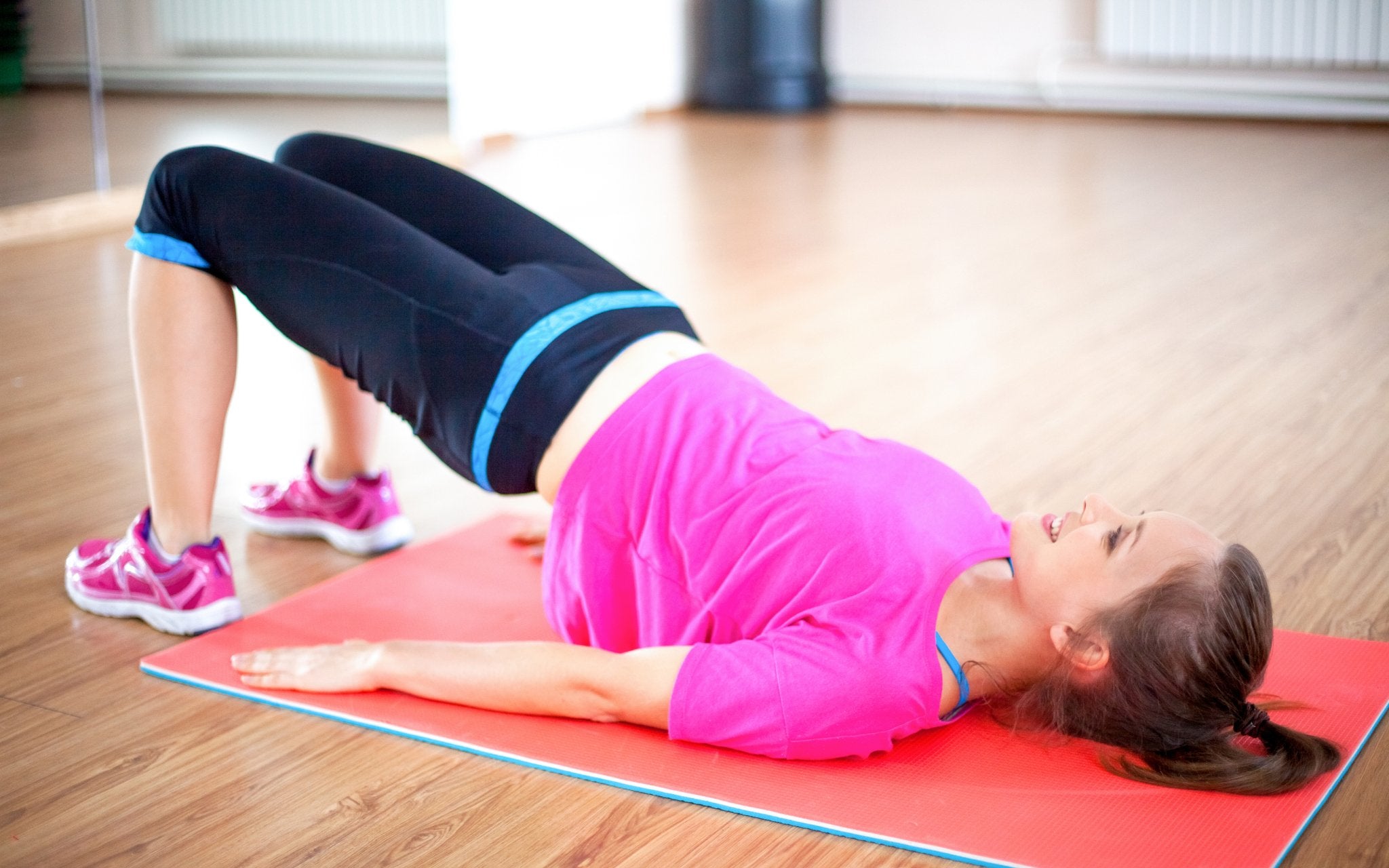
Image Source: www.utivahealth.com
Can I Exercise With A Uti? Your Guide To Staying Active
When you have a urinary tract infection (UTI), your body is fighting off germs. So, can you exercise with a UTI? It is best to take it easy. Light activity may be okay if you feel well, but heavy exercise is not. Always listen to your body. Intense workouts can make your symptoms worse. They can also slow down your healing. This guide will help you decide when and how to stay active safely. We will look at what a UTI is and how exercise affects it. We will also cover safe ways to move and when to rest.
What a UTI Is and Why It Matters for Activity
A UTI is a common infection. It happens in your urinary system. This system includes your kidneys, bladder, and urethra. Most UTIs affect the bladder and urethra. They are caused by bacteria. These bacteria enter the urinary tract. They then multiply. This causes an infection.
The Basics of a UTI
A UTI can cause a lot of discomfort. Your body uses energy to fight the infection. This means you might feel tired. You may also feel run down. When you exercise, your body uses more energy. This energy is then not available for fighting the infection. This is why rest is often the best choice.
Common Signs of a UTI
Knowing the signs of a UTI is very important. If you have these signs, exercise might not be a good idea. Some common signs include:
- A strong, constant urge to pee.
- A burning feeling when you pee.
- Peeing often, in small amounts.
- Cloudy pee.
- Red, bright pink, or cola-colored pee (a sign of blood).
- Strong-smelling pee.
- Pelvic pain in women. This can be around the pubic bone.
- Rectal pain in men.
These are the UTI symptoms exercise can sometimes worsen. If you have any of these, consider resting.
Table: Common UTI Symptoms
| Symptom Category | Description | Impact on Activity |
|---|---|---|
| Urinary Urgency | Frequent, strong urge to pee. | Disrupts focus. |
| Painful Urination | Burning or stinging when peeing. | Causes discomfort. |
| Frequent Urination | Peeing often, small amounts. | Leads to bathroom breaks. |
| Cloudy Urine | Pee looks milky or murky. | Sign of infection. |
| Bloody Urine | Pee appears red, pink, or cola-colored. | Sign of severe infection. |
| Pelvic Pain | Discomfort in the lower belly area. | Makes movement hard. |
| Fatigue | Feeling very tired or run down. | Lowers energy for exercise. |
| Fever/Chills | High temperature, shivering. | Signals serious infection. |
The Impact of Exercise on Your Body During a UTI
Exercise is usually good for your body. It makes you stronger. It boosts your mood. But when you have a UTI, things change. Your body is already working hard. It is fighting germs. Adding the stress of exercise can be too much.
How Exercise Affects Your Health
Normally, exercise boosts your immune system. It helps you stay healthy. But during an active infection, your body’s focus shifts. It needs all its resources to heal. Exercise uses up energy. It also puts stress on your body. This stress can make it harder for your body to fight the infection.
Why Rest Is Key
When you have a UTI, your body needs rest. This allows your immune system to do its job. Hard exercise can draw blood flow away from vital organs. These organs include your bladder and kidneys. This can slow down healing. It can also make symptoms worse. This is the impact of exercise on UTI. Pushing too hard can make you feel even sicker.
So, does exercise worsen UTI? Yes, intense or prolonged exercise can worsen a UTI. It can do this in several ways:
- Increased Inflammation: Exercise can cause a temporary rise in body temperature and inflammation. This might make the pain and burning worse.
- Dehydration: You lose fluids when you exercise. If you do not drink enough, you can become dehydrated. Dehydration makes it harder for your body to flush out bacteria.
- Weakened Immune System: Very hard exercise can briefly lower your immune system’s strength. This can make it harder for your body to fight the infection.
- Physical Discomfort: The movements of exercise can put pressure on your bladder. This can increase pain. It can also increase the urge to pee.
Therefore, rest is very important. It gives your body the best chance to heal.
When to Pause Your Workout Routine
It is important to know when to stop exercising. Your body will send you signals. Pay close attention to them. Ignoring these signs can make your UTI much worse.
Signs to Stop and Rest
If you have a UTI, look for these signs. They tell you it is time to stop all exercise:
- Fever or Chills: These are signs that your infection is spreading. It might be in your kidneys. This is serious.
- Severe Pain: If your bladder or lower back pain is very bad, stop. Exercise will only make it worse.
- Nausea or Vomiting: These are signs of a more serious infection. They mean your body is very sick.
- Extreme Fatigue: If you feel very tired, your body needs rest. Do not push it.
- Worsening Symptoms: If your peeing pain or frequency gets worse, stop. Your body is telling you to rest.
These are clear signs for when to avoid exercise UTI. Your health comes first.
Risks of Pushing Too Hard
Pushing through a UTI can be risky. You might think you are tough. But you could be hurting yourself. Here are some dangers:
- Prolonged Recovery: Exercise can make your UTI last longer. It takes energy away from healing.
- Kidney Infection: A UTI can spread. It can go from your bladder to your kidneys. This is called pyelonephritis. It is a serious infection. Symptoms include fever, back pain, and vomiting. Exercise can speed up this spread.
- Increased Discomfort: Exercise can make your pain and discomfort worse. You might feel more burning or pressure.
- Dehydration: Sweating during exercise can lead to dehydration. This makes it harder for your body to flush bacteria.
It is wise to take a break. Let your body heal fully.
Choosing Safe Activity During a UTI
Even with a UTI, some gentle movement might be okay. This is only if you feel well. And only if your symptoms are mild. The key is “low impact.” It means not putting stress on your body.
The Role of Low-Intensity Movement
Gentle movement can sometimes help. It can boost blood flow. It can also ease stiffness. But it must be very light. And for short times. The goal is to feel better, not worse. If any movement causes pain, stop.
Examples of Safe Exercises
Here are some examples of low impact exercise UTI patients might consider:
- Short, Slow Walks: A very gentle walk around your home. Or a short walk outside. Keep it short. Keep it slow. Stop if you feel tired or uncomfortable.
- Gentle Stretching: Simple stretches can help. They can relax your muscles. Do not stretch to the point of pain. Focus on calming breaths.
- Light Yoga: Choose very easy yoga poses. Avoid anything that puts pressure on your belly. Avoid inversions. Rest often.
- Basic Chores: Light cleaning around the house. Or cooking. This counts as gentle movement.
Table: Safe vs. Unsafe Exercises During a UTI
| Activity Type | Safe During UTI (Mild Symptoms) | Unsafe During UTI (All Symptoms) |
|---|---|---|
| Walking | Short, slow strolls | Long, brisk walks, inclines |
| Stretching | Gentle, easy stretches | Deep stretches, intense yoga |
| Yoga | Restorative, very light flow | Hot yoga, inversions, core work |
| Swimming | Generally not advised | Any swimming, even light |
| Cycling | Not advised due to bladder pressure | Road cycling, stationary bike |
| Running/Jogging | Absolutely not | Any running or jogging |
| Weightlifting | Absolutely not | Any lifting, even light weights |
| High-Intensity | Absolutely not | HIIT, cardio classes, sports |
| Core Exercises | Absolutely not | Crunches, planks |
Hydration and Hygiene
While being active, hydration is always important. But it is even more so with a UTI.
- Drink Plenty of Water: Water helps flush bacteria from your system. It is your best friend when fighting a UTI. Drink water before, during, and after any light activity.
- Wear Breathable Clothes: Loose, cotton clothing helps. It keeps the area dry. This can prevent bacteria from growing.
- Shower After Activity: A quick shower after any movement is good. It cleanses your skin. This helps prevent bacteria from spreading.
Activity Choices to Avoid
Some activities are always bad ideas with a UTI. They can make your condition worse. They can also make your recovery longer.
High-Impact Activities
Avoid any activity that causes jarring or bouncing. These put extra pressure on your bladder. They can increase pain.
- Running with urinary tract infection: This is a bad idea. The constant pounding jars your bladder. It can make pain worse. It can also increase inflammation. Running with urinary tract infection can also lead to dehydration. This slows down healing.
- Jumping: Activities like jumping jacks, jumping rope, or box jumps are out. They are too hard on your bladder.
- Heavy Lifting: Lifting weights, especially heavy ones, strains your body. It can also put pressure on your pelvic floor. This is not good for a UTI.
- High-Intensity Interval Training (HIIT): These workouts push your body to its limits. This is exactly what you should avoid. Your body needs to conserve energy for healing.
Activities That Can Worsen Symptoms
Certain activities can directly hurt your bladder or slow recovery.
- Swimming: Public pools can have bacteria. Even if they are clean, the chlorine might irritate your urethra. Getting into a wet swimsuit after swimming can also trap moisture. This can create a breeding ground for bacteria. So, avoid swimming entirely when you have a UTI.
- Cycling: Sitting on a bike seat puts direct pressure on your perineum. This is the area between your genitals and anus. This pressure can irritate your urethra. It can make your UTI symptoms much worse. Avoid cycling, both indoors and outdoors.
- Core Work: Exercises like crunches or planks put a lot of strain on your abdominal muscles. This can put pressure on your bladder. It can increase pain and discomfort.
- Any activity that causes discomfort: If you feel any pain, burning, or increased urge to pee, stop immediately. Your body is telling you to rest.
So, when you are working out with bladder infection, think about pressure. Think about hygiene. And think about how much energy your body needs. Most likely, resting is the safest bet.
Getting Back to Exercise After a UTI
Once your UTI symptoms are gone, you can think about getting back to your routine. But do not rush it. A slow, steady return is best. Your body needs time to fully recover.
Listening to Your Body for Recovery
How do you know when you are ready? Look for these signs:
- No Symptoms: You should have no UTI symptoms for at least a few days. This means no burning, no pain, no frequent urges to pee.
- Feeling Energetic: You should feel your normal energy levels return. You should not feel tired or worn out.
- Doctor’s Approval: If your UTI was severe, talk to your doctor. Get their OK before starting back with hard exercise. Especially if you took antibiotics.
- Completing Treatment: Always finish your full course of antibiotics. Even if you feel better. Stopping early can make the infection come back.
Gradual Return to Routine
This is the most important part of post UTI exercise guidelines. Do not jump right back into your old routine. Start very slow.
- Start with Light Activity: Begin with short, gentle walks. Maybe 15-20 minutes at a slow pace. Do this for a few days.
- Increase Duration, Then Intensity: Once short walks feel easy, walk for longer. Then, slowly increase the speed. Or add gentle inclines.
- Add Variety Slowly: After a week or two of light cardio, you can add other activities. Try light strength training. Or a gentle yoga class.
- Listen to Your Body (Again!): If any old symptom returns, scale back. Go back to lighter activities. Or rest completely for a day or two.
Table: Return to Exercise Plan After UTI
| Phase | Duration | Recommended Activities | Things to Watch For |
|---|---|---|---|
| Phase 1: Rest & Recovery | During UTI and 2-3 days after symptoms clear | Complete rest, very light stretching if comfortable | Any returning symptoms, fatigue, pain |
| Phase 2: Gentle Restart | Day 3-7 after symptoms clear | 15-30 min slow walking, gentle yoga/stretching | Discomfort, increased urinary urgency |
| Phase 3: Moderate Build-Up | Week 2-3 after symptoms clear | 30-45 min brisk walking, light bodyweight exercises, gentle swimming (if comfortable and no symptoms) | Any pressure, burning, or unusual fatigue |
| Phase 4: Return to Normal | Week 4+ after symptoms clear | Gradual reintroduction of previous routines. Start with lower intensity/duration. | Recurring symptoms, soreness lasting more than 24 hours |
Remember, this is a general guide. Your path might be different. Your recovery time depends on how severe your UTI was. It also depends on your general health.
Preventing Future UTIs Through Healthy Habits
Beyond dealing with a UTI, focus on preventing them. Good habits can lower your risk of getting another infection. Many of these habits also support healthy physical activity cystitis prevention. Cystitis is just another word for bladder infection.
Daily Care
Small daily choices make a big difference:
- Drink Lots of Water: This is the most important tip. Water helps flush bacteria from your urinary tract. Aim for 8 glasses a day. More if you are active.
- Proper Hygiene:
- Wipe from front to back after using the toilet. This stops bacteria from the anus from getting into the urethra.
- Shower instead of bathing. Baths can let bacteria enter the urethra.
- Pee before and after sex. This helps flush out bacteria that might have entered.
- Change Clothes: Change out of wet swimsuits or sweaty workout clothes quickly. Bacteria love warm, moist places.
Lifestyle Choices
Your overall lifestyle affects your health.
- Balanced Diet: Eating healthy foods supports your immune system. This helps your body fight off infections better.
- Avoid Irritants: Some foods and drinks can irritate the bladder. These include caffeine, alcohol, and spicy foods. Reducing these might help prevent UTIs.
- Manage Stress: High stress can weaken your immune system. Find ways to relax. This can be through meditation or hobbies.
- Regular, Moderate Physical Activity: Once you are fully healed, exercise regularly. Moderate physical activity can boost your immune system. It keeps your body strong. This helps prevent future infections. This ties into physical activity cystitis prevention. Regular, moderate exercise can make your body more resilient. But only when you are healthy.
Speaking with Your Doctor
Your doctor is your best resource. Do not hesitate to get their advice.
When to Seek Medical Advice
Always see a doctor if you think you have a UTI. This is important for a quick diagnosis and treatment. Also, talk to your doctor:
- If your symptoms do not get better with treatment.
- If your symptoms get worse.
- If you get UTIs often.
- Before you start any intense exercise after a severe UTI.
Why Medical Advice Matters
A doctor can confirm you have a UTI. They can prescribe the right antibiotics. Taking the correct medicine is vital. It clears the infection quickly. A doctor can also give you personal advice. They know your health history. They can tell you what is safe exercise with UTI based on your specific situation. They can also advise on how to prevent future infections.
Your Journey to Staying Active and Healthy
Dealing with a UTI is tough. It can disrupt your routine. But by listening to your body, you can manage it well. Remember that your health comes first.
During a UTI, prioritize rest. Give your body the energy it needs to fight the infection. Avoid high-impact activities. Also avoid activities that put pressure on your bladder. These choices can make your symptoms worse. They can also delay your healing. So, skip the running with urinary tract infection for now.
Once you feel better, return to exercise slowly. Do not rush. Start with gentle, low-impact movements. Then, slowly build back up. This way, you stay safe. You also help prevent the UTI from coming back. Following post UTI exercise guidelines is key.
Staying active is important for good health. But knowing when to pause is just as important. Your body will thank you for taking care of it. Choose safe exercise with UTI for a quicker, smoother recovery.
Frequently Asked Questions (FAQ)
Q1: Can I run with a UTI?
No, generally it is not a good idea to run with a UTI. Running causes jarring and pressure on your bladder. This can make your pain worse. It can also cause more inflammation. Your body needs rest to fight the infection. Running uses up energy that your body needs for healing.
Q2: Should I work out if I have a mild UTI?
Even with a mild UTI, it’s best to keep exercise to a minimum. Light, low-impact activities like a very short, slow walk may be okay if you feel well and have no pain. But if you feel any discomfort or fatigue, stop. Listen to your body. Intense exercise is never recommended with any UTI.
Q3: What foods help with UTIs?
While no food cures a UTI, some foods can support healing. Drinking plenty of water is most important. Cranberry juice (unsweetened) is often suggested. It might help stop bacteria from sticking to the bladder walls. Eating a balanced diet with lots of fruits and vegetables helps your immune system. Probiotics found in yogurt or supplements can also help maintain good gut bacteria. This can indirectly support overall health.
Q4: How long after a UTI can I exercise normally?
The time it takes to return to normal exercise varies. It depends on how severe your UTI was. It also depends on how quickly you recover. Generally, you should wait until you have no symptoms for at least 2-3 days. Then, start with very light activity. Slowly increase intensity and duration over a few weeks. Always listen to your body. If symptoms return, scale back. Talking to your doctor for personalized advice is always a good idea.