
Are you asking yourself, “Why am I weaker some days in the gym?” It is a common question. Many people feel this way. One day you lift heavy weights with ease. The next day, those same weights feel super heavy. This is normal. Your strength changes every day. Many things affect it. These include how much you rest, what you eat, and even your mood. It’s not just about how hard you train. It’s also about how well your body recovers. Knowing these reasons helps you train smarter. You can learn to listen to your body. This will help you get stronger over time.
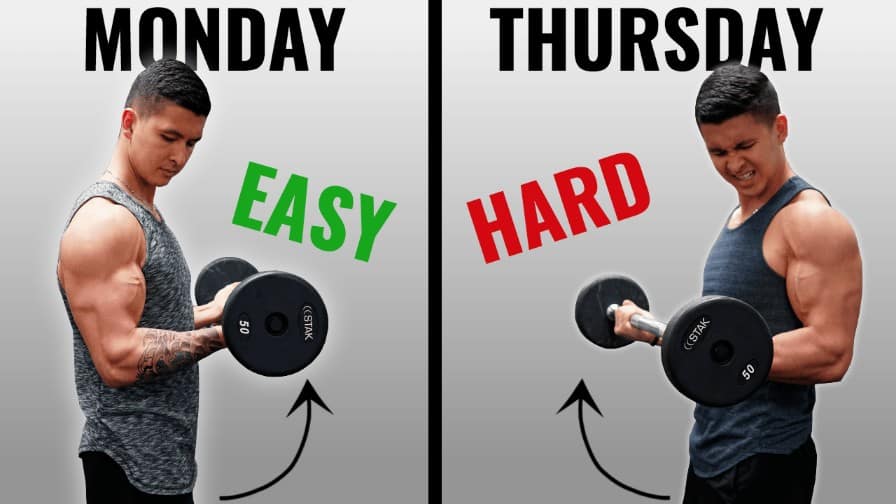
Image Source: builtwithscience.com
Grasping Strength Swings: The Why
Your body is not a machine. It does not work the same way every day. Your strength can go up and down. This is natural. Many factors play a part. We will look at the main reasons. These reasons affect your energy. They also affect how strong you feel.
The Power of Rest: Sleep and Recovery
One big reason for weakness is not enough rest. Your body needs rest. It needs this rest to fix itself. When you train, you break down muscle fibers. Rest lets them build back stronger.
The Critical Role of Sleep Quality Strength
Sleep is very important for strength. When you sleep, your body does many key jobs. It makes growth hormones. These hormones help muscles grow. They also help repair tissues. Bad sleep hurts this process. If you sleep poorly, your muscles do not fix themselves well. Your body feels tired. Your brain also feels tired. This means less focus. It means less power for your lifts.
- How Sleep Helps:
- Muscles repair and grow.
- Energy stores refill.
- Brain rests and prepares.
- Hormones balance out.
Think about a night when you did not sleep well. The next day, you probably felt slow. You might have felt weak. This is a direct link between sleep quality strength and your gym results. Aim for 7 to 9 hours of good sleep each night. Make your bedroom dark and cool. Turn off screens before bed.
Muscle Recovery: Healing and Growth
After a hard workout, your muscles need time. They need time to repair. This is called muscle recovery. If you train too often, or too hard, without enough rest, your muscles stay damaged. They cannot perform at their best. This leads to feeling weaker. It can also cause soreness. Giving your muscles time to heal is key. This means rest days. It also means varied workouts. You might train your legs one day. Then, you train your arms the next. This gives legs time to recover.
Table: Signs of Good vs. Poor Muscle Recovery
| Feature | Good Muscle Recovery | Poor Muscle Recovery |
|---|---|---|
| Energy Levels | High and steady | Low, feeling drained |
| Muscle Soreness | Mild, fades quickly | Lingering, intense soreness |
| Strength in Lifts | Consistent or improving | Drops, feeling weaker |
| Sleep Quality | Deep and restful | Restless, trouble falling asleep |
| Mood | Positive, eager for next workout | Grumpy, easily annoyed, no desire to train |
| Readiness to Train | Excited, ready to go | Dread, forced effort |
CNS Fatigue: The Brain’s Role
Your Central Nervous System (CNS) runs your body. It sends signals to your muscles. These signals tell your muscles to move. Heavy lifting taxes your CNS. It works hard to make your muscles fire. If your CNS gets tired, it cannot send strong signals. This is called CNS fatigue.
- What CNS Fatigue Feels Like:
- You feel mentally tired.
- You lack drive to lift.
- Your lifts feel heavy even if muscles are not sore.
- Your focus is poor.
CNS fatigue happens when you do a lot of high-intensity work. Things like heavy squats or deadlifts really tax your CNS. If you always push to your max, your CNS gets worn out. It needs time to rest. Deload weeks help here. A deload week means lifting much lighter weights. Or, it means doing fewer sets. This gives your CNS a break. It lets it recharge. This way, you come back stronger.
Inadequate Rest Training: A Common Pitfall
Many people push too hard. They train every day. They never take a break. This is a big mistake. It is called inadequate rest training. Your body needs time off. It needs to repair itself. Training too much without enough rest leads to feeling weaker. It can even lead to injury.
Think about it like building a house. You need to lay bricks. But you also need time for the cement to dry. If you keep laying bricks on wet cement, the house will fall. Your body is the same. It needs time to set. It needs time to grow. Schedule rest days. Make them part of your plan. Do not feel guilty about them. They are key for your progress.
Pushing Too Hard: Overtraining Symptoms
Sometimes, feeling weaker is a sign. It can mean you are doing too much. This is called overtraining. Overtraining is more than just tired muscles. It affects your whole body. It affects your mind too.
- Common Overtraining Symptoms:
- Constant tiredness.
- Poor sleep, even if you try.
- Loss of strength or feeling weaker.
- Lack of desire to train.
- Getting sick often (weak immune system).
- Feeling sad or moody.
- Lingering muscle soreness.
- Higher resting heart rate.
If you have many of these signs, take a break. A few days off might be enough. Sometimes, a whole week off is better. Talk to a coach or doctor if symptoms are serious. Overtraining hurts your gains. It can also hurt your health. Listen to your body’s signals.
Fueling Your Body: Food and Drink
What you eat and drink matters a lot. It fuels your workouts. It helps your muscles work. If your fuel is low, your strength will be too.
Nutrition Workout Performance: The Right Fuel
Food gives you energy. It gives your body the building blocks it needs. These building blocks are proteins, carbs, and fats. Each plays a role in nutrition workout performance.
- Carbohydrates: These are your main energy source. Your body turns carbs into glucose. Glucose powers your muscles.
- Proteins: These fix and build muscle. You need enough protein to recover from training.
- Fats: These are important for hormones. They also give you steady energy.
If you do not eat enough, or eat the wrong things, your energy drops. Your muscles do not have what they need. This makes you feel weaker. Make sure your diet is balanced. Eat whole foods. Get enough of all three main nutrients. Eating before and after your workout is important. A pre-workout meal gives you energy. A post-workout meal helps with recovery.
Glycogen Depletion: Empty Fuel Tanks
Your muscles store energy. This energy is called glycogen. Glycogen comes from carbohydrates. When you work out, you use up this stored glycogen. If you do hard workouts often, your glycogen stores can get low. This is called glycogen depletion.
Imagine your car running on fumes. That is how your body feels with low glycogen. You have less energy. You cannot lift as much. You feel tired quickly. To prevent this, eat enough carbs. Especially after tough workouts. This helps refill your glycogen stores. Examples of good carbs are rice, potatoes, oats, and fruits.
Hydration Gym Fatigue: Water is Power
Water is vital. It is in every cell of your body. It helps carry nutrients. It helps remove waste. It also helps control your body temperature. Even a little bit of dehydration can make you feel weak. This is known as hydration gym fatigue.
- How Dehydration Affects You:
- Muscles do not work as well.
- You feel tired faster.
- Your heart works harder.
- Your focus drops.
- You might get headaches.
Drink water all day long. Do not wait until you are thirsty. Thirst means you are already a bit dehydrated. Drink water before, during, and after your workouts. More water is needed if you sweat a lot. Your pee color can be a good guide. If it is light yellow, you are likely well hydrated. If it is dark, drink more water.
Beyond the Physical: Mind and Hormones
Strength is not just about muscles. Your mind plays a big role. Your body’s hormones also affect how strong you feel.
Stress Impact Lifting: The Mind-Muscle Link
Stress is a big part of life. It can come from work, home, or money. High levels of stress affect your body. They affect your lifting too. This is called stress impact lifting. When you are stressed, your body makes stress hormones. These hormones prepare you for “fight or flight.” They can also break down muscle over time.
- How Stress Hurts Lifting:
- Less focus and mental energy.
- Poor sleep (making other problems worse).
- Higher muscle tension.
- Slower recovery.
- Less desire to train.
Find ways to manage stress. This might be meditation. It could be hobbies. It could be spending time with loved ones. If you are very stressed, consider a lighter workout. Or take a rest day. Pushing through heavy stress can do more harm than good.
Hormonal Strength Fluctuations: Natural Rhythms
Your hormones change. They change during the day. They change during your life. For women, monthly cycles cause big hormone changes. These hormonal strength fluctuations can affect energy and strength.
- For Women:
- Follicular Phase (after period): Estrogen levels rise. Many women feel stronger and have more energy here. This is a good time for heavy lifting.
- Luteal Phase (before period): Estrogen and progesterone are high. Some women feel more tired. They might feel weaker. Listen to your body here. Lighter weights or more rest might be needed.
- For Everyone:
- Cortisol: This is a stress hormone. High levels hurt muscle growth. They can also break down muscle.
- Testosterone: This hormone helps muscle growth. Low levels can make you feel weak and tired.
It is normal for strength to vary. Do not get upset by these changes. Just be aware of them. Adjust your training as needed.
Deciphering Your Training: Program and Adaptation
How you train also affects your strength. Your body adapts to what you do. Sometimes, it needs a different challenge.
The Need for Variation: Preventing Stagnation
If you do the same workout every time, your body gets used to it. It stops adapting. This can make you feel like you are not getting stronger. It can also lead to mental boredom. Add variety to your workouts. Change your exercises. Change your sets and reps. Change your rest times. This keeps your body guessing. It keeps it growing.
Deload Weeks: A Strategic Step Back
We talked about CNS fatigue. A deload week helps with this. It is a planned period of lighter training. You still go to the gym. But you lift much lighter weights. Or you do fewer sets. This gives your body a break. It helps you recover fully. It also helps prevent overtraining. Many lifters feel much stronger after a deload.
Table: When to Consider a Deload Week
| Sign or Feeling | Reason for Deload |
|---|---|
| Lifts feel much heavier than usual | Muscles and CNS are tired |
| Constant tiredness, even after sleep | Body needs deep rest |
| Lack of motivation to train | Mental burnout or CNS fatigue |
| Joint pain or nagging aches | Body signaling overuse |
| Frequent illness (colds, etc.) | Immune system is weak from stress |
| Training for 4-6 weeks with high intensity | Prevent overtraining before it starts |
| Significant drop in strength for multiple workouts | Clear sign of insufficient recovery |
Other Factors Affecting Strength
Sometimes, outside things also play a part.
Minor Illness or Injury
Even a small cold can make you feel weak. Your body is fighting off germs. This uses energy. It means less energy for lifting. If you feel sick, take a rest day. Let your body heal. Pushing through illness can make it worse. Small aches or pains also affect strength. If a knee hurts, your squat will feel weak. Address small injuries quickly. Do not ignore them.
Medication and Supplements
Some medicines can affect your energy. They can also affect your strength. Always check side effects. Some supplements might boost you. Others might not do much. Some might even have side effects. Always talk to a doctor about new medicines or supplements.
Age and Experience
As you get older, recovery takes longer. Your body changes. This is normal. Adjust your training. You might need more rest days. You might need to lift heavy less often. If you are new to lifting, your strength gains will be fast. This is called “newbie gains.” After a while, gains slow down. This is also normal. Keep training smart. Keep pushing safely.
Interpreting Your Body’s Signals
The best way to master your lifts is to listen. Listen to your body. It sends you messages all the time.
Pay Attention to How You Feel
Do not just look at the numbers on the bar. How do you feel during your warm-up? Do the weights feel heavy right away? Do you feel tired before you even start? These are important clues. If you feel terrible, it is okay to change your plan. Do lighter sets. Focus on form. Or just do some cardio. Some movement is better than no movement. But know when to rest completely.
Keep a Training Log
A training log is a great tool. Write down your workouts. Note the exercises, sets, reps, and weights. Also, write down how you felt. Did you sleep well? Are you stressed? Did you eat enough? Over time, you will see patterns. You will see what helps you. You will see what makes you weaker. This helps you plan better workouts.
Table: What to Include in Your Training Log
| Category | What to Write | Why it Helps |
|---|---|---|
| Date & Workout | Date, Day of the week, What muscle groups trained | Tracks consistency and cycle |
| Exercises | Name of each exercise | Shows what you did |
| Sets & Reps | Number of sets and repetitions for each exercise | Tracks volume and progress |
| Weight Used | Weight lifted for each set | Key for tracking strength gain/loss |
| RPE (Effort) | Rate of Perceived Exertion (1-10, 10 is max effort) | Helps gauge how hard the lift felt, not just the weight |
| Notes on Feel | “Felt strong today,” “Tired,” “Sore,” “Good sleep” | Links feelings to performance, spots trends |
| Sleep | Hours of sleep, quality (e.g., “7 hours, restless”) | Directly impacts recovery and strength |
| Nutrition | General idea of food intake (e.g., “Ate enough,” “Skipped breakfast”) | Links fuel to performance |
| Stress Level | Quick rating (1-5, 5 is very stressed) | Shows how mental stress affects lifting |
| Any Pain | “Knee felt stiff,” “Shoulder sore” | Important for injury prevention and spotting issues |
Adjust Your Plan
Do not be afraid to adjust your plan. Your workout plan is a guide. It is not a strict rule. If you feel weak, do not push a heavy personal best. Do lighter weights. Do more reps. Or switch to a different exercise. It is better to have a good workout with lighter weight than a bad one trying to force heavy weight. Your body will thank you. Your long-term progress will be better.
Cultivating a Stronger You: Habits and Practices
Building long-term strength is about more than just lifting. It is about how you live.
Consistency Over Intensity
It is tempting to always go all-out. But being consistent is more important. Show up to the gym often. Do good work. Do not burn out. A few good workouts each week will get you further than one super intense one followed by a long break.
Listen to Your Body, Not Just Your Ego
Your ego wants to lift the heaviest weight. Your body might not be ready. Listen to your body. If it tells you to rest, rest. If it tells you to go lighter, go lighter. This takes practice. But it is the best way to stay healthy and get strong over time.
Celebrate Small Wins
Every workout is not about a new record. Sometimes, a win is just showing up. Or lifting the same weight with better form. Or feeling good. Celebrate these small wins. They build confidence. They keep you motivated.
Frequently Asked Questions (FAQ)
Q1: How often should I take a deload week?
A1: Most lifters take a deload every 4 to 8 weeks. It depends on how hard you train. If you feel tired or weak, a deload might be needed sooner. Listen to your body.
Q2: Can supplements help me if I feel weak in the gym?
A2: Some supplements might help with energy or recovery. Things like creatine or caffeine can give a boost. But they are not magic fixes. They cannot make up for poor sleep or bad eating. Focus on good habits first. Talk to a doctor before taking new supplements.
Q3: Is it okay to skip a workout if I feel very weak?
A3: Yes, it is often better to skip a workout. Especially if you feel very weak or sick. One skipped workout will not hurt your progress. Pushing through feeling bad can lead to injury or overtraining. It is better to come back refreshed.
Q4: How do I know if I am overtrained versus just tired?
A4: Being “just tired” usually means you will feel better after a good night’s sleep or a rest day. Overtraining signs are more lasting. They include ongoing tiredness, loss of strength for days, poor sleep, bad mood, or getting sick. If these last for more than a few days, you might be overtrained.
Q5: Does caffeine affect my strength or energy in the gym?
A5: Yes, caffeine can boost energy and focus. It can make lifts feel easier. But do not rely on it too much. Too much caffeine can affect sleep. It can also make you crash later. Use it wisely.
Conclusion
Feeling weaker some days in the gym is part of the lifting journey. It happens to everyone. It is not a sign of failure. It is your body telling you something. It could be about sleep, food, stress, or too much training. By listening to these signals, you become a smarter lifter. You learn to adjust. You learn to prioritize rest and good nutrition. Master your lifts by mastering your body’s needs. This will help you get stronger, stay healthy, and enjoy your time in the gym for years to come.