
Can exercise cause hair loss? This is a common worry. The short answer is no, not directly. Working out itself does not usually cause hair thinning. Exercise is good for you. It helps your heart and makes you strong. But some things linked to intense exercise can play a part. These things might lead to more hair shedding for some people. This guide will look at these links. We will help you sort fact from fear. We will show you how to keep your hair healthy while you stay fit.
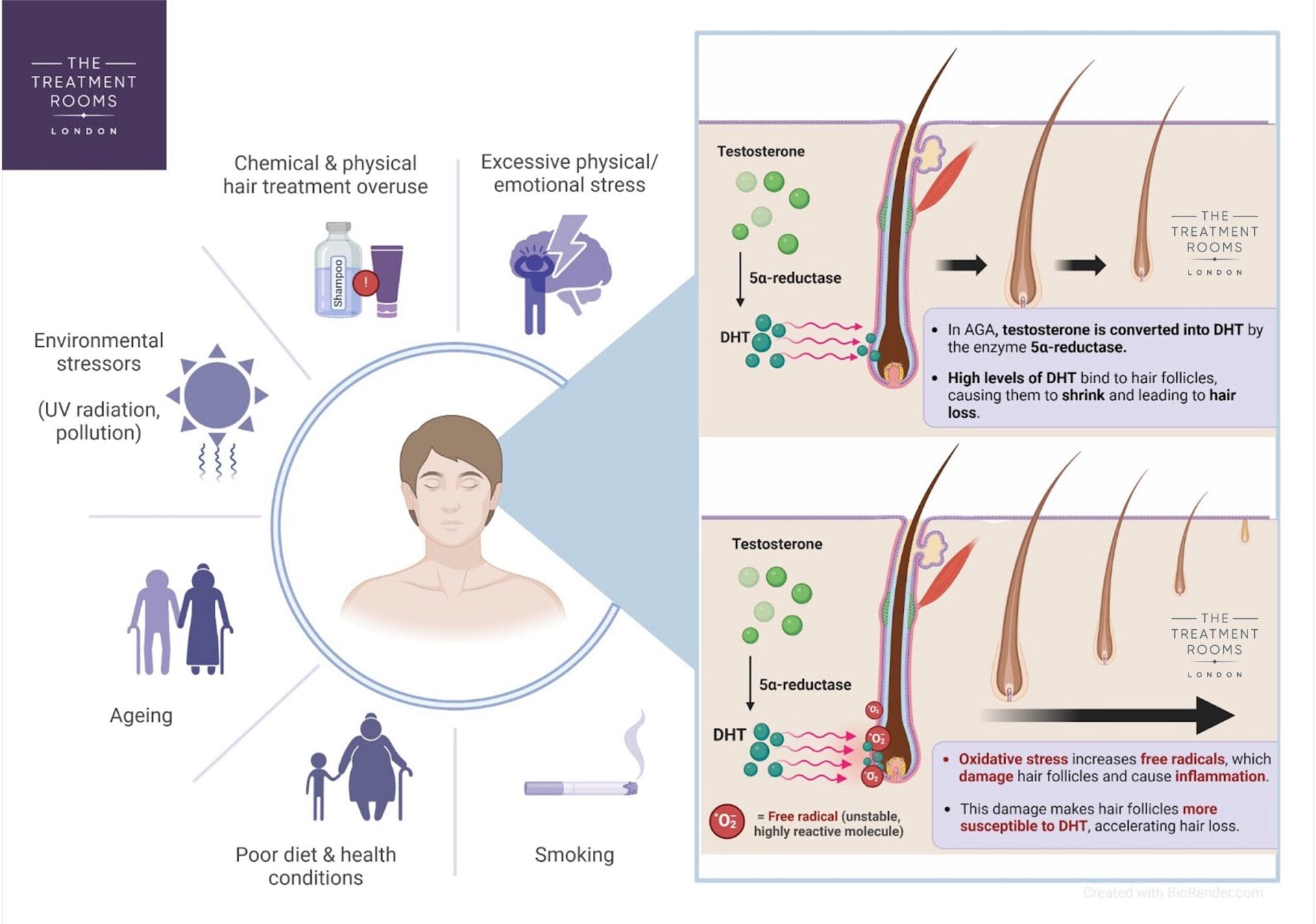
Image Source: eihjesyfseu.exactdn.com
Grasping the Hair Growth Cycle
To know about hair loss, you need to know how hair grows. Hair does not just grow forever. It goes through cycles. Each hair follicle follows its own schedule. These cycles have four main stages.
The Four Hair Stages
- Anagen (Growth Phase): This is the active growth stage. Hair cells divide fast. This makes new hair strands. About 85-90% of your hair is in this stage. It lasts for 2 to 7 years. Your hair gets longer here.
- Catagen (Transition Phase): This is a short phase. It lasts about 2 to 3 weeks. Growth stops. The hair follicle shrinks. The hair gets ready to shed. Only about 1% of your hair is in this stage.
- Telogen (Resting Phase): The hair rests in the follicle. It does not grow. This phase lasts for about 2 to 4 months. About 10-15% of your hair is in this stage. A new hair usually starts to grow beneath it.
- Exogen (Shedding Phase): This is part of the telogen phase. The old hair falls out. This makes room for the new hair. Losing 50 to 100 hairs a day is normal. This is part of the natural cycle.
When you see hair fall out, it is often in the telogen or exogen phase. This natural shedding is healthy. It makes way for new hair. But if too many hairs enter the resting phase at once, you might see more shedding. This is called telogen effluvium. We will talk more about this later.
Deciphering Exercise and Hair Loss: Facts vs. Fiction
Many people worry that their workouts cause hair loss. They might see more hair in the shower. Or they might see it on their brush. Let’s clear up some common thoughts.
- Myth: Hard workouts make your hair fall out.
- Fact: Exercise itself does not directly cause baldness. It does not make your hair follicles weak.
- Myth: Sweat makes your hair roots weaker.
- Fact: Sweat does not harm hair roots. But poor hygiene after sweating can cause issues.
- Myth: Lifting weights makes men go bald.
- Fact: Weightlifting can affect hormones. But it does not directly cause male pattern baldness. This is mainly about genetics.
The main idea is this: Exercise is good for overall health. Good health often means healthy hair. But sometimes, other things linked to intense exercise can cause hair shedding. These are usually indirect factors. They can be about stress or nutrition. Let’s look closer at these.
Examining Possible Indirect Factors
While exercise is not a direct cause, some factors linked to working out can affect hair health. These include hormones, stress, and how you take care of your body.
Hormonal Shifts and Hair Health
Your body’s hormones play a big role in hair growth. Exercise can change hormone levels. Sometimes, these changes might affect your hair.
Testosterone Levels and Hair Loss
Many men worry about testosterone and hair loss. They think more exercise means more testosterone. And more testosterone means more hair loss. Here is what we know:
- Testosterone and DHT: Testosterone is a male hormone. A small part of it turns into another hormone. This is called dihydrotestosterone (DHT).
- Genetic Link: For men prone to hair loss, DHT is a big factor. If your family has male pattern baldness, your follicles are sensitive to DHT. DHT can shrink these sensitive follicles. This makes hair thinner. Over time, hair might stop growing.
- Exercise’s Role: Hard exercise, especially strength training, can briefly raise testosterone. But this rise is usually small. It is also temporary. It does not mean you will make much more DHT.
- No Direct Cause: Most studies do not show that normal exercise causes hair loss. Exercise does not make you bald if you are not already prone to it. If you are prone, exercise alone will not make it worse. Your genes are the main driver here.
Cortisol Hair Loss Intense Exercise
Cortisol is called the “stress hormone.” Your body releases it when you are under stress. This stress can be from mental worry. It can also be from physical stress, like intense exercise.
- Cortisol and Exercise: When you do hard workouts, your body thinks it is under stress. So, it releases cortisol. This is a normal and healthy response. It helps you deal with the workout.
- Chronic High Cortisol: Problems happen when cortisol levels stay high for a long time. This can come from too much intense exercise. It can also come from not getting enough rest. Long-term high cortisol can put your body under stress.
- Hair Cycle Impact: High cortisol can push more hairs into the resting (telogen) phase. This means more hairs stop growing. After a few months, these hairs fall out. This leads to something called telogen effluvium. This type of hair loss is usually temporary. It gets better when stress levels drop.
So, while a single intense workout is fine, constant intense exercise without rest can lead to higher long-term cortisol. This can then affect your hair.
Overtraining Syndrome and Hair Loss
Overtraining is when you train too much. You do not give your body enough time to recover. This is a serious issue for athletes. It can lead to many health problems. Hair loss can be one of them.
Overtraining Hair Loss Women
Women are often more at risk for overtraining. Their bodies are very sensitive to stress. This is because of their delicate hormone balance.
- Symptoms of Overtraining:
- Feeling tired all the time.
- Poor sleep.
- Getting sick often.
- Changes in mood.
- Missing periods (for women).
- Low energy levels.
- Poor performance in workouts.
- How it Affects Hair: Overtraining puts massive stress on your body. This stress leads to high cortisol levels. It can also mess with other hormones. It can also cause nutrient problems. All these factors together can push a large number of hairs into the resting phase. This leads to
exercise induced telogen effluvium. - Telogen Effluvium Explained: This is a type of hair loss. It happens when stress or a big body change makes many hairs go into the resting phase too soon. About two to three months later, these hairs fall out. It can look like a lot of hair loss. But it is usually temporary. It stops once the stress ends.
- Women’s Unique Risk: For women, overtraining can disrupt the menstrual cycle. This shows major body stress. Such stress greatly increases the risk of telogen effluvium. It is important for women to listen to their bodies. They need enough rest and good food.
Sweat, Hygiene, and Scalp Health
Many people worry about sweat and hair loss. They think sweat clogging pores hair loss is a direct link. But this is mostly a myth.
- Sweat Itself is Not Harmful: Sweat is mostly water and salt. It comes from your sweat glands. It does not harm your hair follicles. It does not cause hair loss directly.
- The Problem is Buildup: If you leave sweat on your scalp too long, it can mix with oil and dirt. This mix can build up. It can create a bad place for hair.
- Scalp Irritation: This buildup can lead to scalp itchiness. It can cause inflammation or even infections. A very irritated or unhealthy scalp can sometimes lead to hair shedding. But this is not true hair loss. It is more about a bad scalp environment.
- Follicle Blockage (Rare): It is very rare for sweat to fully “clog” a hair follicle to cause hair loss. Hair follicles are quite strong. But prolonged poor hygiene can make existing conditions worse. For example, it can worsen dandruff or seborrheic dermatitis. These conditions, if severe, can affect hair health.
- Importance of Post-Workout Hygiene: The key is to clean your scalp after sweating. Wash your hair regularly. Use a gentle shampoo. This removes sweat, oil, and dirt. This keeps your scalp healthy. A clean scalp helps hair grow well.
Nutritional Deficiencies and Exercise Hair Loss
Exercise, especially hard exercise, uses up a lot of energy. It also uses many nutrients. If your diet does not keep up, you can get nutritional deficiencies exercise hair loss. Your hair needs specific nutrients to grow strong.
- Increased Needs: People who work out often need more calories. They also need more vitamins and minerals. Your body uses these for energy. It uses them for muscle repair. And it uses them for basic body functions.
- Key Nutrients for Hair:
- Protein: Hair is mostly protein. If you do not eat enough, your hair growth can slow down.
- Iron: Low iron (anemia) is a big cause of hair loss. Especially for women. Intense exercise can sometimes lead to low iron. This is true if you do not eat enough iron-rich foods.
- Zinc: This mineral helps hair growth and repair. Low zinc can cause hair shedding.
- Biotin (Vitamin B7): This B vitamin is often linked to hair health. Low biotin can lead to brittle hair and hair loss.
- Vitamin D: This vitamin helps with hair follicle cycling. Low levels might be linked to hair loss.
- Omega-3 Fatty Acids: These healthy fats help with scalp health and hair shine.
- Dietary Imbalances: Some athletes may cut calories too much. Or they might follow strict diets. This can lead to missing key nutrients. This is a common cause of hair issues.
- Table: Key Nutrients for Hair and Food Sources
| Nutrient | Role in Hair Health | Food Sources |
|---|---|---|
| Protein | Hair is made of protein; essential for growth | Chicken, fish, eggs, beans, lentils, nuts, tofu |
| Iron | Carries oxygen to hair follicles; prevents anemia | Red meat, spinach, lentils, fortified cereals |
| Zinc | Helps hair tissue growth and repair | Oysters, beef, pumpkin seeds, lentils, chickpeas |
| Biotin (B7) | Supports healthy hair, skin, and nails | Eggs, nuts, seeds, sweet potatoes, avocados |
| Vitamin D | Stimulates hair follicles | Fatty fish, fortified milk/juice, sun exposure |
| Vitamin C | Helps iron absorption; aids collagen production | Citrus fruits, bell peppers, broccoli, strawberries |
| Omega-3s | Reduces inflammation; promotes scalp health | Fatty fish (salmon), flaxseeds, chia seeds, walnuts |
Type of Exercise and Hair Concerns
Some people ask if certain types of exercise are worse for hair. High intensity interval training hair loss is a specific concern.
- HIIT and Stress: HIIT is short bursts of very hard exercise. It is followed by short rest times. It is very effective for fitness. But it puts a high level of stress on the body. This is why it can briefly spike cortisol.
- The Real Issue: The concern is not HIIT itself. It is how you manage your overall stress and recovery. If you do HIIT daily without enough rest, it can lead to overtraining. This can cause high long-term cortisol. And this can affect hair.
- Balance is Key: Any type of intense exercise can cause problems if done to excess. This includes long-distance running or heavy weightlifting. The key is to find a balance. You need enough rest. You need good nutrition. You need varied workouts.
- No “Bad” Exercise: No specific type of exercise directly causes hair loss. It’s about your body’s total stress load. It’s about how well you recover from your workouts. It’s also about your genes and diet.
Steps for Preventing Post-Workout Hair Shedding
You can enjoy your workouts without fearing hair loss. Here are some key tips for Post workout hair shedding prevention.
- Eat a Balanced, Nutrient-Rich Diet:
- Make sure you get enough protein.
- Eat foods rich in iron, zinc, and vitamins (B, D, C).
- Include healthy fats like omega-3s.
- Avoid very strict diets that cut out whole food groups.
- Consider a multivitamin if your diet is often lacking. But food is always best.
- Stay Hydrated: Drink plenty of water throughout the day. This is even more vital when you exercise. Water helps all body functions. This includes healthy hair growth.
- Manage Stress Effectively:
- Do not overtrain. Listen to your body.
- Include rest days in your workout plan.
- Get enough sleep (7-9 hours).
- Add stress-reducing activities. Try yoga, meditation, or deep breathing.
- Practice Good Scalp Hygiene:
- Wash your hair soon after a sweaty workout. Use a mild shampoo.
- Do not wash too often if your scalp gets dry. Find your balance.
- Keep your scalp clean. This prevents buildup of sweat, oil, and products.
- Be Gentle with Your Hair:
- Avoid tight hairstyles during workouts. These can pull on your hair. This can lead to breakage. It can also cause traction alopecia over time.
- Limit heat styling (blow dryers, straighteners). Let your hair air dry often.
- Use a wide-tooth comb to detangle wet hair.
- Avoid harsh chemicals in hair products.
- Listen to Your Body:
- Pay attention to signs of overtraining. These include constant tiredness or poor performance.
- Adjust your workout intensity and frequency if you feel run down.
- Your body needs time to rebuild after hard efforts.
-
Get Regular Check-Ups:
- If you are worried about hair loss, see a doctor.
- They can check for underlying health issues. These include thyroid problems or nutrient deficiencies.
-
Table: Post-Workout Hair Care Do’s and Don’ts
| Action | Do’s | Don’ts |
|---|---|---|
| Washing Hair | Wash soon after sweaty workouts | Leave sweat/product buildup on scalp for too long |
| Hair Products | Use mild, sulfate-free shampoos | Use harsh chemicals or too many styling products |
| Styling | Opt for loose ponytails or braids | Tie hair in very tight buns/ponytails |
| Drying | Air dry when possible, pat gently with towel | Rub hair roughly with a towel, use high heat too often |
| Diet | Eat balanced, rich in protein, iron, vitamins | Follow extreme diets, skip meals, rely on processed food |
| Recovery | Include rest days, prioritize sleep | Overtrain, ignore signs of fatigue |
Can Hair Loss from Gym Activities Be Reversed?
This is a key question for many. Is hair loss from gym reversible? The good news is, often, yes.
- Telogen Effluvium: If your hair loss is due to
exercise induced telogen effluvium, it is almost always temporary. This means hairs went into the resting phase due to stress. This stress could be from overtraining, poor nutrition, or high cortisol. Once the cause is fixed, your hair will start to grow back. It takes time. You might see new growth in a few months. Full recovery can take up to a year. - Nutrient Deficiencies: If your hair loss comes from not getting enough nutrients, fixing your diet will help. Taking proper supplements, if needed, will also help. Hair growth improves as your body gets the nutrients it needs.
- Scalp Issues: If hair loss is due to an unhealthy scalp from poor hygiene, improving your scalp care will help. A healthy scalp is key for healthy hair growth.
- Androgenic Alopecia (Pattern Baldness): If you have genetic hair loss, like male or female pattern baldness, exercise does not cause it. And stopping exercise will not reverse it. This type of hair loss needs medical treatment. It might involve medicines like minoxidil or finasteride.
- When to See a Doctor:
- If your hair loss is sudden and severe.
- If it does not stop after you make changes to your lifestyle.
- If you see bald patches.
- If you have itching, pain, or redness on your scalp.
- A doctor or dermatologist can find the real cause. They can offer the right treatment.
Frequently Asked Questions (FAQ)
What is the connection between sweat and hair loss?
Sweat itself does not cause hair loss. But if you leave sweat, oil, and dirt on your scalp for too long, it can cause problems. It can irritate your scalp. This can lead to itching or flaking. In some cases, a very unhealthy scalp might make hair shedding worse. It is vital to wash your hair and scalp after you sweat a lot.
How often should I wash my hair if I work out daily?
It depends on your hair and scalp type. If you sweat a lot, washing your hair daily with a gentle shampoo might be good. This removes sweat and grime. If your hair gets dry, you might wash every other day. Or you can rinse with water and use conditioner on non-wash days. The main goal is a clean, healthy scalp.
Can protein powder cause hair loss?
No, protein powder itself does not cause hair loss. Protein is essential for healthy hair. Hair is made of protein. But some protein powders might contain other things. These can be hormones or other ingredients. Some people worry about a link between creatine (a common supplement) and DHT. But there is no strong proof that creatine causes hair loss in most people. Only use trusted brands. And always check ingredients.
Is head sweating bad for hair?
No, sweating from your head is normal. It is how your body cools down. It is not bad for your hair. As noted above, the issue is not the sweat. It is leaving the sweat, oil, and dirt on your scalp for too long. This can create a bad environment for your hair. So, simply wash your hair after a good sweat.
Does wearing hats during workouts cause hair loss?
Wearing a hat during a workout usually does not cause hair loss. Hats do not block air flow enough to harm hair. But if a hat is very tight, it can pull on your hair roots. This is called traction alopecia. It is rare. Also, a dirty hat can transfer germs to your scalp. This can cause issues. Choose a clean, loose-fitting hat made of breathable fabric.
In sum, exercise is a pillar of good health. It is unlikely to cause hair loss on its own. The key is to manage indirect factors. These include stress, nutrition, and hygiene. By taking care of your body and listening to its needs, you can enjoy all the benefits of exercise. You can do this while keeping your hair healthy and strong.