
Does your lower back ache when you exercise? This is a common issue, and often, it stems from a variety of factors including poor exercise form, weak core muscles, or even overexertion. Many people experience lumbar pain during workout sessions, and identifying the root cause is key to finding relief and continuing your fitness journey safely.
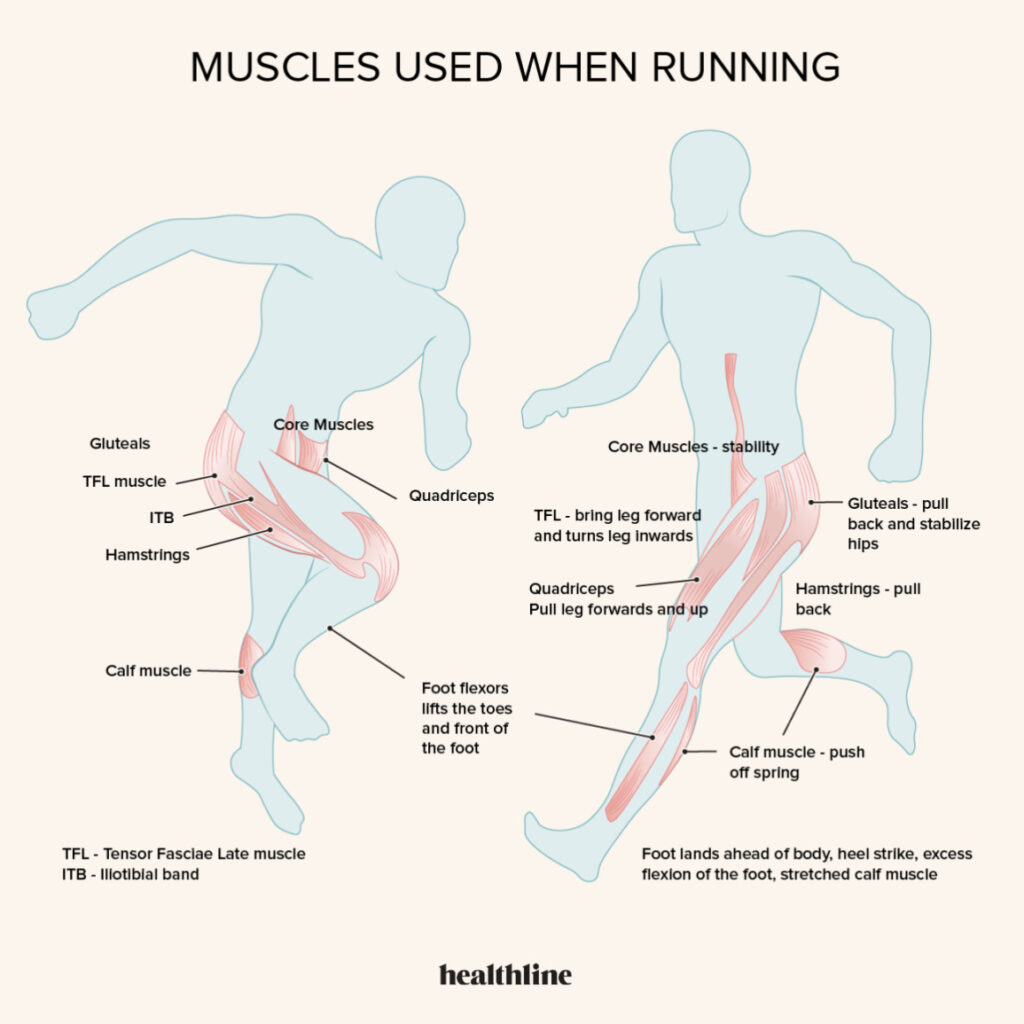
Image Source: hssh.health
Deciphering Exercise-Induced Back Strain
Experiencing exercise-induced back strain can be frustrating, especially when you’re trying to improve your health and fitness. It’s important to remember that a little discomfort can sometimes be a sign your body is adapting, but persistent or sharp pain is a warning. Let’s explore the common reasons behind this discomfort.
Factors Contributing to Workout Lower Back Discomfort
Several elements can contribute to workout lower back discomfort. These range from how you move to the strength of your supporting muscles.
- Poor Exercise Form: This is a major culprit. When you don’t use the correct technique, you put unnecessary stress on your spine and surrounding muscles. This can lead to lower back injury from exercise.
- Example: Lifting weights with a rounded back during squats or deadlifts.
- Example: Performing sit-ups without proper support for your lower back.
- Muscle Imbalances: If some muscles are too strong and others are too weak, your body can become unbalanced. This forces your lower back to compensate, leading to pain.
- Tight Hamstrings: Short hamstring muscles can pull on your pelvis, flattening your lower back’s natural curve and causing strain.
- Weak Glutes: Your glute muscles are crucial for supporting your pelvis and spine. If they are weak, your lower back muscles have to work harder.
- Weak Abdominal Muscles: A strong core is vital. When your core is weak, your lower back often takes on more load, leading to pain.
- Overexertion: Pushing yourself too hard, too soon, without adequate rest and recovery can overload your muscles and spine.
- Sudden Increase in Intensity: Going from no exercise to intense workouts very quickly.
- Excessive Volume: Doing too many repetitions or sets without allowing your body to adapt.
- Lack of Warm-up and Cool-down:
- Inadequate Warm-up: Cold muscles are more prone to injury. A proper warm-up prepares your muscles for activity.
- No Cool-down/Stretching: Failing to cool down and stretch after exercise can lead to muscle tightness and soreness, which can contribute to back pain.
- Pre-existing Conditions: If you already have a history of back problems, certain exercises can aggravate them.
- Herniated Discs: Certain movements can put pressure on a herniated disc.
- Degenerative Disc Disease: Age-related wear and tear on spinal discs can make them more sensitive to exercise.
- Sciatica: Nerve compression can be worsened by specific exercises.
- Improper Lifting Techniques: This is especially relevant for back pain after lifting weights.
- Lifting with your back: Instead of using your legs and core.
- Twisting while lifting: This puts immense rotational force on your spine.
- Dehydration: While not a direct cause, dehydration can affect muscle function and recovery, potentially making you more susceptible to pain.
- Lack of Mobility: Stiff hips or ankles can force your lower back to move more than it should to compensate.
Common Exercises That May Cause Lower Back Pain
Certain exercises, if performed incorrectly or without proper preparation, are more likely to trigger lumbar pain during workout sessions.
Weightlifting and Back Pain
Back pain after lifting weights is a common complaint. This often happens when the focus is solely on lifting heavy without prioritizing form or core engagement.
- Squats:
- Cause: “Butt wink” (pelvic tuck at the bottom of the squat), rounding the lower back, or not engaging the core.
- Impact: Puts excessive pressure on the lumbar spine.
- Deadlifts:
- Cause: Rounding the back during the lift, not keeping the bar close to the body, or using momentum instead of controlled muscle power.
- Impact: High risk of acute lumbar strain.
- Overhead Presses:
- Cause: Arching the lower back excessively to compensate for lack of shoulder mobility or core stability.
- Impact: Strains the lumbar extensors.
- Bent-Over Rows:
- Cause: Rounding the back to support the weight, or not maintaining a neutral spine.
- Impact: Similar to deadlifts, it can lead to exercise-induced back strain.
Cardiovascular Exercises and Back Pain
Even activities like running or cycling can cause back pain if not done correctly or if underlying issues exist.
- Running:
- Cause: Poor running form (e.g., overstriding, excessive torso rotation), weak glutes or core, or running on hard surfaces.
- Impact: Can lead to repetitive stress on the lower back.
- Cycling:
- Cause: Incorrect bike fit (seat too high or low, handlebars too far or close), hunched posture, or weak core muscles.
- Impact: Prolonged flexion or extension of the spine can cause discomfort.
- High-Impact Activities (e.g., Jumping Jacks, Plyometrics):
- Cause: Lack of proper landing mechanics, weak core, or sudden, uncontrolled movements.
- Impact: Can shock the spine.
Core Exercises and Back Pain
While core exercises are meant to help the back, incorrect execution can actually worsen pain.
- Sit-ups/Crunches:
- Cause: Lifting the entire back off the floor, pulling on the neck, or using hip flexors excessively without engaging the abs.
- Impact: Can hyperextend the lumbar spine.
- Leg Raises:
- Cause: If the lower back arches off the floor, it means the core isn’t strong enough to stabilize the pelvis.
- Impact: Strains the lumbar spine.
How to Prevent and Manage Lower Back Pain During Exercise
Preventing lower back injury from exercise is far better than recovering from one. Here’s how to approach your workouts to minimize pain.
The Importance of Proper Exercise Form
This cannot be stressed enough. Good exercise form and back pain are inversely related. If your form is good, your risk of pain decreases significantly.
- Learn the Basics: Before attempting new or complex exercises, learn the correct technique. Watch reputable videos, read guides, or, ideally, work with a qualified trainer.
- Focus on Control: Perform exercises slowly and with control. Avoid jerky movements or using momentum.
- Listen to Your Body: If an exercise causes pain, stop. Don’t push through sharp or intense discomfort.
- Record Yourself: Sometimes, watching yourself perform an exercise can highlight form flaws you weren’t aware of.
Building Core Strength and Back Pain Relief
Core strength and back pain are intrinsically linked. A strong core acts as a natural corset, supporting your spine and stabilizing your pelvis.
- What is the Core? Your core includes muscles in your abdomen, back, hips, and pelvis.
- Effective Core Exercises:
- Plank: Works the entire core. Ensure a straight line from head to heels.
- Bird-Dog: Improves stability and coordination. Focus on keeping your hips level.
- Glute Bridges: Strengthens glutes and lower back.
- Dead Bug: Excellent for developing deep abdominal control without stressing the lower back.
- Farmer’s Walk: Builds grip strength and core stability.
- Progression: Start with basic exercises and gradually increase the duration or difficulty as your core gets stronger.
Stretching for Lower Back Pain and Flexibility
Stretching for lower back pain is crucial for maintaining flexibility and reducing muscle tightness that can contribute to pain.
- Dynamic Stretching (Warm-up): Gentle movements that prepare your muscles for exercise.
- Leg Swings: Forward and backward, side to side.
- Torso Twists: Gentle rotations.
- Arm Circles:
- Static Stretching (Cool-down): Holding stretches to improve flexibility.
- Knee-to-Chest Stretch: Lie on your back, bring one knee towards your chest.
- Cat-Cow Pose: On hands and knees, arch and round your spine.
- Child’s Pose: A relaxing stretch for the back.
- Hamstring Stretch: Lie on your back, loop a towel around your foot, and gently pull.
- Frequency: Stretch regularly, not just on exercise days.
Exercise Modifications for Back Pain
When you experience workout lower back discomfort, or if you have a history of back issues, making exercise modifications for back pain is essential.
- Reduce Range of Motion: Don’t go as deep in squats or as low in deadlifts if it causes pain.
- Use Lighter Weights: Focus on form over weight.
- Substitute Exercises: If an exercise consistently causes pain, find an alternative that works similar muscle groups without aggravating your back.
- Instead of Squats: Try glute bridges or wall sits.
- Instead of Deadlifts: Consider kettlebell swings with lighter weights or Romanian deadlifts with good form.
- Instead of Sit-ups: Do planks or bicycle crunches (if tolerated).
- Focus on Isometric Holds: Exercises where you hold a position without movement can build strength safely.
- Incorporate Machines: Sometimes, weight machines can offer more stability and support than free weights, especially if your core isn’t strong enough yet.
Building a Balanced Workout Routine
A well-rounded routine helps prevent muscle imbalances.
- Include Strength Training: Target all major muscle groups.
- Incorporate Cardiovascular Exercise: For overall health and endurance.
- Don’t Forget Flexibility and Mobility: Yoga, Pilates, and regular stretching are beneficial.
The Role of a Warm-up and Cool-down
Never skip these crucial phases of your workout.
- Warm-up (5-10 minutes): Light cardio (jogging in place, jumping jacks) followed by dynamic stretching.
- Cool-down (5-10 minutes): Gentle cardio to lower heart rate, followed by static stretching, holding each stretch for 20-30 seconds.
When to Seek Professional Help
While many causes of exercise-induced back strain can be addressed with self-care and modifications, sometimes professional help is necessary.
- Persistent Pain: If your lower back pain doesn’t improve with rest and exercise modifications for back pain.
- Sharp or Severe Pain: Especially if it’s accompanied by numbness, tingling, or weakness in your legs.
- Pain Radiating Down Your Legs: This could indicate nerve compression.
- Pain After Injury: If the pain started after a specific incident during exercise.
A qualified professional, such as a:
- Physical Therapist: Can diagnose the cause of your pain, provide specific exercises and stretches, and guide you on proper form. They are experts in rehabilitation and can help with stretching for lower back pain.
- Doctor (Orthopedist, Sports Medicine Physician): Can rule out more serious underlying conditions and recommend appropriate medical treatment if needed.
- Certified Personal Trainer with experience in corrective exercise: Can help you refine your exercise form and create a safe training program.
Frequently Asked Questions (FAQ)
Q1: Can exercise make my back pain worse?
Yes, if you perform exercises with poor form, overexert yourself, or do exercises that are not suitable for your current condition, exercise can definitely make your back pain worse. However, the right kind of exercise, done correctly, can also be the best way to manage and prevent back pain.
Q2: What are the best exercises for lower back pain?
Generally, exercises that strengthen the core, glutes, and back muscles are beneficial. These include planks, bird-dogs, glute bridges, and gentle stretches like the knee-to-chest stretch. Always start gently and focus on proper form. Avoid exercises that cause sharp pain.
Q3: How long should I rest if I have back pain from exercise?
If you experience mild pain, a day or two of rest and lighter activity might be enough. However, if the pain is significant or persistent, it’s best to consult a healthcare professional. Continuing to exercise through severe pain can lead to more serious lower back injury from exercise.
Q4: Should I stretch before or after exercise?
It’s recommended to do dynamic stretching as part of your warm-up before exercise to prepare your muscles. Static stretching is generally best done after your workout as part of your cool-down to improve flexibility and aid recovery.
Q5: How important is core strength for preventing back pain during exercise?
Core strength is incredibly important. Your core muscles stabilize your spine and pelvis. Without adequate core strength and back pain is much more likely because other muscles and your spine have to compensate, leading to strain.
Q6: What are some common mistakes people make that cause back pain after lifting weights?
Common mistakes include rounding the lower back, lifting with the back instead of the legs, not engaging the core, using momentum to lift the weight, and twisting while lifting. Proper exercise form and back pain prevention is key here.
Q7: Can I still exercise if I have lower back pain?
In most cases, yes, but with modifications. It’s crucial to avoid exercises that aggravate your pain. Focus on low-impact activities and exercises that strengthen your core and supporting muscles. Consulting a professional for exercise modifications for back pain is highly recommended.
By understanding the common causes of lumbar pain during workout sessions and implementing preventive strategies, you can continue to enjoy the benefits of exercise while keeping your lower back healthy and strong. Remember, consistency in good form, building a strong core, and proper flexibility are your greatest allies against exercise-induced back strain.