
Do your teeth hurt when you exercise? This can be a strange and sometimes worrying feeling. Many people get toothaches when they are active. The good news is that it is often caused by simple things like sinus pressure, clenching your teeth, or cold air. Sometimes, sinus pressure tooth pain exercise is the cause. Other times, clenching teeth workout pain or sensitive teeth cold air running can make your teeth hurt. A toothache when exercising is a real thing, and this article will help you figure out why it happens and what you can do about it.
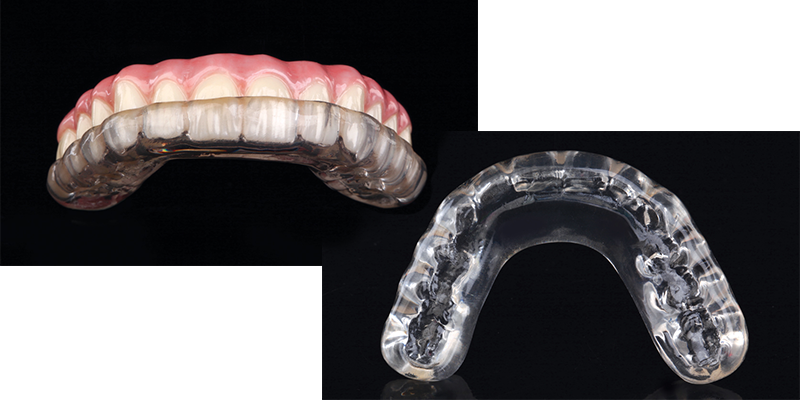
Image Source: eagleharbordentist.com
Deciphering the Exercise Toothache
It seems odd that working out, which is good for your body, could make your teeth hurt. But your mouth, jaw, and sinuses are all connected. What happens in one area can affect another. When you move your body hard, you breathe differently, your blood flows faster, and your muscles work hard. All these things can put stress on the structures near your teeth. Let’s look at the common reasons this might happen.
Sinus Pressure: A Link to Tooth Pain
Your sinuses are air spaces inside your head. They are behind your cheeks, forehead, and nose. The largest ones are near your upper back teeth. When these spaces fill with fluid or get swollen, like when you have a cold, allergies, or a sinus infection, it creates pressure.
This pressure can push down. It can push on the roots of your upper back teeth. These teeth are very close to the bottom of the sinus cavities.
When you exercise, you might breathe heavier. This can change the air pressure inside your sinuses. It can make the existing pressure worse. Jumping or running can also cause a jarring motion. This can make the pressure feel stronger. It might feel like your upper back teeth are aching or sore. This is a classic sign of sinus pressure tooth pain exercise.
Think of it like this: your sinuses are balloons near your teeth. When the balloons get too full, they press on things nearby. Exercise can make the balloons feel even tighter for a moment. The pain often feels like a general ache across several upper back teeth. It usually doesn’t feel like it’s coming from just one tooth. If you bend over or jump, the pain might get worse. If you also have a stuffy nose, a headache, or facial pain, sinus issues are a likely cause.
- Symptoms:
- Dull ache in upper back teeth.
- Pain on one or both sides.
- Pain gets worse with jumping, running, or bending over.
- Might have other cold or allergy signs (stuffy nose, headache).
Grasping Why Clenching Hurts
Many people clench or grind their teeth. We often do this without knowing it. It can happen when we are stressed, focused, or even sleeping. This is called bruxism. Bruxism and exercise can sometimes go together. When you are exercising hard, especially if it’s tough or you are concentrating, you might tense up your muscles. This includes the muscles in your jaw.
Tensing your jaw muscles can make you clench your teeth tightly. You might bite down hard or grind your teeth back and forth. This puts a lot of force on your teeth, your jaw joints, and the muscles around your jaw.
Too much force can make your teeth ache. It can make them feel sore or sensitive. The jaw muscles can also get tired and sore. This leads to jaw pain during exercise teeth problems. The pain might be in your teeth, your jaw joint (near your ear), or your jaw muscles.
Clenching teeth workout pain often feels different from sinus pain. It might be a sharper pain. It could affect teeth in both the upper and lower jaw. You might notice that your jaw feels tired or stiff after working out. You might also have headaches, especially in the morning if you clench at night too.
Some people clench because they are trying to brace themselves during heavy lifting. Others do it out of focus or stress. It’s a physical reaction to the effort or intensity of the workout.
- Symptoms:
- Tooth pain, sometimes feels like a dull ache or soreness.
- Pain can be in upper or lower teeth.
- Jaw feels tired or sore.
- Pain near the jaw joint (ear area).
- Headaches.
- Might notice you are tensing your jaw during exercise.
Interpreting Cold Air Sensitivity
Have you ever felt a sharp pain in your teeth when you breathe in cold air? This is very common. If you exercise outside when it’s cold, you breathe in a lot of cold air. This cold air hits your teeth directly.
Your teeth have layers. The outer layer is hard enamel. Underneath is dentin, which has tiny tubes that lead to the nerve inside the tooth. Enamel protects the dentin and the nerve.
Sometimes, the enamel wears away a bit. This can happen from brushing too hard, eating acidic foods, or having receding gums (where the gum pulls away from the tooth). When the enamel is thin or the gums recede, the dentin is less protected.
When cold air hits exposed dentin, it irritates the nerve inside the tooth. This causes a quick, sharp pain. This is what sensitive teeth cold air running feels like. Exercising in cold weather teeth hurt because you breathe faster and deeper, bringing more cold air over your teeth.
The pain is usually sudden and sharp. It happens right when you breathe in cold air and goes away quickly when you breathe out or warm the tooth up. It often affects teeth that have thin enamel, cavities, or receding gums.
- Symptoms:
- Sharp, sudden pain when breathing in cold air.
- Pain goes away fast when the cold air stops.
- May affect specific teeth that are already sensitive.
- Worse during outdoor exercise in winter.
Fathoming Dehydration’s Role
Water is important for your whole body, including your mouth. Saliva (spit) helps keep your teeth healthy. It washes away food bits and sugar. It also helps fight off bad bacteria that can cause cavities and gum disease. Saliva helps keep the right balance of acids in your mouth.
When you exercise hard, you sweat. You lose water. If you don’t drink enough water to replace what you lose, you get dehydrated. Dehydration means your body doesn’t have enough water.
One sign of dehydration is a dry mouth. When your mouth is dry, you don’t have enough saliva. This means your teeth lose some of their natural protection. Without enough saliva to wash things away and keep acids in check, your teeth can become more sensitive. Things that didn’t bother your teeth before might suddenly cause pain.
This can show up as dehydration tooth sensitivity exercise. Your teeth might feel sensitive to temperature changes or even just exposed to air. It’s not a direct pain from dehydration itself, but dehydration makes existing sensitivity worse by reducing your mouth’s natural defenses.
- Symptoms:
- Dry mouth.
- Feeling thirsty.
- Teeth feel generally sensitive.
- Maybe sensitivity to air, hot, or cold things (though cold air sensitivity is often its own issue).
- Less saliva than usual.
Deciphering Dental Problems
Sometimes, the tooth pain you feel during exercise isn’t directly caused by the exercise itself. Exercise might just make you notice a problem that was already there. Physical activity can increase blood flow and pressure, which can make pain from an existing dental issue feel stronger. Dental problems causing exercise pain can include:
- Cavities: A hole in the tooth enamel. When the hole gets deep enough, it reaches the dentin or the nerve. Increased blood flow during exercise can make a cavity hurt more.
- Cracked or Chipped Teeth: A crack or chip can expose the sensitive layers inside the tooth. Chewing or pressure (like clenching) can make it hurt. Exercise might increase this pressure or blood flow.
- Worn Fillings: Old or loose fillings can leave parts of the tooth exposed. This can lead to sensitivity or pain, especially under pressure.
- Gum Disease: This is an infection of the gums and bone around the teeth. Gums can become swollen, red, and sensitive. As gum disease gets worse, the gums pull away from the teeth (receding). This exposes the tooth roots, which are very sensitive. Gum disease symptoms during workout might become more noticeable because of increased blood flow or breathing through the mouth.
- Infections: An infection in the tooth (abscess) or gums can cause constant pain. Exercise might simply make you notice it more because of the increased sensation in your body.
- Pulpitis: Inflammation of the pulp, the inner part of the tooth with nerves and blood vessels. This can be caused by deep cavities, cracks, or trauma. Increased blood pressure during exercise can make the inflamed pulp hurt more.
If the tooth pain feels sharp, is located in just one tooth, or is there even when you are not exercising but gets worse when you are active, it could be a sign of an underlying dental problem.
- Symptoms:
- Pain in one specific tooth.
- Pain might be constant or only when eating/drinking certain things.
- Exercise makes the pain feel stronger or more noticeable.
- Visible signs like a hole in the tooth, a chipped tooth, or red, swollen gums.
Let’s look at the common causes and some quick points about them:
| Cause | What It Is | Why Exercise Can Make It Hurt | Common Feelings |
|---|---|---|---|
| Sinus Pressure | Pressure in air spaces near upper back teeth. | Breathing changes, jarring motion increases pressure. | Dull ache, upper back teeth, often multiple teeth. |
| Clenching / Bruxism | Tightly biting down or grinding teeth. | Tensing jaw muscles during effort or focus. | Soreness, dull ache, jaw pain, can affect any tooth. |
| Cold Air Sensitivity | Cold air hitting exposed tooth layers (dentin). | Breathing faster/deeper in cold air. | Sharp, quick pain when breathing in cold. |
| Dehydration | Not enough water in the body. | Less saliva means less tooth protection, increasing sensitivity. | General tooth sensitivity, dry mouth. |
| Existing Dental Problems | Cavities, cracks, gum disease, etc. | Increased blood flow/pressure makes existing pain worse. | Sharp or dull pain in one or more teeth, often always there but worse with activity. |
What to Do About Exercise Tooth Pain
Feeling tooth pain when you exercise is your body telling you something. It might be a simple fix, or it might mean you need to see a dentist. Don’s ignore it.
See Your Dentist First
If your teeth hurt during exercise, especially if it’s new pain or it’s strong, the best first step is to see your dentist. They can figure out exactly what’s going on.
Your dentist will look at your teeth, gums, and mouth. They can check for cavities, gum disease, cracks, or other dental problems. They might take X-rays to see if there are issues you can’t see, like problems under fillings or near tooth roots.
If they find a dental problem, they can treat it. Fixing a cavity, sealing a crack, or treating gum disease can often stop the pain you feel during exercise.
If your dentist doesn’t find a dental problem that explains the pain, they might think about other causes like sinus issues or clenching. They can also give you tips on dealing with sensitivity.
- Why see a dentist?
- To check for hidden dental issues.
- To rule out serious causes.
- To get the right diagnosis and treatment plan.
Simple Steps Based on Likely Causes
Once you have an idea of why your teeth hurt, you can take steps to help.
- For Suspected Sinus Pain:
- Talk to your doctor if you think you have a sinus infection or bad allergies. Treating the underlying cause can help.
- Over-the-counter nasal sprays or decongestants might help clear sinus congestion, but check with a doctor first.
- Try breathing through your nose more during exercise, especially if you are running or jumping. This can help manage pressure changes.
- For Clenching Teeth Workout Pain:
- Try to relax your jaw during exercise. Pay attention to whether you are tensing up.
- Focus on breathing. Proper breathing can help you relax your whole body.
- If you lift weights, avoid biting down hard to brace yourself. Exhale during the hardest part of the lift.
- If clenching is a big problem, especially at night (bruxism), your dentist might suggest a mouthguard. This can protect your teeth and jaw from the force of clenching. Wearing one during certain exercises might also help, but talk to your dentist.
- Manage stress. Exercise is a stress reliever for many, but high stress levels overall can make you clench more.
- For Sensitive Teeth Cold Air Running:
- Breathe through your nose as much as possible when exercising in cold weather. This warms the air before it hits your teeth.
- Wear a scarf or mask over your mouth and nose. This warms the air you breathe in.
- Use toothpaste for sensitive teeth. These toothpastes help block the tiny tubes in the dentin, protecting the nerve. Use it all the time, not just before exercise.
- Avoid very hot or cold drinks right before or during your workout.
- Ask your dentist about fluoride treatments or bonding. These can help protect exposed tooth surfaces and reduce sensitivity.
- For Dehydration Tooth Sensitivity:
- Drink plenty of water before, during, and after you exercise. Don’t wait until you are thirsty.
- Carry a water bottle with you.
- For longer workouts (more than an hour) or heavy sweating, consider a sports drink to replace electrolytes, but be aware of the sugar content and rinse with water afterwards.
- Avoid sugary drinks, caffeine, and alcohol, which can make dehydration worse.
- For Pain from Dental Problems:
- Get the dental problem fixed! This is the most important step.
- Maintain good oral hygiene. Brush twice a day, floss daily. This helps prevent cavities and gum disease.
- See your dentist for regular check-ups and cleanings. They can find problems early before they become painful.
Preventing Exercise-Related Tooth Pain
Taking care of your mouth all the time is the best way to prevent many of these issues.
Regular Dental Care Matters
Going to the dentist regularly is key. Cleanings remove plaque and tartar that can lead to cavities and gum disease. Check-ups allow your dentist to spot small problems early.
- Schedule regular check-ups: Most people need a cleaning and check-up every six months. Your dentist will tell you what’s right for you.
- Talk to your dentist: Tell them about any sensitivity or pain you feel, even if it seems minor. Mention that your teeth hurt when you exercise.
- Address problems early: Don’t wait for a small cavity to become a painful one. Getting treatment quickly is easier and cheaper.
Daily Habits for a Healthy Mouth
What you do every day makes a big difference.
- Brush correctly: Brush for two minutes, twice a day, using fluoride toothpaste. Use a soft-bristle brush and gentle circles. Avoid brushing too hard, especially near the gums.
- Floss daily: Flossing gets rid of food and plaque between your teeth and under the gum line. This is where gum disease often starts.
- Limit sugary and acidic foods and drinks: These wear down enamel and cause cavities. If you have them, rinse your mouth with water afterwards.
- Use sensitive toothpaste: If you know you have sensitive teeth, use a toothpaste made for sensitivity all the time. It builds up protection over time.
- Stay hydrated: Drink water throughout the day, not just when you exercise.
Adjusting Your Exercise Routine
Sometimes, small changes to how you exercise can help.
- Warm-up properly: This prepares your body for activity, including your breathing.
- Control your breathing: Try to breathe through your nose, especially in cold air. This helps filter and warm the air. If you need to mouth-breathe during intense exercise, try to minimize the direct blast of cold air onto your teeth.
- Manage intensity: If tooth pain is severe with very high intensity, try scaling back slightly to see if it helps.
- Be mindful of jaw tension: Check in with yourself during your workout. Are your shoulders tense? Is your jaw clenched? Try to consciously relax these areas.
Going Deeper: Less Common Reasons
While sinus pressure, clenching, cold air, dehydration, and dental problems are the most common reasons for exercise-related tooth pain, a few other less likely possibilities exist.
- Referred Pain: Pain in one part of the body can sometimes be felt in another. For instance, issues in the jaw joint (TMJ problems) can sometimes cause pain that feels like it’s in the teeth. Exercise might aggravate a jaw joint issue, causing referred tooth pain. Muscle pain from tension in the neck or shoulders can also sometimes be felt higher up, even in the jaw or teeth area.
- Exertional Headaches/Migraines: Some people get headaches or migraines triggered by exercise. These can sometimes involve facial pain, which might be felt near the teeth or jaw. This is less common than other causes for pain specifically in the teeth.
- Nerve Issues: Rarely, underlying nerve problems can cause facial pain that exercise might trigger or worsen due to increased blood flow. This is usually investigated by a doctor or specialist if dental causes are ruled out.
These less common causes are why seeing a dentist first is so important. They can rule out dental issues and, if needed, point you towards other medical professionals like a doctor or specialist who can explore other possibilities.
The Importance of Not Ignoring the Pain
Even if the pain is only during exercise and goes away quickly, it’s still a sign something is not right.
- It could get worse: A small cavity might not hurt much now, but it will grow and could become very painful later.
- It could point to a bigger issue: Gum disease needs treatment to save your teeth and bone. Clenching can wear down your teeth over time.
- It affects your workout: Pain can make you less focused and enjoy your exercise less.
Taking action early, usually starting with a visit to your dentist, is the smart thing to do for your oral health and your comfort during exercise.
Comprehending the Connection
Your mouth is not separate from the rest of your body. The health of your teeth and gums is linked to your overall health. When you exercise, your whole body is involved. It makes sense that problems elsewhere (like sinuses) or physical reactions (like clenching) or simple environmental factors (like cold air) could affect your teeth.
Think of it as a check engine light. The tooth pain is a signal. It doesn’t mean you have to stop exercising forever. It means you need to investigate the signal and fix the underlying issue.
Finding Relief and Staying Active
Feeling tooth pain during exercise can be frustrating. It might make you want to skip your workout. But once you know why it’s happening, you can take steps to fix it.
- Step 1: See your dentist. This is the most important first step. They can rule out serious dental problems.
- Step 2: Work with your dentist/doctor. Based on their diagnosis, follow their advice for treatment or management.
- Step 3: Try lifestyle changes. Adjust your breathing, stay hydrated, consider a mouthguard, or manage clenching.
- Step 4: Be patient. Some solutions, like sensitive toothpaste, take time to work.
Getting answers to why do my teeth hurt when I exercise helps you tackle the problem head-on. Don’t let tooth pain stop you from being active. With the right steps, you can often find relief and enjoy your workouts pain-free.
Summary of Key Points
- Tooth pain during exercise is common and has several causes.
- Common reasons include sinus pressure, teeth clenching (bruxism), sensitivity to cold air, dehydration, and underlying dental problems.
- Increased blood flow and pressure during exercise can make existing issues hurt more.
- Sinus pressure often causes pain in upper back teeth.
- Clenching can cause pain in teeth and jaw.
- Cold air sensitivity causes sharp pain when breathing in cold air.
- Dehydration reduces saliva, making teeth more sensitive.
- Cavities, cracks, and gum disease can be made worse by exercise.
- Seeing a dentist is the best first step to find the cause.
- Solutions depend on the cause and may include dental treatment, managing sinus issues, using sensitive toothpaste, staying hydrated, or managing clenching.
- Good daily oral hygiene and regular dental check-ups are key to prevention.
Frequently Asked Questions (FAQ)
Is it normal for teeth to hurt when I exercise?
It is not “normal” in the sense that healthy teeth should not hurt during exercise. But it is common because of the many reasons explained earlier, like sinus pressure or clenching. It’s a sign that something needs to be checked out.
Should I stop exercising if my teeth hurt?
If the pain is severe or you suspect a serious dental issue (like an infection), it’s wise to pause or reduce the intensity and see a dentist right away. For milder, temporary pain, you can often continue exercising while you figure out the cause and seek advice from your dentist.
Can supplements or diet changes help?
While overall healthy eating supports oral health, specific supplements are not typically a direct fix for exercise-related tooth pain caused by things like sinus pressure or clenching. Staying hydrated and having a balanced diet that includes necessary vitamins and minerals is important for gum health and overall tooth strength, but it won’t instantly stop pain from a cavity or sinus issue.
How long will the pain last?
It depends on the cause. Pain from cold air sensitivity usually stops right away when you stop breathing in cold air. Pain from clenching might linger for a bit after your workout. Pain from a dental problem or sinus infection could be constant and just get worse with exercise until treated.
Can wearing a mouthguard help with exercise tooth pain?
A custom mouthguard from your dentist can be very helpful if the pain is caused by teeth clenching (bruxism). It protects your teeth from the forces of clenching and can reduce jaw pain. It won’t help with sinus pain or cold air sensitivity.
What if my dentist says my teeth are fine?
If your dentist rules out dental problems, the pain might be related to sinus issues, jaw muscles, or referred pain from another area. You might then need to talk to your regular doctor to explore these other possibilities.
This information is meant to help you understand possible reasons for your tooth pain during exercise. It is not a substitute for professional medical or dental advice. Always see a qualified healthcare provider for any health concerns or before making any decisions related to your health or treatment.