
Do your legs itch when you exercise? Yes, it’s a common experience for many people, and it can be quite frustrating. This itching, often referred to as exercise-induced itching, can stem from a variety of factors related to your body’s response to physical activity. While generally harmless, persistent or severe itching warrants attention.
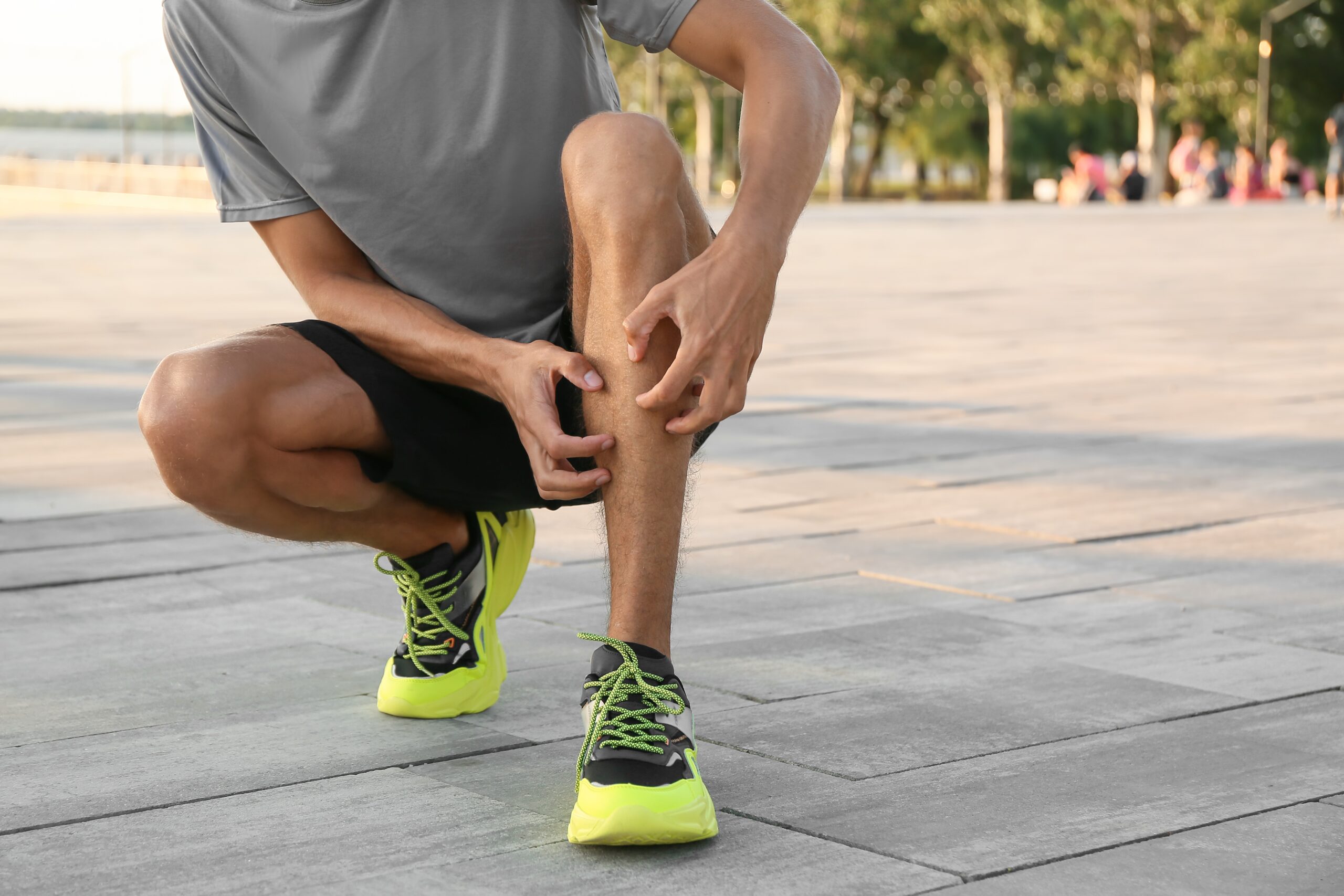
Image Source: healthcareassociates.com
Fathoming the Origins of Exercise-Induced Leg Itching
When you start moving, your body kicks into gear. This increased activity triggers a cascade of physiological responses, and sometimes, these responses manifest as an irritating itch on your legs. Let’s delve into the most common reasons behind this phenomenon.
The Role of Histamine Release
One of the primary culprits behind that itchy feeling is histamine release exercise. Histamine is a chemical your body produces, particularly in response to certain stimuli. During exercise, your body releases histamine for several reasons:
- Blood Vessel Dilation: As your muscles work harder, they need more oxygen and nutrients. Your blood vessels widen, or dilate, to accommodate this increased blood flow. Histamine plays a role in this dilation process.
- Nerve Stimulation: As blood vessels dilate and blood flow increases, it can stimulate nerve endings in your skin. This stimulation, combined with the presence of histamine, can lead to the sensation of itching.
- Allergic Reactions (Less Common but Possible): In some cases, histamine release can be a sign of a mild allergic reaction to something you’ve encountered, such as pollen on the ground, an ingredient in your workout gear, or even something you’ve eaten.
Cholinergic Urticaria: When Sweat Triggers Hives
A specific condition that can cause itching during exercise is cholinergic urticaria exercise. This is a form of hives that is triggered by an increase in body temperature, often due to exercise, hot baths, or emotional stress. Here’s how it works:
- Sweat Gland Activation: When your body temperature rises, your sweat glands are activated.
- Histamine Release: In people with cholinergic urticaria, this activation can lead to the release of histamine around the sweat glands.
- Tiny Hives: This histamine release causes small, raised, itchy bumps or hives to appear on the skin, particularly in areas where you sweat the most, like your legs. These bumps are often very small, like pinpricks, and can be intensely itchy.
Circulation and Skin Sensitivity
The increased blood flow to your skin during exercise also contributes to the itching. This is related to circulation skin itching.
- Increased Blood Flow: As your heart pumps harder, more blood rushes to your skin’s surface. This can make the nerve endings more sensitive and contribute to a tingling or itchy sensation.
- Vasodilation: The widening of blood vessels (vasodilation) brings warmth and can cause a feeling of itchiness as the skin stretches and blood rushes through. This is why you might notice skin flushing during exercise, which is often accompanied by itching.
Dry Skin and Exercise
Dry skin legs exercise can exacerbate the itching. When your skin is dry, its protective barrier is compromised, making it more susceptible to irritation.
- Reduced Moisture: During exercise, you lose fluids through sweat, and if you already have dry skin, this can further dehydrate it.
- Friction: The friction from clothing or the movement of your legs against each other can irritate dry skin, leading to itching.
- Environmental Factors: Cold, dry air or hot, dry weather can also contribute to dry skin, making you more prone to itching during your workouts.
Runner’s Itch: A Specific Phenomenon
For runners, a particular type of itching is often referred to as runner’s itch. This can be a combination of factors experienced by those who engage in repetitive impact activities.
- Repetitive Friction: The constant rubbing of legs against each other, or against clothing, can irritate the skin, especially if it’s dry or sensitive.
- Nerve Stimulation: The repetitive impact of running can also stimulate superficial nerves in the legs, leading to a tingling or itchy sensation.
- Blood Flow Changes: The dynamic changes in blood flow during running can also play a role.
Heat Rash on Legs
Heat rash legs, also known as prickly heat or miliaria, is another common cause of itching during exercise, especially in warm, humid conditions.
- Blocked Sweat Ducts: Heat rash occurs when sweat ducts become blocked, trapping sweat beneath the skin.
- Irritation: This trapped sweat irritates the skin, leading to small, itchy bumps or blisters.
- Location: It often appears in areas where clothing rubs against the skin or where sweat collects, such as the thighs and calves.
Nerve Sensitivity and Exercise
Sometimes, the itching can be due to heightened nerve sensitivity exercise. Your nerves are responsible for transmitting sensations, including itch.
- Increased Nerve Activity: Exercise can increase overall nerve activity in your body as it signals muscles to contract and blood flow to change.
- Hypersensitive Nerves: In some individuals, these nerves might be more sensitive to the changes occurring during exercise, leading to an itchy feeling even without a visible rash.
- Peripheral Neuropathy (Less Common): In rarer cases, underlying conditions that affect nerves, such as peripheral neuropathy, can make the legs more prone to itching, which might be amplified by exercise.
Differentiating the Causes: A Closer Look
It’s helpful to identify the specific characteristics of your itching to better pinpoint the cause.
Symptoms to Watch For
| Symptom | Possible Cause | Description |
|---|---|---|
| Small, raised, itchy bumps | Cholinergic urticaria, Heat rash | Tiny red or skin-colored bumps, often appearing during or shortly after exercise, especially in sweaty areas. |
| General, diffuse itching | Histamine release, Circulation changes | A widespread itchy sensation without distinct bumps, often accompanied by skin flushing. |
| Itching with no visible rash | Nerve sensitivity, Mild vasodilation | The sensation of itching is present, but no rash or bumps are visible on the skin. |
| Itching and dry, flaky skin | Dry skin | Skin feels tight, rough, and may have visible flaking, leading to irritation during activity. |
| Itching and redness/flushing | Histamine release, Circulation changes | The skin appears red and warm, indicating increased blood flow, which can cause itching. |
When to Seek Medical Advice
While most exercise-induced itching is harmless, there are instances when you should consult a doctor.
- Severe or Widespread Itching: If the itching is intense, covers a large area of your body, or significantly interferes with your ability to exercise.
- Breathing Difficulties or Swelling: If the itching is accompanied by shortness of breath, wheezing, swelling of the face or throat, or a feeling of tightness in your chest. This could be a sign of exercise-induced anaphylaxis legs, a severe allergic reaction that requires immediate medical attention.
- Persistent Itching: If the itching doesn’t improve with home remedies or continues long after you’ve finished exercising.
- Worsening Skin Condition: If the itching is associated with a rash that blisters, oozes, or shows signs of infection.
Strategies for Relief and Prevention
Fortunately, there are several ways to manage and prevent exercise-induced leg itching.
Pre-Exercise Preparations
Taking steps before you even start your workout can make a big difference.
- Moisturize Regularly: If dry skin is a contributing factor, apply a good moisturizer to your legs daily, especially after showering. Use a thick, emollient cream for best results.
- Hydration is Key: Drink plenty of water before, during, and after your workouts to keep your skin hydrated from the inside out.
- Choose Appropriate Clothing: Opt for loose-fitting, breathable fabrics like cotton or moisture-wicking synthetics. Avoid rough or abrasive materials that can cause friction.
- Cool Down: Ensure your body temperature doesn’t get excessively high too quickly. A gradual warm-up can help.
During Exercise Management
Here’s how to handle itching while you’re actively exercising.
- Cool Down Gradually: If you start to feel itchy, slow your pace or take short breaks to allow your body temperature to regulate.
- Stay Hydrated: Sip water throughout your workout.
- Avoid Scratching: While tempting, scratching can further irritate the skin and worsen the itching. Try to pat or gently rub the itchy area instead.
- Cool Compresses: If possible, use a cool, damp cloth on the itchy areas during a break.
Post-Exercise Relief
Once your workout is done, there are still things you can do.
- Cool Shower: Take a lukewarm or cool shower after your workout to help lower your body temperature. Avoid hot water, which can worsen itching.
- Gentle Cleansing: Use a mild, fragrance-free soap to clean your skin.
- Moisturize Again: Apply moisturizer to your legs after showering to rehydrate the skin.
- Over-the-Counter Antihistamines: For temporary relief from histamine-related itching or cholinergic urticaria, an oral antihistamine (like cetirizine, loratadine, or diphenhydramine) can be effective. Always follow the dosage instructions on the packaging and consult your doctor if you have any underlying health conditions or are taking other medications.
- Topical Treatments: Calamine lotion or hydrocortisone cream (available over-the-counter) can help soothe itchy skin. Apply these to the affected areas as needed.
Medical Treatments and Interventions
If home remedies aren’t enough, your doctor might suggest medical interventions.
Prescription Medications
In more persistent or severe cases, a doctor may prescribe stronger treatments.
- Prescription Antihistamines: These can be more potent than over-the-counter options and may be recommended for regular use if exercise-induced itching is a frequent problem.
- Topical Steroids: For significant inflammation and itching, a doctor might prescribe a stronger topical steroid cream.
- Other Medications: In rare cases, for severe cholinergic urticaria, medications like beta-blockers or certain antidepressants might be considered, but this is usually a last resort after other treatments have failed.
Diagnostic Testing
To confirm the cause of your itching, your doctor might perform some tests.
- Skin Patch Testing: This can help identify any potential allergies to materials in your workout clothes or lotions.
- Challenge Test: In some cases, a doctor might guide you through a controlled exercise challenge to observe your body’s reaction and pinpoint the trigger.
- Blood Tests: These may be used to rule out any underlying medical conditions that could be contributing to the itching.
Living With Exercise-Induced Itching
Adapting your routine and staying informed can help you continue to enjoy the benefits of exercise without being sidelined by itchy legs.
Lifestyle Adjustments
Small changes can have a big impact.
- Exercise in Cooler Environments: If possible, opt for indoor workouts during hot weather or exercise during the cooler parts of the day.
- Listen to Your Body: Pay attention to what makes your itching worse and adjust your activity level accordingly.
- Manage Stress: Since stress can sometimes trigger or worsen hives, practicing stress-management techniques like mindfulness or yoga can be beneficial.
Maintaining Healthy Skin
Prioritizing skin health is crucial.
- Consistent Skincare Routine: Keep your skin well-moisturized, especially on your legs.
- Gentle Exfoliation: Once or twice a week, gentle exfoliation can help remove dead skin cells and prevent pore blockages, potentially reducing heat rash and general dryness. Use a mild scrub and follow up with moisturizer.
Frequently Asked Questions (FAQ)
Q1: Can exercise-induced itching be a sign of something serious?
Generally, no. Most exercise-induced itching is benign and related to normal physiological responses. However, if you experience itching along with symptoms like difficulty breathing, swelling, dizziness, or hives that spread rapidly and are accompanied by systemic symptoms, seek immediate medical attention as this could indicate a severe allergic reaction like exercise-induced anaphylaxis.
Q2: What is the fastest way to get rid of exercise-induced itching?
For immediate relief, a cool shower or a cool compress can help. Over-the-counter oral antihistamines can also provide quick relief by reducing histamine levels.
Q3: Should I stop exercising if my legs itch?
Not necessarily. If the itching is mild and manageable, you can often continue exercising. However, if it’s severe, distracting, or accompanied by other concerning symptoms, it’s best to stop and reassess. Try to identify your triggers and implement preventive strategies for your next workout.
Q4: Can my diet affect exercise-induced itching?
Yes, in some cases. Certain foods can trigger histamine release or contribute to inflammation, which might worsen itching. Common triggers can include processed foods, artificial additives, and sometimes even certain healthy foods for sensitive individuals. Keeping a food diary alongside your exercise log can help identify potential dietary links.
Q5: Is it safe to take antihistamines before exercising?
For most people, it is safe to take an over-the-counter antihistamine before exercising, especially if you know you are prone to cholinergic urticaria or histamine-related itching. However, it’s always best to consult with your doctor or pharmacist before taking any medication, even over-the-counter ones, especially if you have underlying health conditions or are taking other medications. Some antihistamines can cause drowsiness, which might affect your exercise performance or safety.
By approaching exercise-induced itching with a thorough understanding of its potential causes and by employing effective relief and prevention strategies, you can continue to enjoy a healthy and active lifestyle.