
Do your legs ache after a good workout? Yes, it’s common to experience muscle soreness after physical activity, especially if you’re new to exercise or have tried a new routine. This post-workout pain is often referred to as Delayed Onset Muscle Soreness (DOMS).
This article will delve into the reasons behind that familiar ache, explore the underlying mechanisms, and provide practical strategies to help you recover and prevent future discomfort. Whether you’re a seasoned athlete or just starting your fitness journey, understanding why your legs ache is key to maximizing your training and enjoying the benefits of exercise.
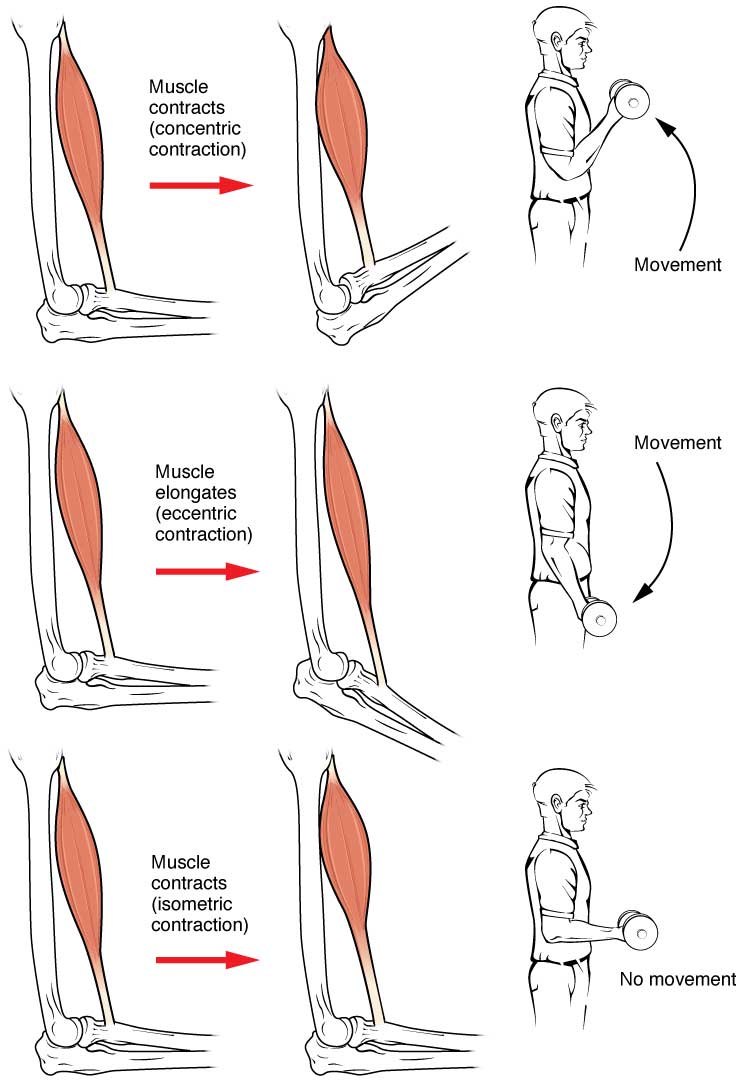
Image Source: www.wdhospital.org
Deciphering the Ache: What Causes Leg Pain After Exercise?
The feeling of achy legs after exercise is a multifaceted experience, stemming from a variety of physiological responses within your muscles. It’s not just one thing; it’s a combination of factors that contribute to that tell-tale post-exercise discomfort.
The Microscopic Battlefield: Exercise-Induced Muscle Damage
When you engage in physical activity, particularly exercises that involve eccentric contractions (where the muscle lengthens under tension, like the downward phase of a squat), your muscle fibers undergo stress. This stress can lead to microscopic tears within the muscle tissue. This phenomenon is known as exercise-induced muscle damage.
These tiny tears are not necessarily a bad thing. In fact, they are a crucial part of the muscle adaptation process. Your body responds to this damage by initiating repair mechanisms, which ultimately leads to stronger, more resilient muscle fibers. However, the inflammatory response and the repair process themselves are what contribute to the feeling of soreness.
Types of Muscle Contractions and Their Impact
It’s important to recognize that different types of muscle contractions affect your muscles differently:
- Concentric Contractions: These occur when a muscle shortens under tension. Think of lifting a weight during a bicep curl. These are generally less likely to cause significant soreness.
- Eccentric Contractions: These occur when a muscle lengthens under tension. Examples include the lowering phase of a bicep curl or the downhill running on a trail. These are the primary culprits behind DOMS.
- Isometric Contractions: These occur when a muscle contracts but doesn’t change length. Holding a plank is an example. While not typically associated with DOMS, prolonged isometric holds can lead to temporary muscle fatigue.
The Role of Lactic Acid: A Common Misconception
A common belief is that lactic acid buildup is the sole cause of muscle soreness. While lactic acid is produced during intense exercise when oxygen supply is limited, its role in DOMS is often overstated.
- Lactic Acid Production: During anaerobic exercise (high-intensity activity that doesn’t use much oxygen), your body breaks down glucose for energy, producing lactic acid as a byproduct.
- Lactic Acid Clearance: The body is quite efficient at clearing lactic acid. It can be converted back to energy or processed by the liver. While you might feel a burning sensation during intense exercise, this is typically due to the accumulation of hydrogen ions associated with lactic acid, not the lactic acid itself lingering for days.
- DOMS vs. Burning Sensation: The burning sensation during a tough set is different from the dull ache of DOMS, which usually sets in 12-72 hours after the exercise.
Inflammation: The Body’s Repair Crew
Following exercise-induced muscle damage, your body’s natural inflammatory response kicks in. This involves:
- Immune Cell Infiltration: White blood cells and other immune cells rush to the site of damage to clear away cellular debris and initiate the repair process.
- Release of Inflammatory Mediators: These cells release chemicals that contribute to the inflammatory response, which can cause pain, swelling, and stiffness.
- Repair and Regeneration: This inflammation is essential for rebuilding muscle tissue. However, it also contributes significantly to the feeling of sore muscles after gym sessions.
Neuromuscular Factors: Nerve Sensitivity
The nerves that supply your muscles can also become more sensitive after exercise. This increased sensitivity, combined with the mechanical stress on the muscle fibers, can amplify the sensation of pain and leg fatigue.
Dehydration and Electrolyte Imbalance
While not the primary cause of DOMS, dehydration and an imbalance of electrolytes (like sodium, potassium, and magnesium) can exacerbate muscle cramping and soreness.
- Dehydration: When you don’t drink enough fluids, your blood volume decreases, making it harder for your body to deliver oxygen and nutrients to your muscles and remove waste products.
- Electrolyte Imbalance: Electrolytes play a crucial role in muscle contraction and nerve function. Imbalances can lead to increased muscle excitability and a higher susceptibility to cramps and pain.
Recognizing the Signs: What DOMS Feels Like
Delayed Onset Muscle Soreness (DOMS) is characterized by a specific set of symptoms that typically emerge several hours to a day or two after exercise. It’s not an immediate pain, but rather a delayed reaction.
Common Symptoms of DOMS:
- Aching and Tenderness: The most prominent symptom is a generalized ache and tenderness in the affected muscles. Touching the sore muscle can increase the discomfort.
- Stiffness: You might feel a distinct stiffness in your legs, making it difficult to move them freely. This is particularly noticeable when you first get up or try to initiate movement.
- Reduced Range of Motion: The stiffness and soreness can limit your ability to move your joints through their full range of motion.
- Muscle Weakness: You might feel a temporary decrease in muscle strength in the affected area.
- Swelling: In some cases, mild swelling may occur around the sore muscles.
When Does DOMS Occur?
DOMS typically peaks between 24 and 72 hours after the exercise session. The soreness usually subsides gradually over the next few days, typically within 5-7 days.
Who is Most Prone to DOMS?
- Beginners: Individuals new to exercise or returning after a break are highly susceptible.
- Those Who Increase Intensity or Duration: Even experienced exercisers can experience DOMS if they significantly increase the intensity, duration, or volume of their workouts.
- Individuals Performing Unfamiliar Movements: Trying new exercises, especially those that heavily engage muscles in novel ways, can trigger DOMS.
- Activities Involving Eccentric Contractions: Sports like downhill skiing, trail running, and plyometrics are known for their high eccentric demands, leading to a greater likelihood of DOMS.
Navigating the Recovery: Strategies for Sore Legs
Experiencing sore muscles after gym sessions or any strenuous activity is part of the process, but how you manage it can significantly impact your recovery and future performance. Effective strategies focus on promoting muscle repair, reducing inflammation, and alleviating pain.
Active Recovery: Gentle Movement is Key
Contrary to what you might think, resting completely isn’t always the best approach for muscle recovery. Light physical activity can actually help.
- Light Cardio: Activities like walking, cycling at a low intensity, or swimming can increase blood flow to the muscles. This enhanced circulation helps deliver oxygen and nutrients while removing metabolic waste products that can contribute to soreness.
- Dynamic Stretching: Gentle, controlled movements that take your joints through their range of motion can help loosen tight muscles and improve flexibility. Avoid static stretching while muscles are acutely sore.
Hydration and Nutrition: Fueling the Repair Process
What you consume plays a vital role in your body’s ability to repair itself.
- Stay Hydrated: Drinking plenty of water is crucial for all bodily functions, including muscle repair and waste removal.
- Protein Intake: Protein is the building block of muscle tissue. Ensure you’re consuming adequate protein to support muscle repair and growth. Lean meats, fish, eggs, dairy, legumes, and protein supplements are good sources.
- Anti-Inflammatory Foods: Incorporating foods rich in antioxidants and anti-inflammatory compounds can help manage the inflammatory response. Examples include:
- Berries (blueberries, strawberries, raspberries)
- Fatty fish (salmon, mackerel)
- Leafy green vegetables (spinach, kale)
- Turmeric
- Ginger
Gentle Massage and Foam Rolling: Releasing Tension
Manual therapies can be beneficial in easing post-workout pain.
- Massage: A gentle massage can help increase blood flow to the sore muscles and promote relaxation. Avoid deep tissue massage on acutely sore muscles, as this can exacerbate the damage.
- Foam Rolling (Self-Myofascial Release): Using a foam roller applies pressure to trigger points and tight muscle tissue. This can help improve blood flow, reduce muscle soreness, and increase flexibility. Start with light pressure and gradually increase intensity as tolerated. Focus on rolling slowly over tender areas.
Heat and Cold Therapy: What Works?
Both heat and cold can offer relief for sore legs, but they serve different purposes.
- Cold Therapy (Ice Baths/Cold Showers): Applying cold can help reduce inflammation and numb the area, providing short-term pain relief. It’s often recommended immediately after intense exercise to minimize swelling and discomfort.
- Heat Therapy (Warm Baths/Heating Pads): Applying heat can increase blood flow to the muscles, promoting relaxation and easing stiffness. It’s generally more beneficial for chronic soreness or when muscles feel tight and stiff.
A common approach is to use cold therapy in the immediate aftermath of exercise and heat therapy in the days following when stiffness becomes more prominent.
Rest and Sleep: The Ultimate Healers
Adequate rest is non-negotiable for muscle recovery. During sleep, your body releases growth hormones that are essential for muscle repair and rebuilding.
- Prioritize Sleep: Aim for 7-9 hours of quality sleep per night.
- Listen to Your Body: If your legs are significantly sore, don’t push through another intense workout. Allow your muscles adequate time to recover.
Preventing Future Soreness: Strategies for Proactive Management
While completely eliminating leg fatigue and soreness might be impossible, especially when pushing your limits, you can significantly reduce its intensity and duration by adopting proactive strategies.
Gradual Progression: The Cornerstone of Injury Prevention
This is arguably the most critical factor in preventing excessive muscle soreness after exercise.
- Start Slow: If you’re new to exercise or a specific activity, begin with lower intensity, shorter durations, and fewer repetitions.
- Increase Gradually: As your body adapts, slowly increase one variable at a time – either intensity, duration, or frequency. A general guideline is to increase your training load by no more than 10% per week.
- Listen to Your Body: Pay attention to how your body feels. If you experience significant pain or fatigue, scale back your workout.
Proper Warm-up: Preparing Your Muscles
A thorough warm-up prepares your muscles for the demands of exercise, increasing blood flow and muscle temperature.
- Light Cardio: Start with 5-10 minutes of light aerobic activity (e.g., brisk walking, jogging, cycling).
- Dynamic Stretching: Incorporate dynamic stretches that mimic the movements you’ll be performing during your workout. Examples include leg swings, arm circles, and torso twists.
Cool-down: A Transition Back to Rest
A cool-down helps your body gradually transition from exercise back to a resting state.
- Light Cardio: Spend 5-10 minutes on light cardio to gradually bring your heart rate down.
- Static Stretching: Perform static stretches, holding each stretch for 20-30 seconds. Focus on the major muscle groups used during your workout. This can help improve flexibility and reduce post-exercise stiffness.
Consistent Training: Building Resilience
Regular exercise, even at a moderate intensity, helps your muscles become more resilient and less prone to severe DOMS over time. Your body adapts to the stress, and the micro-tears become less significant.
When to Seek Professional Advice
While most post-workout pain is a normal physiological response, there are instances when you should consult a healthcare professional.
Red Flags to Watch For:
- Severe, Unrelenting Pain: If the pain is excruciating, doesn’t improve with rest, or interferes significantly with your daily activities, it could indicate a more serious injury.
- Sudden, Sharp Pain: A sudden, sharp pain during exercise, rather than a gradual ache, may suggest a muscle strain or tear.
- Significant Swelling or Bruising: While mild swelling can occur with DOMS, excessive swelling, significant bruising, or deformity could signal a more serious injury.
- Inability to Bear Weight: If you cannot put weight on your leg after exercise, seek medical attention immediately.
- Dark Urine (Rhabdomyolysis): In rare but serious cases, extreme exercise-induced muscle damage can lead to rhabdomyolysis, a condition where muscle fibers break down rapidly, releasing damaging proteins into the bloodstream. This can manifest as dark, tea-colored urine and requires immediate medical attention.
Types of Professionals to Consult:
- Doctor/Physician: Your primary care physician can assess your symptoms and rule out more serious conditions.
- Physical Therapist: A physical therapist can provide a diagnosis, recommend specific exercises and stretches for recovery, and help you develop a safe training plan.
- Sports Medicine Specialist: These doctors specialize in injuries and conditions related to sports and physical activity.
Frequently Asked Questions (FAQ)
Q1: Can I still exercise if my legs are sore from a previous workout?
A: Yes, but with caution. Opt for light, low-impact activities like walking or swimming. Avoid the same muscle groups intensely. Listen to your body; if the soreness is severe, rest is better.
Q2: How long should DOMS last?
A: DOMS typically peaks within 24-72 hours after exercise and usually subsides within 5-7 days. If soreness persists beyond a week or is extremely severe, consult a healthcare professional.
Q3: Are stiff legs after running always DOMS?
A: While often due to DOMS, stiff legs after running can also be caused by dehydration, muscle fatigue, or inadequate warm-up/cool-down. If the stiffness is persistent or accompanied by sharp pain, it’s wise to get it checked.
Q4: What is the best way to relieve leg cramps after a workout?
A: For leg cramps after workout, try gently stretching the affected muscle, hydrating with water and electrolytes, and applying heat. Ensuring adequate hydration and electrolyte balance is key for prevention.
Q5: Does soreness mean my workout was effective?
A: Soreness is an indicator that you’ve challenged your muscles, but it’s not the sole measure of effectiveness. You can build strength and endurance without experiencing significant DOMS. Overtraining can lead to excessive soreness and hinder progress.
By grasping the underlying causes of leg aches after exercise and implementing effective recovery and prevention strategies, you can enjoy your fitness journey with less discomfort and greater consistency.