
If you’re wondering “Why do my bones hurt after exercise?” the most common reasons include muscle soreness from new or intense workouts, overexertion, and sometimes specific injuries like shin splints or tendinitis. It’s also possible to experience joint pain after exercise due to inflammation or underlying conditions. This article will explore these common causes and offer tips for management and prevention.
Getting that satisfying ache after a tough workout is often seen as a sign of progress. However, when that ache feels like it’s coming from your bones, it can be concerning. Many people experience discomfort in their bones after physical activity, and while some of it is normal, persistent or severe bone pain warrants attention. Let’s delve into the reasons behind this post-exercise bone discomfort and what you can do about it.
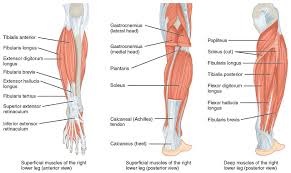
Image Source: michiganspineandpain.com
Fathoming Exercise-Induced Pain
When we talk about pain after exercise, it’s important to differentiate between different types of discomfort. Muscle soreness is a common and expected outcome of physical exertion, especially when you’re trying new exercises or increasing the intensity of your existing routine. This is often referred to as delayed onset muscle soreness (DOMS), and it typically peaks 24 to 72 hours after your workout. DOMS is caused by microscopic tears in the muscle fibers, which trigger an inflammatory response as the body begins its repair process.
However, bone pain is a different sensation. While muscles and bones work together, direct bone pain after exercise is less common than muscle discomfort and can signal different issues. This pain is sometimes referred to as exercise-induced pain when it’s directly related to the activity.
Common Culprits for Bone Pain Post-Workout
Several factors can contribute to bone pain after exercise. It’s often a combination of how we train, our body’s response, and sometimes, a specific injury.
1. Overexertion and Improper Training
Pushing your body too hard, too soon, is a primary cause of many exercise-related pains, including bone discomfort.
- Sudden Increase in Intensity or Duration: If you jump from a sedentary lifestyle to intense workouts, or significantly ramp up the duration or intensity of your current routine, your bones, muscles, and connective tissues may not have enough time to adapt. This can lead to stress on the bone, causing pain.
- Repetitive Stress: Performing the same movements repeatedly without adequate rest can place continuous stress on specific bones. This is particularly common in high-impact activities like running or jumping.
- Inadequate Warm-up and Cool-down: Failing to prepare your body for exercise with a proper warm-up can leave your muscles and joints less flexible and more vulnerable to injury. A cool-down helps your body gradually return to its resting state, aiding in muscle recovery.
- Poor Form or Technique: Incorrect form during exercises can misdirect stress onto certain bones or joints, leading to pain and potential injury. For example, improper squatting technique can put undue pressure on the knees and hips.
2. Stress Fractures
One of the more serious causes of bone pain after exercise is a stress fracture. These are tiny cracks in a bone that develop over time due to repetitive force or overuse.
- What are Stress Fractures? They occur when the bone is subjected to repeated loads, often from activities like running, jumping, or even prolonged walking, especially on hard surfaces. The bone doesn’t get enough time to repair itself between stresses.
- Symptoms: Pain that worsens with activity and improves with rest is a hallmark symptom. Swelling and tenderness over the affected bone are also common. The pain is often described as a deep ache.
- Common Locations: Stress fractures are most common in the weight-bearing bones of the lower leg (tibia and fibula) and the foot. Shin splints, often described as a burning or aching pain along the shinbone, can sometimes be a precursor to a stress fracture if left untreated.
Factors Contributing to Stress Fractures
- Bone Density: Lower bone density (osteopenia or osteoporosis) makes bones more susceptible to fractures.
- Nutritional Deficiencies: Lack of calcium and Vitamin D can weaken bones.
- Improper Footwear: Worn-out or unsupportive shoes can alter biomechanics and increase stress.
- Training Errors: Rapid increases in training volume or intensity, as mentioned earlier.
3. Shin Splints
Shin splints, medically known as medial tibial stress syndrome, are a very common cause of leg pain for runners and athletes.
- What are Shin Splints? This condition causes pain along the inner edge of the shinbone (tibia). It’s typically caused by repetitive stress on the shinbone and the connective tissues that attach muscles to the bone.
- Causes: Overuse, especially in activities that involve a lot of running or jumping, is the primary cause. This can include starting a new running program too aggressively, running on hard surfaces, or having flat feet or high arches that affect biomechanics.
- Pain Characteristics: The pain is usually felt along the front or inside of the lower leg. It often starts during exercise and may ease with rest, but can worsen over time if the activity continues.
4. Tendinitis
While technically inflammation of a tendon, tendinitis can sometimes be perceived as bone pain, especially if the tendon attaches very close to the bone or if inflammation spreads.
- What is Tendinitis? Tendons are tough, fibrous cords that connect muscles to bones. Tendinitis is inflammation or irritation of a tendon.
- Causes: It often develops from overuse, sudden increases in activity, or improper form. Repetitive motions are a common trigger.
- Common Types:
- Achilles Tendinitis: Affects the tendon at the back of the heel.
- Patellar Tendinitis (Jumper’s Knee): Affects the tendon connecting the kneecap to the shinbone.
- Rotator Cuff Tendinitis: Affects the tendons in the shoulder.
- Pain: Pain is typically felt at the site of the tendon and may worsen with movement. It can sometimes feel like a deep ache near the bone.
5. Strains and Sprains
Although strains and sprains are injuries to muscles, ligaments, and tendons, the pain can radiate or be felt near the bone, making it seem like bone pain.
- Strains: These are injuries to muscles or tendons, often caused by overstretching or tearing. They can result from sudden movements, lifting heavy objects, or overexertion.
- Sprains: These are injuries to ligaments, which are tough bands of tissue that connect bones to each other at joints. They are usually caused by a sudden twist or impact that forces a joint out of its normal position.
- Symptoms: Pain, swelling, bruising, and difficulty moving the affected limb are common. The pain can be sharp and localized, or a dull ache.
6. Joint Pain After Exercise
While not strictly bone pain, joint pain after exercise is closely related and often confused with bone pain.
- Arthritis: If you have a pre-existing condition like osteoarthritis or rheumatoid arthritis, exercise can sometimes aggravate it, leading to joint pain.
- Inflammation: Intense workouts can cause temporary inflammation around the joints, which might feel like bone discomfort.
- Overuse of Joints: Repetitive high-impact activities can put stress on joint cartilage, potentially leading to pain.
7. Bone Bruise (Periosteal Contusion)
A bone bruise is an injury to the periosteum, the membrane that covers the outer surface of all bones.
- What it is: The periosteum is rich in nerve endings and blood vessels. A direct blow to a bone or severe repetitive stress can cause bleeding and swelling within this layer.
- Symptoms: Deep, persistent pain that worsens with pressure or weight-bearing. It can feel like a deep ache within the bone.
- Causes: While often caused by direct impact (like a fall), repetitive stress from activities like running can also lead to periosteal irritation or bruising, especially in the shins.
When to Seek Medical Advice
While most post-exercise aches and pains will resolve on their own with rest and proper care, it’s important to know when to consult a healthcare professional.
You should see a doctor if you experience:
- Severe, sharp pain that doesn’t improve with rest.
- Pain that prevents you from bearing weight on the affected limb.
- Swelling, redness, or warmth around the painful area.
- Numbness or tingling.
- Pain that persists for more than a few weeks.
- Any sign of infection (fever, chills).
A doctor can diagnose the cause of your bone pain through a physical examination, medical history, and potentially imaging tests like X-rays or MRIs.
Managing and Preventing Bone Pain
Fortunately, many strategies can help manage and prevent bone pain after exercise. The key is listening to your body and adopting a smart approach to training.
Immediate Management (RICE Principle)
For acute pain or suspected minor injuries, the RICE principle is a good starting point:
- Rest: Avoid activities that aggravate the pain. Give your body time to recover. This is crucial for muscle recovery and bone healing.
- Ice: Apply ice packs to the affected area for 15-20 minutes at a time, several times a day, to reduce inflammation and pain.
- Compression: Use an elastic bandage to compress the area, which can help reduce swelling. Ensure it’s not too tight, as this can restrict blood flow.
- Elevation: Raise the injured limb above the level of your heart to help reduce swelling.
Long-Term Prevention Strategies
- Gradual Progression: Avoid the temptation to do too much too soon. Gradually increase the intensity, duration, and frequency of your workouts. A general rule of thumb is not to increase your training load by more than 10% per week.
- Proper Warm-up and Cool-down: Always start your workouts with a dynamic warm-up (e.g., leg swings, arm circles) and finish with a cool-down and stretching. This prepares your body and aids in muscle recovery.
- Listen to Your Body: Pay attention to pain signals. Discomfort is different from sharp or persistent pain. If something hurts, stop or modify the activity.
- Cross-Training: Incorporate a variety of activities into your fitness routine. This can help reduce the repetitive stress on specific bones and muscles. For example, if you’re a runner, consider adding swimming or cycling to your weekly schedule.
- Strength Training: Strong muscles support your bones and joints, helping to absorb shock and improve stability. Focus on strengthening the muscles around the areas that tend to hurt.
- Proper Footwear: Wear appropriate shoes for your activity. Replace worn-out athletic shoes regularly. Consider getting your gait analyzed by a professional to ensure you have the right support.
- Nutrition: Ensure you’re getting enough calcium and Vitamin D for bone health. A balanced diet is essential for overall muscle recovery and bone strength.
- Adequate Rest and Sleep: Your body repairs itself during rest. Ensure you’re getting enough quality sleep (7-9 hours per night) to facilitate recovery.
- Surface Choice: If you’re running, try to run on softer surfaces like trails or tracks instead of concrete whenever possible.
Addressing Specific Conditions
- For Shin Splints: Focus on calf and shin muscle strengthening, stretching, and ensuring proper footwear. Orthotics might be beneficial if you have biomechanical issues like flat feet.
- For Tendinitis: Rest, ice, and gentle stretching are key. In some cases, physical therapy may be recommended to address underlying causes and improve tendon health.
- For Stress Fractures: Complete rest from the offending activity is crucial, often for several weeks. Medical evaluation is essential to confirm the diagnosis and rule out other bone health issues. Gradual return to activity with modified intensity and duration is important.
Table: Common Bone Pain Scenarios and Solutions
| Scenario | Likely Cause(s) | Recommended Action | Prevention Strategies |
|---|---|---|---|
| Aching in shins after running | Shin splints, muscle fatigue, impact stress | Rest, ice, gentle calf stretches. Consider cross-training. | Gradual increase in running distance/intensity, proper footwear, running on softer surfaces, calf/shin strengthening. |
| Deep ache in foot bones | Stress fracture, overuse of foot structures | Rest, avoid weight-bearing if painful, see a doctor for diagnosis. | Gradual increase in walking/running, supportive footwear, strengthening foot and ankle muscles. |
| Pain around knee after jumping | Patellar tendinitis, stress on kneecap | Rest, ice, quadriceps and hamstring stretches. | Proper landing technique, gradual increase in plyometric exercises, knee strengthening exercises. |
| Dull ache in lower back after lifting | Muscle strain, improper lifting technique | Rest, gentle stretching, heat application. | Proper lifting technique (lift with legs, not back), core strengthening, gradual weight progression. |
| Sharp pain in ankle after twisting | Sprain, ligament damage | RICE principle immediately. Seek medical attention for assessment. | Ankle strengthening and balance exercises, proper footwear, warming up before activity. |
| General bone tenderness after intense training | Overexertion, general body fatigue, potential bone bruise | Rest, adequate nutrition, hydration, focus on recovery. | Gradual progression of training intensity and volume, proper warm-up/cool-down, sufficient rest and sleep. |
Frequently Asked Questions (FAQ)
Q1: Is it normal for my bones to ache after exercise?
A1: While some achiness can occur, especially with new or intense workouts, persistent or sharp bone pain is not usually normal. It often indicates an issue like overexertion, shin splints, tendinitis, or even a stress fracture.
Q2: How long does bone pain after exercise typically last?
A2: If it’s due to mild overexertion or muscle fatigue affecting the area, it might subside within a day or two with rest. However, conditions like stress fractures can cause pain for weeks or months if not managed properly.
Q3: Can I continue exercising if my bones hurt?
A3: Generally, if you experience bone pain, it’s best to rest the affected area and avoid activities that worsen the pain. Continuing to push through bone pain can lead to more severe injuries. Focus on low-impact activities that don’t cause discomfort if you feel the need to stay active.
Q4: What’s the difference between muscle soreness and bone pain?
A4: Muscle soreness (like DOMS) is usually a widespread ache or stiffness in the muscles, often appearing 24-72 hours after exercise. Bone pain is typically more localized, deeper, and sharper. It might feel like a persistent ache directly in or around the bone.
Q5: How can I improve my muscle recovery to prevent bone pain?
A5: Focus on proper nutrition (protein, carbohydrates), adequate hydration, sufficient sleep, and active recovery techniques like gentle stretching or foam rolling. Gradual progression of your workouts is also key.
Conclusion
Experiencing aches and pains after exercise is a common part of the fitness journey. While muscle soreness is to be expected, bone pain warrants a closer look. By understanding the potential causes, from overexertion and shin splints to more serious issues like stress fractures and tendinitis, you can take proactive steps to manage and prevent this discomfort. Prioritizing proper training techniques, listening to your body, and seeking professional advice when needed are crucial for maintaining a healthy and pain-free active lifestyle. Remember, consistent effort with smart recovery is the path to long-term fitness gains.