
Do you experience an uncomfortable itch after working out? Many people do, and the good news is that it’s usually not a sign of a serious problem. This itching is often due to a temporary reaction to the physical changes happening in your body during exercise, such as increased blood flow, sweating, and heat.
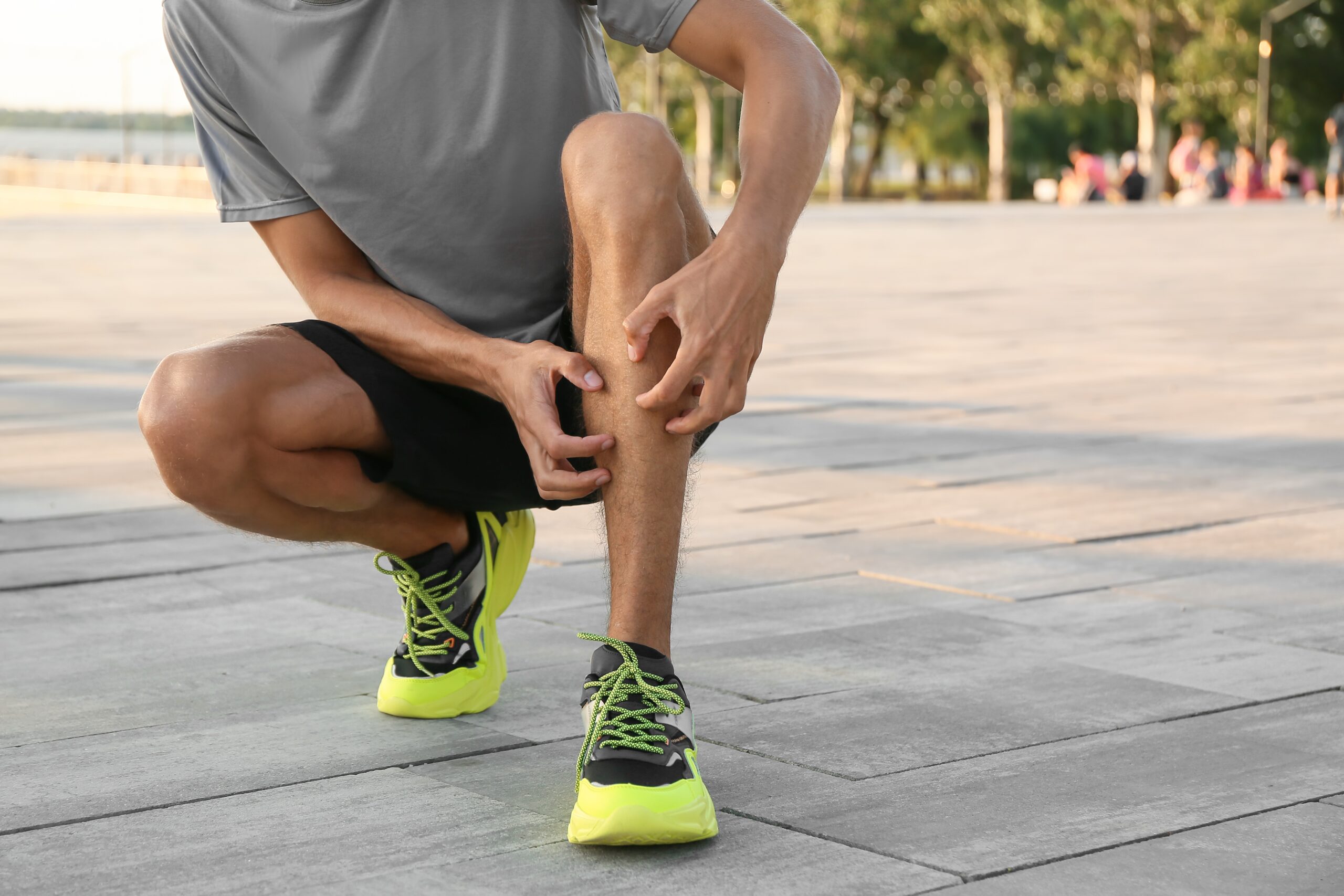
Image Source: healthcareassociates.com
Fathoming the Itchy Skin After Gym: Common Causes
The urge to scratch after a good workout is a surprisingly common experience. Several factors can contribute to this post-exercise discomfort, turning a refreshing sweat session into an itchy ordeal. Let’s dive into why your skin might be rebelling after you push your limits.
Exercise-Induced Urticaria: When Your Body Reacts
Exercise-induced urticaria, also known as cholinergic urticaria, is a specific type of hives that appears during or after physical activity. It’s essentially a hypersensitivity reaction where the body’s mast cells release histamine, a chemical that causes the characteristic itchy welts and redness. This condition can occur in anyone, but it’s more prevalent in individuals with a predisposition to allergies or skin conditions like eczema.
What triggers exercise-induced urticaria?
- Elevated Body Temperature: The most common trigger is the rise in core body temperature during exercise.
- Increased Heart Rate: A faster heart rate can also play a role.
- Sweating: While sweating itself isn’t usually the direct cause, the body’s response to sweating, like the release of acetylcholine, can trigger mast cells.
- Hormonal Changes: Fluctuations in hormones during exertion might also contribute.
- Friction: The rubbing of clothing or skin against itself can exacerbate the reaction.
- Certain Foods: Consuming specific foods before exercise can sometimes worsen the symptoms.
Sweat Allergy: More Than Just a Reaction
While a true sweat allergy is rare, the sensation of allergic reaction to sweat or a sweat allergy is often what people describe when they experience itching. The sweat itself isn’t usually the allergen. Instead, it’s how the body reacts to the sweat and the temperature changes associated with it. The eccrine glands, responsible for producing sweat, release various substances. When these substances, combined with increased body heat and blood flow, interact with the skin’s nerve endings, it can signal the release of histamine.
Heat Rash: The Classic Post-Workout Annoyance
Heat rash, also known as prickly heat or miliaria, is a very common cause of itching after exercise. It occurs when sweat ducts become blocked, trapping sweat beneath the skin. This blockage can lead to inflammation and that familiar itchy, prickly sensation.
Factors contributing to heat rash:
- Hot and Humid Environments: Exercising in warm, sticky conditions increases the likelihood of blocked sweat ducts.
- Tight-Fitting Clothing: Synthetic fabrics that don’t allow skin to breathe can trap moisture and heat.
- Overdressing: Wearing too many layers, even in cooler weather, can also lead to overheating and blocked pores.
- Obesity: Increased body weight can lead to more friction and heat retention in skin folds.
Physical Urticaria: A Broader Category
Physical urticaria is a group of hives that are triggered by physical stimuli rather than allergens like pollen or food. Exercise-induced urticaria is a subtype of physical urticaria. Other forms of physical urticaria include:
- Dermatographism: Hives that appear when the skin is scratched or rubbed.
- Cold Urticaria: Hives that develop after exposure to cold.
- Solar Urticaria: Hives that appear after exposure to sunlight.
- Vibratory Urticaria: Hives that appear in response to vibration.
The underlying mechanism in most forms of physical urticaria involves the release of histamine from mast cells in the skin due to the specific physical stimulus.
Exercise Intolerance: When Exercise Causes More Than Itching
Exercise intolerance is a broader term referring to a reduced ability to perform physical activity. While itching is a symptom, it can sometimes be linked to more systemic issues that affect how your body handles exercise. This can include cardiovascular problems, respiratory issues, or metabolic disorders. If your itching is accompanied by other symptoms like shortness of breath, dizziness, or chest pain, it’s crucial to consult a doctor.
Cholinergic Urticaria: The Specific Mechanism
As mentioned, cholinergic urticaria is a key player in post-exercise itching. This condition is specifically triggered by an increase in core body temperature. When your body heats up, nerve endings release acetylcholine, a neurotransmitter. In people with cholinergic urticaria, the body’s mast cells are hypersensitive to acetylcholine, leading to the release of histamine and the subsequent itching and hives.
Key characteristics of cholinergic urticaria:
- Small Hives: The hives are typically small (1-3 mm) and surrounded by larger areas of redness.
- Intense Itching: The itching is usually intense and may feel like a burning sensation.
- Rapid Onset: Symptoms usually appear within minutes of exercise or exposure to heat.
- Short Duration: The hives and itching typically resolve within an hour after stopping the activity.
- Triggers: Anything that raises core body temperature, including exercise, hot showers, emotional stress, and spicy foods, can provoke it.
Skin Irritation Post-Exercise: General Factors
Beyond specific urticarial reactions, general skin irritation post-exercise can arise from a variety of factors:
- Friction: As mentioned earlier, friction from clothing, skin-on-skin contact, or equipment can cause chafing and irritation.
- Dry Skin: Exercising when your skin is already dry can make it more susceptible to irritation.
- Harsh Soaps or Detergents: Using strong soaps or laundry detergents can strip the skin of its natural oils, making it prone to itching.
- Sweat Composition: The salt and other components in your sweat can sometimes be irritating, especially if it evaporates slowly on the skin.
- Sun Exposure: If you exercise outdoors, sun exposure can contribute to skin irritation and inflammation.
- New Skincare Products: Using a new lotion, sunscreen, or workout-related cream can sometimes cause an unexpected reaction.
Deciphering the Post-Workout Rash: When and How It Appears
A post-workout rash can manifest in various ways, from small, itchy bumps to larger, red patches. The appearance often depends on the underlying cause.
Common Manifestations of Post-Exercise Rashes:
- Cholinergic Urticaria: Small, pinpoint-sized hives (wheals) that are intensely itchy and often surrounded by a red flare. They are typically scattered over the trunk, neck, and arms.
- Heat Rash (Miliaria): Tiny red bumps or clear blisters, often in areas where sweat collects, like the neck, chest, groin, and under the breasts or arms. It can feel prickly and itchy.
- Friction Dermatitis: Red, raw, or slightly swollen patches of skin where friction has occurred, often along seams of clothing or where skin rubs against skin.
- Contact Dermatitis: Red, itchy patches that can blister or weep. This might be due to an allergic reaction to something that touched your skin during your workout, like a new detergent in your gym clothes or a lotion.
Diagnosing the Cause: What Your Doctor Will Look For
If you frequently experience itching or rashes after exercise, it’s wise to consult a healthcare professional, preferably a dermatologist or an allergist. They can help pinpoint the exact cause and recommend the best course of action.
The Diagnostic Process:
- Medical History: Your doctor will ask detailed questions about your symptoms, including when they started, what triggers them, how long they last, and any other associated symptoms. They will also inquire about your exercise routine, diet, and any medications or supplements you take.
- Physical Examination: The doctor will visually inspect your skin for any rashes, hives, or signs of irritation.
- Exercise Challenge Test: In some cases, a doctor might perform an exercise challenge test in a controlled environment. You’ll be asked to exercise lightly on a treadmill or stationary bike, and your skin will be monitored for reactions. This helps to reproduce the symptoms under observation.
- Skin Biopsy: Rarely, if the cause is unclear, a small sample of skin might be taken for microscopic examination.
- Blood Tests: Blood tests can be used to rule out other underlying conditions or to check for specific markers of inflammation or allergic reactions.
Managing and Preventing Post-Exercise Itching
While some conditions like exercise-induced urticaria may not be entirely preventable, there are many strategies you can employ to manage and reduce the frequency and severity of skin irritation post-exercise.
Strategies for Managing Itchy Skin After Gym:
Pre-Exercise Preparations:
- Warm-Up Gradually: Start your workout with a slower, less intense warm-up. This allows your body to adjust to the increased demands more gradually, potentially reducing the shock that can trigger reactions.
- Hydration: Ensure you are well-hydrated before, during, and after exercise. Dehydration can exacerbate skin dryness and irritation.
- Avoid Trigger Foods: If you suspect certain foods worsen your symptoms, try to avoid them for a few hours before your workout. Common culprits can include nuts, shellfish, and certain fruits.
- Antihistamines: For those with diagnosed cholinergic urticaria or exercise-induced urticaria, your doctor might recommend taking an over-the-counter or prescription antihistamine about an hour before exercising. Non-drowsy antihistamines are usually preferred.
- Consider Exercise Timing: If possible, try exercising during cooler parts of the day to minimize heat buildup.
During Exercise:
- Wear Breathable Clothing: Opt for lightweight, loose-fitting clothing made from moisture-wicking fabrics like merino wool or technical synthetics. Cotton can hold moisture and increase friction and heat.
- Stay Cool: Use a fan if exercising indoors, take breaks in cooler areas, and consider using a cool towel.
- Adjust Intensity: If you feel symptoms starting, slightly reduce the intensity of your workout. Listen to your body.
- Avoid Overdressing: Dress in layers so you can easily remove clothing if you start to overheat.
Post-Exercise Care:
- Cool Down Slowly: Allow your body to cool down gradually after your workout.
- Shower Promptly: Wash off sweat soon after exercising with lukewarm water and a gentle, unscented cleanser. Avoid very hot water, which can further irritate the skin.
- Pat Dry: Gently pat your skin dry with a soft towel rather than rubbing vigorously.
- Moisturize: Apply a soothing, fragrance-free moisturizer to your skin after showering to help lock in moisture and reduce dryness. Look for ingredients like ceramides, hyaluronic acid, or colloidal oatmeal.
- Cool Compresses: Applying cool compresses to itchy areas can provide temporary relief.
- Loose Clothing: Wear loose, soft clothing after your workout to prevent further irritation.
Medical Treatments for Persistent Symptoms:
- Antihistamines: As mentioned, oral antihistamines are the primary treatment for urticarial reactions. They work by blocking the effects of histamine.
- Topical Corticosteroids: For localized rashes and inflammation, a doctor might prescribe a mild topical corticosteroid cream. However, these are generally not recommended for widespread itching or for long-term use without medical supervision.
- Phototherapy (UVB): In some severe cases of cholinergic urticaria, controlled exposure to ultraviolet B (UVB) light can help desensitize the skin to the triggers. This is typically done under the guidance of a dermatologist.
- Medications to Suppress the Immune System: In very rare and severe cases where other treatments fail, a doctor might consider medications that suppress the immune system.
When to Seek Professional Help
While occasional post-exercise itching might be manageable with home remedies, it’s important to consult a doctor if:
- Symptoms are severe or debilitating.
- The itching interferes significantly with your daily life or ability to exercise.
- You develop widespread hives or welts.
- You experience other symptoms like difficulty breathing, swelling of the face or throat, dizziness, or a drop in blood pressure. These could be signs of anaphylaxis, a severe allergic reaction.
- The rash doesn’t improve with home treatment within a week or two.
- You have a known history of severe allergies.
Specific Scenarios and Their Management
Let’s look at how to handle different types of post-exercise itching.
Managing Heat Rash
If you’re prone to heat rash, focus on keeping your skin cool and dry.
- Choose breathable fabrics: Always wear loose-fitting, moisture-wicking clothing.
- Avoid heavy creams: Don’t apply heavy ointments or creams that can block pores. Talcum powder or cornstarch-based powders can help absorb moisture in areas prone to sweat accumulation, but use them sparingly.
- Keep the area cool: After exercise, take a cool shower and let the skin air dry as much as possible.
- Stay hydrated: Drinking plenty of water helps regulate body temperature.
Dealing with Exercise-Induced Urticaria
For individuals diagnosed with exercise-induced urticaria, the strategy involves managing the body’s reaction to temperature changes.
- Pre-medication: Taking an antihistamine before exercise can significantly reduce or prevent symptoms. Discuss the best option with your doctor.
- Gradual Exposure: Some people find that gradually increasing the intensity and duration of their workouts can help their bodies adapt over time.
- Cooling During Exercise: Taking breaks to cool down, using a spray bottle of water, or having a cold drink can help manage core body temperature.
- Trigger Identification: Pay attention to whether other factors, like specific foods or stress, seem to worsen your cholinergic urticaria.
Preventing Friction-Related Irritation
If friction is the culprit behind your skin irritation post-exercise, focus on reducing rubbing.
- Seamless or Flat-Seam Clothing: Invest in workout gear with flat seams or choose seamless options to minimize rubbing.
- Lubricants or Barrier Creams: Apply anti-chafing balms or creams to areas prone to friction, such as inner thighs, underarms, or around the nipples, before exercising.
- Body Glide or Vaseline: These products create a smooth barrier on the skin.
- Proper Fit: Ensure your workout clothes and sports bras fit well – not too tight to cause excessive rubbing, but snug enough to prevent excessive movement.
The Psychological Aspect of Itching
Living with chronic itching, whether it’s a post-workout rash or another form, can be distressing. The constant urge to scratch can impact mood, sleep, and overall quality of life. It’s important to acknowledge this and seek support if the itching is causing significant psychological stress. Relaxation techniques, mindfulness, and ensuring you’re getting adequate rest can all play a role in managing the impact of chronic itch.
Frequently Asked Questions (FAQ)
Q1: Is itching after exercise dangerous?
A1: Mild itching or a temporary post-workout rash is usually not dangerous. However, if you experience severe itching, widespread hives, difficulty breathing, dizziness, or swelling, seek immediate medical attention as this could indicate a serious allergic reaction.
Q2: Can I still exercise if I get itchy after working out?
A2: Yes, in most cases. By implementing preventive strategies like gradual warm-ups, wearing appropriate clothing, staying hydrated, and potentially using antihistamines (as prescribed by your doctor), you can often continue to exercise comfortably. It’s crucial to listen to your body and consult a healthcare professional if symptoms are severe or persistent.
Q3: What is the difference between heat rash and exercise-induced urticaria?
A3: Heat rash is caused by blocked sweat ducts, leading to small, prickly bumps. Exercise-induced urticaria, on the other hand, is a reaction to your body’s internal response to exercise (like rising core temperature), causing itchy welts or hives due to histamine release. They can sometimes look similar, but the underlying mechanisms differ.
Q4: How can I stop itching immediately after a workout?
A4: For immediate relief, try a cool shower, applying a cool compress to the itchy areas, or using a soothing, fragrance-free moisturizer. If you have a diagnosed condition like cholinergic urticaria, taking your prescribed antihistamine before exercise is the most effective way to prevent the itch.
Q5: Are certain exercises more likely to cause itching?
A5: Generally, exercises that significantly increase your core body temperature and cause you to sweat more are more likely to trigger itching, especially if you have a condition like cholinergic urticaria. High-intensity interval training (HIIT), endurance running, and spinning are common culprits.
Q6: What is the role of sweat in post-exercise itching?
A6: While sometimes referred to as a sweat allergy, it’s rarely the sweat itself that is the allergen. Instead, it’s your body’s reaction to the physiological changes that occur with sweating – namely, the increase in body temperature and the release of substances like acetylcholine by nerve endings – that often leads to itching.
By understanding the various reasons behind itchy skin after gym sessions and implementing the right strategies, you can enjoy the benefits of exercise without the discomfort of an annoying itch. If you’re concerned about your symptoms, always consult with a healthcare provider for personalized advice.