
Good attitudes about fitness are key because they shape how we act. They decide if we move our bodies, how often we do it, and how much joy we get from it. A positive outlook helps us stay active, feel better about ourselves, and even keep sickness away. It is not just about strong muscles; it is about a strong mind too. Our thoughts about exercise truly lead to a better, healthier life.
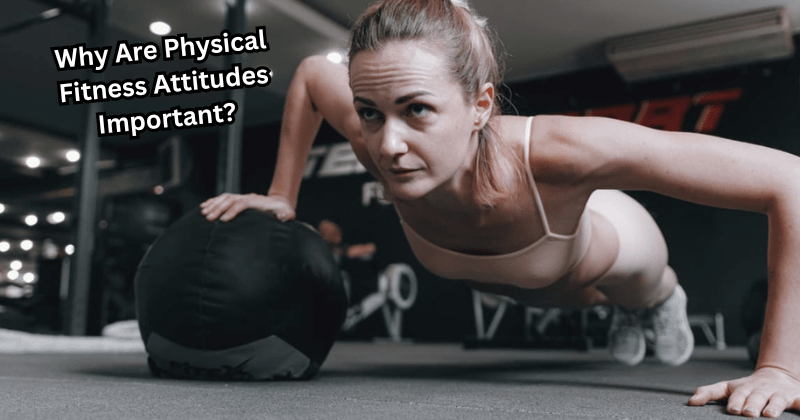
Image Source: riptoned.com
The Power of Positive Attitudes in Fitness
Your attitude is like a compass for your health. It points you toward good choices or bad ones. When you think good thoughts about physical activity, you are more likely to do it. You see exercise as a way to feel good, not a chore. This simple shift in thinking can change your whole life. It can make you healthier and happier.
Shaping Your Fitness Journey
Attitudes are deep beliefs. They are not just quick thoughts. They are how you feel about something over time. If you believe exercise is hard and never fun, you will not do it. But if you think it is a way to feel strong and clear your head, you will find time for it. This is the heart of motivation for physical activity. Your inner feelings push you to act.
Think about it this way:
* Negative attitude: “Exercise is a waste of time. I am too tired.” Result: No exercise.
* Positive attitude: “Exercise helps me clear my head. I will feel better after a quick walk.” Result: A walk is taken.
These small choices add up. Over time, they build a healthy life or a less healthy one.
The Psychological Impact of Fitness Attitudes
Your mind and body are linked. What you think greatly affects how your body feels and acts. This is the psychological impact of fitness attitudes. When you have a good outlook on fitness, your mind supports your body. You feel more in control. You feel stronger, not just physically, but mentally.
Good attitudes can:
* Make you feel happy.
* Help you handle stress.
* Boost your mood.
When you finish a workout, even a small one, you often feel good. This good feeling reinforces your positive attitude. It creates a good loop. You think positive, you act, you feel good, you think more positive.
Exercise Adherence and Mindset: Staying on Track
Sticking to an exercise plan can be hard. Life gets busy. You might feel tired. This is where your exercise adherence and mindset come in. Adherence means sticking with something. Your mindset is how you think about it. If your mindset is strong, you are more likely to keep going, even when it is tough.
Building a Habit Through Belief
A strong mindset sees exercise as a must-do, like eating or sleeping. It is not an option. This belief helps you stick to your routine. It helps you overcome excuses. This is vital for long-term health. If you exercise once and then stop, you get no lasting benefit. Regular activity brings true health gains.
Here is how mindset helps with sticking to it:
* Seeing value: You truly believe exercise makes you better.
* Problem-solving: You find ways to fit it in, even on busy days.
* Resilience: You get back on track quickly after missing a day.
Health Behavior Beliefs Importance: What You Believe, You Do
Your beliefs about health matter a lot. This is the core of health behavior beliefs importance. If you believe that eating well and moving your body are truly good for you, you will do them. If you think they are just fads or not for you, you will not. These beliefs guide all your health actions.
Core Beliefs That Drive Action
What are these beliefs? They are thoughts like:
* “My health is important to me.”
* “I can make changes to be healthier.”
* “Exercise helps me live longer and feel better.”
When these beliefs are strong, they become the foundation for healthy choices. They make you choose water over soda. They make you choose a walk over TV. They make you choose fresh food over fast food.
Consider the contrast:
| Belief Type | How It Affects Action | Outcome |
|---|---|---|
| Empowering | “I can improve my fitness level.” | Tries new workouts, feels capable. |
| Limiting | “I am not the sporty type. I cannot do it.” | Avoids exercise, feels stuck. |
| Value-based | “Exercise is a key part of my well-being.” | Prioritizes activity, enjoys the process. |
| Detrimental | “Exercise is only for thin people.” | Does not engage, misses health benefits. |
Your beliefs are powerful. They are like quiet voices in your head. They tell you what you can and cannot do. Make sure these voices are telling you positive things about your health.
Motivation for Physical Activity: Finding Your Why
Everyone needs a reason to move. This is your motivation for physical activity. Attitudes play a huge role in finding and keeping this motivation. If your attitude is “I hate exercise,” your motivation will be low. If your attitude is “Exercise makes me feel amazing,” your motivation will be high.
Inner and Outer Drives
Motivation can come from inside or outside.
* Inner motivation: You exercise because it feels good. You enjoy the challenge. You like feeling strong. This is very powerful and lasts long.
* Outer motivation: You exercise to lose weight for an event. You do it because your doctor told you to. This can start you off, but it might not last.
A positive attitude helps you find inner motivation. It helps you see the joy in movement. It helps you find your own reasons to keep going. When you truly enjoy it, exercise does not feel like a chore. It feels like a gift you give yourself.
Self-Perception in Fitness: How You See Yourself
How you see yourself, your self-perception in fitness, greatly affects your fitness journey. If you see yourself as a fit person, you will act like one. You will make choices that fit that image. If you see yourself as unfit or unable, you will not. This is a very strong link.
Building a Positive Self-Image
A good attitude can change your self-perception. Even if you are just starting, tell yourself: “I am becoming stronger. I am an active person.” This positive self-talk is powerful. It builds belief. It helps you feel good about your efforts.
Think of it:
* Someone with a poor self-perception might say, “I am too clumsy to run.” They never try.
* Someone with a good self-perception might say, “I am new to running, but I will get better.” They try and improve.
Every small success in fitness builds your self-perception. It shows you what you can do. It makes you believe in yourself more. This is key for sustained activity.
Well-being and Exercise Outlook: The Big Picture
Your well-being and exercise outlook ties everything together. Well-being is about feeling good in all parts of your life: mind, body, and spirit. Your outlook on exercise impacts all these areas. A positive outlook boosts your overall well-being.
A Holistic View of Health
Exercise is not just about burning calories. It impacts:
* Mental health: Less stress, better mood.
* Emotional health: Feeling capable, happy.
* Social health: Exercising with friends, joining groups.
* Physical health: Stronger body, less sickness.
When your attitude toward exercise is good, you open yourself up to all these benefits. You see exercise as a tool for a richer, fuller life, not just a way to change your body shape. This big-picture view keeps you engaged and moving.
Chronic Disease Prevention Attitudes: Guarding Your Health
Many long-term illnesses, like heart disease, diabetes, and some cancers, can be prevented. Your chronic disease prevention attitudes are key here. If you believe that being active can help you stay healthy as you age, you will be more likely to exercise. This proactive attitude saves you from future pain and health costs.
Investing in Your Future Self
Thinking about prevention means thinking long-term. It means seeing exercise as an investment. You are investing in a healthier, more active future. This attitude moves you from “I will exercise if I have time” to “I must make time for exercise to protect my future.”
Look at the benefits:
* Strong heart: Less risk of heart attacks.
* Stable blood sugar: Less risk of diabetes.
* Healthy weight: Less strain on your body.
* Strong bones: Less risk of breaks as you get older.
A positive attitude makes you want to protect your health. It makes you see yourself as someone who will be strong and active for many years to come. This is a powerful driver for consistent activity.
Body Image and Physical Activity: Feeling Good in Your Skin
How you feel about your body, your body image and physical activity, are deeply linked. For many, exercise is about changing how they look. But a healthier attitude focuses on how exercise makes your body feel and what it can do.
Beyond Appearance: The Power of Movement
When you exercise with a good attitude, you focus less on being “perfect.” Instead, you focus on:
* Strength: “My body can lift that.”
* Energy: “I have more energy for my day.”
* Function: “I can easily climb stairs.”
This shift is freeing. It helps you see your body not just as something to be looked at, but as a wonderful tool for living. Physical activity can make you feel more comfortable in your skin. It can boost your confidence, no matter your size or shape. It helps you respect your body for what it does, not just how it appears.
Lifestyle Choices Influence: Daily Decisions for Health
Every day, you make many small choices. These choices shape your life. Your fitness attitudes heavily influence your lifestyle choices. If you have a positive attitude, you are more likely to make choices that support an active life.
From Attitude to Action
Consider these everyday examples:
* Taking the stairs: A positive attitude sees this as a chance to move.
* Parking further away: A positive attitude sees this as extra steps.
* Playing with kids: A positive attitude sees this as active fun.
* Choosing healthy snacks: A positive attitude sees this as fuel for your body.
These small, positive choices add up. They create an active lifestyle without you even trying too hard. Your attitude guides you to naturally pick the healthier path. It makes healthy living feel easy and natural, not like a constant battle.
Mental Health Benefits of Exercise Mindset: A Clearer Head
The link between movement and mind is strong. A good mental health benefits of exercise mindset means you see exercise as a key tool for your mind. You know it helps you feel better, think clearer, and manage your mood. This mindset makes you use exercise as your own personal stress reliever and mood booster.
Exercise as Medicine for the Mind
Regular physical activity is proven to help with:
* Stress: It lowers stress hormones.
* Anxiety: It calms the nervous system.
* Depression: It releases feel-good chemicals.
* Sleep: It helps you sleep better.
* Focus: It improves concentration.
When you adopt a mindset that says, “Exercise is good for my brain,” you are more likely to seek out activity, especially on tough days. You do not just move for your body; you move for your mental peace. This attitude can be a lifeline, helping you navigate life’s challenges with more strength and calm.
Cultivating Positive Fitness Attitudes: Your Action Plan
So, how do you build these powerful positive attitudes? It takes effort, but it is worth it.
Start Small and Build Up
Do not try to do too much at once. Big changes can feel scary.
* Walk for 10 minutes a day.
* Try a few simple stretches.
* Do a short dance to your favorite song.
Small wins build confidence. Each win makes you feel capable. This feeds your positive attitude.
Focus on How You Feel, Not How You Look
Shift your focus. Instead of checking the mirror, check in with your body.
* “Do I feel more energized after this walk?”
* “Does my back feel better after stretching?”
* “Am I sleeping more soundly?”
These internal feelings are powerful motivators. They are lasting and real.
Find Joy in Movement
Do what you like! Exercise does not have to be boring.
* Try dancing.
* Go hiking.
* Ride a bike.
* Play a sport.
When you enjoy the activity, it feels fun, not like work. Joy is a great way to build a good attitude.
Be Kind to Yourself
Everyone has off days. Do not beat yourself up if you miss a workout.
* Forgive yourself.
* Start fresh tomorrow.
Negative self-talk hurts your attitude. Positive self-talk builds it up. Treat yourself like a good friend.
Find a Support System
It helps to have others around you.
* Exercise with a friend.
* Join a local fitness group.
* Share your goals with family.
Support makes it easier to stay motivated. It makes fitness a shared journey, not a lonely one.
Learn and Grow
Read about fitness. Learn new ways to move. Try new things.
* Explore different types of exercise.
* Find out how exercise helps your body.
The more you know, the more you appreciate the power of physical activity. This knowledge strengthens your positive outlook.
Set Realistic Goals
Big, impossible goals can kill motivation.
* Set small, clear goals.
* Make them things you can reach.
* Celebrate each small win.
This helps you feel successful often. Success builds a positive attitude.
The Future Outlook: Sustaining Good Habits
Your fitness journey is a marathon, not a sprint. Positive attitudes help you keep going for life. They help you adapt as your body changes. They help you find new ways to stay active as you age.
Fitness for Every Age
Good attitudes mean:
* You will find ways to move at 20, 40, 60, and beyond.
* You will prioritize movement even when life gets busy.
* You will see physical activity as a part of who you are, not just something you do.
This long-term view is the true mark of strong fitness attitudes. It ensures a life filled with movement, health, and well-being. It means you can enjoy life more fully for many years. It means you can be there for loved ones. It means you can keep exploring the world.
Frequently Asked Questions (FAQ)
Why is a positive attitude important for starting an exercise routine?
A positive attitude helps you begin. It makes the idea of exercise less scary. It makes you see exercise as something good for you, not a burden. This boosts your motivation for physical activity. You are more likely to take the first step.
Can my fitness attitude really affect my mental health?
Yes, very much so. A good mental health benefits of exercise mindset makes you use exercise as a tool for your mind. It can lessen stress, improve mood, and make you feel happier. Your attitude tells your mind that exercise is good for it.
How do my beliefs about health impact my daily choices?
Your health behavior beliefs importance is huge. If you believe exercise is vital, you will choose to walk more. You will choose healthy food. Your beliefs guide your daily lifestyle choices influence. They make you pick healthy options naturally.
I have a negative body image. Can exercise help?
Yes. Exercise, with the right attitude, can help. Focus on what your body can do, not just how it looks. This shift in body image and physical activity helps you appreciate your strength and energy. It builds confidence and self-respect from within.
What if I lose my motivation for physical activity?
It happens to everyone. A good exercise adherence and mindset helps you get back on track. Do not give up. Think back to your “why.” Remember how good you feel after moving. Start with something small. Reconnect with the joy of movement.
How do fitness attitudes help prevent chronic diseases?
Positive chronic disease prevention attitudes make you proactive. You see exercise as an investment in your future health. You believe it can keep you well. This belief makes you exercise regularly. Regular exercise truly lowers your risk for many long-term illnesses.
What is the most important thing to remember about fitness attitudes?
The most important thing is that your attitude shapes your reality. A positive attitude about fitness makes exercise enjoyable and sustainable. It leads to better well-being and exercise outlook. It helps you live a healthier, happier, and longer life. Your mind is your greatest tool for health.