
Can you use weight machines in the gym safely? Yes, absolutely! By following a few key guidelines, anyone can safely and effectively use gym equipment to achieve their fitness goals. This guide will walk you through everything you need to know about using weight machines for your workouts, from picking the right machine to executing each movement with precision.
Using weight machines is a fantastic way to build strength, increase muscle mass, and improve overall fitness. They offer a controlled environment for your exercises, making them a great choice for beginners and experienced lifters alike. Let’s dive into how to get the most out of your gym time while staying safe.
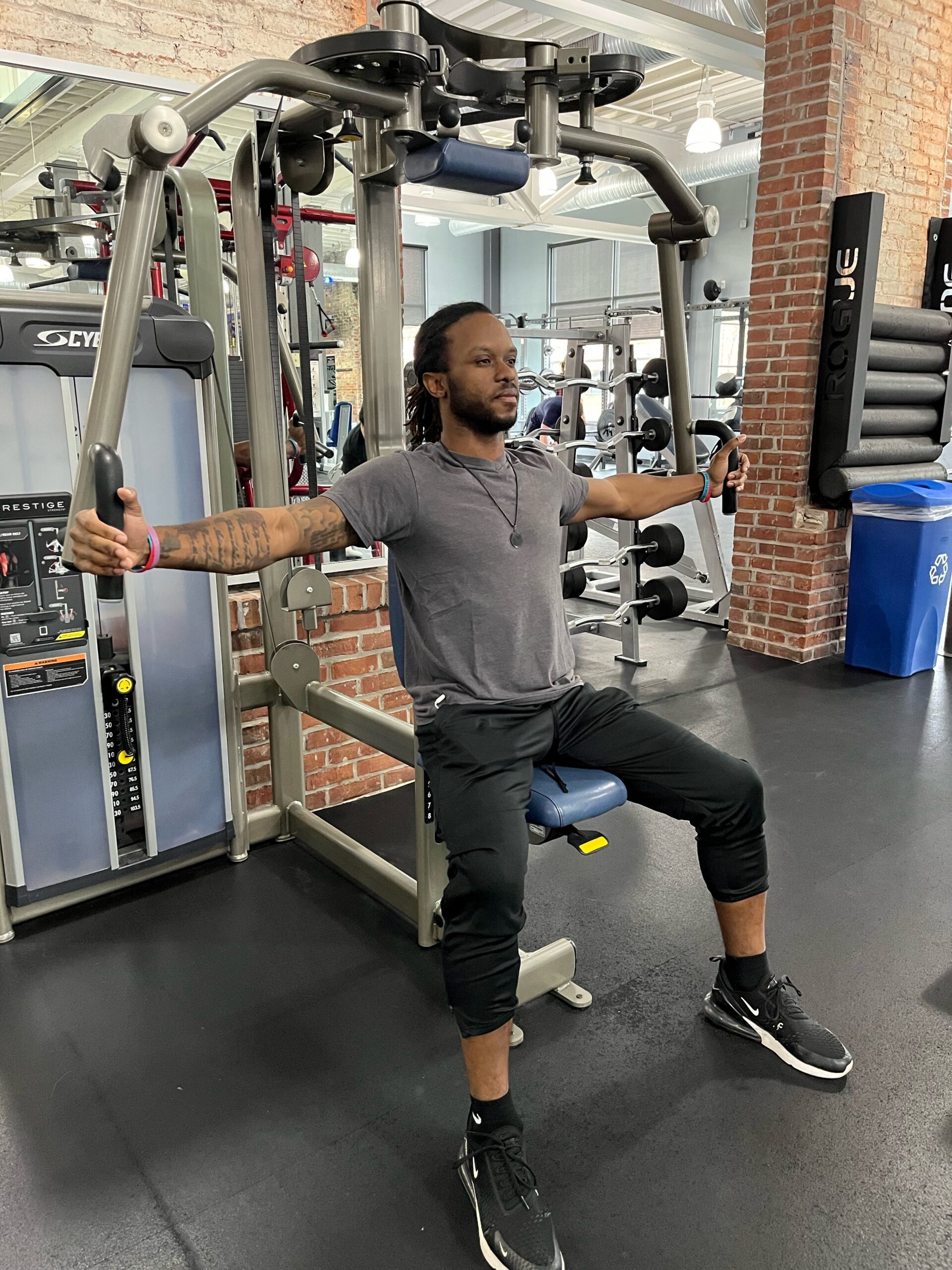
Image Source: merrittclubs.com
Getting Started: Pre-Workout Preparation
Before you even touch a piece of gym equipment, a little preparation goes a long way. This ensures you’re ready to tackle your weight training session effectively and minimize any risks.
Warming Up Your Body
A proper warm-up prepares your muscles and joints for the demands of strength training. It increases blood flow, raises your body temperature, and improves your range of motion. This makes your workout routines more productive and reduces the chance of injury.
- Light Cardio: Start with 5-10 minutes of low-intensity cardio. This could be walking on a treadmill, cycling at a gentle pace, or using an elliptical machine.
- Dynamic Stretching: Instead of static stretches, focus on movements that take your joints through their full range of motion. Examples include arm circles, leg swings, torso twists, and hip circles. These activate your muscles and nervous system.
Choosing the Right Machine for You
The gym is filled with various exercise machines, each targeting different muscle groups. It’s crucial to select machines that align with your fitness goals and current abilities.
- Target Muscle Groups: Identify which muscles you want to work. For example, if you want to train your chest, a chest press machine is a good choice. For your legs, a leg press or leg extension machine would be suitable.
- Beginner-Friendly Options: Machines with clear instructions and controlled movements are ideal for those new to weight training. Examples include seated leg curl, lat pulldown, and chest press machines.
- Ask for Help: Don’t hesitate to ask a gym staff member or a qualified trainer for guidance. They can show you how to use specific fitness equipment and suggest appropriate machines for your level.
Mastering the Basics of Machine Usage
Once you’ve selected your machine, it’s time to learn how to use it correctly. This involves proper setup, comfortable positioning, and accurate execution of the movement.
Adjusting the Machine for Your Body
Most weight machines are adjustable to accommodate different body sizes and lengths. Correctly adjusting the seat, backrest, and handles is vital for comfort, safety, and targeting the intended muscles.
- Seat Height: Adjust the seat so that your knees are bent at roughly a 90-degree angle when your feet are flat on the floor or the footplates. For machines like the leg press, ensure your knees don’t go too far past your hips at the bottom of the movement.
- Backrest Position: The backrest should support your back without being too far away or too close. For exercises like the chest press or shoulder press, your back should be pressed firmly against the pad.
- Handle/Grip Placement: Adjust handles so that you can reach them with a slight bend in your elbows at the start of the movement. This prevents hyperextension and ensures a comfortable range of motion. For pulling exercises like the lat pulldown, a wider grip targets your back muscles more effectively.
Selecting the Appropriate Weight
Choosing the right weight is a balancing act. You want a weight that challenges you enough to stimulate muscle growth and strength gains, but not so much that it compromises your proper form.
- Start Light: Always begin with a lighter weight than you think you can lift. This allows you to focus on technique and get a feel for the movement.
- Repetition Range: For muscle building and strength, aiming for 8-12 repetitions per set is generally recommended. If you can easily do more than 12 reps with good form, the weight is likely too light. If you can’t complete at least 8 reps with good form, the weight is too heavy.
- Progressive Overload: As you get stronger, you’ll need to gradually increase the weight, reps, or sets to continue making progress. This is known as progressive overload and is a cornerstone of effective weight training.
Performing the Movement with Proper Form
Proper form is paramount when using weight machines. It ensures you’re effectively working the target muscles and, most importantly, preventing injuries.
- Controlled Movements: Perform each repetition in a slow and controlled manner. Avoid jerky movements or using momentum to lift the weight.
- Full Range of Motion: Aim to move the weight through its entire natural range of motion for the exercise, as long as it doesn’t cause pain or discomfort. This maximizes muscle engagement.
- Breathing Technique: Exhale during the exertion phase (when you’re lifting or pushing the weight) and inhale during the easier phase (when you’re lowering the weight). Proper breathing helps stabilize your core and can improve performance.
- Keep Your Core Engaged: Throughout the exercise, keep your abdominal muscles tight. This supports your spine and helps maintain good posture.
Common Weight Machines and How to Use Them Safely
Let’s explore some common exercise machines and their specific safety considerations for effective machine workouts.
Leg Press Machine
The leg press is excellent for building lower body strength, targeting the quadriceps, hamstrings, and glutes.
Safe Usage:
- Adjust Seat and Backrest: Ensure your back is firmly against the backrest. Your knees should be at about a 90-degree angle when the platform is closest to you.
- Foot Placement: Place your feet shoulder-width apart on the platform. Pushing through your heels can help engage your glutes and hamstrings more.
- Range of Motion: Lower the weight until your knees are close to your chest, but don’t let your lower back round off the seat. Push the weight back up, straightening your legs but avoid locking your knees at the top.
- Weight Selection: Start with a weight you can control for 8-12 repetitions. If you feel any strain in your lower back, the weight is too heavy or your form is off.
Chest Press Machine
This machine is designed to work your chest muscles (pectorals), as well as your shoulders and triceps.
Safe Usage:
- Adjust Seat Height: Set the seat so that the handles are roughly in line with the middle of your chest when your feet are flat on the floor.
- Back Position: Keep your back pressed firmly against the backrest and your feet planted on the floor.
- Grip: Grip the handles with your palms facing forward.
- Movement: Push the handles away from your chest in a controlled motion, extending your arms but not locking your elbows. Slowly return the handles to the starting position, feeling a stretch in your chest.
- Weight: Choose a weight that allows you to complete 8-12 repetitions with good control. Avoid leaning back to use momentum.
Lat Pulldown Machine
The lat pulldown is a fantastic exercise for targeting the latissimus dorsi (lats) in your back, as well as your biceps.
Safe Usage:
- Knee Pad Adjustment: Adjust the knee pads so they secure your thighs comfortably, preventing your body from lifting off the seat during the pull.
- Grip: Use a wide or medium grip with an overhand (pronated) grip.
- Posture: Sit tall with your chest up and shoulders down.
- Movement: Pull the bar down towards your upper chest, squeezing your shoulder blades together at the bottom. Control the weight as you let it slowly return to the starting position. Avoid leaning back too far.
- Weight: Select a weight that allows you to perform 8-12 reps with good form. If you find yourself using excessive body swing, the weight is too heavy.
Bicep Curl Machine
This machine isolates the biceps muscles in your upper arms.
Safe Usage:
- Seat and Armrest Adjustment: Adjust the seat height so that your elbows are aligned with the pivot point of the machine’s arms. Your upper arms should be resting comfortably on the armrests.
- Grip: Grip the handles with your palms facing up.
- Movement: Curl the weight up towards your shoulders, keeping your upper arms stationary and squeezing your biceps. Slowly lower the weight back to the starting position. Avoid swinging your body.
- Weight: Choose a weight that challenges you for 8-12 reps without compromising form.
Triceps Extension Machine
This machine targets the triceps muscles on the back of your upper arms.
Safe Usage:
- Seat and Armrest Adjustment: Adjust the seat so that your elbows are aligned with the pivot point. Your upper arms should be resting on the armrests.
- Grip: Grip the handles with your palms facing down or a neutral grip.
- Movement: Extend your forearms down until your arms are straight, squeezing your triceps. Slowly return the weight to the starting position, feeling a stretch in your triceps.
- Weight: Select a weight that allows for 8-12 controlled repetitions.
Shoulder Press Machine
This machine works your deltoids (shoulder muscles) and triceps.
Safe Usage:
- Seat Adjustment: Adjust the seat height so that the handles are at about shoulder level when your feet are flat on the floor.
- Back Support: Sit with your back pressed firmly against the backrest.
- Grip: Grip the handles with your palms facing forward or slightly inward.
- Movement: Press the handles upwards until your arms are almost fully extended, but avoid locking your elbows. Slowly lower the weight back to the starting position.
- Weight: Aim for 8-12 repetitions with controlled movements.
Safety Precautions for All Weight Machines
Beyond the specifics of each machine, several universal safety rules apply to all fitness equipment in the gym. Adhering to these will significantly reduce your risk of injury while lifting weights.
Listen to Your Body
This is perhaps the most crucial rule. Pain is your body’s signal that something is wrong.
- Discomfort vs. Pain: There’s a difference between the mild discomfort of working muscles and sharp, shooting, or joint pain. If you experience the latter, stop the exercise immediately.
- Fatigue: As muscles fatigue, proper form can deteriorate. If you feel your form breaking down, it’s time to rest or end your set.
Avoid Overexertion
Pushing yourself too hard, too soon, can lead to injury and burnout.
- Gradual Progression: Follow the principle of progressive overload. Increase weight, reps, or sets gradually over time, not all at once.
- Rest and Recovery: Allow adequate rest between sets (typically 60-90 seconds for muscle building and strength training) and between workout sessions. Your muscles need time to repair and grow.
Maintain Good Posture and Form
We’ve touched on this, but it bears repeating. Proper form is the foundation of safe and effective weight training.
- Focus on Control: Every repetition should be deliberate and controlled. Momentum is the enemy of good form.
- Mirror Check: Use mirrors to check your form, but don’t rely solely on them. Focus on how the movement feels and engages the target muscles.
- Seek Feedback: Consider hiring a trainer for a few sessions to learn proper form for different exercise machines.
Use Spotters When Necessary
While many weight machines are inherently safer than free weights, some situations might still benefit from a spotter.
- Free Weights: If you incorporate free weights into your workout routines alongside machines, a spotter is essential for exercises like bench presses or squats.
- Higher Weights: If you’re attempting a personal best or using a weight that feels challenging, having someone there to assist if you fail is a good safety measure.
Keep the Machine Area Clear
This prevents tripping hazards and ensures a safe environment for everyone.
- Return Weights: Always return weight plates and other accessories to their designated holders after use.
- Wipe Down Equipment: Use the provided cleaning supplies to wipe down machines after you’ve finished. This is hygienic and courteous to other gym-goers.
Designing Effective Machine Workouts
Creating a structured plan will help you achieve your strength training goals efficiently. Your workout routines should be balanced and target various muscle groups.
Sample Machine Workout Routine (Full Body)
This is a sample routine for beginners. You can adjust it based on your experience and goals.
| Exercise | Sets | Reps | Rest (seconds) | Target Muscles |
|---|---|---|---|---|
| Leg Press | 3 | 10-12 | 60 | Quads, Hamstrings, Glutes |
| Chest Press | 3 | 10-12 | 60 | Chest, Shoulders, Triceps |
| Lat Pulldown | 3 | 10-12 | 60 | Back, Biceps |
| Shoulder Press | 3 | 10-12 | 60 | Shoulders, Triceps |
| Seated Cable Row | 3 | 10-12 | 60 | Back, Biceps |
| Leg Extension | 3 | 12-15 | 60 | Quads |
| Hamstring Curl | 3 | 12-15 | 60 | Hamstrings |
| Bicep Curl Machine | 3 | 10-12 | 60 | Biceps |
| Triceps Extension M. | 3 | 10-12 | 60 | Triceps |
Progression and Variation
To continue seeing results, you need to challenge your body over time.
- Increase Weight: Once you can comfortably complete the higher end of the rep range for all sets, increase the weight slightly for the next workout.
- Increase Reps/Sets: Another way to progress is to add a rep or two to each set, or an extra set.
- Change Exercises: Periodically switch out machines or modify exercises to provide a new stimulus and prevent plateaus. For instance, you could swap the chest press machine for a pec deck fly.
- Vary Tempo: Try changing the speed of your repetitions. Performing the eccentric (lowering) phase slower can increase muscle activation.
Frequently Asked Questions (FAQ)
How often should I use weight machines?
For general fitness and muscle building, aiming for 2-3 full-body workouts per week with at least one rest day in between is often recommended. If you’re focusing on specific muscle groups, you might train them 2-3 times per week, ensuring you have rest days for those muscles to recover.
Can I build muscle using only weight machines?
Yes, you can definitely build muscle and gain strength using only weight machines. They provide resistance that stimulates muscle growth, and with proper programming, progressive overload, and a good diet, significant results can be achieved.
When should I increase the weight on a machine?
You should consider increasing the weight when you can comfortably complete the upper end of your target repetition range (e.g., 12 reps) for all sets of an exercise with proper form. If you’re easily completing more than 15 reps, it’s definitely time to increase.
What’s the difference between machine workouts and free weights?
Weight machines offer more stability and guidance, making them easier to use for beginners and helping to isolate specific muscles. Free weights (like dumbbells and barbells) require more coordination and balance, engaging more stabilizing muscles and potentially allowing for a greater range of motion and more functional strength development. Both have their place in a well-rounded strength training program.
How do I know if I’m using a machine correctly?
The best way to ensure correct usage is to:
- Read the instructions on the machine itself.
- Watch instructional videos from reputable sources.
- Ask a qualified gym instructor or personal trainer to demonstrate and correct your form.
- Pay attention to how the exercise feels. You should feel the target muscles working, not strain in your joints or back.
By approaching your weight training with knowledge and caution, you can effectively utilize the diverse gym equipment available to build a stronger, healthier you. Remember to prioritize proper form, listen to your body, and enjoy the process of lifting weights!