
What is queefing during exercise? Queefing during exercise, also known medically as vaginal flatulence, is the involuntary release of air from the vagina. This can happen during physical activity due to the way air enters and is expelled from the vaginal canal.
So, you’re mid-workout, feeling great, pushing your limits, and then it happens – an unexpected puff of air escapes, accompanied by a sound that can make even the most confident person blush. This is often referred to as queefing, or more scientifically, vaginal flatulence during exercise. While it can be embarrassing, it’s a common bodily function, especially during physical activity. This guide will delve into why it happens, how to minimize it, and what you can do to feel more confident during your fitness journey.
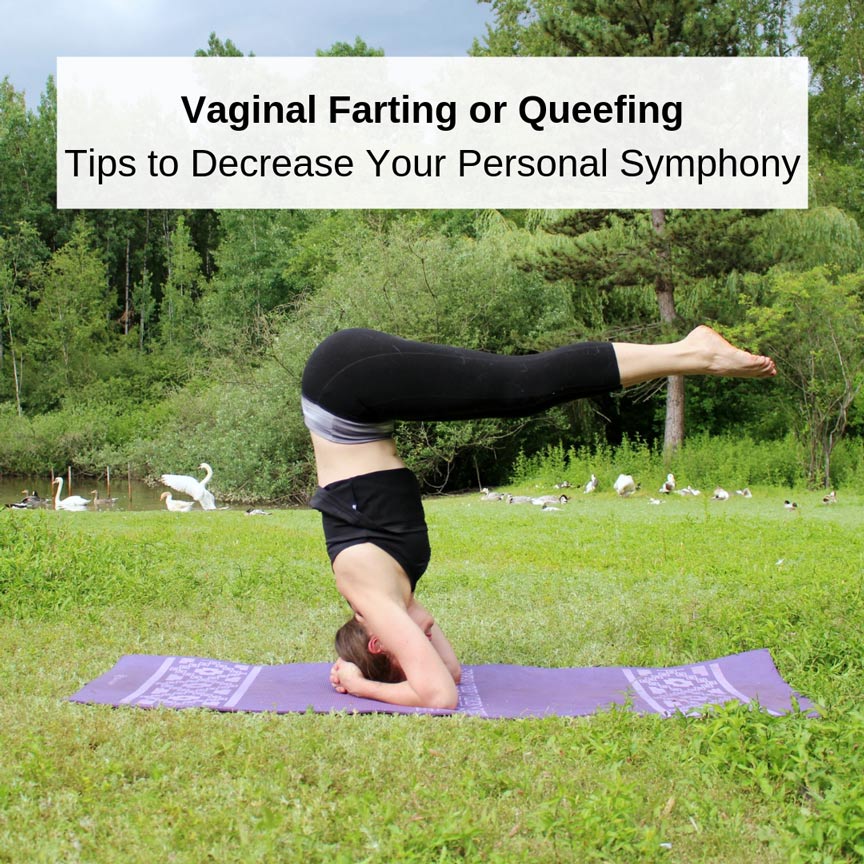
Image Source: www.coreexercisesolutions.com
Deciphering the Causes of Queefing During Activity
To effectively stop queefing during exercise, it’s important to grasp why it happens. The vagina is a muscular canal that can expand and contract. During exercise, particularly movements that involve core engagement, hip flexion, or stretching, air can be drawn into the vaginal canal. When the vaginal muscles then contract, or when you change positions, this trapped air can be expelled, resulting in what we commonly call a queef.
Several factors contribute to this:
- Pelvic Floor Muscle Weakness: The pelvic floor muscles act as a sort of sphincter for the vagina. If these muscles are weak, they may not be able to effectively “seal” the vaginal canal, allowing air to enter and exit more easily. This is a common cause, especially after childbirth or with age.
- Certain Exercise Movements: High-impact activities like running, jumping, or even certain yoga poses can create pressure changes that draw air into the vagina. Movements that involve deep squats, lunges, or significant core engagement can also contribute.
- Vaginal Anatomy: The natural elasticity and shape of the vaginal canal can also play a role. Some individuals may have a vaginal structure that is more prone to trapping air.
- Lubrication: While lubrication is natural and healthy, excessive moisture can sometimes create a vacuum effect, helping to draw air in.
- Tight Clothing: Wearing extremely tight or restrictive workout gear, particularly around the pelvic area, can sometimes trap air or create pressure that leads to expulsion.
Strategies for Stopping Queefing While Running
Running is a prime example of an activity where stopping vaginal flatulence exercise can be a concern for many. The repetitive impact and torso movements can easily lead to air being drawn into the vaginal canal.
Here’s how to tackle it:
Strengthening Your Pelvic Floor
The most impactful way to address queefing during exercise is by strengthening your pelvic floor muscles. These muscles support your bladder, uterus, and bowels, and they also play a role in sexual function and bowel control. When strong, they can help prevent air from being drawn into the vaginal canal.
Exercises for Pelvic Floor Strength
Performing Kegel exercises regularly is key.
- How to Do Kegels:
- Find your pelvic floor muscles. The easiest way to do this is to try to stop the flow of urine midstream. These are the muscles you’re targeting.
- Once you’ve identified them, contract these muscles and hold for 5 seconds.
- Relax for 5 seconds.
- Repeat this 10-15 times, aiming for 3 sets per day.
- Important Note: Try to do Kegels when your bladder is empty. Also, avoid contracting your abdominal muscles, buttocks, or thighs at the same time. Focus solely on the pelvic floor.
- Beyond Basic Kegels: As your pelvic floor muscles get stronger, you can increase the hold time to 10 seconds, followed by a 10-second relaxation. You can also try contracting them in different positions – lying down, sitting, and standing – as gravity can make it more challenging in upright positions.
Adjusting Your Running Form and Technique
Sometimes, minor adjustments to how you run can make a difference in managing vaginal sounds during fitness.
- Core Engagement: Maintaining a strong, engaged core throughout your run can help stabilize your pelvis and reduce the “wobble” that might allow air to enter. Think about gently drawing your belly button towards your spine.
- Breathing: While deep breathing is essential for running, try to avoid overly exaggerated abdominal breathing that might create suction. Focus on diaphragmatic breathing that is controlled and steady.
- Foot Strike: While complex, some believe a softer foot strike might reduce the jarring impact on the pelvic floor. However, focusing on proper posture and core engagement is likely more beneficial.
Apparel Considerations for Runners
- Supportive Underwear: Opt for seamless, breathable underwear made from moisture-wicking fabrics. Avoid anything too tight or with rough seams that could cause irritation or trap air.
- Compression Shorts: Some runners find that wearing snug compression shorts can provide an extra layer of support to the pelvic area, potentially reducing air entry.
Preventing Vaginal Noise During Yoga
Yoga, with its emphasis on stretching, inversions, and deep breathing, can sometimes exacerbate queefing. The very nature of many poses can create opportunities for air to be drawn into the vagina.
Positional Awareness in Yoga
Certain yoga poses are more likely to cause vaginal flatulence exercise. Be mindful during these:
- Deep Lunges and Warrior Poses: When you lunge deeply, the angle of your pelvis can change, potentially creating space for air.
- Forward Folds: Deep forward folds can increase abdominal pressure.
- Inversions (e.g., Downward-Facing Dog, Shoulderstand): While inversions are beneficial, the change in body orientation can sometimes lead to air being pulled in.
- Twists: Deep spinal twists can also put pressure on the pelvic area.
Modifying Poses and Pacing
- Gentle Transitions: Move slowly and deliberately between poses. Avoid sudden shifts in position.
- Mindful Core Engagement: Consciously engage your pelvic floor muscles throughout your practice, especially during transitions and poses that involve significant stretching or bending.
- Breathing Control: While yoga emphasizes breathwork, try to keep your breath smooth and controlled, rather than taking in large, sudden gulps of air that might create a vacuum effect.
- Listen to Your Body: If a particular pose consistently leads to discomfort or vaginal gas during exercise, don’t force it. Modify it or skip it. There are many variations of poses that can achieve similar benefits without the same risk.
Pelvic Floor Focus in Yoga
Yoga can be a powerful tool for pelvic floor awareness and strengthening.
- Mula Bandha: This is the yogic term for engaging the pelvic floor muscles. Consciously activating Mula Bandha during your practice can help prevent air from entering the vaginal canal. Focus on lifting and gently squeezing the muscles around your vagina and anus.
- Pelvic Tilts: Gentle pelvic tilts in poses like Cat-Cow can help you become more aware of your pelvic floor’s movement and control.
How to Reduce Air in Vagina During Workout: General Tips
Beyond specific exercises, there are general strategies to help reduce air in the vagina during any workout.
Breathing Techniques
- Controlled Breathing: Avoid gasping for air or taking very deep, sudden breaths that can create suction. Aim for smooth, consistent breaths.
- Exhale on Exertion: Generally, exhaling during the most strenuous part of a movement helps engage your core and can prevent excessive air intake.
Hydration and Diet
While not a direct cause-and-effect, staying well-hydrated is important for overall bodily function, including muscle health. Some people find that avoiding gas-producing foods or carbonated beverages close to their workout can help reduce overall gas in their system, which might indirectly influence vaginal gas, though this connection is less direct.
Posture and Body Mechanics
- Maintain Good Posture: Whether sitting, standing, or exercising, good posture helps maintain proper alignment and can reduce unnecessary pressure on the pelvic floor.
- Mindful Movement: Be conscious of how your body moves. Smooth, controlled movements are less likely to create the suction that draws air in compared to jerky or abrupt actions.
Natural Remedies for Queefing
When it comes to natural remedies for queefing, the focus is primarily on strengthening the body’s natural mechanisms and improving awareness.
- Pelvic Floor Rehabilitation: As mentioned, Kegels are a primary natural remedy. Other exercises that engage the core and glutes can also indirectly support pelvic floor health.
- Yoga and Pilates: Both disciplines are excellent for improving core strength, body awareness, and specifically targeting pelvic floor muscles.
- Mindfulness and Body Awareness: Simply paying attention to your body during exercise can help you identify patterns and make adjustments.
Managing Vaginal Sounds During Fitness: A Supportive Approach
It’s important to remember that queefing is a natural bodily function. While these tips can help manage it, eliminating it entirely might not always be possible, and that’s okay. The goal is to feel comfortable and confident.
Addressing Embarrassment and Seeking Support
- Normalize the Experience: You are not alone! Many people experience vaginal sounds during exercise. Talking to friends, a supportive trainer, or a healthcare provider can help demystify the issue.
- Focus on Performance: Shift your focus from potential embarrassment to your workout goals. The more you focus on the sound, the more self-conscious you’ll become, which can sometimes exacerbate the issue.
- Consult a Professional: If you experience persistent concerns, pain, or significant discomfort related to vaginal sounds, it’s always a good idea to consult a healthcare provider, such as a gynecologist or a pelvic floor physical therapist. They can rule out any underlying conditions and provide personalized advice and treatment plans.
Table: Exercise Types and Their Potential Impact on Vaginal Flatulence
| Exercise Type | Potential for Vaginal Flatulence | Contributing Factors | Strategies |
|---|---|---|---|
| Running | High | Impact, repetitive motion, torso movement, core engagement, breathing patterns. | Pelvic floor strengthening, core engagement, mindful breathing, supportive apparel. |
| Yoga | Medium to High | Deep stretching, inversions, twists, core engagement, breathwork. | Pelvic floor strengthening (Mula Bandha), mindful transitions, pose modification. |
| Weightlifting | Medium | Valsalva maneuver (breath holding), heavy lifting, core bracing. | Controlled breathing, proper form, pelvic floor engagement during exertion. |
| Cycling | Low to Medium | Seated position, hip flexion, core stabilization. | Proper bike fit, core engagement, mindful breathing. |
| Swimming | Low | Buoyancy, consistent movement, less impact on pelvic floor. | Minimal impact, but mindful breathing is still beneficial. |
| Pilates | Low to Medium | Core focus, controlled movements, emphasis on pelvic floor. | Excellent for pelvic floor strengthening and awareness. |
| High-Intensity Interval Training (HIIT) | High | Jumping, explosive movements, rapid changes in direction. | Strong pelvic floor, controlled core engagement, mindful breathing during recovery periods. |
Frequently Asked Questions (FAQ)
Is it normal to queef during exercise?
Yes, it is very normal for people with vaginas to experience queefing during exercise. It’s a physiological response to air being drawn into and expelled from the vaginal canal due to movement and pressure changes.
Can I completely stop queefing during exercise?
While you can significantly reduce the frequency and likelihood of queefing during exercise, completely stopping it might be difficult for some individuals, as it’s a natural bodily process. The goal is often management and reduction, rather than complete elimination.
Are there any exercises to prevent queefing other than Kegels?
Yes! Pilates, specific core strengthening exercises (like planks and bird-dog), and exercises that improve overall hip and glute strength can indirectly support the pelvic floor. Yoga poses that focus on Mula Bandha (pelvic floor engagement) are also highly beneficial.
When should I see a doctor about queefing?
You should consult a doctor or a pelvic floor physical therapist if:
* You experience pain associated with the vaginal sounds.
* The sounds are accompanied by leakage of urine or feces.
* You have significant concerns about the frequency or volume of the sounds that are impacting your quality of life or ability to exercise.
* You suspect an underlying pelvic floor disorder.
Does diet affect vaginal flatulence during exercise?
While there’s no direct scientific link proving diet directly causes vaginal flatulence during exercise, consuming gas-producing foods or carbonated beverages might contribute to overall gas production in the body. This is less about the vagina and more about general gas within the digestive system. The primary drivers of vaginal flatulence are mechanical.
By focusing on pelvic floor strength, mindful movement, and controlled breathing, you can significantly reduce instances of queefing during exercise and approach your fitness routine with greater confidence and comfort. Remember, your body is amazing, and sometimes it does things that are a little surprising – the key is to understand them and equip yourself with the tools to manage them.