
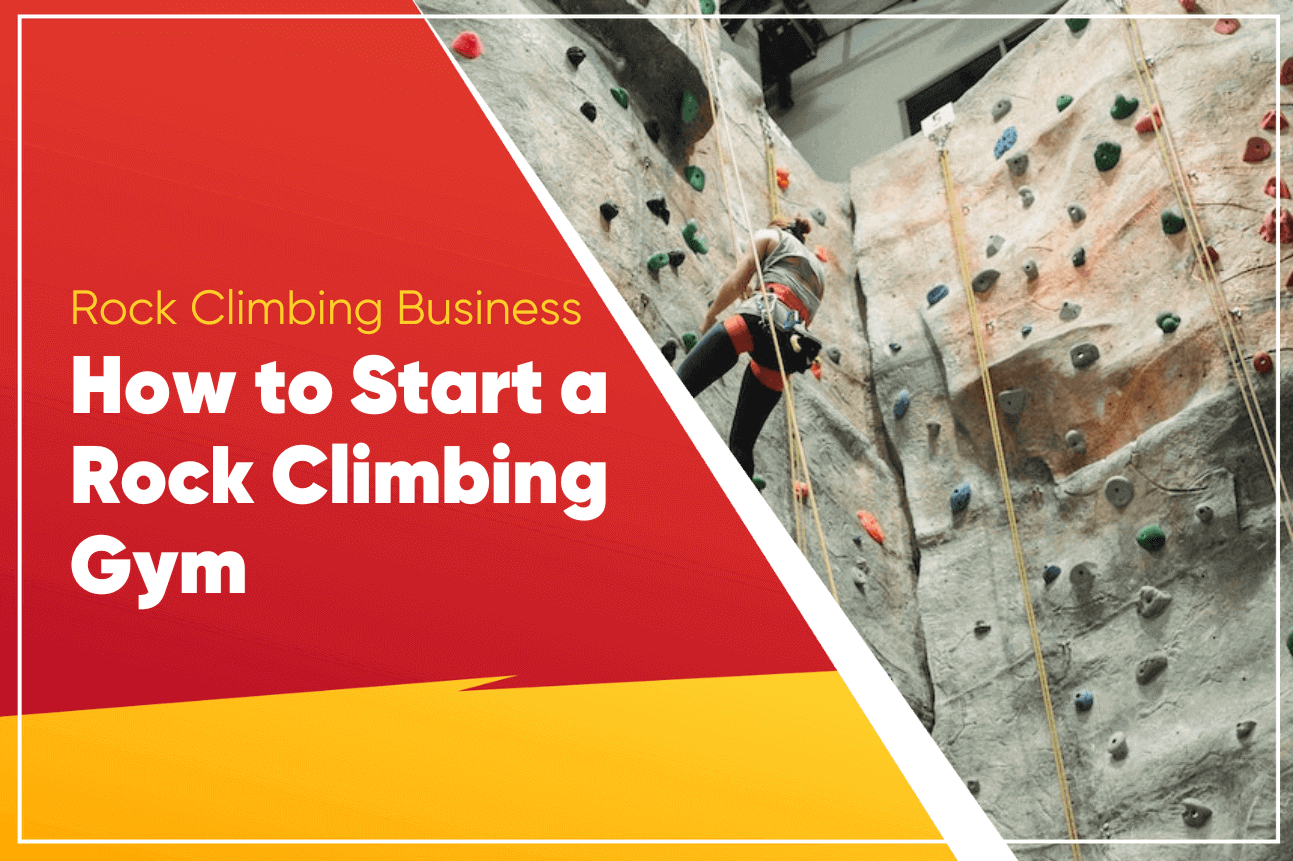
Image Source: gymdesk.com
Ultimate Guide: How To Start A Rock Climbing Gym Business
Starting a rock climbing gym is a big dream for many. You might wonder: What does it take? How much does it cost to open climbing gym? Where can I find climbing gym funding? What permits and licenses do I need? This guide will walk you through everything. We cover creating a solid rock climbing gym business plan, finding the right spot using key gym location factors, dealing with climbing wall equipment suppliers, getting rock climbing gym insurance, following climbing gym safety regulations, and even marketing a climbing gym. If you are thinking about a bouldering gym startup, this guide is for you too.
The Idea: Why Start a Climbing Gym?
People love climbing. It is fun, good for your body, and helps build a strong group of friends. Opening a gym lets you share this passion. You can build a place where people feel welcome. A climbing gym can make money. But it takes hard work and good planning. Think about why you want to start one. Is it for the love of climbing? To build a community? To run your own business? Knowing your main reason helps you stay focused.
Defining Your Gym’s Focus
What kind of climbing gym do you want?
- Bouldering Gym: This type only has shorter walls. You climb without ropes. Thick mats cover the floor for safety. A bouldering gym startup often costs less than a full gym. It needs less tall space. It is good for beginners and strong climbers alike.
- Roped Climbing Gym: These have tall walls. Climbers use ropes and harnesses. Someone on the ground holds the rope (belaying). This needs more space and height. It also needs more safety training for staff and climbers.
- Hybrid Gym: Many gyms have both bouldering and tall walls. They offer something for everyone. This type needs the most space and costs the most.
Think about the people in your area. What do they want? Is there another climbing gym nearby? What do they offer? Choosing your focus is a key step in your plan.
Step 1: Making Your Plan
You need a clear map for your business. This is your rock climbing gym business plan. It is not just a paper you write once. It is a living guide. It helps you think through every step. It shows others (like banks) you are serious and ready.
What Goes in the Plan?
Your plan should cover these main things:
- Summary: A short overview of your gym idea.
- Company Description: What your gym is all about. Your goals.
- Market Analysis: Who are your customers? Who is your competition? What do people in your area need? Look at gym location factors here. Is there enough space? Are there people who like climbing or might start?
- Service Line: What will you offer? (Climbing, classes, gear shop, yoga, food?).
- Marketing and Sales Plan: How will people find out about you? How will you get customers? (We cover marketing a climbing gym later).
- Management Team: Who is running the show? Your experience.
- Financial Plan: How much money do you need? Where will it come from (climbing gym funding)? How will you make money? How much money do you think you will make? (This covers the cost to open climbing gym).
- Appendix: Any extra papers, like market research results or resumes.
Writing this plan forces you to think about everything. It helps you find problems before they happen.
Finding the Right Place
Gym location factors are very important. The right place can make your gym a success. The wrong place can make it very hard.
- Space Size and Height: Climbing gyms need a lot of open space. More importantly, they need high ceilings. Bouldering needs maybe 15-20 feet. Roped climbing needs 40 feet or more. Finding a building with enough height can be tough.
- Access and Parking: Is it easy for people to get to? Is there enough parking? Think about people coming after work or on weekends.
- Visibility: Can people see your gym? Is it on a busy street? Signs help.
- Neighborhood: Is it in a safe area? Are there other fun businesses nearby, like restaurants or shops? Is it near where your target customers live or work?
- Cost: Rent or buying the building is a huge cost. Make sure it fits your budget.
Look at many places. Think about how each one fits your plan and your budget. This research is a key part of figuring out the cost to open climbing gym.
Step 2: Money Matters
Let’s talk about the money. Starting a climbing gym costs a lot. It is one of the biggest hurdles. Knowing the cost to open climbing gym helps you plan for funding.
How Much Does It Cost?
The cost changes a lot based on your gym type (bouldering vs. ropes), size, and location.
Here is a general idea of major costs:
- Building/Leasehold Improvements: This is often the biggest cost. It includes renting the space or buying it. It also covers making changes to the building. You might need to add bathrooms, office space, a front desk area, and make floors stronger. You might need to add heating or cooling. This can cost many hundreds of thousands of dollars, sometimes millions.
- Climbing Walls: Designing and building the walls is a huge expense. The cost depends on the size, height, and how complex the shapes are. Pre-built panels are cheaper than custom designs.
- Climbing Holds and Hardware: You need thousands of plastic holds in different shapes and sizes. You also need bolts to attach them. These add up.
- Safety Flooring/Mats: Bouldering gyms need thick crash pads. Roped areas need softer flooring. This is vital for safety.
- Climbing Gear: Ropes, harnesses, belay devices, quickdraws for top roping and leading. You need gear for rent and maybe for sale.
- Staff: Hiring managers, route setters (the people who put up the climbs), front desk staff, safety instructors. You need money to pay them.
- Permits and Fees: Getting climbing gym permits and licenses costs money. Inspections cost money.
- Insurance: Rock climbing gym insurance is a must. It is also a big ongoing cost.
- Operating Costs: Rent (if leasing), power, water, internet, cleaning, marketing, repairs. You need money to run the gym before you make a lot back. This is called working capital.
Putting it all together, the cost to open climbing gym can range from $500,000 for a small bouldering-focused gym to $3 million or more for a large, full-service gym. A typical bouldering gym startup might be on the lower end, while a hybrid gym is on the higher end.
Here is a simple look at costs:
| Cost Area | What It Includes | Rough Idea of Cost (Big Range) |
|---|---|---|
| Building/Space | Rent deposit, leasehold improvements, permits | $100,000 – $1,500,000+ |
| Climbing Walls | Design, materials, building walls | $150,000 – $1,000,000+ |
| Holds & Hardware | Holds, bolts, t-nuts | $30,000 – $150,000 |
| Safety Flooring | Crash pads, mats | $20,000 – $100,000 |
| Climbing Gear | Rental ropes, harnesses, shoes, etc. | $10,000 – $50,000 |
| Other Gear | Computers, furniture, cleaning supplies, sound system | $15,000 – $75,000 |
| Initial Staff Costs | Hiring, training, first few months of pay | $50,000 – $200,000+ |
| Insurance | First year’s rock climbing gym insurance | $10,000 – $50,000+ |
| Marketing | Grand opening, early ads | $10,000 – $50,000 |
| Working Capital | Money to run things before making profit | $50,000 – $250,000+ |
| Fees & Permits | Business license, building permits | $5,000 – $50,000+ |
Note: These are very rough numbers. Your actual costs will depend a lot on your project.
Getting the Money (Climbing Gym Funding)
Finding the money is often the hardest part. You need a plan for how to get the funding.
Here are common ways to get climbing gym funding:
- Your Own Money: Using savings or selling things you own. This shows others you believe in your idea.
- Friends and Family: They might invest because they trust you.
- Bank Loans: Small Business Administration (SBA) loans in the US are common. Banks look closely at your rock climbing gym business plan. They want to see you can pay them back.
- Investors: People or groups who put money into businesses hoping to make a profit. This could be private investors or investment firms focused on recreation or fitness. They will want part of your business and a say in how it runs.
- Grants: Sometimes there are local or state grants for new businesses, especially if you are improving a building or creating jobs.
- Crowdfunding: Asking many people for small amounts of money online. This can also help build excitement for your gym.
You will likely need a mix of these. Banks and investors will ask for your detailed business plan and financial forecasts. Be ready to show them you understand the cost to open climbing gym and have a clear path to making money.
Step 3: Building Your Gym
Once you have the money and the space, it is time to build. This involves design, finding suppliers, and thinking about safety from the start.
Designing the Space
Think about the flow of people in your gym.
- Entrance Area: Where people check in. Needs to be welcoming. Space for shoes and bags.
- Climbing Areas: The main part. Plan the wall shapes and angles. Think about how to set routes later.
- Mats/Flooring: Make sure safety flooring is right for each area.
- Other Areas: Bathrooms, changing rooms, maybe a small shop, a training area (weights, hangboards), office space, staff room.
- Viewing Areas: Places where people not climbing can watch safely.
Work with designers who know climbing gyms. They can help you make the best use of your space and height. They also know about building codes and safety rules.
Picking Your Suppliers
You need good partners to build your gym. Especially for the walls and holds.
- Climbing Wall Equipment Suppliers: These companies design, make, and install climbing walls. Some build custom walls. Others sell modular (ready-made) systems. Get quotes from several suppliers. Look at their past work. Talk to other gym owners who used them. Quality and safety are key here.
- Examples of equipment: Wall panels, support structures, t-nuts (the things holds screw into), bolts, ropes (if needed), auto-belays.
- Climbing Hold Suppliers: You need a lot of holds. There are many companies that make holds in different shapes, sizes, and colors. Quality matters because holds can break. Get a variety for different types of climbs.
- Safety Mat Suppliers: Companies specializing in thick foam mats for bouldering areas.
- Other Suppliers: Gear like harnesses and shoes (Metolius, Petzl, Black Diamond, La Sportiva, Scarpa are common brands), gym management software, cleaning supplies, furniture.
Choose reliable climbing wall equipment suppliers. They impact your gym’s main product – the climbing experience.
Building Safely
Safety is the most important thing in a climbing gym. Planning for it starts now.
- Structural Safety: The building structure must be strong enough to hold the walls and the forces climbers put on them. Your wall supplier and a structural engineer must check this.
- Wall Design Safety: Walls must be built to strict standards. No sharp edges where people might fall. Safe distances between climbing areas.
- Floor Safety: Mats must be thick enough and cover the whole area in bouldering zones. Roped areas need impact-absorbing floors.
- Lighting: Good light is needed so people can see the holds and their path.
- Emergency Exits: Clear paths and signs are a must.
Thinking about climbing gym safety regulations from day one saves problems later.
Step 4: Legal and Paperwork
Opening a business means dealing with rules and papers. This part is not as fun, but it is vital.
Permits and Licenses
You need permission from the government (city, county, state) to open and run your gym. These are your climbing gym permits and licenses.
What you need depends on your location, but often includes:
- Business License: General permission to operate a business.
- Building Permits: Needed for any construction or changes you make to the building. This can be complex for climbing walls. Your wall supplier and contractor will help.
- Occupancy Permit: Says you can use the building for a climbing gym and how many people can be inside safely.
- Fire Department Permit: Checking fire safety, exits, sprinklers.
- Health Permits: If you sell food or drinks.
- Sign Permits: For outdoor signs.
- Employer Identification Number (EIN): From the government for taxes if you have employees.
Getting climbing gym permits and licenses takes time. Start early. Talk to your local city planning department. They can tell you exactly what you need. Be patient, this process can have delays.
Getting Insured
Rock climbing has risks. You need insurance to protect your business from big problems. Rock climbing gym insurance is not optional.
Key types of insurance you will likely need:
- General Liability Insurance: Covers costs if someone is injured at your gym (not climbing) or their property is damaged.
- Professional Liability Insurance: Covers claims related to the advice or instruction given by your staff (e.g., belay instruction).
- Specific Climbing Gym Insurance: Some insurance companies offer policies made just for climbing gyms. These understand the risks of the sport itself. They often include things like:
- Coverage for climbing accidents.
- Coverage for your climbing walls and equipment.
- Coverage related to waivers (forms people sign saying they know climbing is risky).
- Workers’ Compensation Insurance: Covers costs if an employee gets hurt on the job.
- Property Insurance: Covers damage to your building (if you own it), gear, and other business property from fire, theft, etc.
- Umbrella Policy: Extra coverage above your other policies for very large claims.
Shop around for rock climbing gym insurance. Find an agent who understands the climbing industry. Make sure you have enough coverage. The cost is significant but necessary for safety and protection.
Choosing Your Business Structure
How will your business be owned legally? Common options are:
- Sole Proprietorship: One owner. Simple, but the owner is personally responsible for business debts.
- Partnership: Two or more owners. Simple, but partners are often responsible for each other’s actions and business debts.
- Limited Liability Company (LLC): Protects the owner’s personal assets from business debts and lawsuits. More paperwork than the first two.
- Corporation (S-Corp, C-Corp): Offers the most protection but has complex rules and taxes.
Most small to medium gyms choose LLC or S-Corp for the personal protection it offers. Talk to a lawyer and an accountant to pick the best structure for you.
Step 5: Running the Gym
Once the building is ready and papers are filed, you need to run the place. This means hiring people and setting rules.
Hiring Your Team
Your staff are key to your gym’s success. They are the face of your business.
- Gym Manager: Oversees daily operations.
- Route Setters: These artists design and build the climbs. They need skill and creativity. Good route setting keeps climbers coming back.
- Front Desk Staff: Welcome people, handle payments, answer questions.
- Instructors: Teach classes (like how to belay, or intro to climbing).
- Safety Staff/Floor Staff: Walk around, answer questions, gently correct unsafe behavior.
- Maintenance Staff: Keep the gym clean and fix things.
Look for people who are friendly, reliable, and passionate about climbing and safety. Train them well, especially on your specific climbing gym safety regulations and procedures.
Daily Operations
Think about how things will work every day.
- Hours of Operation: When will you be open?
- Check-in Process: How do people pay? How do they sign waivers? (Look into digital waiver systems).
- Safety Briefing: How will you make sure new climbers know the rules?
- Equipment Rental: How is gear given out and checked?
- Cleaning Schedule: Keeping the gym clean is important for health and feel.
- Hold Rotation: Climbs need to change often to keep things fresh for members. Route setters strip old routes, clean holds, and set new ones.
Good operations make for a smooth, enjoyable experience for customers.
Safety Rules in Practice
Climbing gym safety regulations must be lived out every day.
- Waivers: Everyone must sign one saying they know climbing is risky.
- Safety Orientations: Clearly teach people how to use equipment and follow rules (like belaying correctly).
- Staff Presence: Have enough trained staff watching the climbing areas.
- Equipment Checks: Regularly inspect ropes, harnesses, hardware, and auto-belays.
- Hold Checks: Make sure holds are not loose or broken.
- Emergency Plan: Have clear steps for what to do if someone gets hurt. Train all staff on this.
- Clear Rules: Post rules clearly in the gym.
Your rock climbing gym insurance company will also care about your safety rules and training. Good safety is not just about rules; it is about building a culture of safety in your gym.
Step 6: Telling People About Your Gym
You built a great gym. Now you need people to come! This is where marketing a climbing gym comes in.
Getting the Word Out
Marketing is how you tell people you exist and why they should visit.
- Online Presence:
- Website: Your gym’s home online. Needs to look good, show pictures, list prices, hours, classes, and safety info.
- Social Media: Use platforms like Instagram, Facebook, TikTok. Post cool climbing videos, photos of new routes, staff intros, event news. Run contests.
- Online Ads: Use Google Ads or social media ads to reach people in your area interested in fitness, sports, or climbing.
- Local Listings: Make sure your gym is on Google Maps, Yelp, and other local directories.
- Local Marketing:
- Partnerships: Work with other local businesses (coffee shops, outdoor gear stores, schools). Cross-promote each other.
- Local Events: Host or take part in local events. Set up a small climbing wall demo if you can.
- Fliers and Posters: Put them up in community centers, schools, or other places climbers or active people go.
- Public Relations: Tell local news outlets your story.
- Gym Events:
- Grand Opening Party: Make a splash when you open. Offer free climbing, demos, prizes.
- Competitions: Host friendly or serious climbing comps.
- Classes and Workshops: Offer intro classes, technique classes, yoga for climbers.
- Social Nights: Host ladies’ nights, college nights, family days.
Marketing a climbing gym is about showing how fun and welcoming your place is. Photos and videos of people having a great time are powerful.
Building a Community
A strong climbing gym is more than just walls. It is a community.
- Friendly Staff: Encourage staff to chat with members and make everyone feel welcome.
- Regular Events: Keep hosting events that bring people together (movie nights, potlucks, workshops).
- Listen to Members: Ask for feedback. What do they like? What could be better?
- Support Local Causes: Partner with local groups or charities.
- Create Comfortable Spaces: Have areas for people to relax, work, or socialize after climbing.
A strong community makes people want to come back again and again. It is key to long-term success.
Step 7: Opening and Growing
The big day is here! Open your doors. But the work is not over.
The Grand Opening
Plan this carefully. Invite people. Get the word out through your marketing efforts. Make sure everything is ready: staff trained, walls set, waivers ready, music playing, coffee brewing. It is your chance to make a great first impression.
Getting Feedback
After opening, ask customers what they think. What did they like? What was confusing? What safety signs could be clearer? Use this feedback to make things better. This shows customers you care.
Planning for the Future
Once you are open and running smoothly, think about what is next.
- Membership Growth: How can you get more regular members? (Loyalty programs, special offers).
- Adding Services: Could you add a training area, a pro shop with more gear, or a cafe?
- More Classes: Offer more advanced classes or fitness classes.
- Expanding: If things go really well, maybe open another location someday?
Keep looking at your rock climbing gym business plan. Update it as needed. The market changes, and your gym should too.
Wrapping Up
Starting a rock climbing gym business is a huge project. It takes passion, careful planning (your rock climbing gym business plan), a lot of money (understanding the cost to open climbing gym and securing climbing gym funding), dealing with complex details (gym location factors, climbing wall equipment suppliers, climbing gym permits and licenses, rock climbing gym insurance, climbing gym safety regulations), hiring a great team, and constantly marketing a climbing gym. A bouldering gym startup can be a good entry point as it might have lower initial costs.
It will be challenging, but it can also be very rewarding. You are building a business and a community. You are helping people stay active and find joy in climbing. With thorough research, smart choices, and a lot of hard work, your dream of opening a climbing gym can become real.
Frequently Asked Questions (FAQ)
Q: Is starting a climbing gym profitable?
A: Yes, a climbing gym can make money. But it takes time and good management. Costs are high at the start. Profit depends on how many members you get, how much they spend, and how well you manage your costs. Your business plan needs to show a clear path to making profit.
Q: Do I need climbing experience to open a gym?
A: While you do not have to be an expert climber yourself, having knowledge of climbing, its culture, and especially safety is very helpful. You will need staff with climbing and safety expertise (like route setters and instructors). Knowing the sport helps you make good decisions about walls, gear, and atmosphere.
Q: How long does it take to open a climbing gym?
A: It typically takes 1 to 3 years from the first idea to opening day. Finding a building, getting permits and licenses, getting climbing gym funding, designing, and building the walls all take a lot of time. Be patient!
Q: What is the biggest risk in opening a climbing gym?
A: High startup costs and lower-than-expected membership numbers are common risks. Safety incidents are also a risk, which is why strong climbing gym safety regulations and good rock climbing gym insurance are critical.
Q: Can I start a climbing gym with a small budget?
A: A full roped climbing gym requires a very large budget. A bouldering gym startup is generally less expensive because it needs less height and less rope safety gear. You can start smaller and maybe grow later if successful. Getting creative with your space and finding ways to reduce building costs can also help, but quality and safety must always come first.