
Starting a bouldering gym means opening a place where people climb walls without ropes, using thick mats to fall on. Yes, you can start one, but it takes careful planning and hard work. The people involved are usually the owners, who manage everything, the staff who help customers and set climbing routes, and the customers who come to climb and hang out. This guide will show you how to start your own bouldering gym and aim to make money from it.
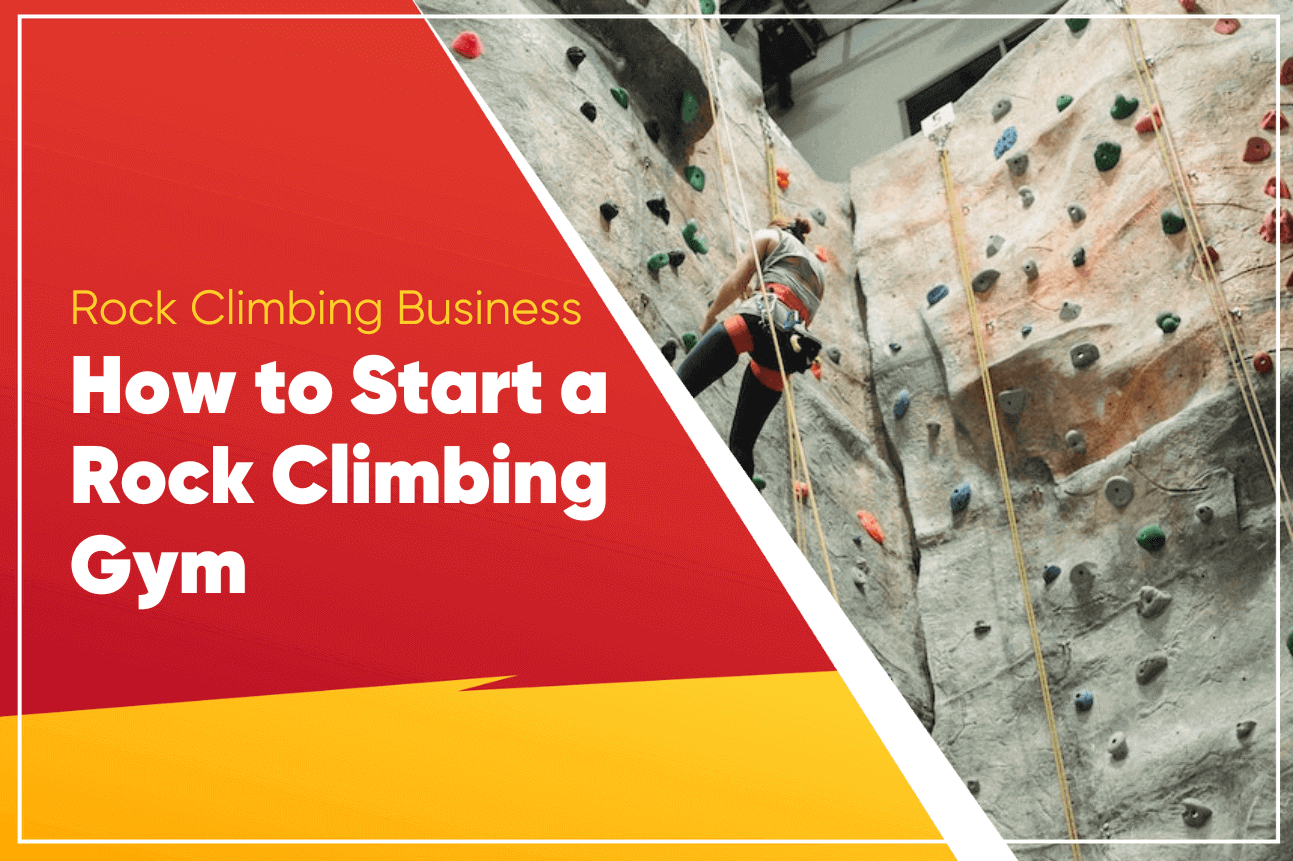
Image Source: gymdesk.com
Getting Started
Before you build anything, you need to know if a bouldering gym is a good idea for your town or city.
Is a Bouldering Gym Right for Your Area?
Think about where you live. Do people like being active? Are there other gyms or sports places nearby? Is there a climbing community already? Look around. See if people have money and time for a hobby like bouldering.
Check how many people live nearby. How old are they? What do they like doing for fun? A good location has people who want to try new things and stay fit.
Knowing Your Future Customers
Who will come to your gym? New climbers? Experienced climbers? Families? Students? People after work? Knowing this helps you decide what kind of gym to build.
- New Climbers: Need easy walls, lots of help, maybe classes.
- Experienced Climbers: Want hard routes, training areas, maybe higher walls.
- Families: Need safe spaces, maybe kids’ areas.
- Students/Young Adults: Like social spaces, cafes, maybe late hours.
Think about what these different groups want and how you can give it to them.
Checking Out Competitors
Are there other climbing gyms nearby? Are they bouldering gyms or ones with ropes? Visit them. See what they do well. See what they don’t do well. What do customers like or dislike about them?
Your gym needs something special. Maybe better walls, a nicer place to relax, different classes, or lower prices. Find your unique idea.
Crafting Your Plan
Every good business starts with a clear plan. This is very true for a bouldering gym.
What Goes into a Bouldering Gym Business Plan?
A bouldering gym business plan is like a map for your business journey. It helps you think through everything before you spend money. Investors or banks will want to see this plan. It should cover:
- Your Idea: What kind of gym will it be? (e.g., focus on beginners, big training area, family-friendly)
- The Market: What you learned about your area and customers.
- Your Team: Who is running the gym? What skills do you have?
- The Building: Where will it be? How big? What will it look like inside?
- Money Matters: How much money do you need to start? How will you make money? How much will things cost to run?
- How You Will Run It: How will you manage staff, safety, and daily tasks? (This touches on
climbing gym operations) - How You Will Get Customers: Your marketing ideas.
Writing this plan makes you think hard about every part of the business.
Figuring Out Your Money Needs
Starting a gym costs a lot. You need to know your startup costs climbing gym first. These are the one-time costs before you open. Then you need to know your running costs. These happen every month.
Startup Costs
These costs happen before anyone walks through the door.
- Building: Buying a place or paying a deposit and first few months’ rent.
- Building Work: Making the place ready. This might mean fixing walls, floors, putting in bathrooms, a front desk area, maybe a cafe space.
- Bouldering Walls: Building the climbing walls themselves. This is a huge cost.
- Safety Mats: Thick mats covering the floor under the walls. Also a big cost.
- Equipment: Things like climbing holds, rental shoes, chalk, cleaning gear.
- Furniture: Chairs, tables, front desk.
- Computer Systems: Software for check-in, selling memberships, scheduling staff.
- Legal Stuff: Permits, licenses, lawyer fees.
- Insurance: First payment for climbing gym insurance.
- Marketing: Money to tell people you are opening.
- Saving: Money put aside for unexpected costs or to cover bills before you make much money.
These costs add up fast. Building the walls and buying the mats are often the biggest parts.
Running Costs
These are the costs that happen every month to keep the gym open.
- Rent: Monthly payment for your building.
- Staff Pay: Paying your team.
- Electricity, Gas, Water: Bills for power and water.
- Insurance: Monthly or yearly payment.
- Maintenance: Fixing things, cleaning, route setting costs (paying setters, buying holds).
- Marketing: Money spent to get new customers and keep old ones.
- Supplies: Chalk, paper towels, soap, etc.
- Loan Payments: If you borrowed money, you pay it back each month.
Knowing these costs helps you set prices and see how many customers you need.
Finding Money
Getting the money to start is one of the hardest parts. There are different funding options for climbing gym.
- Your Own Money: Using savings. This shows you believe in the business.
- Friends and Family: Asking people you know.
- Bank Loans: Banks might lend money if your business plan is strong. They like to see you have some of your own money too.
- Small Business Loans: Government programs or groups that help small businesses.
- Investors: People or groups who give you money for a part of your business. They expect to make money back later.
- Crowdfunding: Asking many people for small amounts of money, often online.
- Grants: Sometimes there are grants for new businesses or community projects, but these are less common for regular gyms.
You will probably need a mix of these. Be ready to show your business plan to everyone you ask for money. Show them it’s a good idea and they can trust you.
Making Your Gym Happen
Once you have a plan and some money, you start building the real gym.
Where to Put Your Gym
Choosing the right place is super important. These are key location considerations climbing gym:
- Visibility: Can people see your gym easily? Is it on a main road?
- Access: Is it easy for people to get to by car, bike, or bus? Is there enough parking?
- Nearby Things: Is it close to other places people go, like shops, cafes, universities, or other sports centers?
- The Building Itself:
- High Ceilings: You need lots of height for bouldering walls. This is the most critical factor. At least 14-16 feet is good, but more is better.
- Floor Strength: The floor must hold the weight of the walls and mats.
- Space: Enough room for walls, mats, front desk, bathrooms, changing rooms, and maybe other areas like a cafe or shop.
- Building Rules: Check zoning laws. Can you run a gym there?
- Cost: Can you afford the rent or mortgage?
A bad location can make it very hard to succeed, even with great walls.
Building the Walls
This is the heart of your bouldering gym. Bouldering wall construction is a big job. Walls are usually made of wood over a metal frame. They have different angles, from straight up to leaning far back (called an overhang).
Good walls have:
- Different Angles: Offer climbs for all levels.
- Variety: Some tall sections, some shorter, different shapes.
- T-Nuts: Thousands of special nuts put into the wood that you screw climbing holds into. You need lots so route setters have many choices.
- Strength: They must be built very strong and safely.
- Look Nice: They should look good and inviting.
You will also need safety flooring. This is usually thick foam matting under the walls. It must meet safety rules and be in good condition.
Finding Wall Builders
You can’t usually build these walls yourself unless you have done it before. You need people who know how to build climbing walls. There are companies that do this. They design, build, and install the walls. Get quotes from a few builders. Look at other gyms they built. Check their safety record.
Getting the Gear
Besides the walls and mats, you need lots of other things. Knowing reliable climbing gym equipment suppliers is key. You will need:
- Climbing Holds: These are the plastic or wood shapes you grab and step on. You need thousands! They come in different sizes, shapes, and colors.
- Rental Shoes: Shoes for people who don’t have their own. Many sizes.
- Chalk: For climbers’ hands. Sell it at the desk.
- Brushes: For cleaning holds.
- Safety Signs: Rules for falling, moving around.
- First Aid Kit: For injuries.
- Cleaning Supplies: To keep the gym clean.
Climbing Hold Suppliers
You will buy holds from climbing hold suppliers. There are many companies that make holds. Some are big and well-known, others are smaller.
- Variety: Buy holds of different shapes, sizes, and textures. Get holds for beginners (big, easy to grip) and holds for experts (small, weird shapes).
- Quantity: You need many holds to set lots of different climbing routes. Don’t underestimate this.
- Quality: Good holds last longer and feel better to climb on.
- Cost: Holds can be expensive. Buy a good mix to start and plan to buy more over time as you change routes.
Finding good suppliers for walls, mats, and gear means you get safe, lasting products.
The Rules and Safety
Running a gym means following rules and keeping everyone safe.
What Paperwork Do You Need?
There are many legal requirements climbing gym. These can change depending on where you live (city, state, country). You will likely need:
- Business License: Permission from the government to run a business.
- Building Permits: Permission to do construction work.
- Zoning Permits: Checking the building location allows a gym.
- Fire Safety Checks: Making sure your building is safe in case of fire.
- Health Permits: If you have a cafe or sell food/drinks.
- Employee Paperwork: Rules for hiring staff, paying taxes.
- Waivers: Every customer must sign a paper saying they know bouldering is risky and they won’t sue you if they get hurt. Talk to a lawyer to get the right waiver.
It’s smart to hire a lawyer who knows about small businesses or gyms. They can help you get all the needed papers.
Staying Safe and Covered
Bouldering has risks. People fall. You need to protect your business. This means having climbing gym insurance.
Good insurance is a must. It protects you if:
- Someone gets hurt in your gym (liability insurance).
- Your building is damaged (property insurance).
- Your equipment is stolen or broken.
- A staff member gets hurt at work (workers’ comp insurance).
Talk to an insurance agent who understands climbing gyms. They know the specific risks. Get enough coverage. Don’t try to save money by getting too little insurance. It’s a key part of running a safe and profitable gym in the long run.
Opening and Running Well
Opening day is just the start. How you run the gym every day matters most. This is about climbing gym operations.
How to Run Things Every Day
Smooth operations make customers happy and help you make money.
Staffing Your Gym
You need good staff. People who:
- Are friendly and welcoming at the front desk.
- Know about climbing and safety.
- Can teach basic safety rules to new people.
- Can help clean and keep the gym nice.
- Maybe staff for a cafe or shop.
- Route setters to put up new climbs.
Having enough staff is important for safety and customer service.
Setting Routes
Climbing routes are like puzzles on the wall. Route setters put the holds on the wall to make a path from start to finish.
- You need routes for beginners, middle-level climbers, and experts.
- Routes should change often so climbers have new things to try. This keeps people coming back.
- Route setters need skill and creativity. They also need to work safely.
- Changing routes takes time and costs money (for new holds and setter pay). Plan for this in your budget.
Safety Rules
Safety is number one. Bouldering means falling. You must teach everyone how to fall safely.
- Clearly show rules.
- Make sure staff watch climbers.
- Have rules about kids, running, and staying off mats when not climbing.
- Check walls, holds, and mats regularly for problems.
- Have trained staff for first aid.
Your waiver helps, but good safety stops accidents from happening.
Cleaning and Keeping Things Nice
A clean gym is a welcoming gym.
- Clean mats often. They get dusty and dirty.
- Clean bathrooms and common areas daily.
- Empty trash bins.
- Fix anything broken quickly.
- Keep the air fresh. Chalk dust can be an issue.
A clean, nice-looking gym makes customers want to stay longer and come back often.
Telling People About Your Gym
You can have the best gym, but you need people to know about it.
Marketing Ideas
- Online: Website, social media (Instagram, Facebook). Share pictures and videos of climbing.
- Local Ads: Put flyers in coffee shops, sports stores. Ads in local papers or websites.
- Opening Event: Have a party when you open to bring people in.
- First Visit Deals: Offer a discount for new customers.
- Classes: Offer beginner classes to get new people started.
- Events: Host fun climbing contests or social nights.
- Work with Local Groups: Partner with schools, colleges, businesses.
Good marketing gets people to your door.
Building Community
A bouldering gym is often more than just a place to climb. It’s a community.
- Have spaces where people can sit and talk.
- Host social events.
- Support local climbers.
- Make everyone feel welcome, no matter their climbing level.
A strong community makes people feel like they belong. They will come back more often and tell their friends. This helps your business grow.
Making Sure You Make Money
The goal is to run a profitable bouldering gym. This means making more money than you spend.
Pricing Your Services
Setting the right prices is very important.
- Day Pass: Price for one visit.
- Punch Pass: Buy 5 or 10 visits at a slightly lower price per visit.
- Monthly Membership: Pay a set amount each month for unlimited climbing. This is often your main source of steady income.
- Yearly Membership: Pay for a whole year at a discount.
- Rental Gear: Charge extra for shoes and chalk bags.
- Classes/Coaching: Price for lessons.
Look at other gyms’ prices. Think about your costs and what customers in your area can afford. Don’t be the cheapest unless that’s your main strategy. Offer good value for the price.
Selling Other Things
You can make extra money from other sales.
- Shop: Sell climbing shoes, chalk, brushes, tape, clothing.
- Cafe/Snacks: Sell drinks, coffee, snacks. This gives people a reason to stay longer and relax after climbing.
- Events/Parties: Host birthday parties or group events.
- Kids Programs: Camps or classes for children.
These extra sales add up and improve your profit.
Watching Your Spending
Keep a close eye on your running costs.
- Can you save money on electricity?
- Are you paying staff fairly but not too much?
- Are you getting good deals from climbing gym equipment suppliers and climbing hold suppliers?
- Is your marketing money well spent?
Track every dollar coming in and going out. This helps you make smart choices to keep the business healthy.
Running a bouldering gym is a passion project for many owners, but remember it’s also a business. Making smart choices about your bouldering gym business plan, managing startup costs climbing gym, choosing good climbing gym equipment suppliers, planning bouldering wall construction, getting the right climbing gym insurance, finding solid funding options for climbing gym, thinking through climbing gym operations, picking the best location considerations climbing gym, handling legal requirements climbing gym, and finding climbing hold suppliers are all steps towards building a successful and profitable gym.
It takes a lot of work, but creating a place people love to visit and climb can be very rewarding.
Frequently Asked Questions
h4: How much does it cost to start a bouldering gym?
Starting costs can range from a few hundred thousand dollars to over a million dollars, depending mainly on the size of the gym, the cost of building work, and the price of the walls and mats.
h4: How long does it take to open a bouldering gym?
It can take 1 to 3 years or even longer from having the idea to opening the doors. A lot of time is spent finding a building, getting money, designing, and building.
h4: Do I need to be a climber to open a bouldering gym?
You don’t have to be an expert climber, but you should know about climbing and care about it. You need to understand the space, the community, and the safety aspects. You can hire staff with climbing skills.
h4: Is a bouldering gym profitable?
Yes, a bouldering gym can be profitable, but it takes time and good management. Costs are high at the start and running costs are ongoing. Profit comes from getting enough members and visitors and managing your spending well.
h4: What is the hardest part of starting a climbing gym?
Often, the hardest parts are raising enough money to cover the high startup costs and finding a building with high enough ceilings in a good location.