
How do you open a rock climbing gym? It takes careful planning, securing money, building the right space, hiring good people, and letting others know you’re open. This guide walks you through each step to make your dream climbing gym a reality.
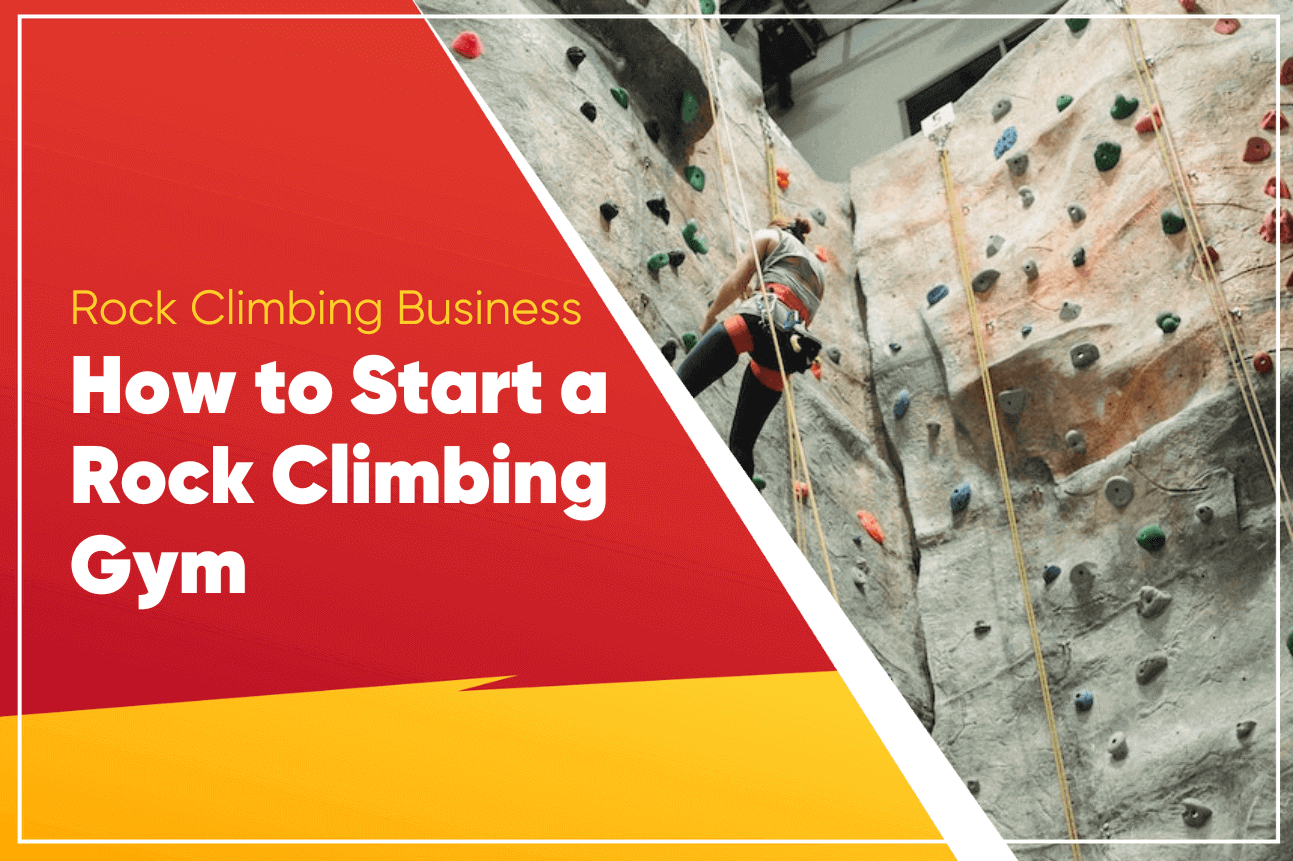
Image Source: gymdesk.com
Charting Your Course: Making a Plan
Starting any business needs a good map. This map is called a business plan. Crafting your climbing gym business plan is the first big step. It helps you think through everything. It shows others, like banks, that you have a solid idea.
What Goes in Your Business Plan?
Think of your plan like telling a story about your gym.
- Summary: A short look at your whole plan.
- Why This Gym? What makes your gym special? Who are your customers?
- The Market: Who climbs near you? What other gyms are there? How big is the chance to grow?
- How It Works: Where will it be? How will you build the walls? What gear will you use? How many people will work there?
- Money Matters: How much cash do you need to start (startup costs climbing gym)? How will you make money (memberships, classes, shop)? How much money do you think you will make? How will you pay people back who lend you money?
- Your Team: Who is helping you? What skills do you all have?
Writing this plan takes time. It makes you ask tough questions. But it saves you trouble later.
Figuring Out Initial Costs
One of the biggest questions is about money. What are the startup costs climbing gym owners face? Opening a gym costs a lot. It is much more than many other businesses.
Big Money Areas to Plan For
Here are the main things that cost money at the start:
- Finding a Place: Buying or renting a building. Often, you need a big space with tall ceilings. Renting might need a large deposit and first few months’ rent. Buying costs even more upfront.
- Making the Walls: This is a huge cost. Climbing wall construction needs special skills and materials. Walls must be strong and safe.
- Buying Gear: You need lots of climbing gym equipment. Holds, mats, ropes, harnesses, belay devices, desks, computer systems.
- Fixing the Building: You might need to change the inside of the building to fit the gym. This can include bathrooms, changing rooms, front desk areas, and special floors.
- Legal Papers and Fees: Getting climbing gym permits costs money. Setting up your business name and structure costs money too.
- Insurance: You need climbing gym insurance before you open. This protects you if someone gets hurt or something breaks. It costs money upfront.
- Early Team Pay: You might need to pay staff before you make much money. You need money for their first few paychecks.
- Telling People You Exist: Marketing climbing gym means spending money on ads, signs, and opening events.
These costs add up fast. It’s good to list everything you can think of. Add extra money for things you forgot or that cost more than planned. This is called a buffer or reserve.
Finding the Money
You know how much money you need. Now, where do you get it? Finding funding rock climbing gym projects can be hard because they cost so much.
Ways to Get Cash
- Your Own Money: Using savings is common. It shows others you believe in your idea.
- Loans: Banks or other lenders might give you money. You need that strong business plan to show them you can pay it back.
- Investors: People might give you money for a part of your business. They share in the profits later. You need to show them your gym will make good money.
- Government Help: Sometimes, local groups or the government have programs to help new businesses get started.
- Crowdfunding: Asking many people for small amounts of money online. This can also help spread the word about your gym.
Getting funding takes time. You need to talk to different people and groups. Be ready to share your plan and answer lots of questions about your startup costs climbing gym.
Planning the Gym Space
The layout of your gym is key. Good climbing gym design makes the space safe, fun, and easy for people to use.
Making the Space Work
- Lobby/Check-in: This is the first place people see. It needs to be welcoming. Space for checking in, a small shop, and maybe a place to sit.
- Climbing Areas: Separate spaces for different types of climbing.
- Ropes: Tall walls needing ropes and harnesses. Make sure there’s space below for people to manage ropes safely.
- Bouldering: Shorter walls with thick mats below. People climb without ropes. This area is often very social.
- Training Areas: Hangboards, campus boards, weights. For climbers to get stronger.
- Other Rooms: Bathrooms, changing rooms, staff areas, storage for climbing gym equipment, perhaps rooms for classes or parties.
- Flow: How do people move through the gym? Make it easy to get from check-in to climbing areas, bathrooms, etc. Avoid having people walk under climbers.
- Safety: Design must put safety first. Clear paths, safe zones around walls, good lighting.
Work with people who know about climbing gym design. They can help you use your space in the best way and meet safety rules.
Building the Walls
This is where the rubber meets the rock holds! Climbing wall construction is a big job. It needs experts.
The Building Process
- Finding Builders: You need companies that specialize in building climbing walls. They know the materials and how to make them strong enough for climbing and falling.
- Types of Walls: Different angles and shapes make climbing harder or easier. Vertical walls, overhangs, slabs (less steep than vertical). You’ll need a mix.
- Materials: Walls are often made of wood panels on a metal or wood frame. The surface is painted with a special texture to make it look and feel like rock, or just painted smooth. Holes are drilled to screw in climbing holds.
- Safety Checks: Walls must meet strict safety rules (like CWA standards in the US). Builders must make sure the structure is super strong.
- Getting Holds On: Once the walls are built, thousands of climbing holds are screwed on. This is part of setting climbing routes or “problems” (for bouldering). Route setting is an art!
Good climbing wall construction is worth the cost. Safe and interesting walls bring climbers back.
Getting the Gear Ready
Your gym needs the right tools for people to climb safely and have fun. This is your climbing gym equipment.
What Gear Do You Need?
- Climbing Holds: Thousands of shapes, sizes, and colors. You need a lot to set many routes.
- Mats: Thick crash pads for bouldering areas. Softer flooring for roped areas or specific fall zones.
- Ropes: Special climbing ropes for top-roping and lead climbing areas.
- Harnesses and Belay Devices: Gear for climbers to rent if they don’t have their own. You need many of these.
- Auto-belays: Machines that take up slack as a climber goes up and lower them slowly. Good for people climbing alone or learning.
- Hardware: Quickdraws, carabiners, bolts, anchors for the walls.
- Rescue Gear: First aid kits, maybe stretchers or other gear for helping someone who is hurt.
- Front Desk Gear: Computer, software for check-in and memberships, cash register.
- Shop Stock: If you have a shop, you need shoes, chalk, brushes, tape, guidebooks.
- Cleaning Supplies: Keeping the gym clean is important.
Plan your climbing gym equipment list carefully. Buy quality gear that will last and is safe.
Dealing with Paperwork and Rules
Opening a gym means talking to your local government. You need climbing gym permits.
What Permits Do You Need?
- Building Permits: For changing the building or putting up walls.
- Business License: To operate legally in your town or city.
- Zoning Permits: To make sure your location is allowed to be a gym.
- Fire Safety Permits: To meet fire rules (exits, sprinklers).
- Health Permits: For bathrooms and drinking water.
- Sign Permits: For outside signs.
The permits you need depend on where your gym is. Talk to your local city or town hall early. They can tell you what you need to do and how long it takes. Getting climbing gym permits can take many months. Start this process early!
Sorting Out Insurance
Running a climbing gym has risks. People are climbing up high. Falls can happen. This is why climbing gym insurance is not just a good idea, it is a must.
What Insurance Do You Need?
- General Liability: Covers you if someone gets hurt on your property or if you damage someone’s property. This is the main one for climbing gyms because of the risk of injury.
- Property Insurance: Covers damage to your building, walls, and equipment from things like fire or storms.
- Workers’ Comp: Covers your staff if they get hurt while working. Needed in most places.
- Professional Liability: Covers you if you give bad advice (like in a class) that leads to a problem.
- Umbrella Policy: Extra coverage above your other policies for really big claims.
Climbing gym insurance can be expensive. Get quotes from different insurance companies. Make sure they understand the risks of a climbing gym. Don’t try to save money by not getting enough insurance. It protects your business if something bad happens.
Building Your Team
Your gym is only as good as the people who work there. Staffing climbing gym needs people who are good with climbers and know about safety.
Who to Hire?
- Gym Manager: Someone to run the day-to-day business.
- Route Setters: Creative people who put the holds on the walls to make fun and challenging climbs. This is a very important job.
- Front Desk Staff: The first people customers see. They need to be friendly and helpful. They handle check-ins, memberships, and questions.
- Climbing Instructors: People who teach classes (like how to use ropes safely). They need to be skilled climbers and good teachers.
- Floor Staff/Monitors: People who walk around the gym, help customers, and make sure everyone is following the rules safely.
- Maintenance Staff: People to clean and fix things.
Find people who love climbing and working with people. Give them good training on safety and customer service. A happy, skilled team makes a great gym and keeps customers coming back. Staffing climbing gym with the right people is key to your success.
Telling People About Your Gym
You built it. Now you need people to come! Marketing climbing gym is how you let the world know you are open and why they should visit.
Getting the Word Out
- Name and Brand: Create a cool name and logo that people remember.
- Online: Build a simple website and use social media (Instagram, Facebook). Share photos and videos of climbing, your walls, and events. Use local online groups.
- Local Area: Put up flyers in coffee shops or outdoor gear stores. Connect with local schools, colleges, or outdoor clubs.
- Events: Host a grand opening party. Have special nights for beginners or women or kids.
- Ads: Use local ads online or in papers.
- Community: Get involved in the local climbing scene. Support local climbing groups.
Start your marketing climbing gym efforts early. Build excitement before you even open. Show off the building process. Let people know what to expect.
Running the Gym Day-to-Day
Opening day is exciting! But the real work is running the gym every day.
Keeping Things Going
- Safety Checks: Check ropes, harnesses, mats, and walls often. Safety must always be first.
- Route Setting: Keep setting new routes to give climbers fresh challenges. This is really important for keeping members happy.
- Cleaning: Keep the gym clean. Climbing chalk gets everywhere!
- Customer Service: Make sure staff are friendly and helpful. Ask customers what they like and what could be better.
- Membership: Manage memberships and day passes. Offer different plans.
- Classes: Run classes for new climbers, safety classes, or special skills classes.
- Shop: Keep your gym shop stocked with popular items.
Listen to your customers and staff. Keep making the gym better.
Thinking Long Term
Once your gym is running smoothly, think about the future.
Growing Your Gym
- More Classes: Offer fitness classes, yoga, kids’ camps.
- Competitions: Host climbing contests.
- Outreach: Partner with local groups or schools.
- Second Location: Maybe open another gym someday.
- Changing Walls: Update sections of your walls or add new features.
Keep your climbing gym business plan handy. Look back at it and see how you are doing compared to your early ideas. Change your plan as you learn and grow.
In Simple Terms
Opening a rock climbing gym is a big climb itself! It needs careful steps:
- Make a solid climbing gym business plan.
- Figure out the high startup costs climbing gym projects require.
- Find funding rock climbing gym needs, like loans or investors.
- Plan a smart climbing gym design.
- Hire experts for climbing wall construction.
- Buy all the right climbing gym equipment.
- Get all the necessary climbing gym permits.
- Secure strong climbing gym insurance.
- Build a great staffing climbing gym team.
- Use marketing climbing gym tools to bring climbers in.
Each step is important. Doing them well makes your dream gym safer and more likely to succeed. Good luck on your climb!
Frequently Asked Questions (FAQ)
h4 What is the average cost to open a climbing gym?
The cost changes a lot based on size and location, but it’s usually very high. Think from $500,000 for a small bouldering gym up to $3 million or more for a large gym with ropes. This is why figuring out startup costs climbing gym is so important early on.
h4 How long does it take to open a climbing gym?
It often takes 1 to 3 years from the first idea to opening day. Finding a place, getting climbing gym permits, climbing wall construction, and securing funding rock climbing gym all take a lot of time.
h4 Do I need climbing experience to open a gym?
You don’t have to be an expert climber yourself, but you must understand climbing culture, safety, and the business well. You will hire people with deep climbing knowledge, like route setters and instructors (staffing climbing gym).
h4 Is a climbing gym a good investment?
It can be, but it’s a hard business. Climbing gym business plan must show how you will make money and handle high costs. Success depends on location, design (climbing gym design), how well you run it, and your marketing climbing gym efforts.
h4 What are the biggest challenges in opening a climbing gym?
High startup costs climbing gym face, finding enough funding rock climbing gym needs, dealing with complex climbing gym permits and safety rules, finding the right location, and getting good climbing wall construction are major challenges. Getting enough climbing gym insurance is also key but can be tough.