
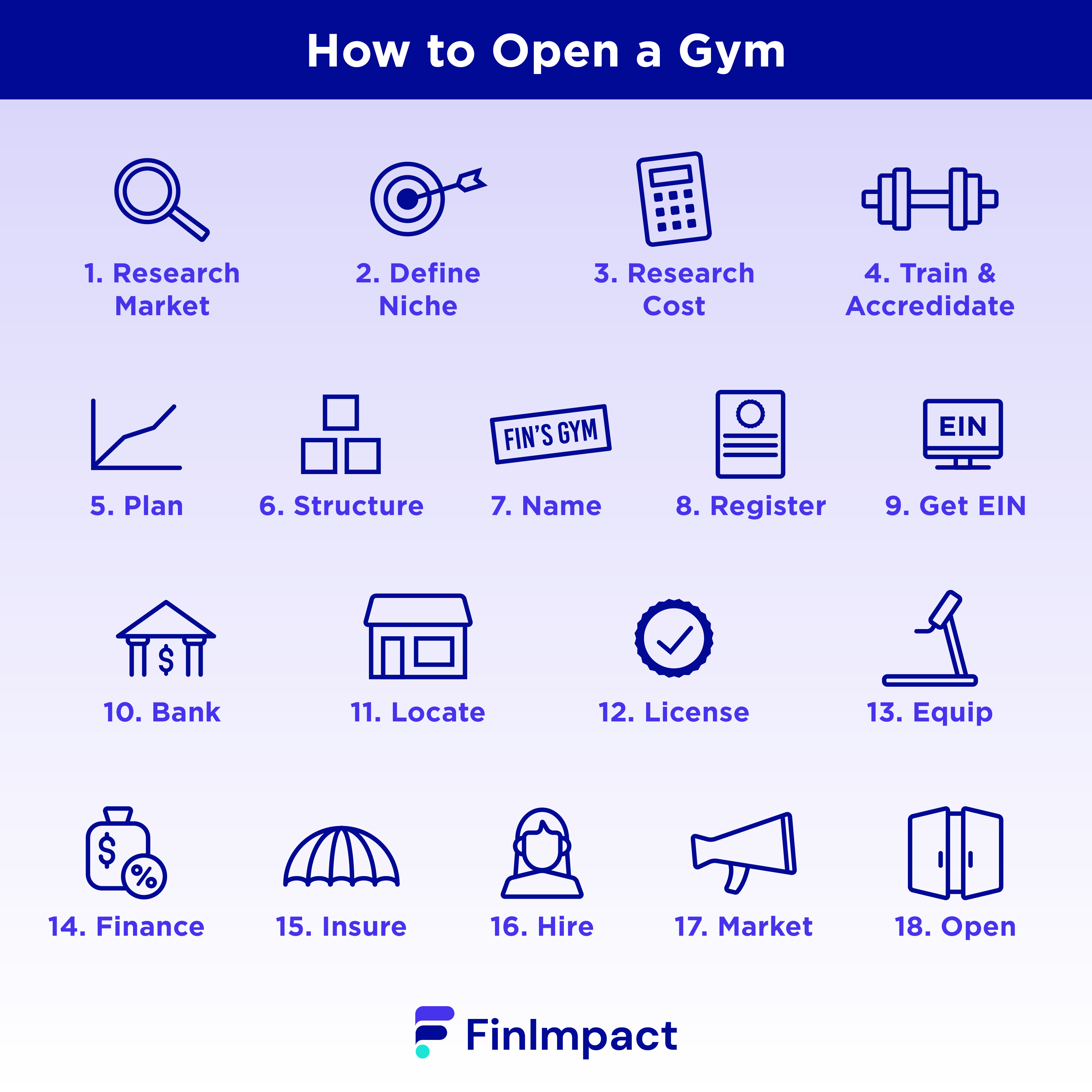
Image Source: finimpactcom.s3.eu-west-2.amazonaws.com
Guide: How To Open A Gym With No Money Successfully
Can you open a gym with no money? Yes, you can. It takes smart planning, hard work, and a lean approach. What is a budget gym startup? It is a gym you start with very little cash. You find clever ways to get things done. This guide is for anyone who dreams of owning a gym but has limited funds. You will learn how to build a successful lean startup fitness business from the ground up, even if your wallet is empty.
Grasping the Lean Startup Approach
Starting a gym with no money seems impossible. But it is not. The secret is to think lean. A lean startup fitness business means you start small. You test ideas. You save money at every step. This method reduces your risk. It helps you build things bit by bit.
Why Go Lean?
- Less Risk: You do not lose much if things do not work out.
- Faster Start: You can begin quickly. No need to wait for a big loan.
- Flexibility: You can change your plan easily.
- Problem Solving: You learn to be creative. You find free or cheap solutions.
- Community First: You build a loyal group of early members.
What a “No Money” Gym Means
It does not mean you spend absolutely zero. It means you spend very little money. You use other things instead. These might be your time, your skills, or help from others. You look for free gym equipment sources. You try used fitness equipment deals. You make smart choices to keep costs down.
Crafting Your Niche: Low Overhead Gym Models
Your gym cannot be everything to everyone. You need a focus. This helps you save money. It also helps you find your first members. Think about what kind of gym you want. What is your special skill? What do people in your area need?
Choosing a Focus Area
- Specialty Classes: Focus on one type of exercise. Yoga, CrossFit, martial arts, or bootcamps. This needs less general equipment.
- Outdoor Training: Use parks or open spaces. This avoids building costs. It can be a
mobile gym business plan. - Home-Based Personal Training: Train clients at their homes. You only need portable gear.
- Online Fitness: Offer classes over the internet. This is a true
online fitness business startup. It needs almost no space. - Hybrid Model: Mix online and in-person options.
Examples of Low Overhead Gym Models
| Model Type | Key Features | Benefits | Challenges |
|---|---|---|---|
| Outdoor Bootcamps | No building needed. Use public parks. | Very low rent cost. Fresh air. | Weather dependent. Permits may be needed. |
| Mobile Gym | Van or trailer setup. Travel to clients. | High flexibility. Reach many areas. | Vehicle cost. Maintenance. |
| Online Coaching | Via video calls. Online content. | No physical space. Global reach. | Needs strong internet. Tech skills. |
| Community Center Rent | Rent space by the hour. Share facilities. | Low hourly cost. Ready-made space. | Limited hours. Shared equipment. |
| Niche Studio | Focus on one class (e.g., Pilates). Small space. | Less equipment needed. Strong community. | Smaller client base. |
Securing Your Space Without Breaking the Bank
Finding a place is often the biggest cost. But you can start with very little. Think outside the box.
Option 1: No Physical Gym Yet
- Outdoor Sessions: Lead classes in local parks or open fields. Check for local permits. They are often free or very cheap.
- Client Homes: Offer personal training at your clients’ houses. You bring the gear.
- Mobile Gym: If you have a vehicle, turn it into a
mobile gym business plan. A large van can carry a few weights, bands, and mats. You drive to clients or set up in different areas. - Online Studio: This is the ultimate
online fitness business startup. You only need a camera, good internet, and a quiet space at home.
Option 2: Low-Cost Physical Space
- Community Centers: Many community halls, churches, or schools rent out space by the hour or day. This is much cheaper than a monthly lease.
- Shared Studios: Find another fitness professional (e.g., a dance teacher) and share their space when they are not using it.
- Pop-Up Locations: Use empty retail spaces for a short time. Landlords might offer free rent to fill a vacant spot.
- Your Own Home (If Possible): If you have a garage, basement, or spare room, you can convert it. Check local zoning laws first.
Steps to Finding Low-Cost Space
- List Local Options: Write down all parks, community centers, and potential shared spaces nearby.
- Contact Them: Ask about rental rates, availability, and rules. Mention you are a
budget gym startup. - Negotiate: See if you can get a better deal for longer commitments or off-peak hours.
- Permits: Always check what permits you need for public spaces.
Sourcing Equipment for Free or Cheap
This is where creativity really shines. You do not need brand-new machines. Many free gym equipment sources exist. You can also find great used fitness equipment deals.
Free Gym Equipment Sources
- Donations: Ask friends, family, and local groups. People often have old weights, bikes, or mats they do not use.
- “Free” Sections Online: Check Facebook Marketplace, Craigslist, and other local online classifieds. Many people give things away for free if you pick them up.
- Community Giveaways: Look for local “Buy Nothing” groups on Facebook. People share items for free in their neighborhoods.
- Local Gyms: When gyms close or upgrade, they sometimes give away older, less valuable items. Ask them.
- Your Own Body: Bodyweight exercises need no equipment at all. Focus on these early on.
- DIY Equipment: Build simple items. Fill old milk jugs with sand for weights. Use car tires for flipping. Make balance beams from wood.
Used Fitness Equipment Deals
- Online Marketplaces: Facebook Marketplace, Craigslist, eBay are great for
used fitness equipment deals. Search often. Set up alerts. - Garage Sales/Yard Sales: Drive around on weekends. You can find hidden gems for very little money.
- Secondhand Stores: Thrift stores, pawn shops, and consignment stores sometimes have fitness gear.
- School/University Auctions: When schools upgrade their gyms, they might sell old equipment at auction.
- Gym Liquidation Sales: Keep an eye out for gyms going out of business. They sell everything at huge discounts.
- Wholesale Used Dealers: Some companies specialize in used gym equipment. Their prices are higher than private sellers, but still much less than new.
Table: Where to Look for Cheap Equipment
| Source Type | Pros | Cons | Tips |
|---|---|---|---|
| Online Free Boards | Truly free. Many options. | Must pick up. Items go fast. | Check often. Be quick to reply. Be ready to pick up fast. |
| Used Online Marketplaces | Good variety. Better quality than free. | Prices vary. Scammers exist. | Negotiate. Check item condition. Meet in public. |
| Garage/Yard Sales | Very cheap. Unexpected finds. | Hit or miss. Time consuming. | Go early. Bring small bills. |
| Gym Liquidations/Auctions | Big items at low prices. | Can be competitive. Unknown condition. | Inspect items closely. Set a budget. |
| DIY/Homemade | Zero cost. Custom to your needs. | Requires skill and time. May not last. | Watch tutorials. Use safe materials. |
| Networking/Asking | Personal connections. Trustworthy. | Limited to what people have. | Tell everyone you know what you need. Offer thanks. |
Funding Your Gym Without a Bank Loan
You might not have money to start. But you can raise it. Think about crowdfunding for fitness business or community gym grants.
Gym Membership Pre-Sales Strategy
This is a powerful way to get cash before you even open.
- Build Excitement: Share your vision. Show people what your gym will be like. Use social media.
- Offer Deals: Sell memberships at a lower price for early birds. For example, “First 50 members get 20% off for life!”
- Limited Time: Make the offer special. Say it ends soon.
- Collect Money Now: Take payment upfront for the first month or year. This cash helps you buy what you need.
- Build a List: Get email addresses of interested people. Send updates. Keep them engaged.
Crowdfunding for Fitness Business
Websites like Kickstarter or GoFundMe let people donate money.
- Tell Your Story: Explain why you want to open a gym. What good will it do for the community?
- Set Clear Goals: Say how much money you need and what it will buy (e.g., “Need $500 for mats and bands”).
- Offer Rewards: Give thanks to donors.
- $10: A thank you on social media.
- $50: A free class.
- $100: A special T-shirt or personal thank you video.
- $500+: A lifetime membership or naming rights for a piece of equipment.
- Promote It: Share your campaign everywhere. Ask friends and family to share too.
Community Gym Grants
These are funds from local governments or groups. They want to help improve the area.
- Research: Look for local sports grants, health grants, or small business grants. Check city, county, and non-profit websites.
- Show Community Benefit: Explain how your gym will help local people. Will it serve a specific group? Will it make the area healthier?
- Ask for Help: Local small business centers can help you find and apply for grants.
- Be Patient: Grants can take time to get. But they offer money you do not have to pay back.
Other Creative Funding Ideas
- Sponsorships: Approach local businesses. Maybe a healthy food shop will give you some money if you put their logo on your gym’s T-shirt.
- Bartering: Offer your fitness services to a local graphic designer in exchange for a logo. Offer to clean a space in exchange for free rent for a month.
- Small Personal Loans: If you have family or friends who believe in you, they might lend you a small amount interest-free. Make sure to have a clear repayment plan.
Marketing Your Budget Gym Startup for Free
You have no money for ads. No problem! Free marketing can be very powerful.
Digital Presence: Your Free Billboard
- Google My Business: Set up a free profile. This helps people find your gym when they search online. Add photos and your hours.
- Social Media: Use Facebook, Instagram, TikTok. Share your story. Post videos of workouts. Show behind-the-scenes moments. Engage with followers.
- Email List: Collect emails from day one. Use free email services like Mailchimp. Send updates, tips, and special offers.
- Website (Free Options): Use platforms like Google Sites, WordPress.com (free plan), or Wix (free plan) to create a simple website. It is your online home.
Building Community and Buzz
- Local Events: Offer free fitness classes at community events, farmers’ markets, or school fairs.
- Partnerships: Team up with local health food stores, massage therapists, or sports shops. Cross-promote each other.
- Referral Program: Offer a free class or discount to members who bring a new client.
- Word-of-Mouth: Do an amazing job. Your first members will tell their friends. This is the best free marketing.
- Local Media: Reach out to local newspapers or community blogs. Tell them about your unique
budget gym startupstory.
Running a Low Overhead Gym Model Day-to-Day
Keeping costs low is key to success when you start with no money. Every dollar saved is a dollar earned.
Staffing Smart
- Be the Main Trainer: In the beginning, you are the gym. You do all the training and management.
- Volunteers: Can a friend help with social media for free classes? Can a family member help with cleaning?
- Interns: Partner with local colleges. Fitness students often need experience. They can help for free or for a small fee.
- Bartering: Offer free memberships to skilled people who can help with tasks like accounting or repairs.
- Only Hire When Needed: When you have enough members and cash flow, slowly bring on paid staff.
Systems and Tools
- Free Scheduling Software: Many apps offer free versions for a certain number of clients or features. Search for “free gym scheduling software.”
- Online Payment Processors: Use services like PayPal or Stripe. They charge a small fee per transaction, but no upfront cost.
- Simple Record Keeping: Use spreadsheets (Google Sheets is free) to track members and payments.
- Digital Waivers: Use free online forms (Google Forms) for sign-ups and liability waivers.
Insurance: A Must-Have
Even with no money, insurance is not optional. It protects you from lawsuits.
- Shop Around: Get quotes from several insurance companies.
- Start Small: Get basic liability insurance. As your gym grows, you can add more coverage.
- Professional Associations: Some fitness organizations offer cheaper insurance for their members.
Keeping Your Space Clean and Safe
- DIY Cleaning: You or your small team do all the cleaning.
- Simple Supplies: Buy basic, effective cleaning products.
- Preventative Maintenance: Fix small problems before they become big, costly ones.
Growing Your Gym: From Budget Gym Startup to Success
Once you have a steady stream of members and some cash, you can start to grow.
Reinvesting Profits
- First, pay yourself a little. Then, put most of the extra money back into the gym.
- Buy more equipment: Invest in a few key pieces that members often ask for.
- Improve your space: Add better lighting or storage.
- Marketing: Spend a little on paid ads to reach more people.
Expanding Your Offerings
- New Classes: Add more types of workouts as you get more trainers or more space.
- Retail: Sell branded water bottles, T-shirts, or healthy snacks. This adds extra income.
- Online Component: If you started in person, build an
online fitness business startupalongside it. Offer virtual classes or coaching. This reaches more people and adds flexibility. - Workshops: Host special events like nutrition seminars or stretching workshops. Charge a fee for these.
Scaling Your Space
- Move to a bigger space: When your current
low overhead gym modelis full, you can look for a slightly larger, affordable lease. - Open a second location: If your first spot is booming, think about another small, lean location.
Final Thoughts for Your Fitness Journey
Opening a gym with no money is a huge challenge. But it is also a huge chance to learn. You will be creative. You will build strong relationships. You will connect deeply with your community.
It takes grit and a clear vision. Start small. Learn fast. Adapt often. Every step, big or small, gets you closer to your dream. Your lean startup fitness business can thrive, proving that passion and hard work can beat big budgets any day.
FAQ: Your Top Questions Answered
Q1: How long does it take to open a gym with no money?
A1: It varies a lot. If you start an online fitness business startup or outdoor bootcamp, you could be ready in a few weeks. If you need to find and equip a shared space, it might take 2-3 months. It depends on how quickly you can get equipment and pre-sales.
Q2: What are the absolute minimum legal requirements?
A2: At a minimum, you need business insurance (general liability), and you should register your business (e.g., as a sole proprietor or LLC). You might also need local business licenses or permits. Check with your city or county clerk’s office. Do this early.
Q3: Can I get a loan if I have no money for a down payment?
A3: Traditional banks are unlikely to give you a loan without collateral or a down payment. This is why crowdfunding for fitness business and gym membership pre-sales strategy are so important. Small business grants, especially community gym grants, are also worth looking into, as they don’t need repayment.
Q4: How do I get my first members without a big marketing budget?
A4: Focus on free ways. Use social media daily. Offer free trial classes at local parks. Team up with other small businesses. Ask your friends and family to spread the word. Do an amazing job so people tell their friends. Your passion and energy are your best marketing tools.
Q5: What if I can only get a few pieces of equipment at first?
A5: That’s perfectly fine for a budget gym startup. Start with bodyweight exercises, resistance bands, and maybe a few dumbbells. Design workouts that use minimal gear. As you earn money from gym membership pre-sales strategy or early fees, buy more equipment. Many successful gyms started with very little.
Q6: Is a mobile gym business plan truly viable for a lean startup fitness business?
A6: Yes, absolutely. A mobile gym can have very low overhead, especially if you already own a suitable vehicle. You save on rent. You can reach clients where they are. This model is very flexible and can be very profitable if you market your unique service well.
Q7: Should I start with an online fitness business startup and add a physical space later?
A7: This is an excellent low overhead gym model strategy. Starting online requires almost no upfront cost for space or equipment. You can build your brand, get clients, and earn money. Once you have a strong client base and enough cash, you can invest in a small physical space, knowing you already have a loyal following.