
So, you want to open a gym? Yes, you absolutely can! This guide will walk you through every step needed to launch your fitness business, from initial concept to grand opening and beyond. Opening a gym is a rewarding venture, but it requires careful planning and execution. This comprehensive resource will equip you with the knowledge to navigate the process successfully.
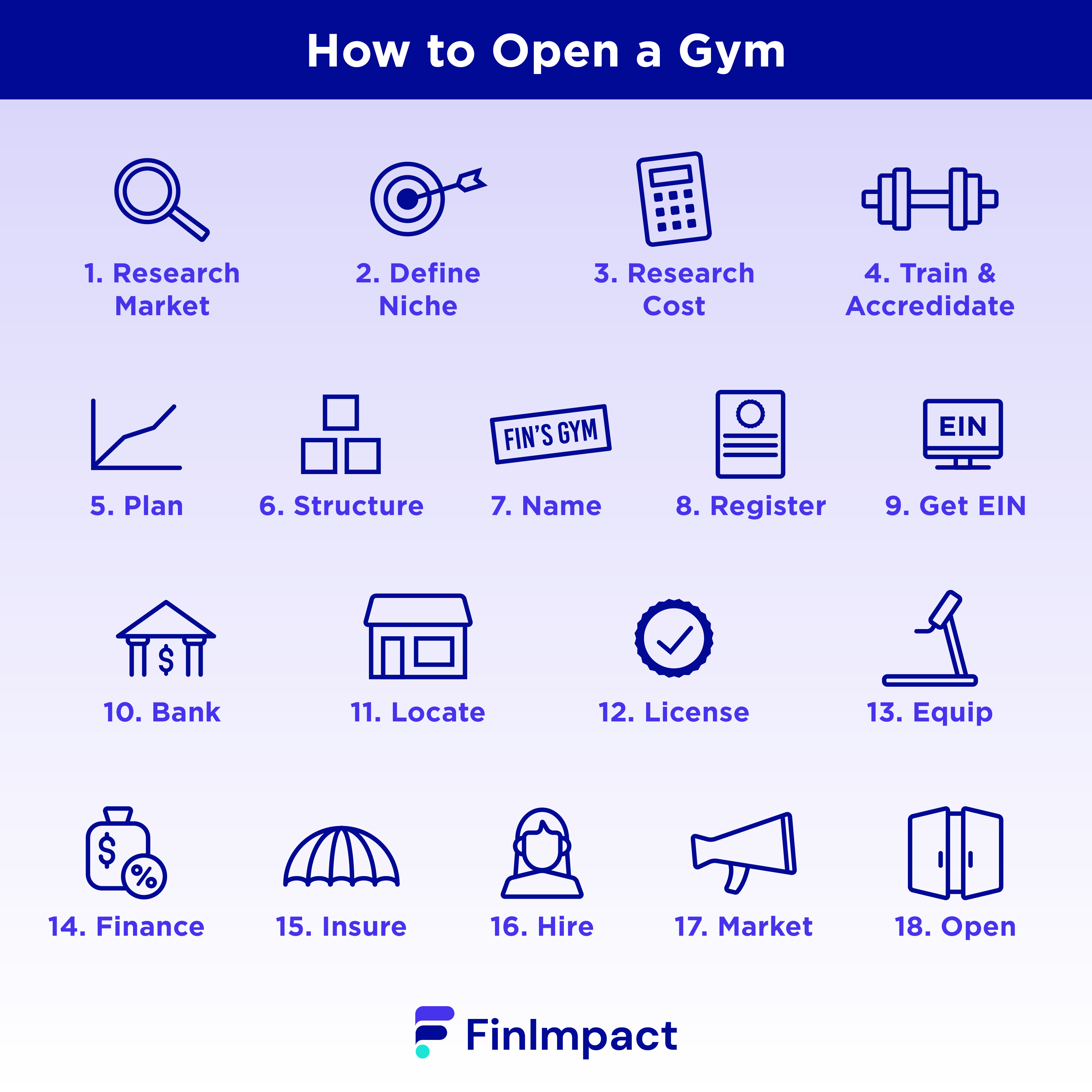
Image Source: finimpactcom.s3.eu-west-2.amazonaws.com
Laying the Foundation: Your Gym Business Plan
A solid gym business plan is the bedrock of your future success. It’s more than just a document; it’s your roadmap, your sales pitch to potential investors, and your blueprint for operations. Without one, you’re sailing without a compass.
Defining Your Niche and Target Audience
Before you even think about treadmills, you need to decide what kind of gym you’re opening and who you want to serve.
-
What kind of gym?
- General Fitness: Catering to a broad range of fitness levels and goals.
- Specialty Fitness: Focusing on a specific area like CrossFit, yoga, Pilates, martial arts, or powerlifting.
- Boutique Fitness: High-end, often class-focused studios with a premium feel.
- Personal Training Studio: Primarily focused on one-on-one or small group training.
- Functional Fitness: Emphasizing movements that mimic real-life activities.
-
Who is your ideal member?
- Demographics: Age, gender, income level, occupation.
- Psychographics: Lifestyle, fitness goals, motivations, interests.
- Location: Are they local residents, office workers, or students?
Market Research: Knowing Your Landscape
Thorough market research is crucial. You need to know what’s already out there and how you can stand out.
- Analyze Competitors:
- Visit competing gyms. What do they offer? What are their price points? What are their strengths and weaknesses?
- Read online reviews. What do members love and hate about other gyms in your area?
- Identify Market Gaps: Is there a demand for a specific type of training that isn’t being met?
- Assess Local Demand: Is the population in your target area likely to support a gym?
Crafting Your Business Model and Financial Projections
Your business model outlines how you’ll make money. Financial projections are essential for securing funding and managing your budget.
- Revenue Streams:
- Membership fees (monthly, annual, drop-in)
- Personal training sessions
- Group fitness classes
- Merchandise sales (apparel, supplements)
- Ancillary services (nutrition coaching, massage therapy)
- Pricing Strategy: How will you price your memberships and services to be competitive yet profitable?
- Startup Costs: This includes everything from leasehold improvements and equipment to licenses and initial marketing.
- Operating Costs: Ongoing expenses like rent, utilities, staff salaries, insurance, and software.
- Profitability Analysis: When do you expect to break even? What are your projected profit margins?
Bringing Your Vision to Life: The Fitness Center Startup Process
Once your business plan is solid, it’s time to translate that into tangible actions for your fitness center startup.
Securing Funding
Most gym startups require significant capital. Explore these funding options:
- Personal Savings: Using your own money.
- Loans:
- Small Business Administration (SBA) loans
- Bank loans
- Lines of credit
- Investors: Angel investors or venture capitalists (especially for larger or more specialized facilities).
- Crowdfunding: Platforms like Kickstarter or Indiegogo.
Gym Location Scouting: The Perfect Spot
The right Gym location scouting can make or break your business. Consider these factors:
- Visibility and Accessibility: Is it easy for people to see and get to? Is there ample parking?
- Foot Traffic: High foot traffic areas can increase walk-in potential.
- Demographics of the Area: Does the local population match your target audience?
- Competition: How close are your competitors?
- Lease Terms: Negotiate a favorable lease that allows for growth and includes necessary renovations.
- Size and Layout: Does the space accommodate your planned equipment and services?
Gym Licensing Requirements and Legalities
Navigating Gym licensing requirements is a critical, non-negotiable step. Failure to comply can lead to fines or closure.
- Business Registration: Register your business name and choose a legal structure (sole proprietorship, LLC, S-corp).
- Federal Tax ID (EIN): Obtain an Employer Identification Number from the IRS.
- State and Local Business Licenses: These vary by location.
- Zoning Permits: Ensure your chosen location is zoned for a fitness facility.
- Health and Safety Permits: Comply with local health and safety regulations.
- Insurance:
- General Liability Insurance
- Professional Liability Insurance (especially if offering personal training)
- Property Insurance
- Workers’ Compensation Insurance (if you have employees)
- Contracts: Membership agreements, waiver of liability forms for clients.
Equipping Your Gym: Smart Gym Equipment Sourcing
Investing in the right Gym equipment sourcing is vital for member satisfaction and operational efficiency.
Choosing Your Equipment
Consider your niche and target audience when selecting equipment.
- Cardiovascular Machines: Treadmills, ellipticals, stationary bikes, rowers.
- Strength Training Equipment:
- Free Weights: Dumbbells, barbells, kettlebells, weight plates.
- Weight Machines: Selectorized machines, plate-loaded machines.
- Functional Training Equipment: TRX suspension trainers, resistance bands, medicine balls, plyo boxes.
- Cardio Area: Ensure a good variety to cater to different preferences.
- Strength Area: Offer a mix of free weights and machines for comprehensive training.
- Specialty Equipment: Depending on your niche (e.g., squat racks for powerlifting, reformers for Pilates).
Sourcing Options
- New Equipment:
- Pros: Latest technology, warranties, reliability.
- Cons: Higher cost.
- Where to buy: Direct from manufacturers, reputable fitness equipment retailers.
- Used Equipment:
- Pros: Significant cost savings.
- Cons: May require maintenance, no warranty, potential for wear and tear.
- Where to buy: Used equipment dealers, auctions, online marketplaces (ensure thorough inspection).
- Leasing Equipment:
- Pros: Lower upfront cost, easier to upgrade regularly.
- Cons: Higher long-term cost, you don’t own the equipment.
Layout and Flow
Plan your gym layout carefully to ensure optimal use of space, safety, and a good member experience.
- Zoning Areas: Cardio, strength, functional training, stretching, locker rooms.
- Equipment Spacing: Allow enough room for safe use and movement between machines.
- Traffic Flow: Design the layout to prevent bottlenecks.
- Aesthetics: Create an inviting and motivating atmosphere.
Building Your Member Base: Gym Marketing Strategies
Even with the best facility, you need members. Effective Gym marketing strategies are key to attracting and retaining them.
Branding Your Gym
Your brand identity should reflect your niche and appeal to your target audience.
- Gym Name and Logo: Memorable, relevant, and professional.
- Brand Voice and Messaging: Consistent tone across all communications.
- Visual Identity: Colors, fonts, and imagery that create a cohesive look.
Pre-Opening Buzz
Generate excitement before you even open your doors.
- “Coming Soon” Campaigns: Social media teasers, local advertising.
- Founding Member Offers: Exclusive discounts for early sign-ups.
- Local Partnerships: Collaborate with nearby businesses.
Digital Marketing
- Website: Professional, mobile-friendly, with clear information on services, pricing, and class schedules.
- Social Media Marketing: Engage with your audience on platforms like Instagram, Facebook, and TikTok. Share workout tips, member spotlights, and promotions.
- Search Engine Optimization (SEO): Optimize your website to rank higher in local search results for terms like “gym near me” or “[your city] fitness.”
- Email Marketing: Build an email list and send out newsletters, special offers, and updates.
- Online Advertising: Consider Google Ads and social media ads to reach a wider audience.
Traditional Marketing
- Local Flyers and Posters: Distribute in complementary businesses (health food stores, sports shops).
- Community Events: Participate in or sponsor local health and wellness fairs.
- Public Relations: Reach out to local media outlets to announce your opening.
Retention Strategies
Keeping members is as important as acquiring them.
- Exceptional Customer Service: Friendly staff, clean facilities, responsive to feedback.
- Member Challenges and Events: Foster a sense of community.
- Loyalty Programs: Reward long-term members.
- Regular Feedback Collection: Surveys, suggestion boxes.
The Heart of Your Operation: Fitness Facility Management
Efficient Fitness facility management ensures smooth day-to-day operations and a positive member experience.
Staffing Your Gym
Your team is crucial for success.
- Hiring: Look for qualified, passionate, and customer-oriented individuals.
- Front Desk Staff: The first point of contact for members.
- Personal Trainers: Certified and experienced.
- Group Fitness Instructors: Engaging and motivating.
- Cleaning and Maintenance Staff: To keep the facility pristine.
- Training: Provide ongoing training on customer service, safety protocols, and brand values.
- Scheduling: Efficiently manage staff schedules to cover all operating hours.
Implementing Gym Membership Software
Gym membership software is essential for managing your members, billing, and scheduling.
- Key Features to Look For:
- Membership management and tracking
- Automated billing and payment processing
- Class scheduling and booking
- Member portal for self-service
- Reporting and analytics
- POS system for retail sales
- Integration with wearables or fitness apps
Financial Management
- Budgeting: Stick to your financial plan.
- Bookkeeping: Maintain accurate financial records.
- Cash Flow Management: Ensure you have enough cash to cover ongoing expenses.
- Payroll: Process payroll accurately and on time.
Facility Maintenance and Cleanliness
A clean and well-maintained gym is paramount.
- Daily Cleaning Schedule: Wipe down machines, clean floors, sanitize bathrooms.
- Regular Equipment Maintenance: Follow manufacturer guidelines for servicing equipment to prevent breakdowns.
- Repairs: Address any maintenance issues promptly.
Expanding Your Offerings: Personal Training Studio Setup and More
If your focus is on specialized services like a Personal training studio setup, the considerations shift slightly.
Personal Training Studio Setup Specifics
- Smaller Footprint: Often requires less space than a full-service gym.
- Equipment Focus: More emphasis on free weights, functional equipment, and possibly specialized machines for specific training modalities.
- Client-Centric Design: Ample space for one-on-one sessions, potentially private training rooms.
- Scheduling Software: Crucial for managing individual client appointments.
- Trainer Certification: Ensure all trainers are certified by recognized organizations.
Diversifying Your Services
Consider offering additional services to boost revenue and member engagement:
- Nutritional Coaching: Partner with or hire a registered dietitian.
- Physical Therapy/Sports Rehabilitation: Collaborate with local practitioners.
- Wellness Workshops: Stress management, mindfulness, healthy eating.
- Retail Sales: Selling branded apparel, supplements, water bottles, and accessories.
The Numbers Game: Understanding Gym Operating Costs
A clear grasp of Gym operating costs is essential for profitability. These can be categorized as fixed and variable.
Fixed Operating Costs (Remain relatively constant regardless of member numbers)
| Cost Category | Typical Range (Monthly) | Notes |
|---|---|---|
| Rent/Mortgage | $2,000 – $15,000+ | Varies greatly by location, size, and lease terms. |
| Loan Repayments | $500 – $5,000+ | Depends on the amount borrowed and interest rates. |
| Insurance | $200 – $1,000+ | General liability, professional liability, property, workers’ comp. |
| Utilities (Base Rate) | $300 – $2,000+ | Electricity, water, gas, internet. |
| Software Subscriptions | $50 – $500+ | Membership management, accounting software. |
| Property Taxes | Varies by location | If you own the property. |
| Depreciation | Varies by assets | Accounting for wear and tear on equipment. |
Variable Operating Costs (Fluctuate based on member usage and activity)
| Cost Category | Typical Range (Monthly) | Notes |
|---|---|---|
| Staff Salaries & Wages | $2,000 – $20,000+ | Front desk, trainers, cleaners. Highly dependent on staffing levels. |
| Utilities (Usage) | $100 – $1,500+ | Increased usage for air conditioning, heating, lights with more members. |
| Marketing & Advertising | $200 – $5,000+ | Can be higher during launch or for aggressive growth campaigns. |
| Equipment Maintenance/Rep | $50 – $500+ | Ongoing checks and repairs for machines. |
| Cleaning Supplies | $50 – $300+ | Sanitizers, mops, towels. |
| Credit Card Processing Fees | 1-3% of revenue | Fees for processing member payments. |
| Retail Cost of Goods | Varies by sales | If you sell merchandise or supplements. |
| Music Licensing | $50 – $200+ | ASCAP, BMI, SESAC for playing music. |
Important Note: These are general estimates. Your actual Gym operating costs will depend heavily on your specific business model, location, size, and operational efficiency.
Frequently Asked Questions About Opening a Gym
Q1: How much money do I need to open a gym?
A1: The cost can vary wildly, from $50,000 for a small personal training studio to over $500,000 or more for a large, fully equipped gym. Key factors include location, size, equipment quality, and renovations.
Q2: What are the most important things to consider when choosing a gym location?
A2: Visibility, accessibility, target demographic alignment, ample parking, and reasonable lease terms are crucial for successful Gym location scouting.
Q3: Do I need a specific business license to open a gym?
A3: Yes, you will need various licenses and permits, including general business licenses, zoning permits, and potentially health and safety certifications. Always check your specific local and state Gym licensing requirements.
Q4: What type of gym equipment is essential for a new gym?
A4: Essential equipment typically includes a mix of cardiovascular machines, free weights (dumbbells, barbells), weight machines, and functional training equipment like resistance bands and kettlebells. The specific mix depends on your niche. Proper Gym equipment sourcing is key.
Q5: How can I attract members to my new gym?
A5: Effective Gym marketing strategies are vital. This includes building a strong online presence (website, social media), offering competitive pricing with attractive membership deals, focusing on community building, and providing excellent customer service.
Q6: What is the role of gym membership software?
A6: Gym membership software streamlines operations by managing member data, automating billing, handling class schedules, and often providing reporting tools for business insights.
Q7: Is it better to buy or lease gym equipment?
A7: Both have pros and cons. Buying offers ownership and customization but requires higher upfront capital. Leasing allows for lower initial costs and easier upgrades but can be more expensive long-term. Consider your budget and long-term strategy for Gym equipment sourcing.
Q8: What are the biggest challenges in running a gym?
A8: Common challenges include member retention, competition, managing operating costs, maintaining equipment, and effectively marketing the business. Strong Fitness facility management practices are essential to overcome these.
Q9: How important is personal training in a gym business?
A9: Personal training can be a significant revenue driver and a valuable service for members seeking personalized guidance. Setting up a dedicated Personal training studio setup within or as a standalone business can be very profitable.
Q10: What are typical gym operating costs?
A10: Major Gym operating costs include rent, utilities, staff salaries, insurance, marketing, equipment maintenance, and software subscriptions. Accurately projecting and managing these costs is critical for profitability.
By following this comprehensive guide, you’ll be well on your way to opening a successful and thriving gym. Remember, dedication, smart planning, and a passion for fitness will be your greatest assets.