
What’s the best way to market a gym? The best way to market a gym is by combining digital and offline tactics that focus on your target audience, highlight your unique selling propositions, and build a strong community. This comprehensive approach ensures you reach potential members and keep current ones engaged.
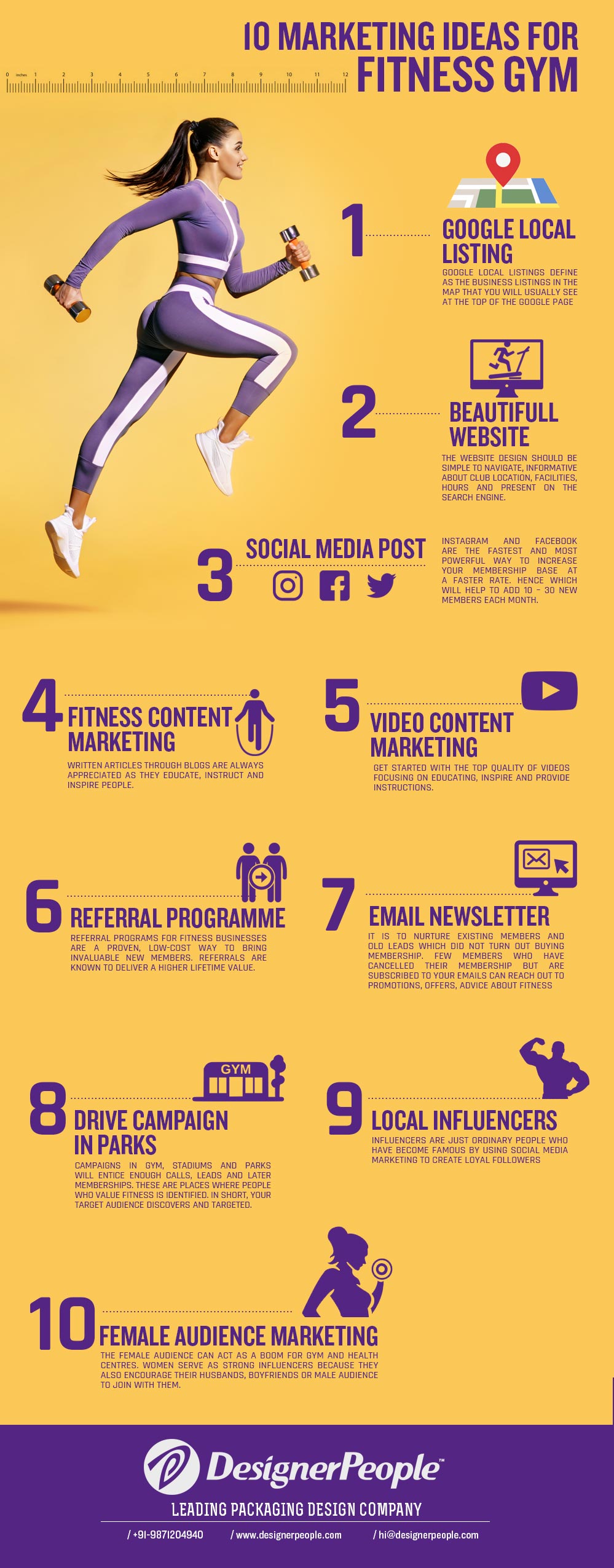
Image Source: www.designerpeople.com
Reaching More People: Effective Fitness Marketing Strategies
Getting the word out about your gym is crucial for growth. Successful fitness marketing strategies involve a mix of digital and traditional methods designed to attract new members and keep existing ones happy. Let’s explore some proven ways to boost your gym’s visibility and gym membership sales.
Defining Your Target Audience
Before launching any campaign, knowing who you’re trying to reach is key. Are you aiming for young professionals, busy parents, or seasoned athletes? Tailoring your message to specific groups makes your marketing efforts more effective.
- Demographics: Age, gender, income, location.
- Psychographics: Lifestyle, interests, values, fitness goals.
- Pain Points: What problems does your gym solve for them? (e.g., lack of time, motivation, specific fitness challenges).
Crafting Your Unique Selling Proposition (USP)
What makes your gym stand out? Your USP is what differentiates you from competitors.
- Specialized Classes: Yoga, HIIT, CrossFit, boxing.
- State-of-the-Art Equipment: Advanced machines, functional training areas.
- Expert Trainers: Highly qualified and experienced personal trainer marketing specialists.
- Community Atmosphere: Friendly, supportive, inclusive environment.
- Convenience: Location, hours, childcare services.
Leveraging Digital Marketing for Gyms
In today’s world, a strong online presence is non-negotiable. Online fitness marketing opens doors to a wider audience.
Website Optimization: Your Digital Storefront
Your gym’s website is often the first impression potential members have. It needs to be professional, informative, and easy to navigate.
- Mobile-Friendly Design: Most people search on their phones.
- Clear Call-to-Actions (CTAs): “Join Now,” “Book a Tour,” “Try a Free Class.”
- High-Quality Images and Videos: Showcase your facilities and classes.
- Trainer Bios: Highlight your expert trainers.
- Membership Options: Clearly list pricing and packages.
- Testimonials: Social proof from satisfied members.
- Blog: Share fitness tips, healthy recipes, and gym news. This also aids SEO.
Search Engine Optimization (SEO): Get Found Online
Local gym promotion relies heavily on being found when people search for gyms in their area.
- Keyword Research: Identify terms like “gym near me,” “fitness classes [city name],” “personal training [neighborhood].”
- Google My Business (GMB): Crucial for local search. Ensure your listing is complete, accurate, and includes photos and reviews.
- On-Page SEO: Optimize website content with relevant keywords.
- Local Citations: List your gym on online directories.
- Link Building: Get links from other reputable local businesses or fitness blogs.
Social Media Marketing: Building Connections
Fitness social media marketing is a powerful tool for engagement and community building.
- Platform Selection: Focus on platforms where your target audience spends time (Instagram, Facebook, TikTok).
- Content Strategy:
- Behind-the-Scenes: Showcasing trainers, classes, and the gym atmosphere.
- Member Spotlights: Celebrate member achievements.
- Fitness Tips and Challenges: Provide value.
- Live Q&A Sessions: With trainers.
- Promotions and Offers: Special discounts, trial passes.
- User-Generated Content: Encourage members to share their experiences.
- Paid Social Media Advertising: Target specific demographics and interests to reach new potential members.
Email Marketing: Nurturing Leads and Members
Email remains a highly effective channel for communication and sales.
- Lead Capture: Offer a free trial or download in exchange for email addresses.
- Nurturing Campaigns: Send welcome sequences, fitness tips, and exclusive offers.
- Member Newsletters: Keep members informed about gym updates, new classes, and events.
- Re-engagement Campaigns: Target inactive members with special incentives.
Paid Advertising (PPC): Targeted Reach
Pay-per-click (PPC) ads can deliver immediate results.
- Google Ads: Target users actively searching for gyms.
- Social Media Ads: Reach specific demographics and interests on platforms like Facebook and Instagram.
- Ad Copy: Focus on benefits and clear CTAs.
- Landing Pages: Ensure your ads direct users to relevant, conversion-optimized pages.
Offline Marketing: Connecting with Your Local Community
Don’t underestimate the power of local connections. Local gym promotion through community involvement builds trust and awareness.
Partnerships with Local Businesses
Collaborate with complementary businesses to expand your reach.
- Health Food Stores: Offer joint promotions or discounts.
- Sporting Goods Stores: Cross-promote services.
- Corporate Wellness Programs: Partner with local companies to offer employee discounts or on-site fitness classes.
- Therapists and Chiropractors: Refer clients to each other.
Community Events and Sponsorships
Be visible in your local area.
- Sponsor Local Sports Teams or Events: Get your brand in front of active people.
- Host Open Houses or Free Workout Days: Allow people to experience your gym.
- Participate in Health Fairs or Community Festivals: Set up a booth, offer mini-classes, or provide fitness assessments.
- Organize Charity Workouts: Combine fitness with giving back.
Traditional Advertising
While digital is king, some traditional methods can still be effective.
- Local Flyers and Posters: Place them in high-traffic community spots.
- Local Radio or Newspaper Ads: Target specific demographics if your audience is there.
- Direct Mail: Targeted mailers to local households can work for specific offers.
Personal Trainer Marketing: Highlighting Your Expertise
Your trainers are a major asset. Effective personal trainer marketing can drive significant gym membership sales.
- Promote Trainer Specializations: Highlight their expertise in areas like weight loss, sports performance, or rehabilitation.
- Offer Introductory Training Packages: Attract new members to experience personal training.
- Client Testimonials: Feature success stories from clients who have worked with your trainers.
- Workshops and Seminars: Have trainers lead sessions on nutrition, specific training techniques, or injury prevention.
- Social Media Features: Showcase trainers’ workouts, tips, and client progress.
Health Club Marketing: Broader Appeal
Health club marketing often encompasses a wider range of services beyond just gym equipment, such as pools, spas, and group fitness studios.
- Bundle Services: Offer packages that include gym access, classes, and other amenities.
- Highlight Lifestyle Benefits: Focus on the overall wellness and lifestyle improvements your club offers.
- Membership Tiers: Create different levels of membership to cater to various needs and budgets.
- Focus on Amenities: If you have a pool, sauna, or spa, make these features prominent in your marketing.
Building Loyalty: Gym Retention Strategies
Acquiring new members is important, but keeping existing ones is vital for long-term success. Effective gym retention strategies create a thriving community and a stable revenue stream.
Creating a Welcoming Atmosphere
A positive and supportive environment encourages members to return.
- Friendly Staff: Ensure your front desk staff and trainers are welcoming and helpful.
- Cleanliness and Maintenance: A well-maintained gym is essential.
- Community Board: Allow members to post announcements, find workout buddies, or share healthy recipes.
- Member Recognition: Acknowledge member milestones or achievements.
Engaging Your Members
Keep your members motivated and connected to your gym.
- Regular Communication: Use email, social media, and in-gym announcements to keep members informed.
- Member Challenges: Organize fitness challenges (e.g., step challenges, weight loss challenges) with prizes.
- Social Events: Host member appreciation days, holiday parties, or team-building activities.
- Feedback Mechanisms: Regularly solicit feedback from members through surveys or suggestion boxes and act on it.
Membership Perks and Loyalty Programs
Reward your loyal members.
- Referral Programs: Offer discounts or rewards for members who bring in new sign-ups.
- Loyalty Discounts: Provide discounts on merchandise, personal training, or future renewals for long-term members.
- Exclusive Access: Offer early access to new classes or equipment for loyal members.
Continuous Improvement
Stay ahead of the curve by constantly evolving.
- Introduce New Classes and Equipment: Keep your offerings fresh and exciting.
- Update Training Programs: Ensure your trainers are up-to-date with the latest fitness science.
- Adapt to Member Feedback: Show that you value their input and are willing to make changes.
Innovative Gym Advertising Ideas
When thinking about gym advertising ideas, consider creative ways to grab attention and stand out from the competition.
Guerilla Marketing Tactics
These are low-cost, high-impact strategies that utilize creativity.
- Temporary Chalk Art: Draw motivational messages or workout routines on sidewalks leading to your gym.
- Branded Water Bottles: Hand them out at local events with your logo and a QR code to your website.
- Pop-Up Workouts: Set up a mini-workout session in a public park.
Content Marketing for Engagement
Creating valuable content attracts and retains attention.
- “Day in the Life” Videos: Showcase what it’s like to be a member.
- Trainer Spotlights: Short videos of trainers demonstrating exercises or sharing tips.
- Member Success Stories: In-depth interviews or written testimonials.
- Healthy Recipe Series: Collaborate with local chefs or nutritionists.
Localized Campaigns
Hyper-local marketing is key for brick-and-mortar businesses.
- Neighborhood Specific Offers: Target promotions to residents within a certain radius.
- Partnerships with Local Apartment Complexes: Offer exclusive deals to residents.
- “Bring a Friend” Days: Encourage members to invite people from their local network.
The Power of Community Engagement Gym
A gym that actively engages its community fosters loyalty and creates a strong brand identity. A community engagement gym becomes more than just a place to work out; it’s a hub for like-minded individuals.
Building an Online Community
- Private Facebook Groups: Create a space for members to connect, share tips, and motivate each other.
- Instagram Stories and Polls: Encourage interaction and gather opinions.
- Q&A Sessions with Trainers: Host live sessions to answer member questions.
Offline Community Building
- Member Events: Organize social gatherings, workshops, or team challenges.
- Volunteer Days: Participate in local clean-ups or charity drives as a team.
- Partnerships with Local Charities: Host fundraising events at your gym.
Tracking and Analyzing Your Marketing Efforts
To refine your strategies, it’s essential to measure what works.
Key Performance Indicators (KPIs) for Gym Marketing
- Website Traffic: How many people visit your site?
- Conversion Rate: What percentage of visitors become leads or members?
- Cost Per Acquisition (CPA): How much does it cost to acquire a new member?
- Member Retention Rate: How long do members stay with you?
- Social Media Engagement: Likes, shares, comments, follower growth.
- Leads Generated: From website forms, phone calls, or walk-ins.
- Membership Sales: The ultimate measure of success.
Tools for Tracking
- Google Analytics: For website traffic and behavior.
- Social Media Analytics: Built into platforms like Facebook, Instagram, and Twitter.
- CRM Software: To manage leads and track sales.
- Membership Management Software: For tracking retention and member activity.
Frequently Asked Questions (FAQ)
Q1: How often should I update my gym’s marketing materials?
It’s advisable to refresh your marketing materials quarterly or bi-annually to keep them current with trends and promotions. However, digital content like social media posts should be updated daily or weekly.
Q2: What is the most effective way to get new gym members?
A multi-faceted approach is most effective. Combining targeted digital advertising (social media, search engines), strong local SEO, referral programs, and community partnerships typically yields the best results for gym membership sales.
Q3: Can I market my gym effectively on a small budget?
Yes, you can. Focus on organic social media, content marketing (blogging, videos), local SEO, community partnerships, and referral programs. These methods are often low-cost or free and can be very impactful.
Q4: How do I compete with larger chain gyms?
Highlight your unique selling propositions (USPs), focus on building a strong local community, offer personalized services (like excellent personal trainer marketing), and foster a friendly atmosphere. Larger gyms often struggle with personalized attention.
Q5: What role does social media play in promoting a gym?
Social media is crucial for fitness social media marketing. It allows you to build brand awareness, engage with potential and current members, showcase your facilities and classes, share fitness tips, run targeted ads, and foster a sense of community.
Q6: How can I improve my gym’s retention rate?
Focus on gym retention strategies by creating a welcoming environment, engaging members with challenges and events, providing excellent customer service, offering loyalty programs, and consistently seeking feedback to improve.
Q7: What are some creative gym advertising ideas for a new gym?
Consider hosting an “open house” with free trial classes, partnering with local businesses for cross-promotions, running a social media contest, or using local influencer marketing to generate buzz.
By implementing these proven strategies, you can effectively market your gym, attract new members, and build a loyal community that supports your business for years to come.