
Can you permanently get rid of the smell in gym clothes? Yes, by adopting consistent and effective cleaning practices, you can significantly reduce and prevent persistent odors in your workout gear. This guide will show you how.
The battle against stubborn gym clothes odor is a familiar one. That lingering, sour smell that seems to defy even the most vigorous wash cycles is enough to make anyone despair. But fear not, diligent fitness enthusiasts! Achieving truly clean and fresh-smelling workout gear is achievable with the right knowledge and a few strategic moves. This comprehensive guide will delve deep into the science of odor removal from your workout gear sanitation, offering practical solutions and laundry hacks for gym clothes that will banish those unpleasant aromas for good. We’ll explore effective ways to tackle the root causes of the smell and implement routines that ensure your athletic wear remains a source of pride, not an embarrassment.
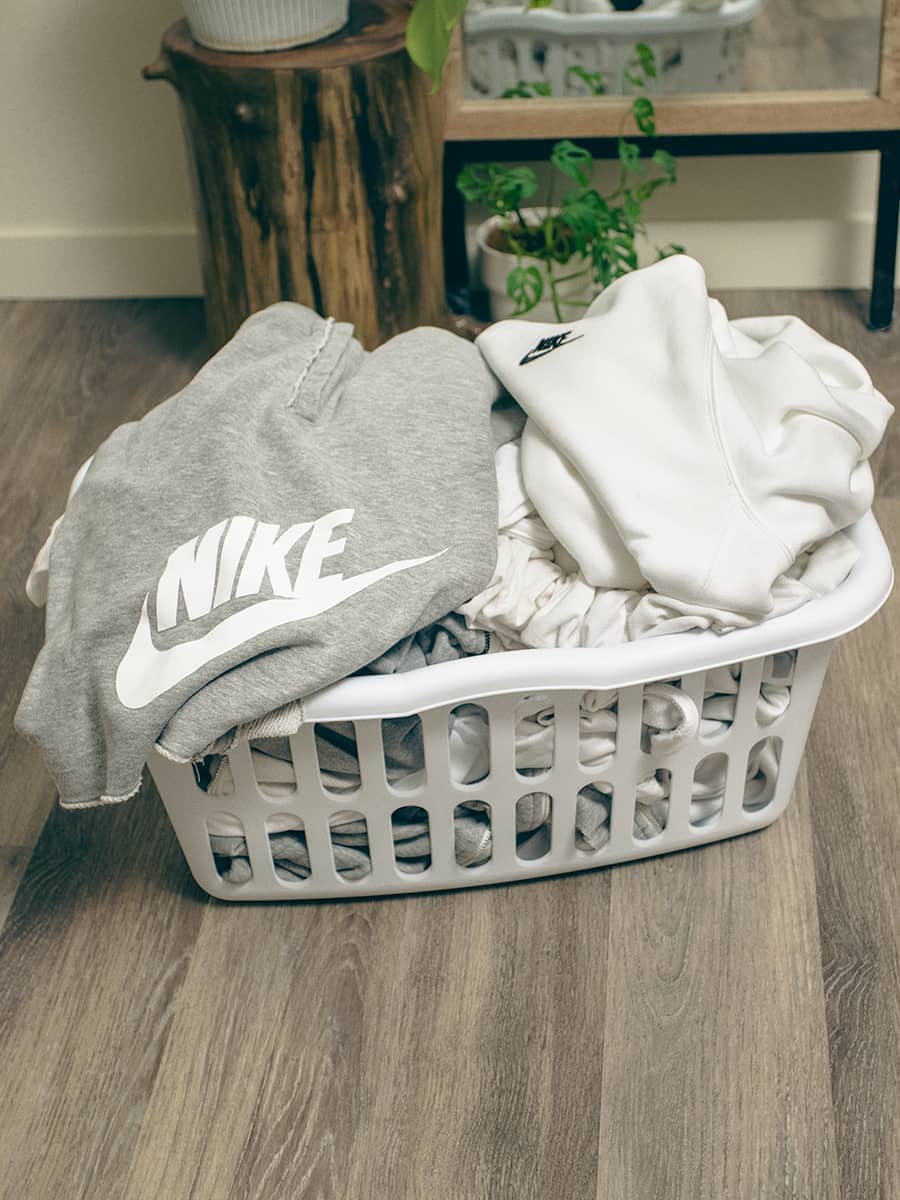
Image Source: static.nike.com
Deciphering the Source of Gym Clothes Odor
Before we can effectively eliminate the smell, it’s crucial to understand why it happens. Sweat itself is largely odorless. The pungent aroma we associate with used gym clothes is actually caused by bacteria that thrive in the moist, warm environment of your activewear. These bacteria feed on sweat and dead skin cells, breaking them down and releasing volatile organic compounds (VOCs) that have a distinctive, unpleasant smell.
Here’s a breakdown of the main culprits:
- Bacteria: As mentioned, various types of bacteria, particularly Staphylococcus and Corynebacterium species, are the primary offenders. They multiply rapidly in the damp conditions inside gym clothes.
- Fabric Type: Synthetic fabrics commonly used in activewear (like polyester, nylon, and spandex) are excellent at wicking moisture away from your skin, which is great for comfort. However, these same fibers can trap odor-causing bacteria and are often less breathable than natural fibers, creating a perfect breeding ground.
- Residue Build-up: Over time, detergent, fabric softener, and body oils can build up in the fabric fibers. This residue can trap moisture and bacteria, creating a persistent musty scent even after washing.
- Improper Washing: Not washing gym clothes soon enough after a workout, using low wash temperatures, or overcrowding the washing machine can all contribute to the odor problem.
- High-Intensity Workouts: The more you sweat, the more fuel bacteria have to produce odors.
The Foundation: Washing Gym Clothes Effectively
Washing your gym clothes correctly is the absolute cornerstone of odor removal. Simply tossing them in the machine with your regular laundry won’t cut it. Here’s how to wash your workout gear sanitation properly:
1. Act Fast: Don’t Let Them Linger
The longer sweaty clothes sit in a hamper, the more time bacteria have to multiply and embed themselves into the fabric.
- Immediate Rinse: If you can’t wash them right away, give your gym clothes a quick rinse in cold water after your workout. This helps remove some of the initial sweat and reduces bacterial growth.
- Air Dry: Hang them up to air dry instead of stuffing them into a gym bag. This allows them to breathe and prevents moisture from becoming a breeding ground for bacteria.
- Dedicated Hamper: Consider a breathable, mesh laundry hamper specifically for gym clothes. This allows air to circulate, preventing that damp, stagnant smell.
2. Choose the Right Wash Cycle and Temperature
This is where many people go wrong. Hot water is generally best for killing bacteria, but always check the care label on your garments.
- Water Temperature: Opt for the hottest water temperature recommended on your garment’s care label. For most synthetics, hot water can damage the fibers or elasticity. In such cases, warm water is the next best option. Cold water is generally insufficient for effective odor removal.
- Cycle Selection: A “heavy duty” or “sanitize” cycle, if available, is ideal. If not, a normal wash cycle is acceptable, but you might need to add extra steps or products for tougher odors.
3. Detergent Power: What to Use and How Much
Using the right detergent is critical.
- Enzyme-Based Detergents: Look for detergents that contain enzymes. These enzymes are specifically designed to break down organic matter like sweat, body oils, and proteins, which are the food source for odor-causing bacteria.
- Avoid Fabric Softeners: Fabric softeners can coat fabric fibers, trapping residue and creating a barrier that prevents water and detergent from reaching bacteria. This can actually worsen odor problems over time and reduce the wicking properties of your activewear.
- Use Enough, But Not Too Much: Too little detergent won’t clean effectively. Too much can leave residue that traps odors. Follow the detergent manufacturer’s recommendations for your load size.
4. Pre-Treating Stubborn Smells
For clothes that already have a strong odor, pre-treatment is essential for true odor removal.
- Vinegar Soak: White vinegar is a fantastic natural deodorizer and disinfectant.
- Fill your washing machine drum or a separate basin with cool water.
- Add 1-2 cups of white distilled vinegar.
- Submerge your gym clothes and let them soak for at least 30 minutes, or even a few hours for very strong odors.
- Drain the vinegar water and then wash the clothes as usual, but without adding any detergent yet.
- After this initial vinegar rinse, wash them with your detergent in a separate load.
- Baking Soda Boost: Baking soda is another powerful natural deodorizer.
- Add ½ cup of baking soda directly to the washing machine drum along with your gym clothes.
- Add your detergent and run the wash cycle.
- Alternatively, you can create a paste of baking soda and water, rub it onto particularly smelly areas (like armpits), let it sit for 15-30 minutes, and then wash.
- Borax Treatment: Borax is a natural mineral that acts as a laundry booster and deodorizer.
- Add ½ cup of Borax to your wash cycle along with your detergent.
- It helps soften water and boost the cleaning power of your detergent.
5. The Rinse Cycle Matters
A thorough rinse is crucial for removing detergent and loosened grime.
- Extra Rinse: Many washing machines have an “extra rinse” option. Use it! This ensures all detergent residue and odor-causing particles are flushed away.
- Double Rinse: If you don’t have an extra rinse cycle, consider running the clothes through a second rinse cycle on its own.
6. Drying is Key: Heat and Airflow
Proper drying prevents the resurgence of odors.
- Air Drying: Whenever possible, air dry your gym clothes. This is gentler on the fabric and still effective at preventing odors. Hang them on a drying rack or a clothesline.
- Tumble Drying on Low Heat: If you must use a dryer, use the lowest heat setting possible. High heat can damage synthetic fabrics and set in any remaining odors, making them harder to remove later. Ensure the clothes are completely dry before storing them.
- Avoid Overcrowding the Dryer: Just like the washing machine, an overloaded dryer won’t dry clothes effectively and can lead to lingering dampness and smells.
Beyond the Wash: Additional Odor Removal Strategies
Sometimes, even with the best washing practices, a stubborn musty scent elimination is still needed. Here are some additional laundry hacks for gym clothes to tackle persistent odors:
Using Natural Deodorizers
Nature offers some powerful solutions for odor removal.
- Lemon Juice: The citric acid in lemon juice can help break down odor-causing bacteria and acts as a natural brightener.
- Before washing, rub fresh lemon juice onto particularly smelly areas.
- Let it sit for about 15-30 minutes.
- Wash as usual.
- Sunlight: Sunlight is a powerful natural disinfectant. After washing, hang your gym clothes outside on a sunny day. The UV rays can help kill remaining bacteria and freshen the fabric.
Antibacterial Laundry Boosters
For extra-assured workout gear sanitation, consider using laundry boosters designed for antibacterial laundry.
- Hydrogen Peroxide: A mild disinfectant, hydrogen peroxide can be used in laundry.
- Add ½ cup of 3% hydrogen peroxide to your washing machine’s bleach dispenser (never mix directly with bleach!).
- Wash your gym clothes with your regular detergent.
- Ozone Washing Machines: Some high-end washing machines offer an ozone cycle, which uses ozone gas to sanitize and deodorize laundry without chemicals.
Fabric Refresher for Quick Fixes
If your gym clothes aren’t heavily soiled but just need a refresh between washes, a fabric refresher can be a lifesaver.
- DIY Fabric Refresher Spray:
- In a spray bottle, combine:
- 1 cup of water
- 1/4 cup of white vinegar
- 10-15 drops of essential oil (tea tree, lavender, or eucalyptus are good choices for their antibacterial and deodorizing properties)
- Shake well before each use.
- Lightly spray the fabric and allow it to air dry. This is a great way to combat sweat smell prevention between intense workouts if you can’t wash them immediately.
- In a spray bottle, combine:
Tackling Odors in Specific Fabrics
- Synthetics (Polyester, Nylon, Spandex): These fabrics are prone to odor retention. Focus on enzyme-based detergents and avoid fabric softeners. Pre-soaking in vinegar is highly effective.
- Cotton: While more breathable than synthetics, cotton can still hold onto odors, especially if it’s blended with synthetics. Hotter water is generally safer for cotton, aiding in musty scent elimination.
Preventing Future Odors: Proactive Sweat Smell Prevention
The best approach to dealing with gym clothes odor is to prevent it from happening in the first place. Here are some key strategies for proactive sweat smell prevention:
Smart Storage Solutions
- Don’t Ball Them Up: Never ball up sweaty gym clothes. Hang them or lay them flat to allow for maximum air circulation.
- Breathable Bags: If you must store them temporarily in a bag, use a mesh or breathable fabric bag instead of a plastic one.
Hydration and Hygiene
- Stay Hydrated: Drinking enough water helps flush out toxins, which can sometimes contribute to body odor.
- Post-Workout Shower: Showering immediately after your workout helps wash away sweat and bacteria from your skin, reducing the amount that transfers to your clothes.
Addressing Athlete’s Foot Prevention and Other Skin Issues
Sometimes, foot odor can transfer to socks and then to shoes and other workout gear.
- Wash Socks Separately: Always wash your athletic socks with your gym clothes.
- Antifungal Sprays/Powders: If you are prone to athlete’s foot, use antifungal sprays or powders on your feet and in your shoes. This helps prevent the spread of odor-causing fungi. Ensure your gym shoes are aired out properly after each use.
Gear Maintenance Beyond Clothes
- Gym Shoes: Don’t forget your gym shoes! They can harbor significant odor.
- Air them out after every use.
- Use baking soda or specialized shoe deodorizers inside them.
- Wash washable shoes occasionally according to their care instructions.
- Gym Bags: Regularly clean your gym bag. Wipe it down with disinfectant wipes or wash it if possible.
Troubleshooting Persistent Odors
If you’ve tried everything and your gym clothes still smell, consider these possibilities:
Residue Build-up from Detergents or Softeners
Over time, residue from detergents or fabric softeners can clog fabric fibers.
- Stripping the Clothes: You can “strip” your clothes to remove this build-up.
- Fill a tub or basin with hot water.
- Add ½ cup of Borax, ½ cup of washing soda (sodium carbonate, not baking soda), and a strong detergent.
- Submerge your gym clothes and let them soak for at least 4-6 hours or overnight.
- Rinse thoroughly and then wash them as usual.
Washing Machine Maintenance
Your washing machine itself can harbor bacteria and mold, which can transfer to your laundry.
- Regular Cleaning: Run an empty hot water cycle with vinegar or a specialized washing machine cleaner once a month.
- Clean the Dispenser Drawer: Ensure the detergent dispenser and any fabric softener compartments are cleaned regularly.
- Wipe Down the Door Seal: For front-loaders, wipe down the rubber door seal after each use to prevent mold and mildew.
Fabric Degradation
Some synthetic fabrics are simply more prone to holding onto odors. If a garment consistently smells despite all efforts, it might be time to replace it.
Table: Quick Guide to Odor Removal
| Problem | Solution | Key Ingredients/Methods |
|---|---|---|
| General Odor | Wash promptly in hot or warm water with enzyme-based detergent. | Enzyme detergent |
| Lingering Sweat Smell | Pre-soak in vinegar or baking soda solution. | White vinegar, baking soda |
| Stubborn Musty Scent | Use Borax or hydrogen peroxide as a laundry booster. | Borax, hydrogen peroxide |
| Residue Build-up | Strip clothes by soaking in hot water with Borax and washing soda. | Borax, washing soda |
| Between Washes Refresh | Use a DIY fabric refresher spray or commercial product. | Vinegar, essential oils, water |
| Preventative Sweat Smell Prevention | Air dry clothes, use breathable hampers, clean gym bags regularly. | Air circulation, proper storage |
| Athlete’s Foot Prevention | Use antifungal treatments on feet and shoes, wash socks thoroughly. | Antifungal products |
Frequently Asked Questions (FAQ)
Q1: Can I use bleach on my gym clothes?
A1: While bleach can kill bacteria, it can also degrade synthetic fibers over time, reducing their elasticity and wicking capabilities. If you choose to use bleach, use it sparingly and on white or bleach-safe colored items only. Always dilute it properly. For colored activewear, consider alternatives like hydrogen peroxide or vinegar.
Q2: How often should I wash my gym clothes?
A2: Ideally, gym clothes should be washed after every use. If this isn’t possible, at least rinse them and hang them to air dry until you can wash them. Leaving them damp and balled up for extended periods accelerates odor buildup.
Q3: What are the best detergents for gym clothes?
A3: Look for detergents specifically designed for activewear or those containing enzymes that break down protein-based stains and odors. Avoid detergents with added fabric softeners or heavy perfumes, as these can leave residue and trap smells.
Q4: Is it better to air dry or machine dry gym clothes?
A4: Air drying is generally preferred for gym clothes. The heat from a machine dryer can damage the synthetic fibers and elastic, and it can also “bake in” any remaining odors, making them harder to remove. If you must use a dryer, opt for the lowest heat setting and remove them as soon as they are dry.
Q5: How do I get rid of the smell in my gym shoes?
A5: Gym shoes can be a major source of odor. After each use, remove the insoles if possible and air them out completely. You can also sprinkle baking soda or use specialized shoe deodorizing inserts inside them to absorb moisture and odors. For washable shoes, follow the manufacturer’s instructions for cleaning.
By implementing these comprehensive strategies, you can move beyond the temporary fixes and achieve a lasting solution to gym clothes odor. Consistent adherence to proper washing techniques, smart storage, and preventative measures will ensure your workout gear sanitation is top-notch, leaving you with fresh, clean clothes ready for your next sweat session. The days of embarrassing gym clothes smells are officially over!