
Can you build muscle without hitting the gym or going for runs? Yes, it is possible to gain muscle mass through strategic nutrition and lifestyle choices, even without dedicated exercise. While exercise, particularly resistance training, is the most direct and efficient way to stimulate muscle growth, focusing on your diet, recovery, and hormonal balance can still contribute to gaining muscle. This guide explores how to achieve this through smart, non-exercise-based strategies.
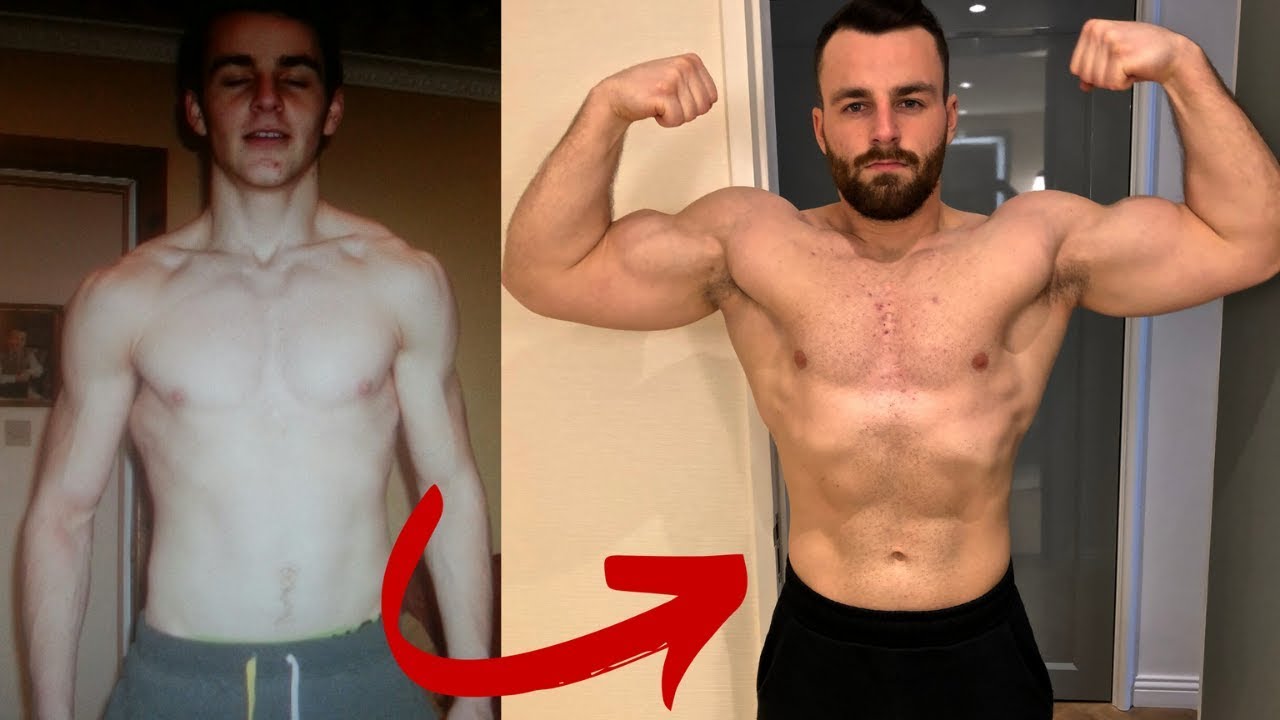
Image Source: i.ytimg.com
The Cornerstone of Muscle Growth: Nutrition
Nutrition is the absolute foundation of muscle gain. Think of your body like a construction site; you need the right building materials to build something strong. For muscle, these materials are primarily protein and the energy to fuel the building process.
Fueling the Gains: Caloric Surplus
To gain muscle, you need to consume more calories than your body burns. This is known as a caloric surplus. Without enough energy, your body won’t have the resources to build new muscle tissue.
- How much surplus? A modest surplus of 250-500 calories per day above your maintenance level is generally recommended. This helps promote muscle growth while minimizing excess fat gain. Too large a surplus can lead to excessive fat accumulation, which isn’t ideal for muscle definition.
- Tracking your intake: Using a food diary or a calorie-tracking app can be incredibly helpful in ensuring you’re consistently hitting your surplus goals.
The Power of Protein: Protein Intake
Protein intake is critical for muscle repair and growth. Protein is made up of amino acids, which are the building blocks of muscle tissue. When you consume protein, your body breaks it down into amino acids and uses them to repair muscle fibers that have been broken down and to build new ones.
- How much protein? Aim for at least 1.6 to 2.2 grams of protein per kilogram of body weight per day. For someone weighing 70 kg (154 lbs), this would be around 112 to 154 grams of protein daily.
- Timing of protein: While total daily protein intake is most important, consuming protein around the time you might have typically exercised (e.g., post-meal) can be beneficial. Spreading your protein intake throughout the day also supports consistent muscle protein synthesis.
Sources of Quality Protein:
- Lean meats (chicken, turkey, lean beef)
- Fish (salmon, tuna, cod)
- Eggs
- Dairy products (milk, yogurt, cheese)
- Legumes (beans, lentils)
- Tofu and tempeh
- Protein powders (whey, casein, soy, plant-based)
The Role of Carbohydrates and Fats
While protein is king, carbohydrates and healthy fats are also essential components of your diet for muscle gain.
- Carbohydrates: These are your body’s primary energy source. Sufficient carbohydrate intake ensures you have the energy to fuel all bodily functions, including the energy-intensive process of muscle building. They also help replenish glycogen stores, which are important for muscle recovery. Choose complex carbohydrates like whole grains, fruits, and vegetables.
- Healthy Fats: Fats are crucial for hormone production, including those that play a role in muscle growth. They also help with nutrient absorption. Include sources like avocados, nuts, seeds, and olive oil.
Smart Supplements for Muscle Support
While supplements are not a magic bullet and should complement a solid diet, some can offer advantages in supporting muscle gain, especially when exercise is limited.
Essential Supplements to Consider:
- Creatine Monohydrate: This is one of the most researched and effective supplements for increasing muscle strength and size. It helps your muscles produce energy during high-intensity activities, leading to better performance and, consequently, muscle growth stimuli.
- Whey Protein: If you struggle to meet your protein targets through whole foods alone, whey protein is a convenient and fast-digesting source of amino acids.
- Branched-Chain Amino Acids (BCAAs): BCAAs (leucine, isoleucine, and valine) are particularly important for muscle protein synthesis. While they are found in protein-rich foods, a BCAA supplement can be beneficial if your diet is lacking or if you want an extra boost.
- HMB (Beta-Hydroxy Beta-Methylbutyrate): HMB is a metabolite of the amino acid leucine. Some research suggests it can help reduce muscle breakdown and promote muscle growth, especially in individuals who are new to training or undergoing periods of reduced activity.
Table 1: Supplement Guide for Muscle Gain (Non-Exercise Focus)
| Supplement | Primary Benefit for Muscle Gain | Typical Dosage | Notes |
|---|---|---|---|
| Creatine Monohydrate | Increased strength, power, and muscle cell hydration. | 3-5 grams per day. Loading phase optional. | Best taken consistently. |
| Whey Protein | Convenient way to increase protein intake for muscle repair. | 20-30 grams post-meal or as needed. | Choose isolate or hydrolysate for faster absorption if desired. |
| BCAAs | May help reduce muscle breakdown and stimulate muscle synthesis. | 5-10 grams before, during, or after activity. | Primarily beneficial if dietary protein is insufficient. |
| HMB | Can help reduce muscle protein breakdown. | 3 grams per day, divided into doses. | More effective for beginners or those with very low training stimulus. |
The Power of Recovery and Rest
Recovery is as vital as any nutrient or supplement for muscle growth. When you engage in activities that stress your muscles (even if it’s just daily life activities), microscopic tears occur in the muscle fibers. During rest and recovery, your body repairs these tears, making the muscles stronger and larger.
Sleep: The Ultimate Recovery Tool
Sleep is arguably the most crucial aspect of recovery. This is when your body releases growth hormone, which is essential for tissue repair and muscle building.
- How much sleep? Aim for 7-9 hours of quality sleep per night.
- Optimizing sleep: Establish a regular sleep schedule, create a dark and quiet sleep environment, and avoid screens before bed.
Other Recovery Strategies:
- Stress Management: Chronic stress elevates cortisol levels, a hormone that can break down muscle tissue. Engaging in relaxation techniques like meditation, deep breathing, or light stretching can help manage stress.
- Active Recovery (Gentle Movement): While we’re focusing on without exercise, very light activities like walking or gentle stretching can promote blood flow, which aids in nutrient delivery and waste removal from muscles, supporting the recovery process.
- Hydration: Proper hydration is crucial for all bodily functions, including muscle repair and nutrient transport. Drink plenty of water throughout the day.
Hormonal Balance and Muscle Growth
Hormonal balance plays a significant role in muscle growth. Certain hormones, like testosterone and growth hormone, are anabolic, meaning they promote tissue building.
- Testosterone: While resistance training is a potent stimulus for testosterone production, other factors can influence it, including adequate sleep, a healthy diet rich in zinc and vitamin D, and stress management.
- Growth Hormone (GH): GH is released during deep sleep and can also be influenced by exercise. Prioritizing sleep is key to maximizing GH release for muscle repair.
- Insulin: This hormone helps shuttle nutrients, particularly glucose and amino acids, into muscle cells. A balanced diet that avoids sharp blood sugar spikes can help maintain healthy insulin sensitivity.
Exploring Resistance Training Alternatives
While the focus is on without exercise, it’s important to acknowledge that some form of mechanical tension or stress on the muscles is what signals them to grow. If traditional weightlifting is off the table, consider these resistance training alternatives that can still provide a stimulus:
-
Bodyweight Exercises: Even without going to the gym, you can use your own body weight for resistance. Think of exercises like:
- Push-ups: Works chest, shoulders, triceps.
- Squats: Works quads, hamstrings, glutes.
- Lunges: Works quads, hamstrings, glutes, improves balance.
- Planks: Works core muscles.
- Calf raises: Works calf muscles.
These can be performed at home and gradually made more challenging by increasing repetitions, holding positions longer, or finding variations.
-
Resistance Bands: These are versatile, portable, and offer a great way to add resistance to various movements. You can mimic many gym exercises with resistance bands.
- Band Pull-Aparts: For upper back and shoulders.
- Band Rows: For back muscles.
- Band Bicep Curls: For biceps.
- Band Squats: For legs and glutes.
-
Isometric Exercises: These involve holding a muscle contraction without any visible movement. They can build strength and muscle endurance.
- Wall Sit: Holding a squat position against a wall.
- Plank: Holding a push-up position.
- Glute Squeeze: Tensing your glutes for a period.
While these are technically forms of “exercise,” they can be done without traditional gym equipment and at a very low intensity if needed, focusing more on the dietary and recovery aspects. The key is that some form of mechanical stress is needed for significant muscle protein synthesis.
Building Muscle Through Everyday Activities
Even without dedicated workouts, you can leverage everyday activities to create a stimulus for muscle growth.
- Incorporate resistance into daily chores: Carrying heavy grocery bags, gardening, or even moving furniture can engage your muscles.
- Take the stairs: Whenever possible, opt for stairs instead of elevators or escalators.
- Stand and move regularly: Avoid prolonged sitting. Get up and move around every 30-60 minutes. This improves circulation and can subtly engage muscles.
Realistic Expectations and Patience
It’s crucial to set realistic expectations. Gaining significant muscle mass without any form of resistance training is challenging and will likely be slower than with a dedicated program. The body is remarkably efficient, and without a clear signal of increased demand (like that from lifting weights), its drive to build extra muscle tissue is reduced.
However, by meticulously focusing on your nutrition, ensuring adequate protein intake, utilizing supplements wisely, prioritizing recovery and sleep, and maintaining good hormonal balance, you can still make progress. This approach might be more about maintaining muscle mass and achieving a lean, toned physique rather than significant hypertrophy (muscle growth).
Frequently Asked Questions (FAQ)
Q1: Can I really build significant muscle without lifting weights?
A1: While you can improve muscle tone and strength, building significant muscle mass without any form of resistance or mechanical stress on the muscles is very difficult. Nutrition and recovery are essential, but they work best when paired with a stimulus for growth.
Q2: What is the most important factor for muscle gain if I’m not exercising?
A2: If you are avoiding exercise, nutrition is by far the most critical factor. Specifically, a consistent caloric surplus and sufficient protein intake are paramount.
Q3: How much protein do I need if I’m not exercising?
A3: Even without exercise, your body needs protein for daily repair and maintenance of tissues. Aim for at least 1.2 to 1.6 grams of protein per kilogram of body weight per day. This ensures your body has enough building blocks.
Q4: Can I use supplements to replace exercise for muscle gain?
A4: No, supplements cannot replace exercise for muscle gain. They can support muscle growth when combined with proper nutrition and a stimulus (like exercise), but they are not a substitute.
Q5: How important is sleep for muscle growth when not exercising?
A5: Sleep remains incredibly important for muscle growth, even without exercise. It’s during sleep that your body releases growth hormone, which is vital for tissue repair and building. Aim for 7-9 hours of quality sleep.
Q6: What are some resistance training alternatives I can do at home?
A6: You can use bodyweight exercises like push-ups, squats, and planks, or utilize resistance bands for a variety of movements to create muscle stimulus without gym equipment.
Q7: Will I gain fat if I’m in a caloric surplus without exercise?
A7: Yes, it is highly likely you will gain fat if you are in a consistent caloric surplus without expending the extra energy through exercise. This is why a modest surplus is recommended, and focusing on nutrient-dense foods is key.
Q8: How can I improve my hormonal balance for muscle gain naturally?
A8: Prioritize sleep, manage stress, consume a balanced diet with healthy fats, and ensure adequate intake of micronutrients like zinc and vitamin D.
Q9: What is muscle protein synthesis and how does it relate to gaining muscle without exercise?
A9: Muscle protein synthesis is the process by which your body builds new muscle proteins. Exercise, particularly resistance training, is a major trigger for this process. Without that stimulus, muscle protein synthesis will occur at a much lower rate, making significant muscle gain without exercise very slow.
Q10: Is it possible to increase muscle mass without resistance training alternatives?
A10: It’s extremely difficult to gain substantial muscle mass without any form of mechanical stress on the muscles. While nutrition and recovery are crucial for muscle health and repair, they primarily support growth when a stimulus is present. You might see slight improvements through diet and hormonal balance alone, but it will be minimal compared to incorporating some form of resistance.