
Can cats exercise to lose weight? Yes, cats can absolutely exercise to lose weight, and it’s a crucial part of their overall health and happiness. Many cats struggle with their weight, leading to various health issues like diabetes, arthritis, and heart problems. Fortunately, with the right approach, you can help your feline friend shed those extra pounds and live a longer, healthier life. This guide will delve deep into cat weight loss exercises, creating a feline fitness plan, and managing cat obesity management through effective overweight cat exercise routines.
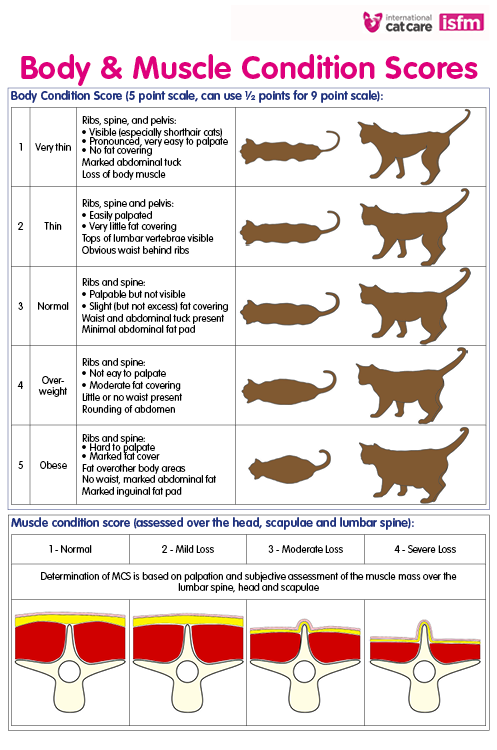
Image Source: www.rochfordvets.co.uk
Why Your Cat Needs to Move More
Cats are natural predators, built for bursts of energy, stalking, pouncing, and climbing. However, modern domestic life often robs them of these opportunities. Indoor cats, especially, can lead sedentary lifestyles, relying on their humans for food and entertainment. This lack of natural movement, combined with overfeeding, is a recipe for weight gain.
Cat obesity management isn’t just about aesthetics; it’s about preventing serious health complications.
- Joint Health: Excess weight puts immense strain on a cat’s joints, leading to painful arthritis and reduced mobility.
- Diabetes: Obese cats are significantly more prone to developing feline diabetes.
- Heart Disease: Carrying extra weight can stress the cardiovascular system.
- Urinary Tract Issues: Obesity can contribute to urinary tract infections and other problems.
- Shorter Lifespan: Overweight cats generally have a shorter lifespan than their healthy-weight counterparts.
Assessing Your Cat’s Weight
Before starting any exercise program, it’s vital to determine if your cat is indeed overweight. Your veterinarian is the best resource for this assessment. They can perform a physical examination, feel your cat’s ribs and spine, and assign a body condition score (BCS). Generally, a BCS of 5 out of 9 is considered ideal.
You can also do a basic check at home:
- Ribs: Gently run your hands along your cat’s sides. You should be able to feel their ribs easily without pressing hard. If you have to press hard to feel them, they are likely overweight.
- Waist: When looking at your cat from above, they should have a visible waist indentation behind their rib cage. If they look like a straight tube or have a rounded belly, they are likely overweight.
- Abdomen: When viewed from the side, your cat’s abdomen should tuck up slightly from their rib cage to their hind legs. A sagging belly indicates excess fat.
The Cornerstones of Cat Weight Loss Exercise
A successful feline fitness plan focuses on two key areas: increasing calorie expenditure through exercise and managing calorie intake through diet. While diet is paramount, exercise plays a vital role in burning calories, building muscle, and improving overall well-being.
1. Calorie Burning Cat Activities: The Power of Play
Play is the most natural and effective way to get your cat moving. Think like a hunter, and you’ll figure out how to get your cat engaged.
Interactive Cat Toys: Engaging Their Inner Hunter
Interactive cat toys are essential for cat weight loss exercises. These toys mimic prey, stimulating your cat’s natural hunting instincts.
- Feather Wands: The classic feather wand cat play is a fantastic way to get your cat chasing, jumping, and batting. Move the wand erratically, making it dart and hide behind furniture, just like a bird or insect. Vary the speed and height of the “prey.”
- Laser Pointers: A laser pointer cat exercise can be incredibly effective for quick bursts of activity. However, it’s crucial to end a laser session with a tangible “catch.” Direct the laser onto a physical toy or treat that your cat can capture, preventing frustration. Never shine the laser directly into your cat’s eyes.
- Ball Toys: Lightweight balls that they can chase and bat around are great. Some cats even enjoy a game of fetch!
- Crinkle Balls: The sound and movement of these toys can be irresistible.
- Springs: These bouncy toys encourage pouncing and chasing.
Key Principles for Playtime:
- Consistency: Aim for at least two 10-15 minute play sessions per day.
- Variety: Rotate toys to keep things interesting.
- Mimic Prey: Move toys erratically, hide them, and let them escape occasionally.
- End with Success: Always allow your cat to “catch” the toy at the end of a play session.
Puzzle Feeders for Cats: Mental and Physical Stimulation
Puzzle feeders for cats are brilliant tools for cat weight loss exercises and managing cat obesity management. Instead of simply putting food in a bowl, these feeders require your cat to work to get their kibble. This slows down their eating, provides mental stimulation, and forces them to expend energy.
- How they work: Cats have to push, bat, or manipulate the feeder to release food.
- Benefits:
- Slows eating: Prevents gulping and aids digestion.
- Encourages activity: Cats have to move to access food.
- Mental stimulation: Prevents boredom and discourages destructive behavior.
- Mimics natural foraging: Cats in the wild spend a significant amount of time hunting for food.
You can start with simpler puzzle feeders and gradually increase the difficulty as your cat becomes more adept. Many brands offer a variety of designs.
Vertical Space and Climbing Opportunities
Cats love to climb. Providing vertical space encourages them to stretch, jump, and explore, all of which contribute to calorie burning.
- Cat trees and condos: Invest in sturdy cat trees with multiple levels.
- Wall-mounted shelves: Create climbing pathways on your walls.
- Window perches: Allow them to survey their territory and get some exercise reaching their favorite spots.
2. Can I Walk My Cat? The Art of Leash Training
For some cats, walking your cat on a leash can be a safe and rewarding outdoor activity. Not all cats are suited for this, and it requires patience and proper training.
Leash Training Your Cat: A Step-by-Step Approach
-
Introduce the Harness:
- Let your cat sniff and investigate the harness.
- Place the harness on the floor near them.
- Give treats and praise when they show interest.
- Gently place the harness on their back, without fastening it. Reward them.
- Repeat this several times over a few days, gradually getting them used to the feel.
-
Fasten the Harness:
- Once they are comfortable with the harness on their back, buckle it for short periods.
- Immediately offer high-value treats and praise.
- Remove the harness after a minute or two.
- Gradually increase the duration the harness is worn.
-
Attach the Leash:
- When your cat is comfortable wearing the harness for longer periods, attach a lightweight leash.
- Let them drag the leash around the house under supervision. This helps them get used to the sensation.
-
First Outdoor Adventures:
- Choose a quiet, safe area for the first outdoor excursion.
- Carry your cat out initially and place them gently on the ground.
- Let them explore at their own pace. Don’t force them.
- Keep sessions short (5-10 minutes) at first.
- Always supervise your cat closely.
Important Considerations for Walking Your Cat:
- Safety First: Ensure the harness fits snugly but comfortably, preventing escape. Use a lightweight, non-retractable leash.
- Supervision: Never leave your cat unattended outdoors.
- Environment: Choose quiet areas free from dogs, traffic, and other potential stressors.
- Cat’s Temperament: Some cats are naturally more adventurous, while others are timid. Respect your cat’s personality. If they are clearly stressed or fearful, leash walking may not be for them.
- Vaccinations and Parasite Control: Ensure your cat is up-to-date on vaccinations and parasite prevention before venturing outdoors.
3. Incorporating Movement Throughout the Day
Beyond dedicated play sessions, look for ways to encourage natural movement throughout the day.
- Food Placement: If you have multiple cats, place their food bowls in different locations, encouraging them to walk between meals.
- Elevated Feeding Stations: While not always necessary, for some cats, having their food bowl on a slightly elevated platform can encourage more upright posture and movement.
- Treat Dispensing Toys: Use a few kibbles or treats in a puzzle feeder for cats or scattered in different rooms to encourage them to seek them out.
Designing a Feline Fitness Plan: Putting it all Together
A successful feline fitness plan needs to be tailored to your individual cat’s needs, age, breed, and current fitness level.
Tailoring the Plan to Your Cat
- Kitten: Kittens are naturally energetic and can handle longer, more frequent play sessions.
- Adult Cats: Aim for two to three 10-15 minute play sessions daily.
- Senior Cats: While their energy levels may be lower, gentle play and regular movement are still crucial. Focus on low-impact activities.
- Cats with Health Conditions: Always consult your veterinarian before starting an exercise program, especially if your cat has any underlying health issues. They can advise on appropriate activities and intensity.
Sample Weekly Feline Fitness Plan
This is a general guideline. Adjust based on your cat’s response and enjoyment.
| Day | Morning Activity (10-15 min) | Afternoon Activity (10-15 min) | Evening Activity (10-15 min) | Notes |
|---|---|---|---|---|
| Monday | Feather wand cat play (mimic bird hunting) | Puzzle feeder with part of their meal | Laser pointer cat exercise (end with a tangible toy catch) | Focus on energetic play. |
| Tuesday | Chase a crinkle ball or spring toy | Explore interactive cat toys (e.g., tunnel, pop-up toy) | Gentle chasing with feather wand | Mix up the types of toys used. |
| Wednesday | Puzzle feeder with part of their meal | Laser pointer cat exercise (target moving objects) | Chase a lightweight ball or spring toy | Encourage climbing between sessions if possible. |
| Thursday | Feather wand cat play (focus on pouncing) | Explore interactive cat toys (e.g., rolling ball maze) | Puzzle feeder with part of their meal | Vary the pace and intensity. |
| Friday | Chase a crinkle ball or spring toy | Laser pointer cat exercise (use different patterns) | Feather wand cat play (focus on quick bursts) | More active day. |
| Saturday | Walking your cat (if trained and weather permits) | Puzzle feeder with part of their meal | Interactive cat toys (e.g., track ball, motion-activated toys) | Outdoor activity or extended indoor play. |
| Sunday | Feather wand cat play (gentle, stretching movements) | Laser pointer cat exercise (short, focused session) | Puzzle feeder with part of their meal | Lighter activity day. |
Important Note: If your cat is severely overweight or has mobility issues, start with very short, gentle sessions. The goal is to build up gradually.
Beyond Exercise: Diet is Key
While exercise is vital for cat weight loss exercises and overall health, it’s only one part of the equation. Cat obesity management requires a concurrent focus on diet.
- Consult Your Veterinarian: The most crucial step is to work with your vet to determine your cat’s ideal weight and create a safe and effective weight loss diet plan. They can recommend specific cat food formulas and portion sizes.
- Portion Control: Measure your cat’s food precisely using a kitchen scale or measuring cup. Don’t free-feed.
- High-Quality Food: Choose a high-quality, high-protein, low-carbohydrate cat food. Your vet can guide you on the best options.
- Limit Treats: Treats should be given sparingly and accounted for in the daily calorie intake. Opt for healthy, low-calorie options or use a few kibbles from their daily ration.
- No Table Scraps: Human food is often too high in fat and calories for cats and can be harmful.
Monitoring Progress and Staying Motivated
Weight loss is a journey, and it’s important to track your cat’s progress and celebrate milestones.
- Regular Weigh-ins: Weigh your cat regularly (every 2-4 weeks) at your vet’s office or using a baby scale if you have one at home.
- Body Condition Score: Re-assess their BCS to see if you can feel their ribs more easily.
- Observe Behavior: Notice improvements in their energy levels, playfulness, and mobility.
- Don’t Get Discouraged: If progress seems slow, consult your vet. There might be underlying factors.
- Keep it Fun: For both you and your cat! If play sessions become a chore, it won’t be sustainable.
Frequently Asked Questions (FAQ)
Q: How often should I exercise my overweight cat?
A: Aim for at least two 10-15 minute play sessions per day. Consistency is key. You can also incorporate shorter bursts of activity throughout the day by using puzzle feeders or scattering kibble.
Q: What are the best interactive cat toys for weight loss?
A: The best toys mimic prey and encourage chasing, pouncing, and batting. Feather wand cat play, laser pointer cat exercise (with a tangible ending), interactive cat toys like tunnels and balls, and puzzle feeders for cats are all excellent choices for cat weight loss exercises.
Q: Can I walk my cat on a leash?
A: Yes, many cats can be trained to walk on a leash. It requires patience and proper harness training. Ensure the harness fits well and the environment is safe. It’s a great way to add calorie burning cat activities, but not all cats will enjoy or tolerate it.
Q: How much should I feed my cat if they are on a weight loss plan?
A: You must consult your veterinarian for specific dietary recommendations. They will calculate the appropriate calorie intake based on your cat’s ideal weight and metabolic rate. Portion control with high-quality food is essential for cat obesity management.
Q: My cat is older and has arthritis. How can I exercise them safely?
A: For senior cats or those with mobility issues, focus on gentle, low-impact overweight cat exercise. Short, frequent play sessions with toys that don’t require excessive jumping or running are best. Your vet can recommend specific exercises and pain management strategies.
Q: How can puzzle feeders help my cat lose weight?
A: Puzzle feeders for cats slow down eating, which aids digestion and makes cats feel fuller. They also require mental and physical effort to access food, thus increasing calorie burning cat activities and reducing boredom-related overeating. They are a fantastic tool for cat weight loss exercises.
By incorporating regular play, smart feeding strategies, and a focus on your cat’s overall well-being, you can effectively manage cat obesity management and help your beloved companion live a healthier, happier, and more active life. Remember, consistency and patience are your greatest allies on this journey.