
Can you exercise with a hernia? Yes, with modifications and doctor approval, many people with hernias can continue to exercise safely and effectively. This guide will help you navigate exercising with a hernia, focusing on what you can do, what to avoid, and how to strengthen your body without causing further issues.
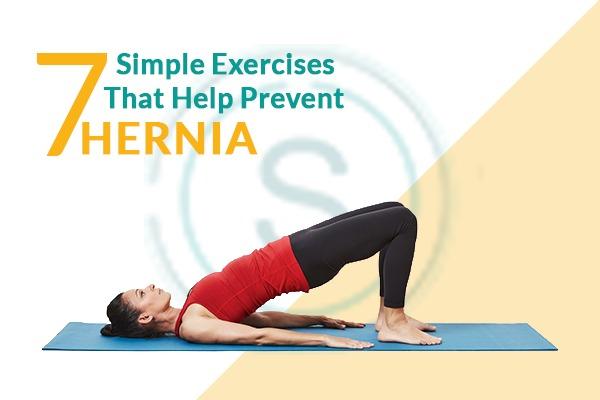
Image Source: gastroenterology.smileshospitals.com
Deciphering Hernias and Exercise
A hernia occurs when an internal organ or fatty tissue pushes through a weak spot in the surrounding muscle or connective tissue. Common types include inguinal hernias (in the groin area) and hiatal hernias (in the upper stomach). Both can be aggravated by certain physical activities that increase abdominal strain. The key to exercising with a hernia lies in choosing hernia safe exercises and employing proper lifting techniques.
Types of Hernias and Their Exercise Considerations
Inguinal Hernia Workout: For those with an inguinal hernia, the primary concern is preventing the bulge from worsening or becoming painful. Exercises that put direct pressure on the groin or involve heavy lifting should be approached with caution. The focus is on strengthening the core and surrounding muscles without exacerbating the hernia.
Hiatal Hernia Exercise: A hiatal hernia involves the stomach pushing up into the chest cavity. Exercises that increase intra-abdominal pressure, such as heavy weightlifting, straining during bowel movements, or certain intense abdominal crunches, can worsen symptoms like acid reflux or heartburn. Gentle movement and breathing exercises are often recommended.
Embracing Safe Movement: Hernia-Friendly Exercises
The goal is to build strength and improve fitness without putting undue stress on the weakened area. This involves focusing on controlled movements and engaging the correct muscles.
Core Strengthening with Hernia
A strong core is crucial for supporting the abdominal wall. However, this needs to be approached strategically.
Gentle Abdominal Exercises
- Pelvic Tilts: Lie on your back with knees bent and feet flat on the floor. Gently flatten your lower back against the floor, engaging your abdominal muscles. Hold for a few seconds, then relax. This activates the deep core muscles without strain.
- Cat-Cow Pose: Start on your hands and knees. Inhale as you drop your belly and arch your back, looking up (Cow). Exhale as you round your spine, tucking your chin to your chest (Cat). Move slowly and with control.
- Bird-Dog: From your hands and knees, extend one arm forward and the opposite leg back simultaneously. Keep your back straight and core engaged. Hold for a moment, then return to the starting position. Alternate sides.
- Modified Plank: Instead of a full plank, start on your knees. Keep your body in a straight line from head to knees. Engage your core to prevent your hips from sagging.
Breathing Techniques for Core Support
Proper breathing can significantly aid in core stabilization.
- Diaphragmatic Breathing: Lie down or sit comfortably. Place one hand on your chest and the other on your belly. Breathe in deeply through your nose, allowing your belly to rise. Exhale slowly through your mouth, drawing your belly button towards your spine. This engages the diaphragm, a key part of the core.
Low Impact Exercises for Hernia
Low-impact activities are excellent for cardiovascular health and overall fitness without high risk of injury.
- Walking: A brisk walk is one of the best ways to stay active. Start with shorter durations and gradually increase your pace and distance as tolerated. Focus on good posture.
- Swimming and Water Aerobics: The buoyancy of water reduces stress on the body. Water provides resistance for a good workout without impact. Water aerobics classes often include modifications for various conditions.
- Cycling (Stationary or Outdoor): Ensure proper bike fit to avoid leaning too far forward, which can increase abdominal pressure. A stationary bike offers more control over resistance.
- Elliptical Trainer: This machine provides a full-body workout with minimal impact on joints and the abdominal area.
- Yoga and Pilates (Modified): Certain yoga and Pilates poses can be beneficial for core strengthening with hernia, but it’s vital to avoid positions that cause strain or involve significant abdominal compression. Always inform your instructor about your condition. Modifications are key.
Exercises for Inguinal Hernia Recovery
For those recovering from inguinal hernia surgery or managing an inguinal hernia, the focus shifts to gradual strengthening.
- Gentle Leg Slides: Lie on your back with knees bent. Slowly slide one heel away from you, keeping your back pressed into the floor. Slide it back in. This engages the lower abdominal muscles without causing a bulge.
- Glute Bridges: Lie on your back with knees bent and feet flat. Lift your hips off the floor, squeezing your glutes. Hold briefly, then slowly lower. This strengthens the glutes and hamstrings, which support the pelvis and can reduce strain on the core.
- Standing Marches: Stand tall and gently lift one knee towards your chest, keeping your core engaged. Lower slowly and repeat with the other leg.
Strengthening Abdominal Muscles Safely
Strengthening abdominal muscles safely means avoiding exercises that put excessive pressure on the abdominal wall.
- Focus on Deep Core Muscles: Exercises that target the transverse abdominis (the deepest abdominal muscle) are often most beneficial. Think about gently drawing your belly button in towards your spine.
- Controlled Movements: Every exercise should be performed with slow, deliberate movements. Avoid jerky or explosive actions.
- Listen to Your Body: If you feel any discomfort or pain, stop immediately.
Exercises to Avoid with Hernia
Certain movements and activities can increase intra-abdominal pressure and put significant stress on the abdominal wall, potentially worsening a hernia.
High-Impact Activities
- Running and Jumping: High-impact activities can cause jarring movements that put pressure on the hernia.
- Contact Sports: Sports like football, rugby, or martial arts carry a high risk of impact and sudden movements that can aggravate a hernia.
Straining Exercises
- Heavy Weightlifting: Lifts that involve straining, especially those that require holding your breath (like the Valsalva maneuver), are a major no-no. This includes squats, deadlifts, and overhead presses with heavy weights.
- Sit-ups and Crunches: Traditional sit-ups and crunches, especially those done with momentum or poor form, can significantly increase abdominal pressure.
- Anything Causing Abdominal Strain: This is a general rule. If an exercise makes you feel like you’re pushing or straining in your abdominal or groin area, it’s best to avoid it.
Specific Movements to Be Wary Of
- Twisting Movements with Resistance: While some gentle twisting is okay, forceful or rapid twisting, especially while holding weight, should be avoided.
- Pushing Heavy Objects: Moving furniture or other heavy items without proper technique can lead to dangerous abdominal strain.
Proper Lifting Techniques: A Crucial Skill
Mastering proper lifting techniques is essential for anyone with a hernia, whether exercising or performing daily tasks.
The Golden Rules of Lifting
- Assess the Load: Before lifting, gauge the weight and size of the object. If it’s too heavy, get help or find a way to break it down.
- Stand Close: Position yourself as close to the object as possible.
- Wide Stance: Place your feet shoulder-width apart for a stable base.
- Bend Your Knees, Not Your Back: Squat down by bending at your hips and knees, keeping your back straight.
- Engage Your Core: Before you lift, tighten your abdominal muscles. Breathe out as you lift.
- Lift with Your Legs: Use the power of your leg muscles to stand up, keeping the object close to your body.
- Avoid Twisting: Once you have the object, move your feet to turn your body, rather than twisting your torso.
- Lower Carefully: Reverse the lifting process, bending your knees and hips.
Lifting and Hernia Safety
When you have a hernia, lifting even moderately heavy objects requires extra vigilance. Always ensure you are not straining. If you feel any pressure in the hernia area, stop immediately.
Integrating Exercise into Hernia Recovery
Hernia recovery exercises are typically introduced gradually by a healthcare professional. The focus is on rebuilding strength and function without re-injury.
Phases of Recovery
- Early Stage (Post-Surgery or Diagnosis): Focus is on rest and gentle movements to prevent blood clots and maintain mobility. This might include short walks and basic breathing exercises.
- Intermediate Stage: Gradual introduction of core strengthening with hernia and low impact exercises for hernia. The intensity and duration are slowly increased.
- Advanced Stage: A more comprehensive fitness routine can be resumed, always with careful attention to hernia safe exercises and proper lifting techniques.
Working with Healthcare Professionals
It is paramount to consult with your doctor or a physical therapist before starting any exercise program after a hernia diagnosis or surgery. They can provide personalized recommendations and guide you through safe progressions.
When to Seek Professional Help
- If you experience new or worsening pain during or after exercise.
- If you notice a bulge that increases in size or becomes more prominent.
- If you experience nausea, vomiting, or fever after exercise.
Sample Workout Routine (Consult Your Doctor First!)
This is a sample routine and must be cleared by your doctor or physical therapist before attempting. It emphasizes gentle core work and low-impact cardio.
Warm-up (5-10 minutes)
- Gentle walking in place
- Arm circles
- Leg swings (forward/back and side-to-side, keeping movement controlled)
- Cat-Cow stretch
Cardiovascular (20-30 minutes)
- Brisk walking
- Stationary cycling with light resistance
- Elliptical trainer
Strength Training (Focus on form and control)
- Pelvic Tilts (10-15 repetitions)
- Bird-Dog (8-10 repetitions per side)
- Glute Bridges (10-15 repetitions)
- Modified Plank (hold for 20-30 seconds, 2-3 repetitions)
- Wall Squats (hold for 20-30 seconds, 2-3 repetitions – ensure no strain)
Cool-down (5-10 minutes)
- Gentle stretching, focusing on major muscle groups (hamstrings, quadriceps, glutes, chest, back).
- Diaphragmatic breathing exercises.
Frequently Asked Questions (FAQ)
Q1: Can I do abdominal crunches with a hernia?
A1: Generally, traditional crunches and sit-ups are discouraged with a hernia due to the significant increase in abdominal pressure they cause. Modified core exercises that focus on controlled engagement of the deep abdominal muscles, like pelvic tilts or bird-dog, are usually safer. Always consult your doctor.
Q2: Is it safe to lift weights with an inguinal hernia?
A2: Lifting heavy weights, especially those that cause you to strain or hold your breath, is not recommended with an inguinal hernia. If you choose to lift weights, opt for lighter weights, focus on controlled movements, ensure you are breathing correctly (exhaling on exertion), and avoid any exercise that causes bulging or pain in the groin area.
Q3: What are the best exercises for a hiatal hernia?
A3: For a hiatal hernia, exercises that increase intra-abdominal pressure should be avoided. Instead, focus on low-impact cardio like walking or swimming, and gentle core exercises that promote proper posture and breathing, such as diaphragmatic breathing and pelvic tilts. Yoga and Pilates, when modified appropriately, can also be beneficial.
Q4: How soon can I exercise after hernia surgery?
A4: The timeline for returning to exercise after hernia surgery varies depending on the type of surgery, the extent of the repair, and your individual healing process. Most surgeons recommend avoiding strenuous activity and heavy lifting for 4-6 weeks. Light walking is usually encouraged soon after surgery. Always follow your surgeon’s specific post-operative instructions.
Q5: What should I do if I feel pain during an exercise for my hernia?
A5: If you experience any pain, especially a sharp or increasing pain, or a feeling of bulging or pressure in the hernia area during exercise, stop immediately. Rest and, if the pain persists or worsens, contact your doctor or a physical therapist. Pushing through pain can lead to more serious complications.
Q6: Can I run with a hernia?
A6: Running involves impact and can increase abdominal pressure, which may aggravate a hernia. While some individuals with very mild hernias might tolerate very light jogging, it’s generally advisable to stick to lower-impact cardiovascular activities like walking, swimming, or cycling. Consult your doctor for personalized advice.
Q7: What are the most important principles for exercising with a hernia?
A7: The most important principles are: always consult your doctor before starting; avoid exercises that cause abdominal strain or pain; prioritize low impact exercises for hernia; master proper lifting techniques; focus on controlled movements and proper breathing; and listen to your body.
By following these guidelines and working closely with your healthcare provider, you can enjoy the benefits of exercise while safely managing your hernia.