
Can you exercise with a knee injury? Yes, you can often exercise with a knee injury, but it’s very important to do it safely and correctly. The main goal is to help your knee heal and get stronger without causing more pain or harm. This often means picking the right kinds of activities and changing how you do them. Getting advice from a doctor or a physical therapist is the best first step. They can tell you exactly what kind of injury you have and what exercises are safe for you.
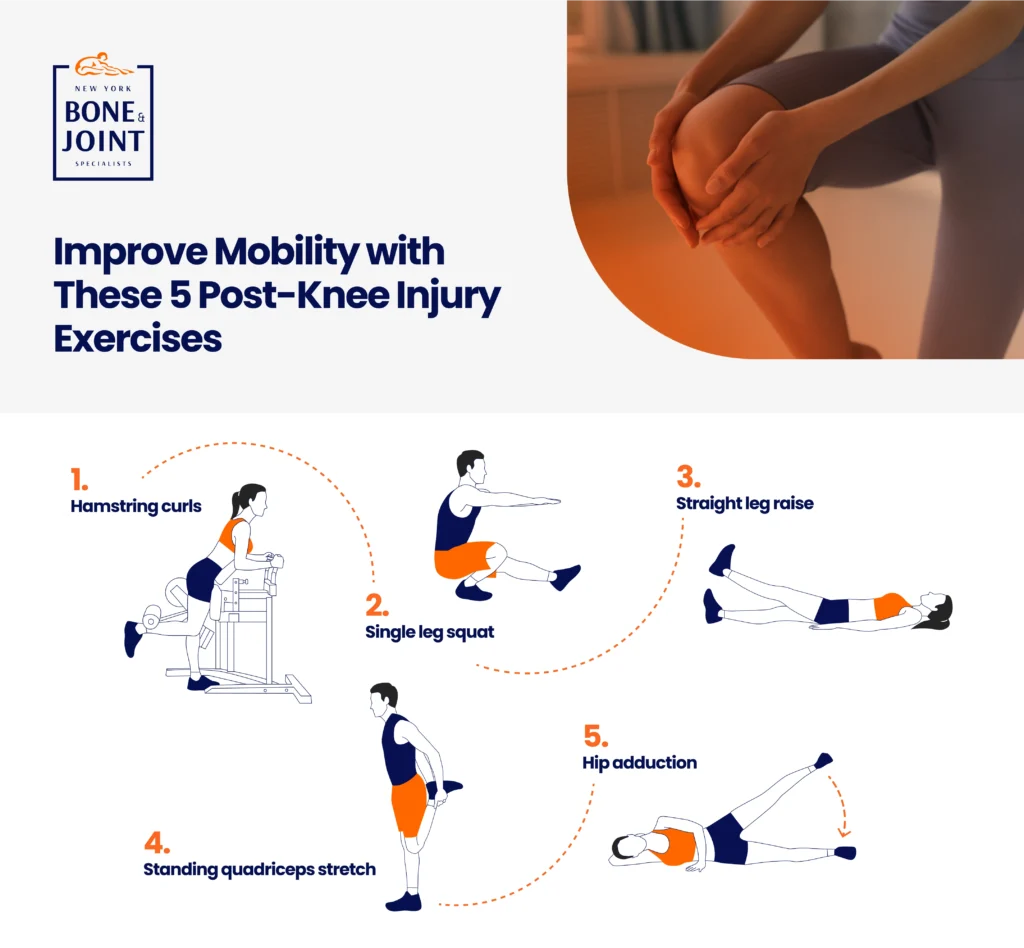
Image Source: nyboneandjoint.com
Why Moving Your Knee Helps
Even when your knee hurts, moving it carefully is often good. Staying still too long can make your knee stiff and weak. Gentle movement can help lessen swelling and pain. It can also help your knee heal better and faster. Exercise helps blood flow to the area. This brings needed things for repair. But the key is doing the right kind of movement. Doing the wrong thing can make your injury worse.
Getting Medical Help First
Before you start any exercise plan for your knee, see a doctor. A doctor can tell you what is wrong. Is it a sprain? A tear? Something else? Knowing this is very important. Your doctor might send you to a physical therapist. A physical therapist is a pro at helping people move better. They can create a plan just for you. This plan will include knee rehabilitation exercises. It will be based on your specific injury and how bad it is. Do not guess what exercises are okay. Always ask a medical expert first.
Getting Ready to Exercise
Once you know what you can do, get ready.
Listen to Your Body
This is rule number one. If an exercise hurts your knee, stop. Pain is your body telling you something is wrong. Some discomfort might be okay as you get stronger. But sharp or new pain means stop right away. Do not push through pain.
Warm Up Slowly
Before you start any main exercises, warm up your body. A warm-up gets your blood flowing. It makes your muscles ready to work. A few minutes of light movement is good. This could be slow walking or riding a stationary bike with no tension.
Cool Down and Stretch Gently
After exercising, cool down. Then do some gentle stretches for knee injury. Stretching helps your muscles stay loose. It can help stop muscles from getting tight, which can pull on your knee. Hold stretches softly. Do not bounce.
Safe Ways to Move Your Knee
When your knee is hurt, you need to pick activities that don’t put too much stress on it. These are often called low impact workout knee injury options. Low impact means less force goes through your joints.
Water Exercise
Exercising in water is great for bad knees. The water holds you up. This takes pressure off your knee joint. You can walk in the water. You can do leg movements. Water aerobics classes are good. Swimming is also a very gentle way to move your body. It works many muscles without hurting your knees. Water helps with pain relief too. The pressure of the water can help lessen swelling.
Cycling (Stationary)
Riding a stationary bike is another low-impact choice. You can control how hard it is. Start with no resistance. Just pedal slowly. Make sure the seat is at the right height. Your knee should bend only a little at the bottom of the pedal stroke. This helps keep stress off your knee. As your knee gets better, you can slowly add a little resistance. But go slow and listen to your knee.
Walking
Walking can be good, but it depends on your injury. Start slow and walk on flat, soft ground like grass. Avoid hills. Avoid hard surfaces like concrete if they cause pain. Walk for short times at first. See how your knee feels during and after. If it hurts, you might need to start with pool walking or a stationary bike first.
Elliptical Machine
An elliptical trainer is like walking but your feet don’t leave the pedals. This reduces the impact. It is smoother than walking or running. Start slow on this machine too. Keep the resistance low. Do not use a high incline if it hurts your knee.
Knee Pain Relief Exercises
Some exercises are just for helping your knee feel better. These are often very gentle movements. They help keep your knee moving without putting weight on it.
Straight Leg Raises
Lie on your back. Keep one leg straight and flat on the floor. Slowly lift the injured leg straight up a few inches. Keep your knee straight. Hold for a few seconds. Lower it slowly. Do this a few times. This helps work the muscle on the front of your thigh (quadriceps) without bending the knee much.
Knee Bends While Sitting
Sit in a chair. Let your feet rest on the floor. Slowly lift the foot of your injured leg just a little. Straighten your knee slightly. Don’t go too far if it hurts. Hold for a moment. Lower slowly. This gentle movement helps keep your knee joint from getting stiff.
Heel Slides
Lie on your back. Bend your good knee and keep that foot flat on the floor. Keep your injured leg straight. Slowly slide the heel of the injured leg up towards your buttock. Your knee will bend. Only slide as far as you can without pain. Slide your heel back down slowly.
Exercises to Strengthen Injured Knee
As your knee starts to heal, you will need to make the muscles around it stronger. Strong muscles help support your knee joint. They can take some of the stress off the joint itself. These are important strengthening exercises after knee injury. Again, always do these with guidance from a physical therapist or doctor.
Quad Sets
Lie on your back with your injured leg straight. Tighten the muscle on top of your thigh. Push the back of your knee down into the floor. You should feel the muscle tighten. Hold for 5-10 seconds. Relax. This exercise does not move the knee joint. It just works the muscle. It’s often one of the first strengthening exercises you do.
Hamstring Sets
Lie on your stomach. Keep your leg straight. Try to push your heel down as if you are trying to bend your knee, but don’t actually move it much. You should feel the back of your thigh muscle (hamstring) tighten. Hold for 5-10 seconds. Relax. This also works the muscle without much joint movement.
Short Arc Quads
Lie on your back. Put a rolled towel or a foam roller under your injured knee. Your knee should be slightly bent over the towel. Keep your thigh on the towel. Lift your foot up to straighten your knee. Keep your knee on the towel. Straighten as much as you can without pain. Hold for a few seconds. Lower slowly.
Calf Raises
Stand holding onto a chair or wall for balance. Slowly rise up onto the balls of your feet. Lower down slowly. This strengthens the calf muscles, which help with walking and ankle stability. This can indirectly help your knee.
Wall Squats (Partial)
Stand with your back against a wall. Your feet should be shoulder-width apart. Move your feet a little bit away from the wall. Slowly slide down the wall as if you are going to sit in a chair. Only go down a little way. Do not bend your knees deeply. Stop before you feel pain in your knee. Hold for a few seconds. Slide back up slowly. This works your thigh muscles.
Comprehending Physical Therapy
Physical therapy knee pain is a key part of getting better. A physical therapist (PT) is a health expert. They know a lot about how the body moves. They can figure out exactly what your knee needs.
What a PT Does
- Checks Your Knee: They will test how well your knee moves. They will check how strong your muscles are.
- Makes a Plan: They create a specific set of knee rehabilitation exercises just for you. This plan changes as you get better.
- Teaches You: They show you how to do each exercise correctly. This is very important to avoid hurting your knee more.
- Uses Other Methods: They might use heat, ice, massage, or other treatments to help your knee.
- Guides You: They tell you when you can do more. They tell you when to back off.
Going to physical therapy helps you heal safely and fully. Don’t skip it if your doctor says you need it.
Exercises to Avoid With Knee Injury
Just as some exercises are good, others can be bad for an injured knee. Knowing which ones to skip is very important.
- Deep Squats and Lunges: Bending your knee very deeply puts a lot of force on the joint. Avoid these until your knee is much, much better and your PT says it is okay.
- High-Impact Activities: Running, jumping, sports with quick stops and starts (like basketball or tennis) put huge stress on your knees. Stay away from these while you are healing.
- Leg Extensions (Machine): This machine works the front thigh muscle. But it puts a lot of force on the knee joint when the knee is straight. It can be harmful for many knee injuries.
- Leg Press (Deep): Like squats, pressing heavy weight with your knees bending a lot can be bad. If you use this machine, only go down a little bit. Or better yet, avoid it until later.
- Stepping Down Stairs or Hills Quickly: Going down puts more stress on your knees than going up. Take stairs one step at a time or use an elevator if your knee hurts. Avoid running down hills.
Here is a simple table of common exercises and if they might be okay or not:
| Exercise | Potential for Knee Pain | Okay or Avoid (Generally with Injury) |
|---|---|---|
| Walking (flat) | Low to Medium | Start Slow / Maybe Okay |
| Running | High | Avoid |
| Swimming | Very Low | Often Okay |
| Cycling (Stationary) | Low | Often Okay (Adjust seat/speed) |
| Deep Squats | High | Avoid |
| Water Aerobics | Very Low | Often Okay |
| Jumping | Very High | Avoid |
| Leg Extension Machine | High | Avoid (Usually) |
| Wall Squats (Partial) | Low to Medium | Maybe Okay (Go down a little) |
| Straight Leg Raises | Very Low | Often Okay |
This table is just a general guide. Your specific injury might mean some “Okay” things are not okay for you right now. Always check with your doctor or PT.
Workout Modifications for Knee Pain
Sometimes you don’t have to skip an exercise completely. You can just change it. This is called making workout modifications for knee pain.
- Change the Range of Motion: Don’t bend your knee as far. For example, in a squat, only go down a few inches instead of sitting all the way down.
- Lower the Weight: If you are using weights, use much lighter weights. Or use no weights at all.
- Do Fewer Reps: Do a smaller number of times you do the exercise.
- Rest Longer: Take longer breaks between sets of exercises.
- Change the Surface: Walk on grass or a track instead of concrete.
- Slow Down: Do movements slowly and with control. Don’t rush.
- Use Support: Hold onto a railing or chair for balance.
Your physical therapist is the best person to help you find the right changes for your exercises.
Going Beyond Basic Recovery
Once your knee pain is much better and you have done the basic knee rehabilitation exercises, you will want to keep getting stronger. This involves more focused strengthening exercises after knee injury.
Step-Ups
Step up onto a low step or box. Step back down. Start with a very low step (like 2-4 inches). Make sure your injured knee is stable. You can hold onto something for balance at first. This helps work the leg muscles in a way that is closer to normal movement.
Hamstring Curls (Gentle)
You can do these standing, lying down, or using a machine. If using a machine, use very light weight. Or do them without a machine: Lie on your stomach and bend your knee to lift your foot towards your buttock. This works the back of your thigh.
Glute Bridges
Lie on your back with your knees bent and feet flat on the floor. Lift your hips off the floor. Make a straight line from your shoulders to your knees. Lower slowly. This works your buttock muscles (glutes) and lower back. Strong glutes help support your pelvis and can improve how your knees work.
Single Leg Balance
Stand on your good leg first. Practice balancing. When you feel steady, try standing on your injured leg. Hold onto something nearby at first. Try to hold the balance for 30 seconds. This helps improve your balance and the small muscles around your ankle and knee that help keep you steady.
These exercises help build strength needed for more normal activities. But remember, progress slowly. Do not rush back to hard exercises.
Making a Long-Term Plan
Healing from a knee injury takes time. It’s not a quick fix. You need a plan for the long run.
Keep Doing Your Exercises
Even when your knee feels better, keep doing your knee rehabilitation exercises. Make them part of your normal week. This helps keep your knee strong and can help stop the injury from coming back.
Stay Active Safely
Find physical activities you enjoy that are safe for your knees. This might be swimming, cycling, or walking. Regular movement is good for your whole body and helps keep your knee healthy.
Listen to Warning Signs
If your knee starts to hurt again, don’t ignore it. Think about what you did. Did you do too much? Did you try a new exercise? It is okay to reduce your activity level for a few days. If the pain doesn’t go away, see your doctor or physical therapist again.
Control Your Weight
Carrying extra weight puts more stress on your knees. Losing weight if you need to can make a big difference in knee pain. Even losing a little bit of weight can help.
Wear Good Shoes
Wear shoes that fit well and support your feet. Good shoes can help your body move in a better way, which can be easier on your knees.
Safe Exercises for Injured Knee: A Summary
To sum up, exercising with a knee injury is possible and helpful, but you must be smart about it.
- Get medical advice: Always see a doctor and likely a physical therapist first.
- Listen to your body: Stop if you feel pain.
- Choose low-impact: Start with things like water exercise, stationary biking, or gentle walking. These are key safe exercises for injured knee.
- Do gentle movements: Start with knee pain relief exercises like leg slides or gentle knee bends.
- Build strength: Add exercises to strengthen injured knee like quad sets and partial wall squats when ready. These are key strengthening exercises after knee injury.
- Avoid bad exercises: Know the exercises to avoid with knee injury like deep squats, lunges, and running.
- Change workouts: Use workout modifications for knee pain to make exercises easier.
- Stretch gently: Include gentle stretches for knee injury in your routine.
- Follow your PT plan: Physical therapy knee pain is very important for safe recovery.
- Make it a habit: Keep doing safe exercises and stretches even after you feel better.
Exercising the right way helps your knee heal. It helps you get back to doing the things you enjoy. Be patient with your knee. Healing takes time. Celebrate the small steps you make in getting stronger and feeling better.
Frequently Asked Questions
How long should I do these exercises?
The time depends on your injury. You might do gentle exercises for a few weeks. Strengthening might take months. Your doctor or physical therapist will give you a timeline based on how you are healing. Keep doing some safe exercises even after you feel better.
How often should I exercise my injured knee?
Often, doing exercises for 15-30 minutes each day or most days of the week is good. But again, your physical therapist will tell you what is best for your specific injury and recovery stage. Consistency is often more important than doing a lot at once.
Is it okay if my knee clicks or pops during exercise?
Some clicks or pops are normal if they don’t cause pain. If your knee clicks, pops, and it hurts, or if it catches or locks up, stop the exercise and talk to your doctor or physical therapist.
Can I use heat or ice on my knee?
Yes, both can help. Ice is usually best right after an injury or after exercise to help with swelling and pain. Heat can help loosen up stiff muscles before exercise. Ask your doctor or PT when and how long to use heat or ice.
When can I go back to my sport or normal activities?
This is different for everyone. You should only go back when your knee has healed enough. Your muscles need to be strong again. You need to be able to do activities needed for your sport or job without pain or swelling. Your doctor or physical therapist will test you to see if you are ready. Rushing back too soon can cause another injury.
What if the exercises make my pain worse?
If an exercise makes your pain worse, stop doing that exercise. Go back to easier movements. Make sure you are doing the exercise correctly. If pain keeps getting worse, call your doctor or physical therapist. They may need to change your plan.
Remember, working out with a knee injury needs care and good guidance. Be kind to your knee, follow expert advice, and you can get stronger safely.