
Can you exercise with a hernia? Yes, many people can exercise with a hernia, but it’s crucial to do it safely and with appropriate guidance. The key is to choose the right types of exercises, modify movements, and listen to your body to prevent hernia aggravation.
A hernia occurs when an organ or fatty tissue pushes through a weak spot in the surrounding muscle or connective tissue. This can lead to a bulge, discomfort, and pain, especially when straining or lifting. For those with a hernia, maintaining an active lifestyle is still possible and beneficial for overall health and recovery, but requires a thoughtful approach. This guide will walk you through how to exercise with a hernia safely, covering what to do, what to avoid, and helpful strategies.
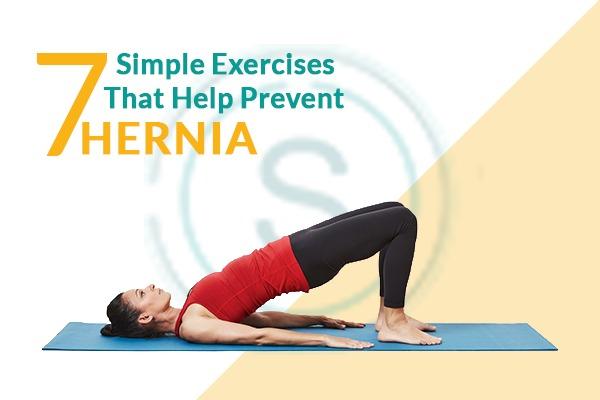
Image Source: gastroenterology.smileshospitals.com
Deciphering Hernias and Exercise
First, let’s grasp what a hernia is and why exercising needs careful consideration. Hernias are common, particularly in men, and can occur in various parts of the body, including the groin (inguinal), abdomen (umbilical, incisional), and diaphragm. The primary concern with exercise is that increased intra-abdominal pressure can worsen a hernia or cause complications.
Types of Hernias and Exercise Impact
Different types of hernias can be affected differently by exercise:
- Inguinal Hernia: Located in the groin area. Exercises that put direct pressure or strain on the groin can be problematic.
- Umbilical Hernia: Occurs around the belly button. Abdominal exercises are a key area to be mindful of.
- Incisional Hernia: Develops at the site of a previous surgical scar. This is particularly relevant for post-surgery hernia exercises.
- Hiatal Hernia: Affects the stomach and diaphragm. While less directly impacted by physical exertion, certain movements might cause discomfort or reflux.
When to Seek Medical Advice
Before starting any exercise program with a hernia, it’s essential to consult your doctor or a physical therapist. They can diagnose your specific type of hernia, assess its severity, and provide personalized recommendations. They can also advise on when it’s safe to resume or begin exercising, especially after surgery.
Safe Exercises for Hernia
Focusing on low-impact activities and specific types of strengthening exercises can help you stay active without increasing hernia risk. The goal is to build overall strength and mobility while minimizing strain on the affected area.
Low-Impact Aerobic Activities
Cardiovascular health is vital, and several low-impact options are excellent choices:
- Walking: A fantastic starting point. Begin with short, brisk walks and gradually increase duration and intensity.
- Cycling (Stationary or Outdoors): Adjust the seat height to maintain good posture and avoid leaning too far forward. Stationary cycling often allows for better control.
- Swimming and Water Aerobics: The buoyancy of water reduces stress on joints and the abdominal area. Water aerobics can be particularly beneficial for providing resistance without high impact.
- Elliptical Trainer: This machine provides a full-body workout with minimal impact, mimicking walking or running without the jarring motion.
Core Strengthening with Hernia
Strengthening your core muscles is crucial for supporting your abdominal wall and potentially preventing hernia aggravation. However, this needs to be done with careful attention to form.
Gentle Core Engagement
Instead of forceful crunches, focus on controlled engagement:
- Diaphragmatic Breathing (Belly Breathing): This is fundamental. Lie on your back with knees bent. Inhale deeply, allowing your belly to rise. Exhale slowly, drawing your belly button towards your spine. This engages your deep abdominal muscles.
- Pelvic Tilts: Lie on your back with knees bent and feet flat on the floor. Gently flatten your lower back against the floor by tightening your abdominal muscles and tilting your pelvis up slightly. Hold for a few seconds, then release.
- Transverse Abdominis Activation: This is the deepest abdominal muscle. Practice drawing your belly button towards your spine without holding your breath or moving your pelvis. This is a subtle but important movement.
Building Core Strength Safely
Once you can comfortably perform basic core engagement, you can progress to more challenging, hernia-friendly exercises:
- Bird-Dog: Start on your hands and knees. Keep your back flat and core engaged. Extend one arm straight forward and the opposite leg straight back simultaneously. Hold briefly, then return to the starting position. Alternate sides. This exercise promotes core stability without excessive abdominal pressure.
- Glute Bridges: Lie on your back with knees bent and feet flat on the floor, hip-width apart. Engage your core and glutes, then lift your hips off the floor until your body forms a straight line from shoulders to knees. Hold briefly, then slowly lower.
- Modified Planks: Start on your knees instead of your toes. Keep your body in a straight line from your head to your knees, engaging your core. Hold for as long as you can maintain good form, gradually increasing the duration. As you get stronger, you can progress to a full plank on your forearms or hands.
- Side Planks: Lie on your side, supporting yourself on your forearm. Keep your body in a straight line, hips lifted. Hold and then switch sides. This targets the oblique muscles without direct abdominal strain.
Strength Training with Modifications
When incorporating strength training, focus on lighter weights and higher repetitions, and always prioritize proper form.
Upper Body and Lower Body Exercises
- Upper Body:
- Bicep Curls/Triceps Extensions: Use light dumbbells or resistance bands.
- Shoulder Presses (Seated): Using light weights.
- Rows (Seated or Standing): With resistance bands or light dumbbells.
- Lower Body:
- Bodyweight Squats: Focus on a controlled descent and ascent, keeping your chest up.
- Lunges: Perform them with good form, ensuring your knee doesn’t go past your toes.
- Leg Press (Machine): This can be a good option as it supports your back. Start with very light weight.
- Hamstring Curls/Leg Extensions (Machine): Use light weights and controlled movements.
Importance of Flexibility and Mobility
Stretching and improving flexibility can help prevent muscle imbalances and reduce stiffness.
- Gentle Stretches: Focus on the hips, hamstrings, quadriceps, and back.
- Yoga and Pilates (Modified): Many yoga and Pilates poses can be beneficial, but it’s crucial to opt for modified versions that avoid deep abdominal compression or straining. Poses that focus on breathing and gentle core engagement are ideal.
Hernia-Friendly Workouts: What to Consider
Creating a workout plan involves more than just choosing exercises. It’s about the overall approach.
Progressive Overload and Listening to Your Body
- Gradual Progression: Start slowly and gradually increase the intensity, duration, or resistance as your body adapts. Don’t push too hard, too soon.
- Pain as a Signal: Any sharp or increasing pain in the hernia area is a sign to stop immediately. Discomfort is one thing, but pain is a warning.
- Rest and Recovery: Allow your body adequate time to recover between workouts. This is crucial for muscle repair and preventing overexertion.
The Role of Proper Form and Technique
Flawless form is paramount. Poor technique can put undue stress on your core and worsen a hernia.
- Focus on Control: Move slowly and deliberately through each exercise.
- Avoid Breath-Holding: Exhale during exertion and inhale during the easier part of the movement. Holding your breath (Valsalva maneuver) significantly increases intra-abdominal pressure.
- Seek Professional Guidance: A physical therapist or certified trainer with experience in rehabilitation can ensure your technique is correct.
Incorporating Hernia Support During Exercise
For some individuals, using external support can provide confidence and a sense of security.
- Hernia Belts/Trusses: These can offer external support to the hernia, reducing strain during physical activity. Discuss with your doctor or a medical professional before using one, as they are not suitable for everyone and proper fitting is essential.
- Supportive Undergarments: Compression garments can offer mild support and a feeling of containment for the abdominal area.
Exercises to Avoid with Hernia
Certain movements and exercises are known to increase intra-abdominal pressure and strain, potentially aggravating a hernia. It’s important to be aware of these and steer clear.
High-Impact and Heavy Lifting
- Heavy Weightlifting: Exercises like heavy squats, deadlifts, and overhead presses where you are lifting maximal weight can be risky.
- High-Impact Activities: Running, jumping, and sports involving sudden stops and starts can put excessive stress on the abdominal wall.
- Contact Sports: These carry a risk of impact to the abdominal area.
Abdominal Exercises That Increase Pressure
These are the exercises most commonly associated with increasing intra-abdominal pressure and should be approached with extreme caution or avoided altogether.
- Traditional Crunches and Sit-ups: These classic abdominal exercises often involve flexing the spine and bearing down, which can increase pressure on the hernia.
- Leg Raises: Especially when done with poor form or too quickly, these can strain the lower abdomen.
- Russian Twists (with weight): The twisting motion combined with bracing can be problematic.
- Any exercise where you strain or hold your breath: This applies to many movements if not performed with proper breathing technique.
Specific Movements to Be Wary Of
- Forward Bending with Strain: Reaching down to pick up heavy objects or performing exercises that involve bending at the waist with significant effort.
- Sudden Twisting Motions: Quick, forceful twists of the torso.
- Pushing or Straining: Whether it’s trying to move furniture or during an exercise, any pushing motion that causes you to strain your abdomen should be avoided.
Exercise Modifications for Hernia
Adapting your workouts is key to safe and effective exercise.
Modifying Core Work
As mentioned earlier, focus on isometric holds and controlled movements.
- Instead of: Crunches
-
Try: Modified planks, pelvic tilts, diaphragmatic breathing.
-
Instead of: Leg lifts
- Try: Bird-dog, gentle marching in place with core engagement.
Adapting Strength Training
- Reduce Weight: Opt for lighter weights or resistance bands.
- Increase Reps: Focus on building endurance with higher repetitions.
- Slow Down: Perform exercises with a slower, more controlled tempo.
- Avoid Valsalva Maneuver: Focus on consistent, controlled breathing. Exhale on exertion.
Modifying Aerobic Exercise
- Choose Machines: Utilize treadmills, ellipticals, or stationary bikes that offer controlled movement.
- Adjust Intensity: Opt for moderate intensity and avoid sudden bursts of high effort.
- Listen to Your Body: If you feel any discomfort, ease off or stop.
Post-Surgery Hernia Exercises
After hernia surgery, a carefully structured rehabilitation program is essential for a safe return to activity.
The Phases of Recovery
Your recovery will likely be phased, starting with rest and progressing to more active movements.
Initial Recovery (First Few Days to Weeks)
- Rest: Avoid strenuous activity and heavy lifting.
- Gentle Movement: Light walking is often encouraged to promote circulation and prevent stiffness.
- Breathing Exercises: Continue with diaphragmatic breathing to maintain lung capacity and core awareness.
- Avoid Bending and Lifting: Limit activities that put strain on the incision site.
Early Rehabilitation (Weeks to Months Post-Surgery)
This phase focuses on regaining strength and mobility gradually.
- Light Walking: Increase duration and pace as tolerated.
- Gentle Core Activation: Start with pelvic tilts and transverse abdominis engagement.
- Stretching: Gentle stretching of the hips, hamstrings, and back.
- Low-Impact Aerobics: Introduce stationary cycling or swimming.
- Light Resistance: Begin with very light weights or resistance bands for upper and lower body exercises, focusing on form.
Later Rehabilitation and Return to Activity
This phase involves a more comprehensive approach to restoring strength and preparing for normal activities.
- Gradual Increase in Intensity: Slowly build up the duration and intensity of aerobic workouts.
- Progressive Core Strengthening: Introduce exercises like modified planks, bird-dog, and glute bridges.
- Functional Movements: Incorporate exercises that mimic daily activities.
- Gradual Return to Lifting: Begin with very light weights and gradually increase as strength and comfort allow, always monitoring for any discomfort.
- Avoid Strain: Continue to be mindful of proper breathing and avoid holding your breath during exertion.
Key Principles for Post-Surgery Exercise
- Follow Surgeon’s/Therapist’s Orders: Adhere strictly to the guidelines provided by your medical team.
- Patience is Key: Healing takes time. Don’t rush the process.
- Monitor the Incision Site: Watch for any signs of redness, swelling, or increased pain.
- Listen to Your Body: If an exercise causes pain, stop and reassess.
Maintaining an Active Lifestyle with a Hernia
Living with a hernia doesn’t mean sacrificing an active lifestyle. By adopting the right strategies, you can continue to enjoy the benefits of exercise.
Building a Hernia-Friendly Workout Routine
A balanced routine should include:
- Cardiovascular Exercise: Aim for at least 150 minutes of moderate-intensity aerobic activity per week, spread throughout the week.
- Strength Training: Incorporate strength training exercises 2-3 times per week, targeting major muscle groups with modifications for core safety.
- Flexibility and Mobility: Include stretching or gentle yoga/Pilates at least 2-3 times per week.
Staying Motivated and Consistent
- Set Realistic Goals: Break down your fitness goals into smaller, achievable steps.
- Find Activities You Enjoy: This will make it easier to stick with your program.
- Workout Buddy: Exercising with a friend can provide accountability and motivation.
- Track Your Progress: Seeing how far you’ve come can be a powerful motivator.
When to Re-evaluate Your Exercise Plan
- Changes in Hernia Symptoms: If you notice any new or worsening symptoms related to your hernia, consult your doctor.
- Plateaus in Progress: If you feel you’ve stopped making progress, it might be time to adjust your routine or seek professional advice.
- Changes in Overall Health: Any significant changes in your health status warrant a discussion with your healthcare provider.
Frequently Asked Questions (FAQ)
What is the best type of exercise for a hernia?
The best exercises are typically low-impact aerobic activities like walking, swimming, and cycling, along with gentle core strengthening exercises that focus on controlled engagement rather than straining.
Can I do abdominal exercises with a hernia?
Yes, but with significant modifications. Avoid exercises that increase intra-abdominal pressure, such as crunches and sit-ups. Focus on deep core activation like diaphragmatic breathing, pelvic tilts, and modified planks.
Should I wear a hernia belt when exercising?
A hernia belt or truss can provide support for some individuals. However, it’s essential to discuss this with your doctor or a medical professional, as they are not suitable for everyone, and proper fitting is crucial for effectiveness and comfort.
What exercises should I definitely avoid with a hernia?
You should avoid heavy weightlifting, high-impact activities, exercises that involve sudden twisting or straining, and any exercise that causes pain or discomfort in the hernia area. This includes traditional sit-ups, crunches, and heavy lifting.
How long after hernia surgery can I start exercising?
The timeline varies depending on the type of surgery and individual recovery. Typically, light walking can resume within a few days, but more strenuous activities and specific exercises will be phased in over several weeks to months, guided by your surgeon or physical therapist.
By following this comprehensive guide, you can navigate exercising with a hernia safely and effectively, ensuring you maintain your health and well-being while minimizing the risk of complications. Remember, consistency, proper technique, and listening to your body are your most valuable tools.