
Do you dream of working out at home? Want to avoid crowded gyms and save time? A garage gym is a perfect answer for home fitness space creation. You can turn your garage into a personal workout haven. Building a DIY garage workout room is easier than you think. It gives you a private spot for exercise. Plus, it fits your schedule. This guide will show you how to do it step by step. We will cover everything from planning to picking the right gear. Get ready to make your fitness dreams real.
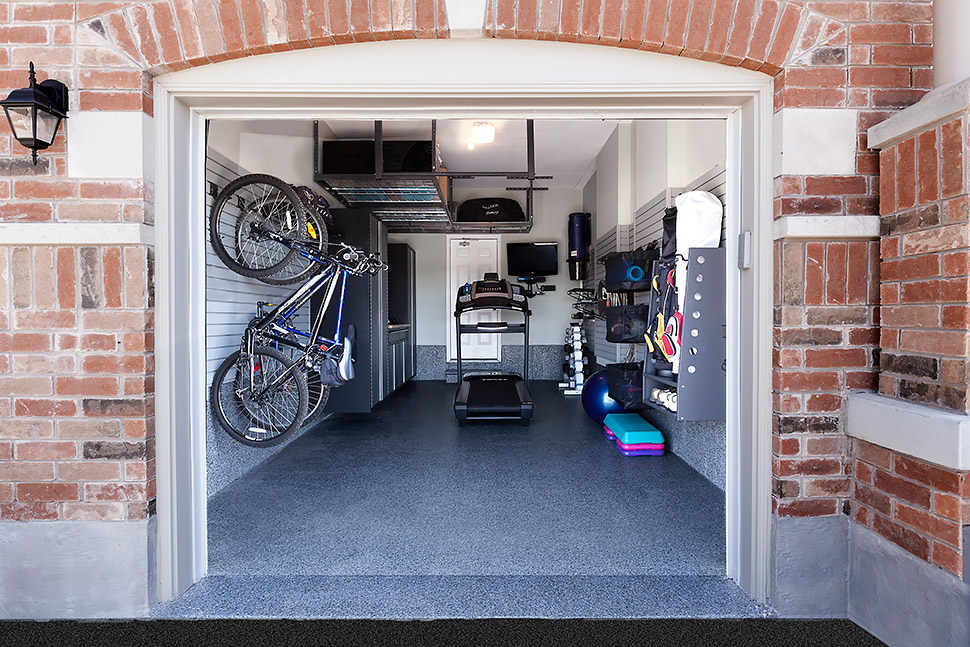
Image Source: www.garageliving.com
Why Your Garage Makes a Great Gym Spot
Your garage is often a forgotten space. It can hold cars, tools, or just junk. But it has so much potential. It can be a great place for your very own gym. Think of the benefits:
- Always Open: Your gym is open 24/7. No more waiting for machines.
- No Commute: Save time and gas. Just walk a few steps to work out.
- Private Space: Work out without strangers watching. Play your music loud.
- Save Money: No monthly gym fees. Your initial setup cost pays off over time.
- Your Rules: Design the space exactly how you want. Pick your favorite gear.
- Boosts Home Value: A well-done gym can add value to your house.
This project is a smart move for your health and your home.
Planning Your New Fitness Zone
Before you lift a single weight, you need a good plan. This part is key for a successful garage gym setup ideas. It helps you make the most of your space and money.
Assess Your Garage Space
First, look at your garage.
* How big is it?
* What is its shape?
* Are there any windows or doors?
* Where are the power outlets?
* Do you have a lot of stuff in there now?
Take notes. Measure the length, width, and height. This helps you know what will fit. Also, think about the ceiling. High ceilings are great for exercises like overhead presses.
Draw a Blueprint for Your Area
Now, draw your garage. Use paper or a simple computer program.
* Mark doors, windows, and power points.
* Draw in the large items you must keep.
* Think about how you want to use the space.
* Will you do weights, cardio, or yoga?
* This helps you arrange things. It makes your small garage gym layout work well.
Table 1: Space Planning Guide
| Activity Type | Minimum Space Needed (Approx.) | Key Considerations |
|---|---|---|
| Weightlifting (Barbell) | 8×8 feet | Room for barbell, racks, bench, safety space. |
| Cardio (Treadmill) | 3×7 feet | Space for the machine itself, plus walking room. |
| Yoga/Stretching | 6×6 feet | Enough room to move freely on a mat. |
| Bodyweight/Calisthenics | 6×6 feet | Open floor space for various movements. |
| Multi-purpose Area | 10×10 feet or more | Flexible space for different exercises and gear. |
Estimating the Cost to Build Garage Gym
The cost to build garage gym can vary a lot. It depends on how much you do yourself. It also depends on what gear you buy.
* Low Budget: You can start with basic gear. Think resistance bands, dumbbells, and a yoga mat. This might cost a few hundred dollars.
* Mid-Range Budget: This budget lets you add more items. A squat rack, barbell, and some plates. Maybe a cardio machine. This could be a few thousand dollars.
* High Budget: Go all out. A full power rack, lots of weights, high-end cardio machines, and fancy flooring. This might cost many thousands.
List everything you want to buy. Look up prices online. This helps you set a realistic budget. Remember, you can always add more gear later. Start with what you need most.
Prepping Your Garage Space
Once you have a plan, it is time to get your hands dirty. This step makes your garage gym safe and comfy.
Cleaning and Clearing Out Clutter
First, empty your garage. Take out old tools, boxes, and anything you do not need. Clean the floor and walls. Get rid of dust, dirt, and oil stains. A clean space is a good start for your new gym.
Making the Floor Level
Is your garage floor uneven? This can be a problem for gym equipment. It can also be a tripping hazard.
* For small dips, you might use a self-leveling compound. This is a liquid that evens out the floor.
* For bigger issues, you might need professional help. Or, you can use extra thick gym mats to hide small bumps.
Selecting Garage Gym Flooring Options
Choosing the right floor is super important. It protects your garage floor. It also protects your body. It makes the gym safer and more comfortable. Here are top garage gym flooring options:
- Rubber Mats/Tiles:
- Pros: Very durable. Great shock absorption. Protects floors from heavy weights. Easy to clean. Many come as interlocking tiles, simple to install.
- Cons: Can be expensive. Heavy. May have a rubber smell at first.
- Best for: Areas with heavy lifting, high impact workouts.
- Foam Tiles (EVA Foam):
- Pros: Cheap. Lightweight. Easy to install. Good for lighter workouts.
- Cons: Not as durable as rubber. Can tear easily with heavy weights. Less shock absorption.
- Best for: Yoga, stretching, bodyweight exercises, light cardio.
- Plywood or OSB Overlays:
- Pros: Creates a flat, stable surface. Good for building platforms for lifting. Can be covered with other flooring.
- Cons: Requires more building work. Can be slippery if not treated.
- Best for: Dedicated lifting platforms, creating a subfloor.
- Artificial Turf:
- Pros: Looks great. Good for sled pushes, sprints, and agility drills. Adds a unique feel.
- Cons: Can be pricey. Harder to clean. Not ideal for heavy weight drops.
- Best for: Functional training, sled work, speed drills.
When choosing, think about your main workouts. Do you plan to drop heavy weights? Then rubber is best. Mostly yoga? Foam might be fine.
Making Your Gym Comfortable
A great gym is not just about equipment. It is about the environment. Making your garage comfortable will make you want to work out more.
How to Insulate Garage for Home Gym
Garages often get very hot in summer and very cold in winter. Proper insulation is key for a comfy gym. To insulate garage for home gym, you can do a few things:
- Walls: Add insulation batts (like fiberglass or rock wool) between wall studs. Then cover them with drywall or plywood. This traps air and keeps temperatures steady.
- Ceiling: If your garage has an attic, insulate the ceiling. Blow-in insulation or batts work well here. This stops heat from rising or escaping.
- Garage Door: This is often the biggest source of heat loss or gain. You can buy insulation kits for garage doors. These are foam panels that stick to the door. This simple step makes a big difference.
- Windows and Doors: Seal any gaps around windows and entry doors. Use weather stripping or caulk. This stops drafts.
Insulating helps control temperature. It also helps with noise. A well-insulated garage is much nicer to work out in.
Climate Control Garage Gym
Even with insulation, you might need more help with temperature. This is where climate control garage gym options come in.
* Fans: Simple fans are great for air movement. Use a big floor fan or an overhead fan. They help you feel cooler by moving air around.
* Portable AC Units: If summers are very hot, a portable air conditioner is a good choice. It cools the air directly. Make sure it has a way to vent the hot air outside.
* Space Heaters: For cold winters, a safe electric space heater can warm up the space. Make sure it is rated for garage use and has safety features like auto shut-off.
* Mini-Split AC/Heating Units: These are more expensive but offer the best control. They are quiet, efficient, and provide both heating and cooling. This is a long-term solution for year-round comfort.
Think about your local weather. Pick the best option for your needs.
Soundproofing Your Workout Area
Do you worry about disturbing neighbors? Or do you want to keep workout noise inside? Soundproof garage gym steps can help.
* Thick Flooring: Rubber mats reduce impact noise from weights.
* Wall Insulation: As mentioned, insulation helps dampen sound.
* Mass Loaded Vinyl (MLV): This heavy material can be added to walls or doors. It blocks sound waves. It is thin but very effective.
* Acoustic Panels: These panels absorb sound. You can hang them on walls or ceilings. They reduce echoes and make the room sound better.
* Seal Gaps: Just like for temperature, seal gaps around doors and windows. Sound can escape through small cracks.
* Solid Core Door: If your garage has an entry door to your house, consider a solid core door. These block more sound than hollow doors.
You do not need to do all of these. Pick the ones that fit your budget and noise concerns.
Essential Equipment for Your Gym
Now for the fun part: picking your gear! Your garage gym equipment essentials depend on your fitness goals.
Must-Have Equipment
Start with the basics. These items give you a great workout base.
* Power Rack or Squat Stand: This is the heart of most home gyms. It lets you do squats, bench press, overhead press safely. A full power rack offers more safety options. A squat stand takes less space.
* Barbell: A good quality Olympic barbell is versatile. Use it for lifts, rows, and more.
* Weight Plates: Start with a range of plates. Get some small ones for tiny jumps. Get bigger ones for heavier lifts. Bumper plates are good if you plan to drop weights. They protect your floor and the bar.
* Adjustable Bench: A bench that can go flat, incline, and decline is very useful. It is needed for chest presses, rows, and core work.
* Dumbbells or Adjustable Dumbbells: Dumbbells are great for many exercises. Adjustable dumbbells save a lot of space. They let you change weights quickly.
* Resistance Bands: Cheap and versatile. Use them for warm-ups, stretching, or adding resistance to exercises.
* Jump Rope: Great for cardio warm-ups. Takes up no space.
* Yoga Mat: For floor exercises, stretching, or yoga.
Nice-to-Have Additions
Once you have the basics, you might want more gear.
* Kettlebells: Good for dynamic workouts, swings, and strength.
* Pull-up Bar: Many power racks have one. If not, a wall-mounted one is great for back and arm strength.
* Cardio Machine: A treadmill, exercise bike, or rower. Pick one that fits your fitness style and space.
* Plyo Box: For jumps, step-ups, and box squats.
* Gymnastic Rings: For advanced bodyweight exercises and upper body strength.
* Medicine Ball/Slam Ball: Good for core work and explosive moves.
Space-Saving Gear for Small Garage Gym Layouts
If you have a small garage gym layout, pick smart gear.
* Wall-Mounted Folding Rack: These racks fold flat against the wall when not in use. They save huge amounts of space.
* Adjustable Dumbbells/Kettlebells: One set replaces many.
* Plate Loaded Machines: Instead of selectorized machines (which use weight stacks), plate-loaded machines use your existing weight plates.
* Multi-functional Equipment: A power rack can be used for squats, bench, pull-ups, and more.
* Storage Solutions: Wall shelves, pegboards, and vertical racks help keep your floor clear.
Setting Up Your Garage Gym Equipment
Once you have your gear, arrange it well.
* Safety First: Make sure your power rack is stable. Bolt it to the floor if needed.
* Flow: Think about how you move from one exercise to another. Place equipment logically.
* Clear Paths: Keep walkways clear. You do not want to trip over weights.
* Mirror Space: If you have a mirror, place it where you can see your form.
* Wall Space: Use walls for pull-up bars, resistance band anchors, or storage.
This part relates strongly to garage gym setup ideas. Think about your routine. What do you do first? Where will you store items after use?
Lighting and Looks
Your gym should be a place you enjoy. Good lighting and smart design make a big difference.
Proper Lighting Solutions
Garages can be dark. Good lighting is vital for safety and mood.
* LED Lights: Bright and energy-efficient. Look for shop lights or tube lights. Install enough to light up the whole space.
* Natural Light: If you have windows, keep them clean. Add a sheer curtain if sunlight is too strong.
* Task Lighting: Maybe a spotlight over your power rack. Or a floor lamp in a cardio area.
Bright, even lighting makes your gym feel bigger and safer.
Adding Mirrors
Mirrors are not just for looks. They help you check your form. This prevents injuries.
* Large Wall Mirrors: Get big gym mirrors if you can. They are expensive but very effective.
* Acrylic Mirrors: Lighter and safer than glass. Not as clear, but a good budget option.
* Full-Length Door Mirror: A cheap and easy option for smaller spaces.
Mount mirrors securely. You do not want them falling during a workout.
Smart Storage Solutions
Keep your gym tidy. This makes it safer and more inviting.
* Weight Plate Tree: A stand to hold your weight plates.
* Dumbbell Rack: Keeps dumbbells off the floor.
* Wall Shelves/Pegboards: Great for bands, jump ropes, and smaller items.
* Storage Cabinets: Hide clutter and keep things dust-free.
* Vertical Storage: Use walls for pull-up bars or folding racks.
A clean gym motivates you to train.
Personalizing Your Space
Make your gym yours.
* Paint: A fresh coat of paint can brighten the space. Pick colors that motivate you.
* Posters: Hang up posters of your fitness heroes or inspiring quotes.
* Sound System: Good music makes workouts better. Install speakers or use a portable one.
* Whiteboard/Blackboard: Track your progress or write down your workout plan.
* Clocks/Timers: Essential for timed workouts.
This is your personal fitness haven. Make it feel right for you.
Safety and Upkeep
Once your gym is ready, keep it safe and clean.
Safety Practices
- Spotter Arms: Always use spotter arms on your power rack. They catch the bar if you fail a lift.
- Proper Form: Learn how to do exercises correctly. Watch videos. Consider a trainer.
- Warm-Up: Always warm up before lifting. Cool down after.
- First Aid Kit: Keep a small first aid kit handy.
- Fire Extinguisher: A garage often stores flammable items. Have a fire extinguisher nearby.
- Clear Paths: Keep floors free of clutter and trip hazards.
- Check Equipment: Before each use, quickly check your gear. Make sure bolts are tight.
Regular Cleaning
- Sweep/Vacuum: Keep the floor clean. Dust and dirt can be slippery.
- Wipe Down Equipment: Sweat can damage equipment. Wipe down benches and handles after each use. Use a gentle cleaner.
- Clean Mirrors: Keep mirrors clear for checking form.
- Wash Mats: Periodically clean your flooring.
Equipment Care
- Lubricate Moving Parts: For cardio machines or racks, lubricate moving parts as needed. Check the user manual.
- Tighten Bolts: Over time, bolts on racks and benches can loosen. Check and tighten them regularly.
- Inspect Barbell: Clean your barbell after use. Look for rust. Brush it off if you see any.
- Store Weights Safely: Always put weights back on racks or trees. Do not leave them on the floor.
Caring for your gym gear makes it last longer. It also keeps you safe.
Frequently Asked Questions (FAQ)
Q1: Can I convert my garage into a gym if it is small?
Yes, absolutely! A small garage gym layout is very doable. Focus on space-saving equipment like adjustable dumbbells, folding racks, and wall-mounted storage. Think vertically to maximize space.
Q2: How much does it typically cost to build a garage gym?
The cost to build garage gym varies widely. You can start with a basic setup for a few hundred dollars. A full, well-equipped gym might cost $3,000 to $10,000 or more. It depends on the quality and type of equipment you choose, and if you do the building work yourself.
Q3: Do I need special flooring for a garage gym?
It is highly recommended. Garage gym flooring options like thick rubber mats protect your garage floor from weights. They also provide cushioning for your joints. They reduce noise too. Foam tiles are a cheaper option for lighter workouts.
Q4: How do I keep my garage gym from getting too hot or cold?
To climate control garage gym, start with insulation. Insulate garage for home gym walls, ceiling, and garage door. Then, add fans for air circulation. For extreme weather, use a portable AC unit or a space heater. A mini-split system offers the best year-round comfort.
Q5: Is it possible to soundproof a garage gym?
Yes, you can take steps to soundproof garage gym. Thick rubber flooring helps absorb impact noise. Adding insulation to walls and sealing gaps around doors and windows reduces sound escape. Acoustic panels and mass loaded vinyl can further improve sound blocking.
Q6: What are the absolute garage gym equipment essentials to start with?
For a solid start, get a power rack or squat stand, an Olympic barbell, a set of weight plates, an adjustable bench, and some dumbbells (or adjustable dumbbells). These allow for a wide range of strength training exercises.
Q7: What are some good garage gym setup ideas for organizing equipment?
Use vertical storage whenever possible. Think about weight plate trees, dumbbell racks, and wall-mounted shelves or pegboards. Folding racks save floor space. Keep items you use most often easily accessible.
Conclusion: Your Dream Gym Awaits
Converting your garage into a gym is a fantastic project. It gives you a dedicated space to reach your fitness goals. You get privacy, convenience, and a gym tailored just for you. From planning your DIY garage workout room to picking garage gym equipment essentials, every step moves you closer to a healthier life. With proper planning, insulation, and the right gear, your garage will soon be your favorite place to work out. Start today and build the gym you have always wanted!