
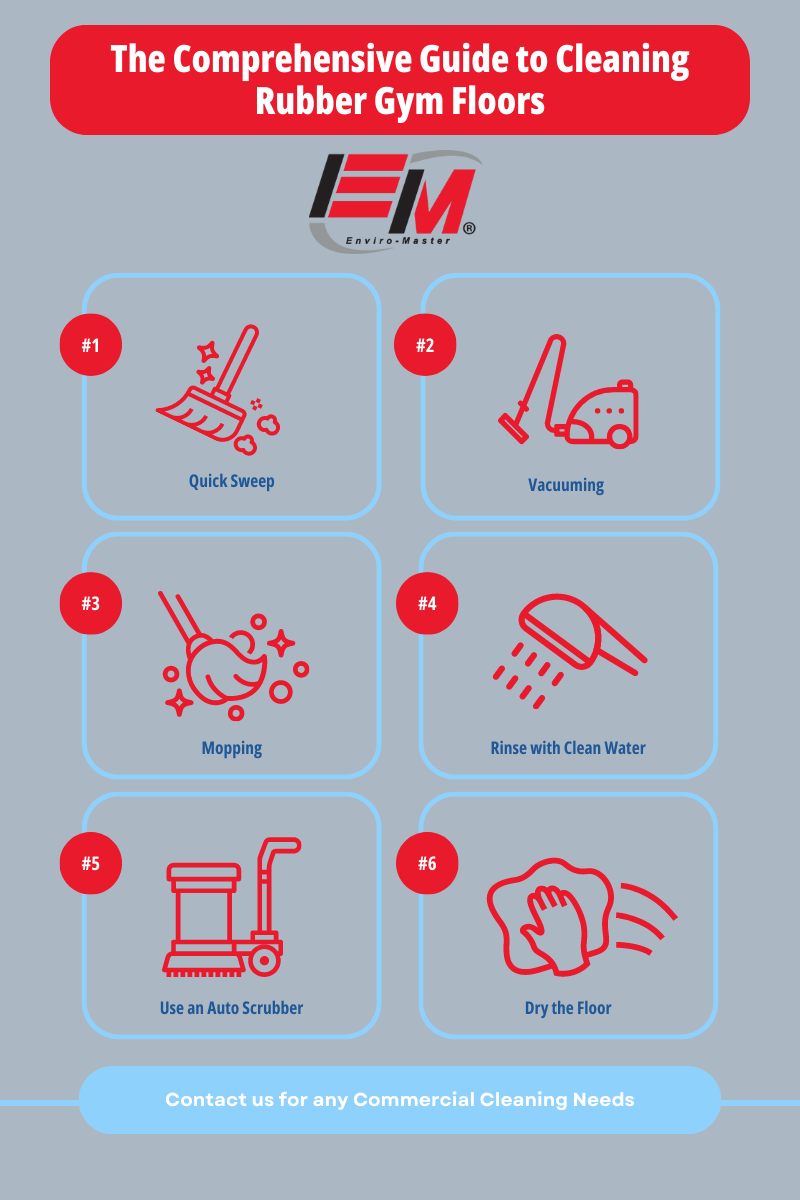
Image Source: enviro-master.com
Best Practices: How To Clean Rubber Gym Floor Easily
Keeping a gym clean is vital. It keeps members healthy and safe. It also makes your gym look good. Rubber gym floors need special care. Can you use any cleaner on them? No, you cannot. Harsh chemicals can harm the floor. What is the best way to clean rubber gym mats? A gentle, pH-neutral cleaner is often best. How often should you clean a gym floor? Daily cleaning for high-traffic areas is smart. Deep cleaning should happen weekly or monthly. This guide will show you how to keep your rubber gym floor clean, fresh, and long-lasting.
Why Clean Your Rubber Gym Floor?
Cleaning your gym floor is more than just making it look nice. It is about health, safety, and money. A clean floor lasts longer. It makes your gym a better place for everyone.
Keeping Members Healthy
Gyms are busy places. People sweat, germs spread, and dirt gets tracked in. This makes the floor a breeding ground for bacteria. Regular cleaning helps kill these germs. It stops them from spreading. This keeps your members and staff healthy. It makes your gym a safe place to work out.
Saving Your Floor
Rubber floors are strong. But they need care. Dirt and grime can scratch the surface. Harsh chemicals can break down the rubber over time. This makes the floor wear out faster. Proper gym floor maintenance protects your investment. It helps your floor last for many years. You save money by not having to replace it too soon.
Making Your Gym Shine
A clean gym looks professional. It tells members you care about their experience. A dirty floor can make members think twice about coming back. A clean floor makes a good first impression. It makes members feel welcome. It shows you run a good business.
Boosting Safety
Slippery floors are a big danger in gyms. Sweat, spills, and dirt can make the floor slick. This can cause falls and injuries. Cleaning removes these hazards. It makes the floor safe to walk and exercise on. This is a key part of rubber gym floor care.
Essential Tools and Supplies
Before you start cleaning, get your tools ready. Having the right gear makes the job easier and better.
Basic Cleaning Gear
You will need some simple tools.
* Soft-bristle broom: Use this for daily sweeping. It picks up loose dirt without scratching the rubber.
* Dust mop: A large dust mop is great for bigger areas. It traps dust and light dirt.
* Commercial vacuum cleaner: A powerful vacuum is best for rubber floors. It should have good suction. Make sure it has a soft brush attachment. This helps get dirt from the floor’s texture. It protects the rubber.
* Two buckets: One for clean water and cleaner. One for dirty rinse water. This keeps your cleaning solution clean.
* Microfiber mops or flat mops: These are great for wet cleaning. They hold water well. They also release it easily. They do not leave too much water on the floor.
* Soft cloths or sponges: Use these for spot cleaning. They are good for small spills.
Special Cleaning Solutions
Choosing the right cleaner is key.
* pH-neutral rubber flooring cleaner: This is the most important item. A pH-neutral cleaner will not harm the rubber. It cleans well without being too harsh. Look for cleaners made for rubber or vinyl floors. This is the best cleaner for rubber gym floors.
* Enzyme cleaner: These cleaners are good for odor removal rubber flooring. They break down organic matter that causes smells.
* Disinfectant: A good disinfectant is needed to disinfect gym mats and floors. Choose one that is safe for rubber. It should kill bacteria and viruses. Many gym-specific cleaners also disinfect.
* Spot stain removers: You might need special products for tough stains. Make sure they are safe for rubber. Test them in a small, hidden spot first.
Safety Gear
Always protect yourself.
* Gloves: Wear gloves to protect your hands from chemicals.
* Safety glasses: Protect your eyes from splashes.
* Non-slip shoes: Wear shoes with good grip. This helps prevent falls on wet floors.
Daily Gym Floor Maintenance
Daily cleaning keeps your gym looking great. It prevents dirt from building up. This makes deep cleaning easier. This is the foundation of good gym floor maintenance.
Step 1: Sweep or Vacuum
This is the first step every day.
* Use a soft broom or dust mop: Go over the entire floor. Pick up loose dirt, dust, and debris. Pay extra attention to high-traffic areas. This includes entryways and around popular machines.
* Vacuum cleaner: For better results, use a commercial vacuum. Make sure it has a soft brush attachment. This lifts dirt from the floor’s surface. It does not scratch the rubber. Vacuuming is more effective than sweeping alone. It gets more dirt. Do this once a day, or more if the gym is very busy.
Step 2: Spot Clean Spills
Spills happen quickly.
* Act fast: Clean up spills right away. Do not let them dry. This prevents stains. It also prevents people from slipping.
* Use a damp cloth: For water or sweat, a damp microfiber cloth is enough. Wipe the area dry after cleaning.
* For stickier spills: Use a small amount of your pH-neutral rubber flooring cleaner. Apply it to the cloth, not directly to the floor. Wipe the spill. Rinse the cloth and wipe again. Dry the area completely.
Step 3: Quick Wipe-Downs
Some areas need extra attention.
* Around equipment: Wipe down areas around weight racks and cardio machines. These spots get a lot of sweat and foot traffic.
* Entryways: These areas track in the most dirt. Give them a quick wipe-down throughout the day if needed.
By doing these small steps every day, you keep your floor much cleaner. This is key for good rubber gym floor care.
Routine Deep Cleaning Strategies
Daily cleaning is good. But rubber gym floors need a deep clean too. This gets rid of ground-in dirt and germs. It also helps with odor removal rubber flooring.
How Often to Deep Clean
The frequency depends on how busy your gym is.
* Small home gym: Once a month may be enough.
* Small commercial gym: Once a week is smart.
* Large fitness center: Two or three times a week, or even daily for very high-traffic areas. This is part of commercial gym floor cleaning.
Step 1: Prepare the Area
Before deep cleaning, get ready.
* Clear the floor: Move all equipment if possible. This lets you clean every spot. If you cannot move everything, clean around it.
* Vacuum thoroughly: Go over the entire floor with your vacuum. Get rid of all loose dirt. Do not skip this step. It makes wet cleaning much easier.
Step 2: Mix Your Cleaner
Use the right cleaner.
* Choose a pH-neutral cleaner: Get a rubber flooring cleaner made for gym floors. Mix it with water. Follow the directions on the cleaner bottle. Do not use too much cleaner. More is not always better. Too much cleaner can leave a sticky film. This can attract more dirt.
* Consider an enzyme cleaner for odors: If you have smells, add an enzyme cleaner to the mix. Or use it as a separate step before cleaning. This helps with odor removal rubber flooring.
Step 3: Mop the Floor
Mop carefully.
* Use a two-bucket system:
* Fill one bucket with the mixed cleaning solution.
* Fill the second bucket with clean rinse water.
* Mop a small section: Dip your mop into the cleaning solution. Wring out most of the liquid. The mop should be damp, not dripping wet. Mop a small area. Go in an overlapping pattern.
* Rinse the mop: Dip the mop into the rinse water bucket. Wring it out well. This removes dirt from the mop.
* Mop again with rinse water: Go over the same section with the clean, damp mop. This picks up any cleaner residue and leftover dirt.
* Dry the floor: Let the area air dry. Or use a fan to speed it up. Do not let water sit on the rubber for long. It can cause damage or mold.
* Repeat: Move to the next section. Change the water in both buckets often. Do this whenever it looks dirty. This ensures you are always cleaning with fresh solution.
Step 4: Disinfect (Optional but Recommended)
After cleaning, you might want to disinfect. This is important to disinfect gym mats and floors.
* Apply disinfectant: Use a spray bottle or a clean mop. Apply a rubber-safe disinfectant.
* Follow dwell time: Let the disinfectant sit on the surface for the time recommended on its label. This “dwell time” is how long it needs to kill germs.
* Wipe or rinse: After the dwell time, wipe the floor clean. Or rinse it with clean water if the product requires it. Dry the floor well.
This full process is how you deep clean gym floor areas effectively.
Tackling Stubborn Issues
Sometimes, daily and weekly cleaning are not enough. You might face tough stains, bad smells, or scuff marks. Here is how to handle them.
Remove Rubber Floor Stains
Stains can be tricky. Knowing the stain type helps.
* Grease and Oil Stains:
* Blot immediately: Use a paper towel to soak up as much as possible. Do not rub. Rubbing spreads the stain.
* Apply a degreaser: Use a small amount of a rubber-safe degreaser. Or try a mild dish soap solution. Put it on a cloth, not directly on the stain.
* Gently scrub: Use a soft brush or sponge. Work in small circles.
* Rinse well: Wipe with a clean, damp cloth. Make sure all degreaser is gone.
* Dry: Dry the area fully.
* Scuff Marks on Rubber Floor:
* Easiest way: A clean tennis ball can work wonders. Rub it over the scuff mark. The rubber from the ball can lift the mark.
* Mild abrasive cleaner: If the tennis ball does not work, try a very mild, non-abrasive cleaner. Apply it to a cloth. Rub gently.
* Avoid harsh chemicals: Do not use abrasive pads or strong cleaners. They can damage the rubber.
* Sweat and Protein Stains:
* These can cause odors.
* Use an enzyme cleaner. Enzyme cleaners break down organic matter. This gets rid of the stain and the smell.
* Spray directly on the stain. Let it sit for a few minutes (check product label).
* Wipe clean with a damp cloth.
Odor Removal Rubber Flooring
Bad smells can make a gym feel dirty. Even if it looks clean.
* Causes: Odors come from sweat, bacteria, and moisture trapped in the rubber.
* Ventilation is key: Make sure your gym has good air flow. Open windows or use fans. This helps dry the floor and remove humid air.
* Deep cleaning: Regular deep cleaning with a good rubber flooring cleaner helps. It removes the source of the smell.
* Enzyme cleaners: These are the best for smells. They eat up the bacteria and organic matter causing the odor. Mix them into your mop water. Or use them as a spot treatment for strong smells.
* Baking soda (for small areas): For a lingering smell in a small area, sprinkle baking soda. Let it sit overnight. Then vacuum it up. Baking soda absorbs odors.
Disinfect Gym Mats (and Floors)
Disinfection is crucial, especially in a gym.
* Why disinfect? Gyms are full of germs. People share equipment. Sweat and skin cells drop on the floor. Disinfecting kills bacteria, viruses, and fungi. This prevents sickness.
* Choose the right disinfectant:
* Look for products made for gym use.
* Make sure they are safe for rubber. Avoid bleach or harsh chemicals. These can break down the rubber. They can also fade its color.
* Many good gym cleaners are also disinfectants.
* How to apply:
* Clean the floor first. Disinfectants work best on clean surfaces.
* Apply the disinfectant as directed. You can use a spray bottle for small areas. For large areas, use a mop bucket.
* Follow dwell time: This is very important. The product needs to stay wet on the surface for a certain time to kill germs. Read the label carefully.
* Rinse or let dry: Some disinfectants need rinsing. Others can air dry. Follow the instructions.
* Focus on high-touch areas: Pay extra attention to areas where people often touch the floor. This includes around benches, machines, and entryways.
By following these steps, you can effectively remove rubber floor stains, get rid of bad smells, and keep your gym germ-free. This is vital for overall rubber gym floor care.
Choosing the Right Cleaning Products
Using the correct products makes all the difference. Wrong products can harm your floor.
The Importance of pH Balance
- What is pH? It measures how acidic or basic something is. A pH of 7 is neutral. Lower numbers are acidic (like lemon juice). Higher numbers are basic (like bleach).
- Why it matters for rubber: Rubber floors are sensitive to strong acids and bases.
- Acidic cleaners (low pH): Can break down the rubber. They can make it sticky or crumbly.
- Alkaline cleaners (high pH): Can dry out the rubber. They can make it stiff and crack over time.
- Rule of thumb: Always use a pH-neutral rubber flooring cleaner. These cleaners are designed to be safe for rubber. They clean effectively without causing damage.
Chemicals to Avoid
Some common cleaners are bad for rubber.
* Bleach: Very strong. It can stain, fade, and degrade rubber.
* Ammonia-based cleaners: Can dry out and damage rubber.
* Petroleum-based solvents: Like gasoline or paint thinner. These can dissolve rubber.
* Oil-based cleaners: Can make the floor slippery and attract more dirt.
* Abrasive cleaners or pads: These can scratch or wear down the rubber surface. Never use steel wool or harsh scrubbers.
Recommended Products
Look for cleaners specifically labeled for rubber floors.
* Commercial gym floor cleaners: Many brands make special cleaners for gym floors. These often combine cleaning and disinfecting. They are usually pH-neutral. Ask your flooring supplier for their recommendations.
* Enzyme-based cleaners: As mentioned, these are excellent for odor removal rubber flooring and organic stains.
* Gentle dish soap: For small spills or light cleaning in a pinch, a very diluted solution of gentle dish soap (like Dawn) can work. Use only a tiny amount. Make sure it is completely rinsed.
DIY vs. Commercial
- DIY: A mix of water and a tiny bit of white vinegar can work for light cleaning. But vinegar is acidic. Use it rarely and dilute it heavily. For serious cleaning, DIY options might not be strong enough. They might not disinfect.
- Commercial: For best results, especially in a busy gym, use commercial products. They are made for the job. They are safer and more effective. They are key for good commercial gym floor cleaning.
Preventive Measures for Lasting Cleanliness
An ounce of prevention is worth a pound of cure. Taking small steps can greatly reduce cleaning time. It also helps with rubber gym floor care.
Use Entry Mats
- Place heavy-duty mats at all entrances. These mats trap dirt, dust, and moisture from shoes. This stops much of the grime from reaching your rubber floor.
- Clean these mats often. If the mats are dirty, they cannot do their job.
Enforce a “No Outdoor Shoes” Policy
- Ask members to change into clean gym shoes. Outdoor shoes track in dirt, pebbles, and grime. This can scratch and dirty your floor.
- Have clear signs. Consider having a designated area for changing shoes.
Clean Spills Immediately
- We said it before, but it is worth repeating. Quick action on spills prevents stains and slips. Keep paper towels and a spray bottle of cleaner nearby.
Regular Equipment Placement
- Ensure all gym equipment has rubber feet or pads. These prevent direct contact between metal and the floor. This stops scratches and scuff marks on rubber floor.
- Do not drag heavy equipment. Lift it when you need to move it. Use furniture sliders if possible.
- Place floor protection mats under heavy weights or benches. This protects the rubber from drops and impacts.
Routine Inspections
- Walk your gym floor daily. Look for problem areas.
- Check for sticky spots, scuffs, or stains. Address them right away. Early action saves effort later.
Educate Your Members
- Put up signs that remind members to clean up after themselves. Ask them to wipe down equipment. Remind them not to spill drinks.
- A clean gym is a team effort.
These preventive steps are vital for effective gym floor maintenance. They make your cleaning routine easier. They also extend the life of your floor.
Maintenance Schedules for Different Gyms
The best cleaning schedule depends on how much your gym is used.
Home Gym
- Usage: Light, personal use.
- Daily: Sweep or vacuum. Spot clean spills.
- Weekly: Light mop with pH-neutral rubber flooring cleaner.
- Monthly: Deep clean gym floor with full mopping and optional disinfection.
- Annually: Very thorough deep clean. Move all equipment.
Small Commercial Gym
- Usage: Moderate daily traffic.
- Daily: Thorough vacuuming. Spot clean all spills and high-traffic areas.
- Weekly: Full mop with rubber flooring cleaner and rinse. Disinfect high-traffic areas.
- Bi-weekly (every two weeks): Full deep clean gym floor with thorough mopping and disinfection. Pay attention to all areas.
- Monthly: Consider using a floor scrubber for deeper cleaning.
- Quarterly: Comprehensive commercial gym floor cleaning. Move equipment, clean underneath.
Large Fitness Center
- Usage: Heavy, constant traffic. Many members.
- Daily (multiple times): Constant sweeping/vacuuming. Immediate spill cleanup. Spot clean as needed.
- Daily (end of day): Full wet mop with rubber flooring cleaner and disinfectant. Use an auto-scrubber if possible.
- Weekly: Targeted deep clean gym floor in specific zones (e.g., free weights area, cardio area). Rotate zones each week.
- Monthly: Full facility commercial gym floor cleaning. Move all equipment. Use heavy-duty scrubbers. Focus on odor removal rubber flooring.
- Quarterly/Bi-annually: Professional cleaning service for specialized treatments if needed.
Here is a quick overview table:
| Gym Type | Daily Cleaning | Weekly Cleaning | Monthly/Bi-weekly Cleaning |
|---|---|---|---|
| Home Gym | Sweep/Vacuum, Spot Clean | Light mop | Deep clean (full mop + disinfect) |
| Small Commercial | Thorough Vacuum, Spot Clean | Full mop with cleaner + disinfect high-traffic | Deep clean (full mop + disinfect all areas) |
| Large Fitness | Constant Vac/Spot Clean, End-of-Day Wet Mop/Auto-scrub | Targeted deep clean by zone | Full facility deep clean + auto-scrub |
This structured approach ensures ongoing gym floor maintenance and extends the life of your rubber floor.
Common Mistakes to Avoid
Even with good intentions, some common errors can harm your rubber floor. Knowing them helps you avoid damage.
Using the Wrong Cleaners
- Mistake: Using harsh chemicals like bleach, ammonia, or petroleum-based cleaners.
- Why it is bad: These can break down the rubber. They can cause fading, cracking, or stickiness. They shorten the life of your floor.
- Solution: Always use a pH-neutral rubber flooring cleaner. Choose products made specifically for rubber.
Excessive Water
- Mistake: Using too much water when mopping. Leaving puddles on the floor.
- Why it is bad: Rubber floors are water-resistant, not waterproof. Too much water can seep into seams. This can cause mold growth. It can also loosen the adhesive. It can damage the subfloor. Excess water can also leave a sticky film.
- Solution: Always wring out your mop well. The mop should be damp, not soaking wet. Ensure the floor dries quickly. Use fans if needed.
Neglecting Regular Cleaning
- Mistake: Only deep cleaning when the floor looks very dirty. Skipping daily or weekly maintenance.
- Why it is bad: Dirt builds up quickly. It gets ground into the rubber. This makes it harder to clean later. It also causes wear and tear faster. This also makes odor removal rubber flooring harder.
- Solution: Stick to a regular gym floor maintenance schedule. Daily vacuuming and spot cleaning are key.
Ignoring Spills
- Mistake: Letting spills sit on the floor for too long.
- Why it is bad: Spills can become stains. They can make the floor sticky. They are a slip hazard.
- Solution: Clean up spills immediately. Keep cleaning supplies handy. This prevents stains and keeps the floor safe. It also helps to remove rubber floor stains before they set in.
Using Abrasive Tools
- Mistake: Using stiff brushes, steel wool, or harsh scrubbers.
- Why it is bad: These tools can scratch, scuff, and damage the rubber surface. They can make the floor look dull. They can create tiny grooves where dirt can hide.
- Solution: Use soft-bristle brooms, dust mops, microfiber mops, and soft sponges. For scrubbing, choose brushes designed for delicate surfaces.
By avoiding these common errors, you protect your investment. You ensure your floor stays clean, safe, and durable. This is vital for long-term rubber gym floor care.
Elevating Floor Longevity
A well-maintained rubber gym floor lasts a long time. Good rubber gym floor care means more than just cleaning. It is about protecting your investment.
What Proper Care Does
- Extends lifespan: Your floor will last many more years. You save money on replacement costs.
- Maintains appearance: The floor keeps its color and texture. It looks newer for longer.
- Preserves safety: A clean and well-kept floor stays safe. It prevents slips and falls.
- Enhances hygiene: Regular cleaning and disinfecting keep germs at bay.
Small Tips for Long-Term Floor Health
- Rotate equipment: If possible, occasionally shift heavy equipment. This spreads out wear and tear. It helps prevent certain spots from wearing down faster.
- Address damage quickly: If you see a tear or a loose seam, fix it fast. Small damage can become big problems if left alone.
- Professional help: For very large gyms or tough issues, consider hiring a professional cleaning service. They have specialized tools and knowledge for commercial gym floor cleaning. They can offer a deep clean that goes beyond what you can do yourself.
- Know your floor: Different rubber floors can have different needs. Check with your floor supplier or installer for their specific cleaning advice. They can recommend the best cleaner for rubber gym floors like yours.
By focusing on preventive care and smart cleaning, you ensure your rubber gym floor remains a strong, safe, and attractive part of your gym for many years to come.
Frequently Asked Questions (FAQ)
Q1: How often should I deep clean my rubber gym floor?
A1: It depends on how much your gym is used. For home gyms, once a month is often enough. For busy commercial gyms, deep clean weekly or even daily in high-traffic areas. This is key for good gym floor maintenance.
Q2: Can I use bleach to disinfect my rubber gym floor?
A2: No, do not use bleach. Bleach is too harsh for rubber. It can damage the material, fade its color, and make it break down over time. Always use a pH-neutral cleaner or a disinfectant made for rubber floors.
Q3: What is the best cleaner for rubber gym floors?
A3: The best cleaner for rubber gym floors is a pH-neutral cleaner made specifically for rubber or resilient flooring. These cleaners are gentle but effective. They will not harm the rubber.
Q4: How do I get rid of strong smells from my rubber gym floor?
A4: For odor removal rubber flooring, enzyme cleaners are very effective. They break down the organic matter causing the smell. Good ventilation also helps a lot. Make sure to deep clean the floor regularly.
Q5: My rubber floor has scuff marks. How do I remove them?
A5: For scuff marks on rubber floor, try rubbing them with a clean tennis ball. The rubber from the ball can lift the scuff. If that does not work, use a small amount of a mild, non-abrasive cleaner on a soft cloth. Rub gently.
Q6: Why is it important to use a two-bucket system when mopping?
A6: Using a two-bucket system (one for cleaning solution, one for rinse water) keeps your cleaning solution clean. This means you are always cleaning with fresh water. It stops you from spreading dirty water back onto the floor. This makes cleaning more effective.
Q7: Can I use a steam mop on my rubber gym floor?
A7: It is generally not recommended to use steam mops on rubber floors. High heat can damage the rubber. It can also weaken the adhesive holding the floor down. Stick to cool or lukewarm water for cleaning.
Q8: How can I prevent my rubber floor from getting dirty so quickly?
A8: Use entry mats to trap dirt. Ask members to use clean gym shoes. Clean spills right away. Make sure equipment has rubber feet. Regular sweeping and vacuuming are also important for rubber gym floor care.