
A clean gym is a good gym. Dirty floors are bad for everyone. They can spread germs. They can look ugly. They can even make floors wear out faster. Keeping gym floors clean is super important. It makes the space safe and nice for people who work out.
This guide will show you simple steps. You will learn how to clean gym floors the right way. We will talk about different floors and what works best for them.
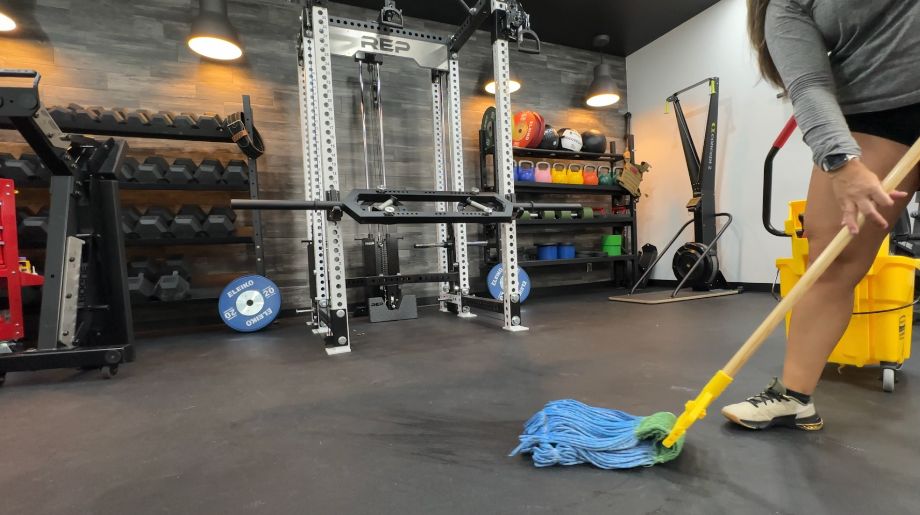
Image Source: www.garagegymreviews.com
Figuring Out Gym Floor Types
Not all gym floors are the same. Different types need different cleaning. The most common gym floor types are rubber and vinyl. Knowing your floor helps you clean it right.
- Rubber Gym Flooring: This is very popular. It is tough and helps cushion joints. It can be rolls, tiles, or mats. Cleaning rubber gym flooring needs care. You cannot use harsh stuff on it. It can damage the rubber.
- Vinyl Gym Flooring: This is also common. It looks nice and is easy to keep clean. It can be sheets or tiles. Vinyl gym floor cleaning is often simpler than rubber. But you still need the right products.
There are other types too. Wood, turf, and carpet are sometimes used. But rubber and vinyl are the main ones we will focus on. They cover most gym floors.
Why Keeping Gym Floors Clean Matters
Cleaning gym floors is not just about looks. It is vital for many reasons.
- Stopping Germs: People sweat and touch floors. Germs can spread fast. Cleaning and disinfecting gym floors kill harmful bugs. This keeps everyone healthier.
- Making Floors Last: Dirt and sweat can hurt the floor over time. Tiny bits act like sandpaper. They scratch the surface. Proper cleaning stops this. Good gym floor maintenance tips help your floor last longer.
- Looking Good: A clean gym feels better. It looks professional and welcoming. People want to work out in a clean place.
- Safety First: Slippery floors are dangerous. Sweat or spilled drinks need quick cleaning. Removing scuff marks from gym floor surfaces also helps. Scuffs can make floors uneven or less grippy.
Keeping your gym floor clean is a key part of running a good gym. It protects people and your investment.
Gathering Your Gym Floor Cleaning Equipment
You need the right tools to do a good job. Using the wrong tools makes cleaning harder. It can also harm the floor. Here is what you will likely need:
- Brooms or Sweepers: For picking up dry stuff like dirt and hair. A dust mop or micro fiber sweeper works well.
- Vacuum Cleaner: A good vacuum is important. It pulls out dirt from rubber floor textures. Look for one made for hard floors.
- Mops: Microfiber mops are great. They pick up dirt and use less water. String mops can push dirt around more.
- Buckets: You need at least two. One for clean water and cleaner. One for dirty water. This is the two-bucket method. It keeps you from putting dirty water back on the floor.
- Auto-Scrubber (for bigger gyms): These machines clean large areas fast. They scrub and pick up the dirty water. They are part of commercial gym floor cleaning setups.
- Spray Bottles: For spot cleaning. Good for cleaning sweat stains on gym floor areas or spills.
- Cleaning Cloths: Microfiber cloths are best. They grab dirt well.
- Scrub Brushes/Pads: For stubborn spots or marks. Make sure they are safe for your floor type. You do not want to scratch it.
- Wet Floor Signs: Always use these! They stop people from slipping.
Having these tools ready makes the job much smoother. They are key gym floor cleaning equipment.
Step-by-Step Daily Gym Floor Cleaning
Daily cleaning is the most important thing. It stops dirt from building up. It keeps germs down. Here is a simple plan:
H4 Step 1: Clear the Floor
Move any small items. Weights, mats, water bottles need to be out of the way. This lets you clean the whole area easily.
H4 Step 2: Remove Dry Dirt
Start with dry cleaning. This is super important. Do not wet a dirty floor first. It turns dirt into mud.
- Sweep or Dust Mop: Go over the whole floor. Get all the loose dirt, dust, hair, and sand. Pay attention to corners and edges.
- Vacuum: Use a good vacuum. This is very helpful for rubber gym flooring. Dirt can hide in the small spaces of rubber textures. Vacuuming pulls it out. For large commercial gym floor cleaning, use a wide sweeper or vacuum.
Removing all the dry dirt first makes wet cleaning much more effective.
H4 Step 3: Spot Clean Spills and Marks
Deal with problem spots right away.
- Sweat Stains: Cleaning sweat stains on gym floor mats or surfaces stops odors. Use a spray bottle with a mild cleaner or just water on a cloth. Wipe the sweat up completely. Do not let it sit.
- Scuff Marks: These are common. Removing scuff marks from gym floor areas needs a bit more work.
- Try rubbing with a clean, damp cloth first.
- If that does not work, put a tiny bit of a neutral floor cleaner for gym use on a cloth. Rub the mark gently.
- For tough marks on rubber, sometimes a pencil eraser works. Test it in a hidden spot first.
- Avoid harsh chemicals or abrasive pads. They can damage the floor finish.
Spot cleaning daily keeps your floor looking good between full cleans.
H4 Step 4: Wet Clean the Floor
Now it is time to use water and cleaner.
- Mix Your Cleaner: Choose the best gym floor cleaner for your floor type. For most rubber and vinyl floors, a neutral floor cleaner for gym use is best. Mix it in a bucket following the directions. Using too much cleaner leaves a sticky film. Using too little does not clean well.
- Use Two Buckets: Put clean cleaner mix in one bucket. Have an empty bucket for rinsing your mop. Dip your mop in the cleaner mix. Wring it out well. The mop should be damp, not soaking wet. Too much water is bad for floors.
- Mop the Floor: Mop a small area at a time. Rinse the dirty mop in the empty bucket. Wring it out very well. Then dip it back in the clean cleaner mix. This keeps you from spreading dirt around. Change the dirty water often.
- Using an Auto-Scrubber: For commercial gym floor cleaning, auto-scrubbers are efficient. Fill the machine with the correct neutral floor cleaner for gym use mixed with water. Drive the machine over the floor area. It cleans and vacuums up the water. Follow the machine’s guide.
Use back and forth passes. Overlap slightly. Make sure you get all the floor.
H4 Step 5: Let the Floor Dry
Let the floor air dry. Put up wet floor signs. Good air flow helps it dry faster. Do not let people walk on it until it is totally dry. Walking on a wet floor can leave footprints and spread dirt.
Picking the Best Gym Floor Cleaner
The cleaner you use matters a lot. The wrong one can hurt your floor.
- Type of Floor: Always check the floor maker’s advice. Rubber floors often need specific cleaners. Vinyl floors can usually handle a bit more, but gentle is still best.
- Neutral pH Cleaners: A neutral floor cleaner for gym use is usually the safest bet. These cleaners have a pH level close to 7. This means they are not acidic (low pH) or alkaline (high pH). Acidic cleaners can dull finishes. Alkaline cleaners can leave residue. A neutral cleaner cleans well without harming most floor types.
- Avoid Harsh Chemicals: Do not use bleach, ammonia, or strong degreasers unless the floor type specifically allows it (rare for gym floors). These can damage rubber and vinyl. They can also make floors slippery or break down the material.
- Non-Slip Properties: Some cleaners are made to help keep floors from being slippery. This is a good feature for a gym.
- Enzymatic Cleaners: These are good for cleaning sweat stains on gym floor areas and stopping odors. They use helpful tiny living things (enzymes) to eat up the stuff that causes smells and stains. They are often used in specific areas like where people do floor exercises.
The best gym floor cleaner is one that works for your specific floor, cleans well, and does not cause damage. A neutral floor cleaner for gym floors is a great starting point for many.
Disinfecting Gym Floors
Cleaning removes dirt and some germs. Disinfecting kills most germs.
H4 When to Disinfect
Daily cleaning is a must. Disinfecting gym floors might be done less often. How often depends on how many people use the gym. It also depends on what activities happen.
- High traffic areas might need it daily or several times a week.
- Less used areas might need it weekly.
- After someone has been sick, disinfecting can be helpful.
- For commercial gym floor cleaning, a regular disinfecting plan is key.
H4 How to Disinfect
- Clean First: You must clean the floor before you disinfect. Disinfectants do not work well on dirty surfaces. The dirt stops them from reaching the germs.
- Choose a Disinfectant: Use a disinfectant made for floors. Make sure it is safe for your floor type. Check the label. Some disinfectants are also cleaners (cleaner/disinfectants).
- Follow Directions: Disinfectants need to stay wet on the surface for a certain time to kill germs. This is called ‘dwell time’. Read the product label carefully. You might need to mop the area and leave it wet for 5-10 minutes.
- Rinse if Needed: Some disinfectants need rinsing after the dwell time. Others do not. Check the product label. If rinsing is needed, use clean water and a clean mop.
Disinfecting gym floors is important for health, especially in busy places.
Special Care for Rubber Gym Flooring
Cleaning rubber gym flooring needs specific steps. Rubber is strong but can be harmed by harsh chemicals.
- Use Mild Cleaners: Only use cleaners made for rubber floors or a general neutral floor cleaner for gym use.
- Control Water: Never flood rubber floors. Too much water can get under tiles or rolls. This can loosen glue and cause mold. Use a damp mop or an auto-scrubber that vacuums up water well.
- Remove Scuffs Carefully: Removing scuff marks from gym floor rubber needs care. Do not use abrasive pads. A soft cloth, a little cleaner, or a clean eraser often works.
- Deal with Sweat: Cleaning sweat stains on gym floor rubber quickly stops smells. Rubber can absorb odors.
- Avoid Oil and Grease: Oil and grease can break down rubber over time. Clean any spills right away.
- Let it Dry: Make sure the rubber floor dries completely before people use it again. Good air flow helps.
Rubber is tough but needs the right care to last and look good.
Special Care for Vinyl Gym Flooring
Vinyl gym floor cleaning is often easier. Vinyl is less porous than rubber.
- Use Gentle Cleaners: A neutral floor cleaner for gym use is usually fine. Avoid strong acids or alkalines that can dull the finish.
- Manage Water: Like rubber, do not use too much water. While vinyl handles water better than wood, too much can still get into seams and cause problems. A damp mop or auto-scrubber is best.
- Scuff Marks: Removing scuff marks from gym floor vinyl is usually easy. Often a damp cloth with a little cleaner does the trick. For stubborn ones, a non-abrasive pad might be needed.
- Protect the Finish: Some vinyl floors have a protective layer. Harsh cleaners can strip this. Using the right cleaner helps keep this layer.
- Avoid Heat: Hot water is usually fine, but extreme heat sources should not be placed directly on vinyl.
Vinyl is forgiving, but regular, proper cleaning keeps it looking its best for years.
Gym Floor Maintenance Tips for Long Life
Daily cleaning is key. But other steps help your floor last even longer. These are important gym floor maintenance tips.
- Use Entry Mats: Put mats at the doors. They trap dirt and sand. This stops them from getting on the gym floor. This is a simple but very effective tip.
- Fix Issues Fast: If you see a loose tile, a tear, or a stain that won’t come out, deal with it. Small problems become big problems if you wait.
- Check for Wear: Look for areas that are wearing out faster. Maybe these areas need more protection or different cleaning.
- Deep Cleaning: Once in a while, your floor might need a deeper clean. This might involve special machines or cleaners to remove buildup that daily cleaning misses. This is often part of commercial gym floor cleaning plans.
- Consider Professional Cleaning: For large gyms, hiring a professional cleaning service might be a good idea sometimes. They have special gym floor cleaning equipment and knowledge for deep cleaning or dealing with tough problems.
Regular maintenance saves money in the long run. It keeps your floor safe and looking great.
Tackling Tough Gym Floor Problems
Sometimes you face tricky cleaning issues.
H4 Removing Stubborn Scuff Marks
Removing scuff marks from gym floor areas can be hard if they are old.
- Try Heat: For some types of scuffs on vinyl, rubbing with a cloth soaked in warm water can help.
- Test Cleaners: If a neutral floor cleaner for gym use is not enough, test a slightly stronger cleaner in a hidden spot first. Make sure it does not damage the floor.
- Specialty Removers: There are products made just for removing scuff marks. Use these carefully and follow the directions.
H4 Getting Rid of Sticky Spots
Spilled drinks, energy gel, or tape residue can leave sticky spots.
- Clean Quickly: Wipe spills immediately.
- Warm Water and Soap: Often, warm water and a little neutral floor cleaner for gym use will work.
- Rubbing Alcohol: For tape residue on some floors (test first!), a little rubbing alcohol on a cloth can help.
- Enzyme Cleaners: For sticky residues from sweat or organic matter, an enzyme cleaner can break them down.
H4 Dealing with Odors
Gyms can get smelly. Cleaning sweat stains on gym floor surfaces is the main way to fight this.
- Clean Sweat Right Away: This prevents the odor source.
- Ventilation: Good air flow helps a lot. Open windows if possible. Use fans.
- Enzyme Cleaners: These are great for odors trapped in porous floors like rubber. They eat the bacteria causing the smell.
- Disinfecting: Regular disinfecting gym floors kills odor-causing bacteria.
- Check Under Mats: Sometimes smells come from moisture or grime trapped under mats that are not moved or cleaned often.
Solving these problems quickly keeps the gym fresh and clean.
Deep Cleaning vs. Daily Cleaning
Daily cleaning is like wiping your kitchen counter every day. Deep cleaning is like cleaning the oven.
- Daily Cleaning: This is your regular sweeping, mopping, and spot cleaning. It removes surface dirt, sweat, and scuffs. It happens often. It keeps the floor generally clean and safe.
- Deep Cleaning: This is less frequent. It tackles buildup that daily cleaning misses. It might involve using different gym floor cleaning equipment like buffers or specific stripping agents (used very carefully and rarely on gym floors). It might involve thorough scrubbing along edges and in corners. This is more common in commercial gym floor cleaning settings with heavy use.
A good gym floor maintenance tips plan includes both daily and periodic deep cleaning.
Safety While Cleaning
Cleaning can be dangerous if you are not careful.
- Use Wet Floor Signs: Always. Seriously.
- Read Labels: Know what chemicals you are using. Follow safety warnings. Wear gloves if needed.
- Good Ventilation: When using cleaners or disinfectants, make sure there is fresh air.
- Lift Smart: When moving equipment or buckets, bend your knees.
- Keep Cords Safe: If using vacuums or auto-scrubbers, make sure cords are not trip hazards.
Being safe protects you and others in the gym.
Comprehending Commercial Gym Floor Cleaning
Commercial gyms have different needs than home gyms.
- Scale: They are much bigger. Manual cleaning takes too long. This is where gym floor cleaning equipment like auto-scrubbers is essential.
- Traffic: Many people use commercial gyms every day. This means more dirt, more sweat, more germs, and more wear. Cleaning must happen often, sometimes multiple times a day in high-use areas.
- Specialized Areas: Commercial gyms might have areas for weightlifting (more impact), cardio (more sweat), or classes (different floor types). Each area might need slightly different care.
- Regulations: Commercial gyms might need to meet health standards. Regular disinfecting gym floors is often a requirement.
- Hiring Staff/Service: Commercial gym floor cleaning is usually done by dedicated staff or a professional cleaning company. Training is key so they use the right methods and products (like a neutral floor cleaner for gym use) for each floor type.
Commercial cleaning is a bigger job but uses the same basic principles: clear, dry clean, wet clean, spot clean, and maintain. It just needs more planning, equipment, and people power.
Summarizing the Plan
To keep gym floors clean and safe:
- Know Your Floor: Rubber, vinyl, etc.
- Get the Right Tools: Brooms, vacuums, mops, cleaner, signs.
- Clean Daily: Sweep/vacuum, spot clean, damp mop.
- Use the Right Cleaner: Often a neutral floor cleaner for gym use is best. Avoid harsh chemicals.
- Disinfect When Needed: Clean first, then use a floor-safe disinfectant.
- Handle Problems: Quickly clean sweat stains on gym floor spots and work on removing scuff marks from gym floor areas.
- Maintain: Use mats, fix issues fast, do deep cleaning when needed.
- Be Safe: Use signs, read labels, ensure air flow.
Following these steps helps you keep your gym floor in great shape. It makes the gym a healthier, nicer place for everyone. Good gym floor maintenance tips are simple steps done often.
Example Cleaning Schedule Table
Here is a simple example schedule. Adjust it for your gym’s size and how many people use it.
| Task | Daily | Weekly | Monthly | As Needed (Spot) |
|---|---|---|---|---|
| Clear Floor | ✓ | |||
| Sweep / Vacuum | ✓ | |||
| Spot Clean (Spills, Sweat) | ✓ | ✓ | ||
| Damp Mop (General Area) | ✓ | |||
| Mop (Less Used Areas) | ✓ | |||
| Remove Scuff Marks | ✓ | ✓ | ||
| Disinfect High Traffic | ✓ (Opt) | ✓ | ||
| Disinfect Full Floor | ✓ (Opt) | ✓ | ||
| Deep Clean | ✓ (Opt) | |||
| Check for Wear / Damage | ✓ |
Opt = Optional, depending on traffic and needs. Commercial gyms may need daily disinfecting in many areas.
This table is a guide. Your specific needs might be different. But having a plan helps.
Frequently Asked Questions (FAQ)
Here are answers to common questions about cleaning gym floors.
H5 How often should I clean gym floors?
Daily cleaning is best for most areas. Sweep or vacuum daily. Damp mop high-traffic spots. Mop less-used areas a few times a week. Clean spills and sweat right away.
H5 Can I use bleach on gym floors?
Usually, no. Bleach and other harsh chemicals can damage rubber, vinyl, and other common gym floor materials. They can make floors sticky, change color, or break down over time. A neutral floor cleaner for gym use is much safer.
H5 What is the best way to clean sweat stains on gym floor rubber?
Wipe sweat up as soon as possible with a clean cloth. If it dries, use a damp cloth with a little neutral floor cleaner for gym use or an enzymatic cleaner. Gently rub the area. Enzyme cleaners are good because they help break down the organic stuff in sweat that causes stains and smells in rubber.
H5 What is a neutral floor cleaner for gym?
It is a cleaning product with a pH level close to 7. This means it is not acidic or alkaline. These cleaners are gentle. They clean dirt and grime without harming the floor material or its finish. They are ideal for most rubber and vinyl gym floors.
H5 How do I remove scuff marks from gym floor surfaces without scratching?
Start with a clean, damp cloth and gentle rubbing. If that doesn’t work, add a little neutral floor cleaner for gym use to the cloth. Rub gently. For rubber, a clean pencil eraser can sometimes work. Always test in a small, hidden area first. Avoid abrasive pads or harsh chemicals.
H5 What equipment is essential for cleaning gym floors?
At minimum, you need brooms/sweepers, a good vacuum, microfiber mops, buckets, cleaning cloths, and a suitable floor cleaner (like a neutral floor cleaner for gym use). For larger or commercial gyms, an auto-scrubber is highly recommended gym floor cleaning equipment.
H5 Is disinfecting gym floors necessary?
Yes, it is very important, especially in commercial gyms. People sweat and touch surfaces, making gym floors a place where germs can spread. Cleaning removes dirt, but disinfecting kills most bacteria and viruses. Disinfect regularly, especially in high-touch or high-sweat areas, after cleaning the dirt away first.
H5 How is cleaning rubber gym flooring different from cleaning vinyl?
Rubber is more porous than vinyl. This means it can hold onto smells and dirt more. Cleaning rubber gym flooring requires very careful water control. Too much water can get trapped and cause problems. Rubber is also more sensitive to harsh chemicals. Vinyl is more resistant but still benefits from gentle cleaning and less water.
H5 What are some good gym floor maintenance tips?
Use entry mats to stop dirt. Clean spills and sweat right away. Use the correct cleaner for your floor type (like a neutral floor cleaner for gym). Do regular dry cleaning (sweeping/vacuuming) before wet cleaning. Inspect the floor often for wear or damage and fix issues fast. Consider periodic deep cleaning.
H5 What makes commercial gym floor cleaning different?
Commercial cleaning deals with larger areas, higher traffic, and more intense use. It relies more on efficient gym floor cleaning equipment like auto-scrubbers. Cleaning happens more often, and there is a greater need for regular disinfecting gym floors due to the number of users. Planning and proper training for staff are crucial.