
Can you wash exercise mats with soap and water? Yes, you can wash most exercise mats with mild soap and water. However, the frequency and method of cleaning will depend on the type of mat you have and how often you use it. This comprehensive guide will walk you through everything you need to know to keep your exercise mats fresh, hygienic, and in great condition. From daily wipe-downs to deep cleaning, we’ve got you covered.
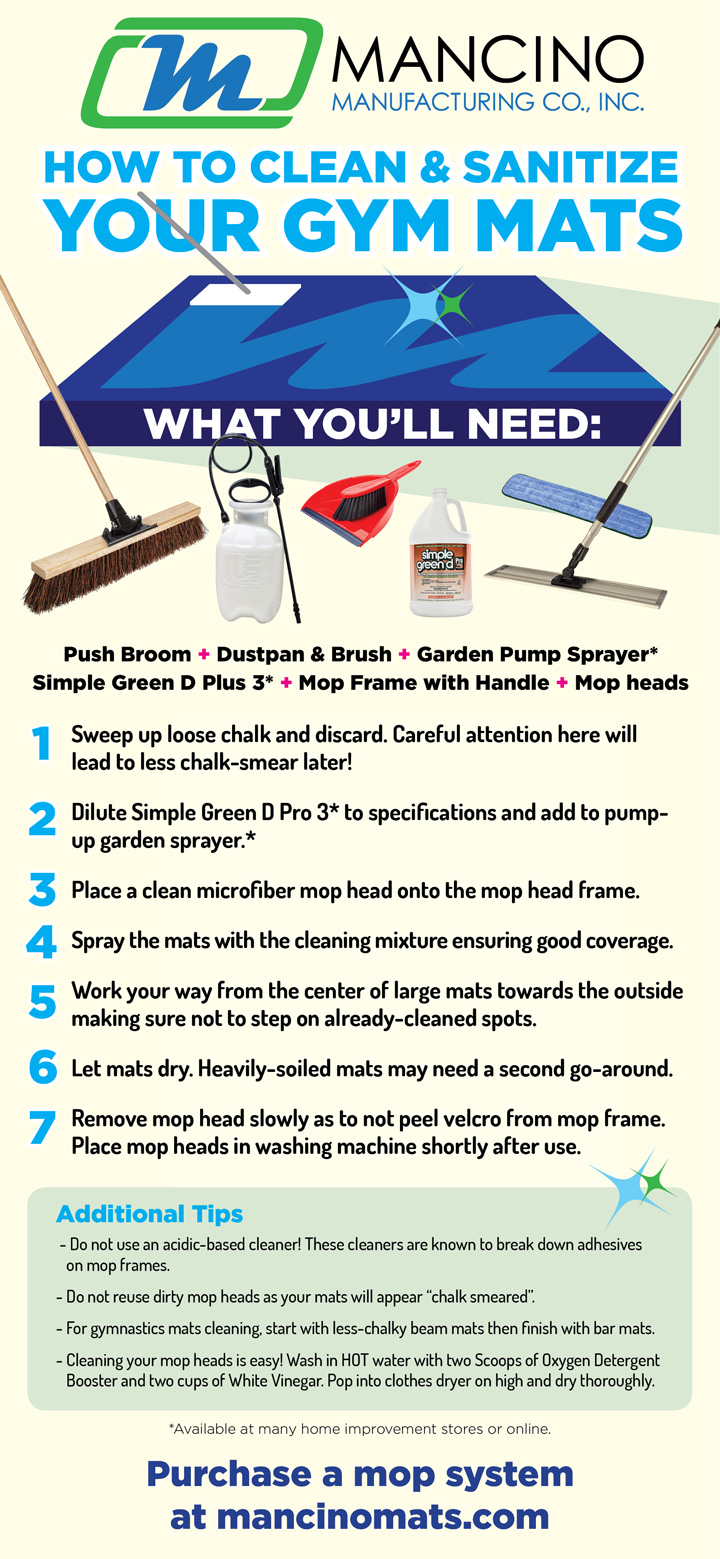
Image Source: www.mancinomats.com
Why Cleaning Your Exercise Mat Matters
Your exercise mat is a breeding ground for sweat, dirt, dead skin cells, and bacteria. These accumulate with every workout, potentially leading to unpleasant odors and skin irritations. Regular cleaning not only maintains hygiene but also extends the lifespan of your mat, preventing material breakdown and preserving its grip. Disinfecting workout mats is crucial for preventing the spread of germs, especially if you share your mat or use it in a public gym. Sanitizing yoga mats ensures a clean surface for your practice, while cleaning gym mats in general contributes to a healthier workout environment for everyone.
Bacteria and Germs: The Unseen Workout Partners
Think about it: you sweat on your mat, your feet might be dirty, and if you’re in a studio, there’s always the chance of encountering other people’s germs. Bacteria and fungi thrive in warm, moist environments, making your mat a perfect home. Without regular cleaning, you risk transferring these microorganisms back onto your skin, potentially causing infections or acne.
Odor Control: Banish the Funk
Nobody wants to work out on a smelly mat. Sweat and body oils can create stubborn odors that seep into the mat’s material. Proper cleaning will eliminate these smells, making your workout experience much more pleasant.
Extending Mat Lifespan
Dirt and grime can degrade the material of your exercise mat over time. Consistent cleaning helps protect the surface, preventing it from becoming brittle, cracked, or losing its grip.
Types of Exercise Mats and Their Care Needs
Different materials require different cleaning approaches. Knowing what your mat is made of will help you choose the most effective and safest cleaning methods.
PVC Mat Care
Polyvinyl Chloride (PVC) mats are popular for their durability and grip. They are generally easy to clean.
- Gentle Soap and Water: A solution of mild dish soap and warm water is usually sufficient.
- Avoid Harsh Chemicals: Bleach or abrasive cleaners can damage PVC.
- Rinse Thoroughly: Ensure no soap residue is left behind.
- Air Dry: Always let PVC mats air dry completely.
Rubber Mat Cleaning
Rubber mats, especially those made from natural rubber, offer excellent grip and cushioning. However, they can be more sensitive to certain cleaning agents.
- Mild Soap: Use a very mild, unscented soap.
- Vinegar Solution (Diluted): A diluted white vinegar solution (1 part vinegar to 3 parts water) can be effective for disinfecting workout mats, but test on a small area first.
- Avoid Oil-Based Cleaners: These can degrade rubber.
- Never Machine Wash or Dry: The heat and agitation will damage rubber mats.
TPE (Thermoplastic Elastomer) and EVA (Ethylene-Vinyl Acetate) Mats
These are lighter, more eco-friendly options often found in yoga studios.
- Mild Soap and Water: Similar to PVC, mild soap and water work well.
- Gentle Wiping: Avoid scrubbing too vigorously.
- Drying is Key: Ensure they are fully dry to prevent mold.
Natural Fiber Mats (e.g., Jute, Cotton)
These mats often require specialized care.
- Spot Cleaning: Usually best to spot clean spills with a damp cloth.
- Hand Washing (Limited): Some cotton mats can be hand-washed in cold water, but always check the manufacturer’s instructions.
- Avoid Soaking: Excessive moisture can damage natural fibers.
Daily Cleaning: Quick Refreshers
A quick wipe-down after each use is the best way to prevent dirt and sweat buildup.
What You’ll Need:
- Microfiber cloth
- Spray bottle
- Water
- Mild, non-toxic cleaner (see “Best Exercise Mat Cleaner” section)
The Process:
- Spray: Lightly mist your mat with your chosen cleaning solution. Avoid soaking the mat.
- Wipe: Use a clean microfiber cloth to wipe down the entire surface of the mat. Pay attention to areas where you tend to sweat the most.
- Dry: Use a separate dry microfiber cloth to remove any excess moisture.
Weekly Cleaning: Deeper Hygiene
Once a week, or more often if you sweat heavily, a more thorough cleaning is recommended.
What You’ll Need:
- Bucket or sink
- Mild soap (dish soap or a dedicated mat cleaner)
- Warm water
- Clean cloths (microfiber is ideal)
- Spray bottle (optional)
The Process:
- Prepare Solution: Mix a few drops of mild soap with warm water in your bucket or sink. Alternatively, fill a spray bottle with your preferred non-toxic mat cleaner.
- Apply Cleaner:
- Option A (Bucket): Dip a clean cloth into the soapy water, wring it out well, and wipe down the mat.
- Option B (Spray Bottle): Lightly spray the mat with the cleaning solution.
- Scrub Gently: Use a soft brush or the cloth to gently scrub away any grime or stains. For tougher spots, you might need to apply a little more pressure, but avoid harsh scrubbing that could damage the mat.
- Rinse: Dampen a clean cloth with plain water and wipe down the mat to remove all soap residue. You might need to rinse the cloth multiple times.
- Dry: This is a crucial step. See the “Drying Exercise Mats” section below.
Deep Cleaning: Tackling Tough Grime and Odors
Every few months, or if your mat is visibly dirty or smelly, it’s time for a deep clean.
Methods for Deep Cleaning:
1. The Soaking Method (For Washable Mats Only)
- Check Manufacturer’s Instructions: Crucially, ensure your mat is designed to be soaked. Not all mats can handle this.
- Fill Bathtub/Large Sink: Fill with cool or lukewarm water and a small amount of mild soap.
- Submerge and Agitate: Gently agitate the water with your hands to create suds. Submerge the mat and let it soak for 10-20 minutes.
- Gentle Scrubbing: Use a soft brush or cloth to gently scrub away any stubborn dirt or marks.
- Drain and Rinse: Drain the dirty water and refill with clean water. Rinse the mat thoroughly until no soap suds remain. You might need to do this multiple times.
- Squeeze Gently: Carefully squeeze out excess water. Do not wring or twist the mat, as this can damage its structure.
2. Vinegar Solution for Disinfecting
A diluted white vinegar solution is a natural and effective way to kill bacteria and neutralize odors.
- Mix Solution: Combine 1 part white vinegar with 3 parts water in a spray bottle.
- Apply and Let Sit: Spray the solution generously over the mat. For disinfecting workout mats, let the solution sit on the surface for at least 10 minutes.
- Wipe Down: Wipe the mat with a damp cloth to remove the vinegar solution.
- Rinse (Optional but Recommended): For sensitive materials or if you dislike the vinegar smell, rinse the mat with a cloth dampened with plain water.
- Dry: Ensure the mat is completely dry.
3. Baking Soda for Odor Elimination
Baking soda is a fantastic natural deodorizer.
- Sprinkle: After cleaning and while the mat is still slightly damp, sprinkle a thin layer of baking soda over the entire surface.
- Let Sit: Leave the baking soda on for at least 30 minutes, or even overnight for strong odors.
- Wipe Off: Use a dry cloth or vacuum cleaner (with a brush attachment on low suction) to remove the baking soda.
Best Exercise Mat Cleaner Options
Choosing the right cleaner is essential to avoid damaging your mat or leaving behind harmful residues.
DIY Natural Mat Cleaner
A natural mat cleaner is often the safest and most economical choice.
- Mild Soap & Water: A few drops of mild, unscented dish soap mixed with water in a spray bottle.
- Vinegar & Water: As mentioned, a diluted white vinegar solution (1:3 ratio) for sanitizing yoga mats and general cleaning.
- Essential Oils (Optional): Add a few drops of tea tree oil or eucalyptus oil to your water or soap solution for added antibacterial properties and a pleasant scent. Be cautious with essential oils as some can stain or degrade certain mat materials. Always do a patch test.
Commercial Mat Cleaners
There are many commercial cleaners specifically designed for exercise mats. Look for products that are:
- Non-Toxic: Crucial for avoiding skin irritation and inhaling harmful fumes.
- Biodegradable: A more environmentally friendly option.
- pH-Neutral: Gentler on mat materials.
- Free from Harsh Chemicals: Avoid alcohol, bleach, ammonia, and petroleum distillates.
Table: Common Mat Cleaner Ingredients to Avoid
| Ingredient | Potential Harm |
|---|---|
| Bleach | Can degrade PVC and rubber, fade colors, and leave a strong odor. |
| Alcohol (Isopropyl) | Can dry out and crack rubber and some PVC mats, reducing their lifespan. |
| Ammonia | Harsh chemical that can damage the surface of many mat materials. |
| Harsh Solvents | Can break down the plasticizers in PVC and degrade rubber. |
| Abrasive Cleaners | Can scratch and damage the surface, affecting grip and durability. |
Drying Exercise Mats: A Critical Step
Improper drying can lead to mold, mildew, and a shortened mat life.
Key Drying Principles:
- Air Dry Only: Never use a machine dryer. The heat will warp and damage most mat materials, especially rubber.
- Hang or Lay Flat:
- Hanging: Drape your mat over a clothesline, shower rod, or drying rack. Ensure good air circulation around the entire mat. This is often the best method.
- Lay Flat: If hanging isn’t an option, lay the mat flat on a clean towel in a well-ventilated area. Flip it periodically to ensure even drying.
- Avoid Direct Sunlight: Prolonged exposure to direct sunlight can fade colors and degrade the material of some mats. Dry in a shaded, airy spot.
- Absorb Excess Water: Before hanging or laying flat, gently blot the mat with a dry towel to absorb as much surface moisture as possible. For heavier mats like rubber, you might gently press down on it with a towel rather than attempting to wring it.
How Long Does Drying Take?
Drying time can vary depending on the mat’s thickness, material, and ambient humidity. It can take anywhere from a few hours to overnight. Ensure your mat is completely dry before rolling it up or storing it.
Storing Gym Mats: Keeping Them in Top Shape
Proper storing gym mats helps maintain their shape, prevent damage, and keep them clean between uses.
Storage Best Practices:
- Rolled, Not Folded: Most mats are designed to be stored rolled. Folding can create permanent creases that weaken the material and affect grip.
- Loosely Roll: Roll your mat with the top side (the side you work out on) facing outwards. This prevents the grip surface from being pressed against itself, which can cause wear. Roll it loosely enough that there’s no tension on the material.
- Use a Mat Strap or Bag: A mat strap keeps the mat rolled neatly, and a mat bag offers protection from dust and dirt. Ensure the bag is breathable if your mat isn’t completely dry.
- Store in a Cool, Dry Place: Avoid garages or sheds that experience extreme temperature fluctuations or high humidity. Basements can also be problematic due to moisture.
- Away from Direct Sunlight: As mentioned, sunlight can degrade materials over time.
- Keep Away from Pets: Sharp claws can easily damage mats.
Mat Cleaning Frequency: A General Guide
How often you clean your mat depends on your usage and sweat levels.
Daily:
- Quick wipe-down with a damp cloth or a dedicated mat spray after each workout.
Weekly:
- A more thorough clean with mild soap and water or a gentle cleaner.
- Sanitizing yoga mats should ideally happen weekly, especially if used frequently.
Monthly/Quarterly:
- Deep clean if the mat shows signs of significant dirt, odor, or staining.
- This is also a good time to inspect your mat for wear and tear.
Troubleshooting Common Mat Cleaning Issues
Stubborn Stains:
- For PVC or rubber, try a paste of baking soda and water. Apply to the stain, let sit for 15-20 minutes, then gently scrub with a soft brush and wipe clean.
- Always test any stain removal method on an inconspicuous area first.
Lingering Odors:
- Ensure thorough drying after cleaning.
- Use the baking soda method described earlier.
- A diluted vinegar spray can also help neutralize odors.
Loss of Grip:
- This can sometimes be caused by residue buildup. Ensure you rinse thoroughly after cleaning.
- Some commercial cleaners contain silicones that can reduce grip over time. Stick to natural or specifically designed mat cleaners.
- If the mat is old or heavily worn, loss of grip may be irreversible.
Frequently Asked Questions (FAQ)
Can I use disinfectant wipes on my exercise mat?
Generally, it’s best to avoid standard disinfectant wipes. Many contain alcohol or harsh chemicals that can damage mat materials like rubber or PVC. If you must use wipes, look for ones specifically formulated for sensitive surfaces or exercise mats and ensure they are alcohol-free. Always test in a small area first.
Can I put my exercise mat in the washing machine?
Absolutely not for most mats, especially rubber and thick PVC mats. The agitation and heat will destroy them. Some very thin, washable yoga mats (often made of cotton or microfibre) might be machine washable on a cold, delicate cycle, but always check the manufacturer’s instructions first.
How do I clean a mat with essential oils?
If you want to add essential oils for scent or antibacterial properties, dilute them properly. Mix a few drops of oil (like tea tree, eucalyptus, or lavender) with water or a mild soap solution before spraying or wiping. Never apply undiluted essential oils directly to the mat, as they can be potent and potentially damage certain materials. Perform a patch test in a hidden spot first.
My mat smells like rubber. Is this normal?
Yes, new rubber mats often have a distinct rubber odor. This smell usually dissipates over time with regular use and cleaning. You can speed up the process by airing out the mat in a well-ventilated area or using your natural mat cleaner solution containing vinegar or a few drops of essential oil.
What’s the best way to clean my TPE mat?
TPE mats are generally quite easy to clean. A gentle wipe-down with a damp cloth or a solution of mild soap and water is usually sufficient. You can also use a diluted vinegar spray for disinfecting workout mats made of TPE. Ensure it’s fully air-dried after cleaning.
By following these guidelines, you can ensure your exercise mats remain clean, hygienic, and ready for your next sweat session, prolonging their life and enhancing your workout experience.