
Why should you clean your exercise equipment? Cleaning your workout gear is very important. It stops germs from spreading. It also keeps your equipment in good shape for a long time. Can cleaning help my gear last longer? Yes, a good cleaning plan helps your items work better and last longer. What is the best way to clean my gym gear at home? This guide will show you simple steps to keep all your fitness items clean and safe.
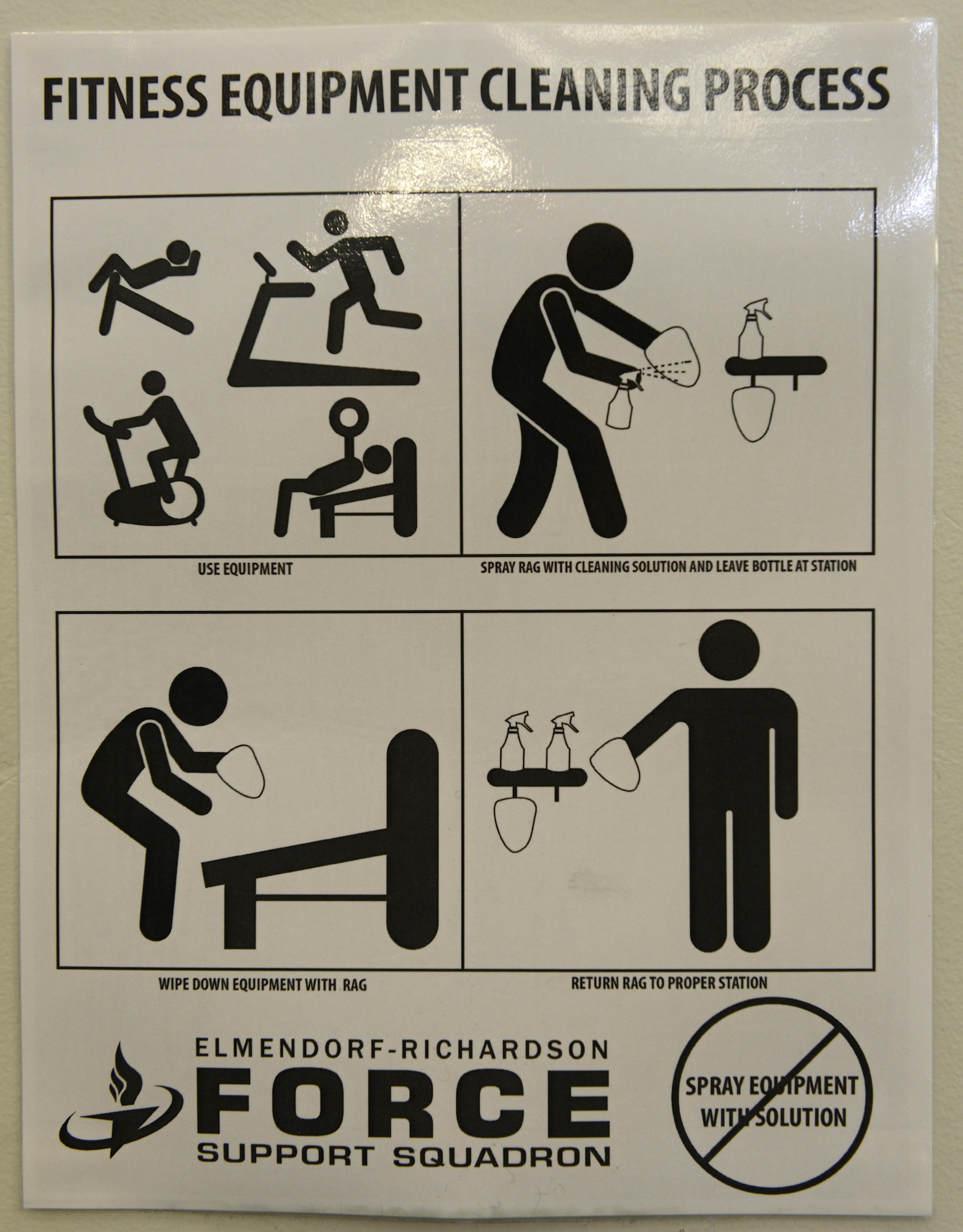
Image Source: media.defense.gov
The Power of Cleanliness: Why it Matters
Keeping your exercise gear clean is not just about looks. It is about your health. It is also about making your equipment last. Dirt and sweat can build up fast. This build-up can cause problems.
Health and Germ Control
Your body leaves sweat and skin cells on equipment. Germs love these spots. If you do not clean them, germs can grow. These germs can make you sick. Things like colds, flu, and skin issues can spread. Disinfecting workout gear helps stop these germs. It makes your workout space safer for everyone. This is part of a good hygiene workout routine.
Equipment Longevity and Performance
Dirt and sweat can hurt your equipment. Sweat has salt. Salt can corrode metal parts. This can cause rust. Dust can get into moving parts. This makes them work less well. It can even break them. Regular cleaning keeps things smooth. It helps your gear work as it should. It also saves you money on repairs.
Better Workout Experience
A clean gym feels better. No one wants to use sticky, smelly gear. A fresh, clean space helps you focus. It makes your workouts more pleasant. It is simply more inviting.
Daily Cleaning Habits: Your First Line of Defense
Cleaning your equipment after each use is key. This stops grime from building up. It makes deeper cleaning easier later on. Think of it as a quick wipe-down.
Simple Steps After Each Use
- Wipe Down Surfaces: Use a clean cloth. Wipe all parts you touch. This includes handles, seats, and screens.
- Address Sweat: Pay extra mind to sweaty spots.
Sweat residue removalis vital. This stops odors and stickiness. - Dry Fully: Do not leave surfaces wet. Moisture can cause problems. It can lead to rust or mildew.
What to Use for Quick Cleans
- Microfiber Cloths: These are soft and pick up dirt well. They do not scratch surfaces.
- Water: Plain water is often enough for light sweat.
- Mild Soap Solution: Mix a tiny bit of dish soap with water. Put it on a cloth. Wipe well.
- Gym Equipment Wipes: Pre-moistened wipes are handy. Look for ones that are safe for electronics. We will talk more about
best gym equipment wipeslater.
General Cleaning Principles: For All Your Gear
Every piece of equipment is different. But some rules apply to all. Following these rules helps you clean safely and well.
Choosing the Right Cleaning Products
- Check the Manual: Always read your equipment’s user guide first. It might have special cleaning instructions.
- Avoid Harsh Chemicals: Do not use bleach, ammonia, or abrasive cleaners. They can damage surfaces. They can also hurt painted or coated parts.
- Test in a Small Area: If unsure, test a cleaner. Use it on a hidden spot. Wait to see if it causes harm.
Natural Fitness CleanerOptions: Many people like to use milder, natural cleaners. These are often safe and eco-friendly.
Tools for the Job
Having the right tools makes cleaning easier.
- Soft Microfiber Cloths: Use many for different tasks.
- Spray Bottles: For mixing and applying cleaners.
- Small Brushes: Great for getting into tight spots or grooves.
- Vacuum Cleaner (with attachments): For dust and debris.
- Cotton Swabs: For very small, hard-to-reach areas.
- Gloves: Protect your hands from cleaners and germs.
Preventing Equipment Rust: A Major Concern
Rust can destroy your equipment. It happens when metal mixes with water and air. Sweat is salty water. So, sweat can speed up rust.
- Wipe Dry: Always wipe equipment dry after use. Do not let sweat sit.
- Use Rust-Preventing Sprays: For metal parts, use silicone or rust-inhibiting sprays. Do this a few times a year. Read the manual first.
- Control Humidity: If your gym is humid, use a dehumidifier. This pulls moisture from the air.
Deep Cleaning Your Cardio Machines
Cardio machines work hard. They need a deep clean now and then. This helps them run well and stay germ-free.
Treadmills: Your Running Partner
A treadmill maintenance guide is very important. Treadmills have many moving parts.
Cleaning the Exterior
- Unplug First: Always unplug the treadmill before cleaning. Safety first!
- Wipe Frame and Handrails: Use a damp cloth with mild soap. Wipe all non-moving parts.
- Clean the Console: Use a soft, slightly damp cloth. Do not spray cleaner directly onto the screen. It can harm electronics. A
best gym equipment wipesoption for screens is good here. - Vacuum Underneath: Dust and lint gather under the belt. Use a vacuum with a hose. Clean under the motor cover too.
Belt Maintenance
- Clean the Belt: Use a damp cloth to wipe the top of the belt. Get rid of dirt and shoe marks.
- Check for Wear: Look for fraying or damage on the belt edges.
- Lubricate the Deck (if needed): Some treadmills need lubrication under the belt. Check your manual. This keeps the belt moving smoothly. Use only the type of lube specified by the maker.
Ellipticals and Stationary Bikes
These machines also collect sweat and dust.
- Unplug: Turn off and unplug if electric.
- Wipe Down Handles and Pedals: Use a damp cloth with mild soap. Clean all touch points.
- Clean the Seat (bikes): Wipe the seat well.
- Dust Moving Parts: Use a dry cloth to dust around hinges and flywheel areas.
- Check for Loose Bolts: Tighten any loose bolts. This keeps the machine stable.
Deep Cleaning Your Strength Training Equipment
Strength gear can get very grimy. It often has more metal parts.
Dumbbells and Kettlebells
These are easy to clean.
- Wipe with Mild Soap: Use a cloth with mild soap and water. Wipe the whole surface.
- Rinse and Dry: Wipe with a clean, damp cloth. Then dry completely. Do not let water sit on metal. This prevents rust.
- For Textured Grips: Use a small brush (like a stiff toothbrush) to clean grooves.
Barbells and Weight Plates
Barbells need extra care to prevent rust.
- Wipe Barbell Shaft: Use a cloth with a mild cleaner. For the knurling (bumpy part), use a stiff nylon brush. Brush off chalk and skin.
- Oil the Barbell: For bare steel or black oxide barbells, use a light oil. Apply a thin layer to stop rust. This is crucial for
preventing equipment rust. - Clean Weight Plates: Wipe plates with a damp cloth. For rubber plates, use a mild soap. For metal plates, dry them very well.
Weight Benches and Machines
These have large surfaces and padded areas.
- Wipe Frames: Clean metal or plastic frames with soap and water.
- Clean Upholstery: For padded seats and backrests, use a mild cleaner. Mix water with a tiny bit of dish soap. Wipe with a damp cloth.
- Avoid Soaking: Do not soak the upholstery. Too much water can ruin the padding.
- Dry Thoroughly: Let padded parts air dry completely before using. You can pat them with a dry towel.
- Moving Parts: Dust and wipe down all pulleys and cables. Check for smooth movement.
Cleaning Your Fitness Accessories
Small items often get forgotten. But they touch your skin directly.
Cleaning Yoga Mats: More Than Just a Wipe
Cleaning yoga mats is super important. They absorb sweat and oils.
- Daily Wipe: After each use, wipe your mat with a damp cloth. Use water or a special mat spray.
- Deep Clean (Weekly/Bi-weekly):
- Natural Solution: Mix equal parts water and white vinegar in a spray bottle. Add a few drops of essential oil for a nice smell (like tea tree or lavender).
- Spray and Wipe: Spray the mat evenly. Wipe with a clean microfiber cloth.
- Air Dry: Hang the mat to dry fully. Do not roll it up wet. This can cause mold.
- For Very Dirty Mats: You can wash some mats in a tub with mild soap and water. Check your mat’s care tag first. Rinse well and hang dry.
Resistance Bands and Jump Ropes
These can get sticky or dirty.
- Wash with Soap and Water: Use mild soap and water. Gently wash bands and ropes.
- Rinse Well: Make sure all soap is off.
- Air Dry: Hang them to air dry. Keep them out of direct sunlight. Sunlight can degrade rubber.
Best Cleaning Agents and Tools
Knowing what to use is half the battle.
Best Gym Equipment Wipes: Convenience in a Pack
These wipes are great for quick cleans.
- Pros: Easy to use, portable, pre-measured.
- Cons: Can be more expensive. May not be ideal for deep cleaning.
- What to Look For:
- Non-Abrasive: Do not scratch surfaces.
- Alcohol-Free: Alcohol can dry out and damage some materials.
- Disinfectant Qualities: Some wipes can kill germs too. Read the label.
- Safe for Electronics: If using on screens.
Natural Fitness Cleaner Options
For those who prefer fewer chemicals, natural options work well.
- White Vinegar Solution: Mix equal parts white vinegar and water. Add citrus peels or essential oils for scent. Vinegar is a natural disinfectant.
- Mild Dish Soap and Water: A few drops of mild dish soap in water is great for general cleaning.
- Hydrogen Peroxide (3%): Can be used as a disinfectant. Spray on surfaces, let sit for a few minutes, then wipe dry. Test first!
- Rubbing Alcohol (70%): Good for
disinfecting workout gear. Spray on, let dry. Be careful on painted or plastic surfaces, it can be harsh. Use sparingly and test first.
Essential Cleaning Tools
- Microfiber Cloths: Get a big pack. They are gentle and absorbent.
- Spray Bottles: For mixing your own cleaners.
- Soft Brushes: For textured grips or hard-to-reach spots.
- Vacuum Cleaner with Hose: For dust and debris on and around machines.
- Cotton Swabs or Q-tips: For tiny crevices.
Solving Common Equipment Problems
Sometimes cleaning is not just about daily upkeep. It is about fixing specific issues.
Sweat Residue Removal: Sticky Situations
Sweat leaves a sticky film. This film can attract more dirt. It also makes surfaces slippery.
- Immediate Wipe Down: The best way to remove sweat residue is to wipe it off right away. Use a damp cloth.
- Mild Soap and Water: For stubborn stickiness, use a cloth with mild soap and water. Rub the area gently.
- Vinegar Solution: A diluted white vinegar spray can also cut through sweat and body oils. Spray, let sit for a moment, then wipe clean.
- Follow with Dry Cloth: Always dry the surface thoroughly.
Odor Removal Exercise Area: Keeping Things Fresh
A smelly gym is not fun. Odors come from sweat, bacteria, and mildew.
- Ventilation: Good air flow is key. Open windows. Use fans.
- Regular Cleaning: Clean equipment often. This stops odors from starting.
- Deodorizing Sprays: Use fabric deodorizers on upholstery if safe. For the air, use natural air fresheners.
- Baking Soda: Baking soda absorbs odors. Put open boxes in smelly areas. Sprinkle on carpets or mats, let sit, then vacuum.
- Vinegar Solution: As mentioned, vinegar helps kill odor-causing bacteria. Spray on surfaces (test first).
- Cleanliness of Workout Clothes: Make sure your workout clothes are washed right away. Do not let them sit.
Preventing Equipment Rust: Long-Term Protection
Rust ruins metal. It makes equipment unsafe.
- Wipe Down Immediately: The absolute best way to stop rust is to wipe all sweat off metal parts after each use.
- Control Humidity: If your gym is in a basement or humid area, use a dehumidifier. Aim for 30-50% humidity.
- Apply Rust Preventatives:
- Silicone Sprays: For general metal parts, a silicone spray creates a barrier.
- Mineral Oil/3-in-1 Oil: For barbells or chrome parts, a thin layer of mineral oil or 3-in-1 oil can protect. Wipe on with a cloth, then buff off excess. Do this a few times a year.
- Store Properly: Keep equipment in a dry, cool place. Not next to an outside wall that might be damp.
Developing Your Hygiene Workout Routine
Cleaning should be a part of your fitness life. Make it a habit.
Daily Rituals (After Each Workout)
- Wipe Down: Quickly wipe all surfaces you touched.
- Dry: Ensure no moisture is left behind.
- Clean Up: Put away weights. Store yoga mats properly.
Weekly Deep Clean
- Sanitize All Surfaces: Go over everything with a
sanitizing home gymspray or wipe. - Vacuum: Clean floor, under equipment, and around machines.
- Clean Yoga Mats: Give mats a proper deep clean.
- Check for Dust: Dust off all parts of machines.
Monthly/Quarterly Maintenance
- Lubricate: Check manuals for moving parts that need oil.
- Tighten: Check bolts and screws on all machines. Tighten if loose.
- Inspect: Look for wear and tear. Address small issues before they become big ones.
- Major Treadmill Care: Follow your
treadmill maintenance guidefor lubrication and belt checks.
Sanitizing Home Gym: Going Beyond Clean
Cleaning removes dirt. Sanitizing kills germs. Disinfecting kills most germs. For a home gym, sanitizing regularly is a smart move.
The Difference: Clean, Sanitize, Disinfect
- Cleaning: Removes dirt, dust, and grime. Does not kill germs.
- Sanitizing: Reduces germs to safe levels (usually by 99.9%).
- Disinfecting: Kills almost all germs on a surface (usually 99.999%). This is needed for high-risk areas or if someone is sick.
When to Sanitize or Disinfect
- Regularly: Sanitize your most-touched items weekly.
- After Sickness: Disinfect all shared equipment if someone in your home has been sick.
- If Sharing: If others use your home gym, sanitize more often.
How to Sanitize Your Home Gym
- Clean First: Always clean surfaces to remove dirt before sanitizing. Sanitizers work best on clean surfaces.
- Choose Your Product:
- EPA-Approved Sanitizers: Look for products that state they sanitize or disinfect on the label. Read the instructions.
- Alcohol-Based Sprays: 70% isopropyl alcohol can sanitize. Spray, let air dry.
- Quaternary Ammonium (Quats) Cleaners: These are common in gym wipes and sprays. They are good at killing a wide range of germs.
- Vinegar/Hydrogen Peroxide: While natural, these need longer contact times to truly disinfect.
- Apply and Dwell: Spray the sanitizer on the surface. Let it sit wet for the recommended “dwell time” (check the product label). This is often 3-5 minutes.
- Wipe Dry: After the dwell time, wipe the surface clean.
Frequently Asked Questions (FAQ)
Q1: Can I use household all-purpose cleaner on my gym equipment?
A1: It depends. Many all-purpose cleaners are too harsh. They can damage delicate surfaces or electronics. Always check your equipment manual first. Stick to mild soap and water or cleaners made for gym equipment.
Q2: How often should I lubricate my treadmill belt?
A2: This varies greatly by model and usage. Check your treadmill’s user manual. Some need it every 3-6 months. Others might have self-lubricating decks. Not lubricating when needed can cause major damage.
Q3: My dumbbells are starting to look rusty. Can I remove the rust?
A3: Yes, you can often remove light rust. For mild rust, use a stiff nylon brush or steel wool with a little bit of penetrating oil (like WD-40). For stubborn spots, use a rust remover product, but test it first. After cleaning, dry thoroughly and apply a light coat of oil to prevent future rust.
Q4: Is it okay to spray cleaner directly onto machine screens or consoles?
A4: No, do not spray cleaner directly onto screens or electronic consoles. This can damage the internal parts. Instead, spray your cleaning solution onto a soft microfiber cloth, then gently wipe the screen. Use specific screen cleaning wipes if available.
Q5: My yoga mat still smells after cleaning. What else can I do?
A5: If your yoga mat still smells, it might need deeper cleaning or odor absorption. Try spraying it liberally with a white vinegar and water solution (50/50 mix) and letting it air dry completely outside. You can also sprinkle baking soda on the mat, let it sit for a few hours or overnight, then vacuum or wipe it off. Proper and frequent drying is key.
Q6: How can I tell if a gym equipment wipe is safe for my gear?
A6: Look for wipes that are labeled “non-abrasive,” “alcohol-free,” and “safe for electronics” if you plan to use them on consoles. Check the ingredients list to avoid harsh chemicals like bleach. When in doubt, test a wipe on a small, hidden part of your equipment first.
Conclusion
Keeping your exercise equipment clean is not just a chore. It is an act of care. It protects your health. It makes your gear last longer. It even makes your workouts better. By following these simple steps, you can keep your home gym fresh, safe, and ready for your next sweat session. Make cleaning a core part of your fitness habit.