
So, you want to become a fitness influencer? Can you make a living doing it? Yes, with dedication and the right approach, becoming a fitness influencer can lead to a fulfilling career. Who is a fitness influencer? Essentially, they are individuals who share their passion for fitness, health, and wellness online, inspiring and guiding others.
The landscape of fitness social media has exploded, offering incredible opportunities for those who love to move, feel good, and help others do the same. It’s more than just posting gym selfies; it’s about building a brand, creating valuable content, and connecting with an audience that trusts your expertise. This guide will give you insider tips to navigate this exciting path, from crafting your niche to turning your passion into profit.
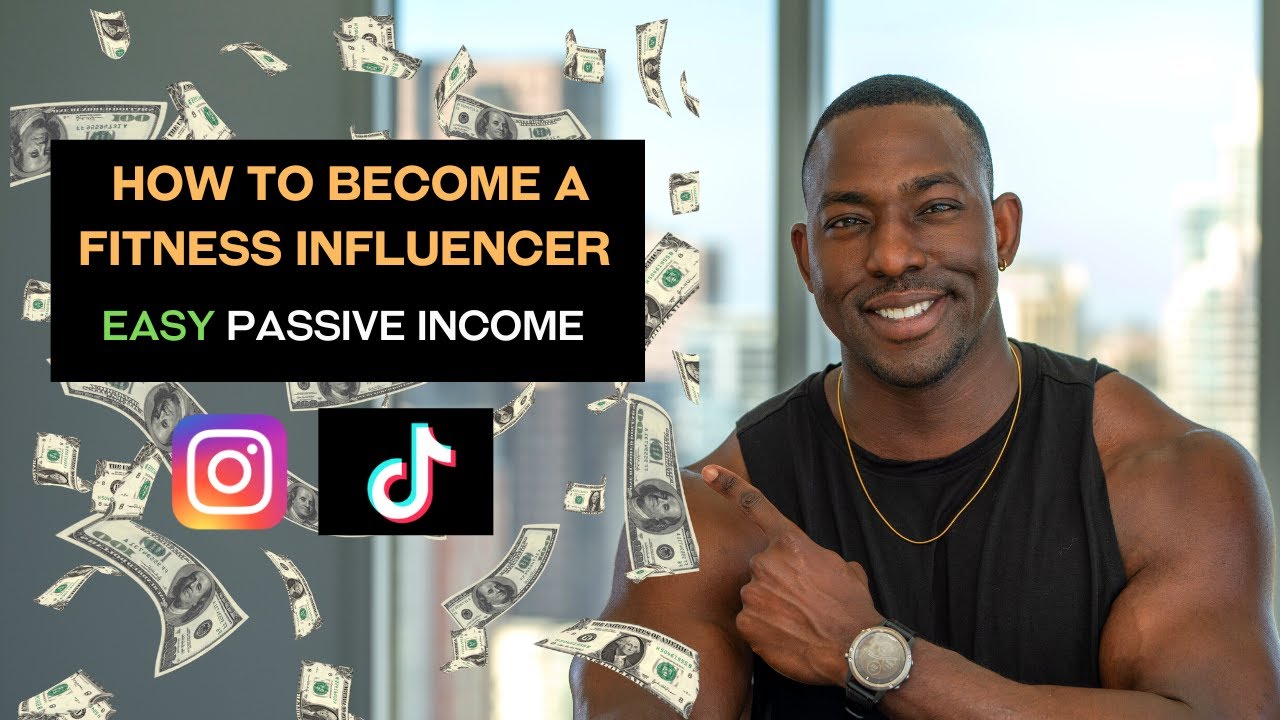
Image Source: i.ytimg.com
Defining Your Fitness Niche
Before you even think about posting your first workout video, it’s crucial to define your niche. What specific area of fitness are you passionate about and knowledgeable in? Trying to appeal to everyone will likely appeal to no one.
Why a Niche Matters
- Stand Out: The fitness world is crowded. A niche helps you differentiate yourself.
- Targeted Audience: It allows you to attract a specific group of people who are genuinely interested in what you offer.
- Authority Building: By focusing, you can become a go-to expert in your chosen area.
Popular Fitness Niches to Consider
- Weightlifting/Strength Training: Focusing on building muscle, strength, and power.
- Cardiovascular Fitness: High-intensity interval training (HIIT), running, cycling, endurance sports.
- Yoga and Pilates: Mind-body connection, flexibility, core strength.
- Home Workouts: Demonstrating effective routines that can be done anywhere.
- Nutrition and Healthy Eating: Combining fitness with a focus on diet and meal prep.
- Bodyweight Training: Using only your own body for resistance.
- Functional Fitness: Exercises that mimic everyday movements.
- Postpartum Fitness: Helping new mothers regain strength and health.
- Senior Fitness: Tailored exercises for older adults.
- Mindful Movement: Combining fitness with mental wellness and stress reduction.
How do I choose my niche? Reflect on what you genuinely enjoy and what you excel at. What type of fitness content do you find yourself consuming and creating most naturally?
Crafting Your Personal Brand Fitness
Your personal brand is what makes you unique. It’s your story, your values, and how you present yourself to the world. In the fitness influencer space, a strong personal branding fitness approach is non-negotiable.
Key Elements of Your Fitness Brand
- Your Story: What motivated you to get into fitness? What challenges have you overcome? Authenticity resonates.
- Your Values: What do you stand for? Are you about holistic wellness, extreme performance, or accessible fitness for all?
- Your Visual Identity: This includes your logo (if you have one), color scheme, and the overall aesthetic of your content.
- Your Voice: How do you communicate? Are you motivational, educational, humorous, or serious?
Developing Your Brand Identity
- Identify Your Core Message: What is the single most important takeaway you want your audience to have?
- Choose Your Brand Colors and Fonts: These should reflect your personality and niche.
- Create a Catchy Username and Bio: Make it memorable and descriptive.
- Be Consistent: Ensure your brand message and visuals are consistent across all platforms.
Mastering Content Creation Fitness
High-quality, engaging content creation fitness is the engine that drives your influencer career. Your content needs to be informative, inspiring, and entertaining.
Content Pillars for Fitness Influencers
- Educational Content: How-to guides, form breakdowns, nutrition tips, explanations of exercises.
- Inspirational Content: Sharing your journey, client transformations, motivational speeches.
- Entertaining Content: Fun workout challenges, behind-the-scenes glimpses, relatable fitness humor.
- Behind-the-Scenes: Showcasing your daily routine, meal prep, and lifestyle.
Popular Fitness Content Ideas
Here are some specific fitness content ideas to get you started:
- Workout Routines:
- Full-body HIIT workout (15 minutes)
- Leg day strength training
- Bodyweight exercises for beginners
- Yoga for flexibility and relaxation
- At-home cardio without equipment
- Nutrition and Recipes:
- Healthy breakfast ideas
- Post-workout smoothie recipes
- Meal prep guides for busy weeks
- Debunking nutrition myths
- Hydration tips
- Educational Snippets:
- Proper squat form breakdown
- How to do a perfect push-up
- Benefits of stretching
- Understanding macronutrients
- Tips for staying motivated
- Lifestyle and Motivation:
- “Day in the Life” of a fitness influencer
- My fitness journey story
- How I overcome workout plateaus
- Setting fitness goals
- Mindfulness in fitness
Content Formats to Utilize
- Short-form Videos (Reels, TikToks): Perfect for quick tips, workout snippets, challenges, and trending audio.
- Long-form Videos (YouTube): Ideal for in-depth workout routines, vlogs, detailed explanations, and interviews.
- Photos: High-quality images of exercises, healthy meals, and your lifestyle.
- Carousels: Great for step-by-step guides, lists, or before-and-after transformations.
- Stories: For behind-the-scenes content, polls, Q&As, and real-time updates.
- Live Streams: To conduct live workouts, Q&A sessions, or discussions.
Building and Growing Your Fitness Audience
Growing fitness audience is a marathon, not a sprint. It requires consistent effort, strategic engagement, and a deep understanding of what your followers want.
Key Strategies for Audience Growth
- Consistency is Crucial: Post regularly to keep your audience engaged and signal to algorithms that you are active.
- Engage with Your Followers: Respond to comments and DMs. Ask questions in your captions and stories to encourage interaction.
- Use Relevant Hashtags: Research popular and niche-specific hashtags to increase discoverability.
- Collaborate with Other Influencers: Cross-promotion can expose you to new audiences.
- Run Contests and Giveaways: This is a great way to boost engagement and attract new followers.
- Leverage Different Platforms: Don’t limit yourself to just one platform. Cross-promote your content and audience.
- Go Live: Live sessions are fantastic for real-time interaction and building a stronger connection.
- Optimize Your Profiles: Ensure your bios are clear, concise, and tell people what you do and who you are.
Fitness engagement tactics
- Ask Questions: In your captions, ask about their favorite workouts, challenges, or goals.
- Run Polls and Quizzes: Use Instagram Stories for interactive content.
- Host Q&A Sessions: Directly address your audience’s questions.
- Respond Thoughtfully: Don’t just like comments; write genuine responses.
- Create Shareable Content: Make content that people will want to share with their friends.
- User-Generated Content: Encourage followers to tag you in their own fitness journeys.
Monetizing Your Fitness Influence
Fitness monetization is how you turn your passion into a sustainable income. There are several avenues to explore once you’ve built a dedicated following.
Common Fitness Monetization Streams
- Brand Partnerships and Sponsorships: This is often the primary income source. Brands will pay you to promote their products or services (e.g., supplements, apparel, fitness equipment, apps).
- Affiliate Marketing: You earn a commission for every sale made through your unique affiliate links.
- Selling Your Own Products/Services:
- Online Coaching/Programs: Offering personalized training plans, nutrition advice, or group coaching. This is a natural extension of becoming a fitness coach online.
- E-books and Guides: Creating digital products on specific fitness topics.
- Merchandise: Selling branded apparel or accessories.
- Advertising Revenue: On platforms like YouTube, you can earn money from ads placed on your videos.
- Memberships/Patreon: Offering exclusive content or early access to your most dedicated fans for a monthly fee.
Navigating Fitness Brand Partnerships
When brands approach you or when you approach them, remember:
- Authenticity: Only partner with brands whose products you genuinely use and believe in. Your audience trusts your recommendations.
- Know Your Worth: Research industry rates for collaborations based on your follower count, engagement, and niche.
- Clear Communication: Discuss deliverables, payment terms, and usage rights upfront.
- Disclosure: Always clearly disclose sponsored content according to FTC guidelines (e.g., #ad, #sponsored).
The Business Side: Fitness Marketing Strategy
Effective fitness marketing strategy is crucial for long-term success. It’s about promoting yourself and your brand to reach a wider audience and secure opportunities.
Elements of a Solid Marketing Strategy
- Search Engine Optimization (SEO): For platforms like YouTube and blogs, using keywords in your titles, descriptions, and tags helps people find you.
- Email Marketing: Build an email list to connect directly with your audience, share exclusive content, and promote your offerings.
- Social Media Advertising: Consider paid ads on platforms like Instagram and Facebook to reach a broader, targeted audience.
- Content Promotion: Share your new YouTube video on Instagram Stories, your latest blog post on Twitter, etc.
- Networking: Attend industry events, connect with other professionals, and build relationships.
Building Your Funnel
Think about how you guide someone from discovering you to becoming a loyal follower or customer:
- Awareness: People discover you through hashtags, recommendations, or ads.
- Interest: They follow you because they like your content.
- Consideration: They see your expertise and may consider your paid services.
- Action: They purchase your program, affiliate product, or join your membership.
Becoming a Fitness Coach Online: A Natural Progression
For many fitness influencers, becoming a fitness coach online is a natural and rewarding next step. You’ve already built a community and demonstrated your expertise.
Steps to Becoming an Online Fitness Coach
- Gain Certifications: While not always mandatory for social media, formal certifications (e.g., NASM, ACE, NSCA) lend credibility and provide essential knowledge.
- Develop Your Coaching Philosophy: What is your approach to training and client support?
- Create Coaching Packages: Offer different levels of service, such as one-on-one coaching, group programs, or challenge groups.
- Build a Website or Landing Page: This serves as your professional hub for clients.
- Utilize Online Coaching Platforms: Software like Trainerize, TrueCoach, or MyFitnessPal Premium can help manage clients, programs, and communication.
- Showcase Testimonials: Client success stories are powerful social proof.
Maintaining Momentum and Avoiding Burnout
The influencer lifestyle can be demanding. It’s vital to have strategies for maintaining momentum and preventing burnout.
Tips for Sustainability
- Schedule Your Content: Use scheduling tools to plan posts in advance.
- Batch Your Work: Dedicate specific times for filming, editing, and engaging.
- Set Boundaries: It’s okay to disconnect. Avoid being online 24/7.
- Delegate When Possible: As you grow, consider hiring a virtual assistant for tasks like editing or community management.
- Prioritize Your Own Fitness: You can’t pour from an empty cup. Keep your own training and wellness a priority.
- Diversify Your Income Streams: Relying on a single income source can be risky.
Platform Selection: Where to Focus Your Efforts
While it’s tempting to be everywhere, it’s often more effective to start by focusing on 1-2 platforms where your target audience spends their time and where your content style shines.
Platform Overviews for Fitness
- Instagram: Highly visual, perfect for photos, Reels, and Stories. Great for lifestyle and quick workout demos.
- TikTok: Short-form video is king. Ideal for trends, challenges, and rapid-fire tips.
- YouTube: The go-to for long-form content, detailed workouts, vlogs, and educational series.
- Facebook: Can be used for building communities through groups, sharing longer posts, and live videos.
- Pinterest: Excellent for visual search, particularly for recipes, workout infographics, and motivational quotes.
- Blog/Website: Your central hub. Gives you full control over content and monetization. Great for SEO and in-depth articles.
Measuring Your Success: Key Metrics
Tracking your progress is essential. What key metrics should you monitor?
Important Performance Indicators (KPIs)
- Follower Growth: How many new followers are you gaining?
- Engagement Rate: (Likes + Comments + Shares) / Followers. This shows how actively involved your audience is.
- Reach and Impressions: How many people are seeing your content?
- Website Traffic/Clicks: If you direct traffic to a blog or product page.
- Conversion Rates: For sales of your programs or affiliate products.
- Audience Demographics: To ensure you’re reaching your target audience.
Frequently Asked Questions (FAQ)
Q1: Do I need to be a certified personal trainer to be a fitness influencer?
While certifications like NASM or ACE add significant credibility and knowledge, they are not strictly required to be a fitness influencer on social media. However, if you plan on offering paid coaching services, certifications are highly recommended and often expected.
Q2: How long does it take to become a successful fitness influencer?
Success varies greatly depending on your niche, content quality, consistency, and marketing efforts. It can take anywhere from several months to a few years to build a significant following and income.
Q3: What are the most important traits of a successful fitness influencer?
Key traits include authenticity, consistency, passion, strong communication skills, creativity, resilience, and a genuine desire to help others.
Q4: How much money can a fitness influencer make?
Income can range from a few hundred dollars a month to six figures or more annually. It depends heavily on your audience size, engagement, monetization strategies, and brand partnerships.
Q5: Should I focus on one social media platform or many?
It’s generally better to master one or two platforms where your target audience is most active before expanding. Trying to be everywhere at once can spread your efforts too thin.
Q6: How do I deal with negative comments or criticism?
Develop a thick skin. Respond professionally to constructive criticism if warranted, delete offensive comments, and block trolls. Focus on the positive feedback and your community.
Q7: Is it better to be in front of the camera or behind it?
Most successful fitness influencers are comfortable being in front of the camera to build a personal connection with their audience. However, you can also focus on content creation, editing, and strategy if that’s your strength, perhaps partnering with someone who is camera-ready.
Becoming a fitness influencer is a journey that requires passion, hard work, and a smart strategy. By defining your niche, building your brand, creating compelling content, and engaging authentically with your audience, you can carve out a rewarding career in the dynamic world of fitness social media. Remember to stay true to yourself, keep learning, and enjoy the process of inspiring others to live healthier, happier lives.