
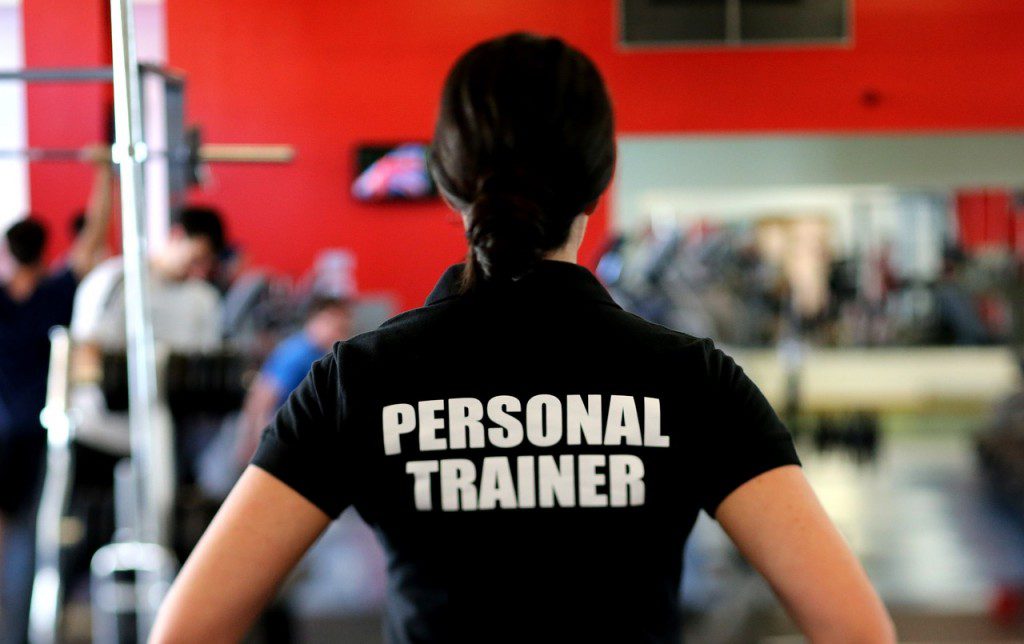
Image Source: restorativestrength.com
Ignite Your Career: How To Be A Good Fitness Trainer
What does it take to be a good fitness trainer? A good fitness trainer helps people reach their health and fitness goals safely and effectively. They guide clients, teach them how to move, and keep them motivated. This job is more than just counting reps. It needs real knowledge, good people skills, and a true desire to help others change their lives for the better. Becoming a good trainer takes time and hard work, but it is very rewarding.
Laying the Groundwork: Get Certified
To start your journey, you need a strong base. This means getting a Personal trainer certification. Think of this as your official pass. It shows you have learned the basics of fitness. Getting certified is not just a good idea. It is often a must-do to work in gyms or get insurance.
H4. Why Certification Matters
A good certification proves you know how to train people safely. It covers important topics. These include how the body works, how to plan workouts, and how to prevent injuries. It makes clients trust you more. They know you have met a certain standard of knowledge.
H4. Choosing the Right Certification
Many places offer certifications. Some are known better than others. Look for ones that are accredited. This means they meet high standards. Some popular choices include ACE, NASM, ACSM, and NSCA. Each might have a slightly different focus.
H5. What to Look for in a Program
- Accreditation: Check if it is accredited by groups like NCCA.
- Study Materials: Do they give you books, online tools, or videos?
- Exam Format: How do you take the test? Is it online or in person?
- Cost: What does it cost for the course and the test?
- Support: Do they offer help if you have questions while studying?
- Reputation: What do other trainers say about the program?
H5. The Certification Process
Most times, you will study the materials they give you. Then you sign up for a test. Passing the test earns you the certification. It takes effort and focus to study. But it is the first key step to becoming a good trainer.
Building Core Knowledge: Grasping Exercise Science
A great trainer knows why certain exercises work. This means Grasping exercise science. You need to understand how muscles move, how the heart and lungs work during exercise, and how the body uses energy. This knowledge helps you create the best plans for each person.
H4. Basic Human Movement
You need to know the main body parts and how they move. This is anatomy and biomechanics.
* Muscles: Where are they? What do they do?
* Bones and Joints: How do they work together?
* Movement Patterns: How do we walk, lift, push, pull, squat?
H4. How the Body Works During Exercise
This is physiology.
* Energy Systems: How does the body make energy for different types of exercise (quick sprints vs. long runs)?
* Heart and Lungs: What happens to them when we work out?
* Adaptation: How does the body get stronger or fitter over time because of exercise?
Knowing these things helps you pick the right exercises. It helps you know how hard to push someone. It also helps you explain things clearly to your clients. When you can explain the why, clients understand better and are more likely to stick with the plan.
Starting with Each Client: Client Assessment Protocols
You cannot train someone well without knowing about them first. This is where client assessment protocols come in. You need a step-by-step way to learn about a client’s health, fitness level, and goals.
H4. The First Chat
This is usually a meeting or phone call. You ask questions about their:
* Health history (injuries, illnesses, past surgeries)
* Exercise history (what they do now, what they did before, what they like)
* Lifestyle (job, family, stress levels, sleep habits)
* Goals (lose weight, build muscle, run a race, feel better)
H4. Health Check Forms
Clients must fill out forms about their health. The PAR-Q+ is a common one. It asks questions to see if they need to see a doctor before starting exercise. You must take these forms seriously. Client safety is the top priority.
H4. Fitness Tests
After the health forms, you might do some simple tests. These tests help you see their current fitness level. They also give you a starting point to measure progress later.
* Cardio Tests: How well their heart and lungs work (e.g., walking test, step test).
* Strength Tests: How strong they are (e.g., push-ups, planks, simple lifts).
* Flexibility Tests: How much they can move their joints (e.g., sit-and-reach).
* Body Measures: Weight, body fat, measurements (optional, depends on client goals).
H4. Movement Screening
This is watching how a client moves. Can they squat correctly? Do they have pain when they move? Can they balance on one leg? A movement screen helps find weak spots or places that might get hurt if they do certain exercises. The Functional Movement Screen (FMS) is one way to do this.
Using good assessment protocols helps you:
* Know if exercise is safe for them.
* Understand their starting point.
* Find exercises that are right for them.
* Track their progress over time.
Crafting the Journey Map: Exercise Program Design
Once you know about the client, you build their plan. This is exercise program design. A good program is like a map. It shows the client how to get from where they are to their goals. It must be safe, effective, and right for that person.
H4. Setting Clear Goals
Work with the client to set SMART goals.
* Specific: What exactly do they want to do?
* Measurable: How will you know they did it?
* Achievable: Is this goal possible?
* Relevant: Does it matter to them?
* Time-bound: When do they want to reach it by?
H4. Choosing Exercises Wisely
Based on their assessment and goals, pick the right moves.
* Include exercises for all main muscle groups.
* Use exercises that match their ability level.
* Mix different types of exercise (strength, cardio, flexibility).
* Think about what equipment they have (gym, home, no equipment).
H4. Planning Sets, Reps, and Rest
- Sets: How many rounds of an exercise?
- Reps: How many times they do the move in one round?
- Rest: How long they rest between sets?
These numbers change based on the goal (building muscle, losing weight, getting stronger, building endurance). For example, higher reps with lighter weight are often for endurance. Lower reps with heavier weight are often for strength.
H4. Making It Harder Over Time
The body gets used to exercise. To keep making progress, the plan must change. This is called progressive overload. You make the workouts a little harder over time.
* Use more weight.
* Do more reps or sets.
* Do the exercise for longer.
* Rest for less time.
* Do harder versions of the exercises.
H4. Making a Full Plan
A good program is not just a list of exercises. It plans out weeks and months. It includes:
* How many days a week they train.
* Which exercises to do each day.
* Warm-up and cool-down routines.
* Planned rest days.
* When you will test them again to see progress.
Designing a great program needs thought and knowledge. It is not one-size-fits-all. Every client needs a custom plan.
Connecting with People: Client Communication Skills and Building Client Rapport
Being a trainer is also about being a good people person. Strong client communication skills are key. You must talk clearly, listen well, and understand how your clients feel. This helps you build trust and a good working relationship. This trust is called building client rapport.
H4. Talking Clearly
- Give Simple Instructions: Explain exercises clearly. Use easy words. Show them how to do it.
- Explain the ‘Why’: Tell them why an exercise is important or how it helps their goal.
- Be Positive: Use encouraging language. Avoid confusing jargon.
H4. Listening Actively
This is more than just hearing words. It is about really getting what your client is saying.
* Pay attention when they talk.
* Ask questions to make sure you understand.
* Listen to their worries or fears.
* Listen when they say something hurts.
H4. Being Empathetic
Try to see things from their point of view. Maybe they had a bad day at work. Maybe they are tired. Maybe they feel unsure about exercise. Show you care and understand. This builds a strong connection.
H4. Building Trust and Rapport
Trust does not happen overnight. You earn it by:
* Being reliable (show up on time).
* Keeping their information private.
* Showing you care about their success.
* Being honest with them.
* Celebrating their small wins.
When clients trust you and feel connected to you, they are more likely to stick with their plan. They will feel more comfortable sharing their struggles. This helps you help them better. Good communication is the bridge between you and your client.
Helping Clients Stay on Track: Motivational Techniques and Fitness Coaching Tips
Getting started is one thing. Sticking with it is another. Good trainers use motivational techniques to keep clients going. They also use smart fitness coaching tips to help clients build healthy habits beyond the gym.
H4. Keeping Motivation High
Motivation can go up and down. Help clients stay motivated by:
* Celebrating Progress: Point out how far they have come, not just how far they have to go. Small wins matter!
* Setting Short-Term Goals: Reaching small goals often feels good and keeps them moving towards big goals.
* Making it Fun: Find exercises they enjoy. Change things up so workouts do not get boring.
* Helping Them See Value: Remind them why they started. How will reaching their goal make their life better?
* Being Their Cheerleader: Offer constant positive support and encouragement.
H4. Coaching for Lasting Change
Coaching is about more than just the hour you are with them. It is helping them live a healthier life all the time.
* Teach Them: Help them understand the exercises and why they are doing them. Teach them about healthy eating and sleep.
* Problem Solve: Help them find ways to handle things that make it hard to exercise or eat well (like travel, stress, lack of time).
* Build Habits: Help them create routines that stick. Start small and build up.
* Be a Role Model: Live a healthy lifestyle yourself.
* Give Homework: Sometimes give them small tasks to do on their own (like walk more, track food for a day).
Effective motivation and coaching help clients feel stronger not just in their body, but also in their mind. They feel more in control of their health.
Doing the Job Right: Professionalism in Fitness
Being a good trainer means acting like a professional. Professionalism in fitness covers how you act, how you look, and how you run your business. It builds your reputation and shows clients you are serious and reliable.
H4. Be On Time
Always show up on time for sessions. End sessions on time too. This shows respect for your client’s time. If you must be late or cancel, give them as much notice as possible.
H4. Dress the Part
Wear clean, proper fitness clothes. This shows you are ready to work out. It also looks professional. Avoid clothes that are too revealing or dirty.
H4. Keep Learning
Stay updated on fitness news and research. The fitness world changes. Good trainers keep learning.
H4. Set Clear Rules
Have clear rules about payments, cancellations, and scheduling. Share these with your clients early on. This avoids problems later.
H4. Respect Boundaries
Keep your relationship with clients professional. Avoid getting too personal. Do not date clients. Keep talk focused on fitness and goals.
H4. Protect Client Privacy
Clients share personal health info with you. Keep it private. Do not talk about one client with another.
H4. Be Honest and Ethical
Never promise results you cannot guarantee. Do not push supplements they do not need. Always put the client’s safety and well-being first. If you do not know the answer to something, say so and offer to find out.
H4. Maintain Your Space
If you train in a gym or studio, keep the area tidy. Put equipment away. Treat the space and staff with respect.
Acting professionally makes clients feel safe, respected, and confident in your ability to help them.
Always Getting Better: Continuing Education for Trainers
The fitness world is always learning new things. Great trainers never stop learning. Continuing education for trainers is a must. It helps you stay current, learn new skills, and improve your coaching.
H4. Why Keep Learning?
- Stay Updated: Learn about new exercises, training methods, and research.
- Improve Skills: Get better at assessing clients, designing programs, and motivating people.
- Learn New Areas: Get special training in areas like corrective exercise, nutrition coaching (within your scope), pre/postnatal fitness, or working with older adults.
- Stay Certified: Most certifications require continuing education credits to stay valid.
- Grow Your Career: Learning new skills can help you attract new clients or offer new services.
H4. Ways to Continue Education
- Workshops and Seminars: Attend in-person or online events.
- Online Courses: Many places offer advanced courses on specific topics.
- Read Books and Articles: Stay up-to-date by reading fitness journals and books by experts.
- Attend Conferences: Meet other trainers and learn from leaders in the field.
- Mentorship: Learn from a more experienced trainer.
- Earn New Certifications: Get certified in a new area, like strength coaching or group fitness.
Making time and money for continuing education shows you are dedicated to your job and your clients’ success. It makes you a better trainer.
Bringing It All Together: Keys to Long-Term Success
Becoming a good fitness trainer is an ongoing process. It combines many different skills and knowledge areas.
H4. What Makes a Trainer Stand Out?
- Real Passion: You truly care about helping people.
- Solid Knowledge: You understand exercise science and how to apply it.
- Great People Skills: You communicate well, listen, and build trust.
- Adaptability: You can change plans based on client needs or how they feel that day.
- Patience: Change takes time. Be patient with your clients and with yourself.
- Integrity: You are honest, ethical, and put clients first.
- Resilience: Not every client will succeed perfectly. Learn from setbacks and keep going.
- Business Sense: If you work for yourself, you need to know how to find clients, market yourself, and handle money.
H4. Building Your Reputation
Word-of-mouth is powerful. Happy clients will tell others. Focus on helping your current clients get results and feel good about themselves. Be reliable, professional, and effective. Your reputation will grow.
H4. The Reward
Seeing a client get stronger, move without pain, reach a goal they thought was impossible, or simply feel better about themselves is the greatest reward. You get to be a part of changing someone’s life for the better. This makes all the hard work worth it.
Becoming a good fitness trainer is a journey of learning and growth. It needs a mix of knowing the science, being good with people, and always wanting to improve. It is a fulfilling career for those who love fitness and love helping others.
Frequently Asked Questions (FAQ)
H4. Do I need a degree to be a personal trainer?
No, you do not need a four-year degree. You do need a Personal trainer certification from a known place. Some trainers have degrees in exercise science or related fields, which can be helpful, but it is not usually required to start.
H4. How long does it take to get certified?
It usually takes a few months to study and take the test. Some programs are faster, some take longer. It depends on how much time you can spend studying each week.
H4. Is being a personal trainer a good job?
Yes, it can be a very rewarding job. You help people improve their health and lives. It takes hard work to find clients and make good money, especially when you start. But it offers flexibility and the chance to make a real difference.
H4. How much can a personal trainer earn?
This changes a lot based on where you work (gym, private studio, online), how much experience you have, your location, and how many clients you train. Some trainers make an hourly rate, others a salary, and some run their own business. Earnings can vary widely.
H4. What is the hardest part of being a fitness trainer?
Finding clients can be hard when you are new. Keeping clients motivated over a long time can also be a challenge. You need to be good at both training and connecting with people.
H4. How do I get clients when I start?
- Work at a gym that gives you clients.
- Offer free or low-cost sessions to people you know for practice and feedback.
- Use social media to share tips and show what you do.
- Network with other health pros (like physical therapists).
- Ask happy clients to tell their friends.
H4. What are the most important skills for a trainer?
Strong knowledge of exercise, good client communication skills, the ability to design safe and effective exercise program design, using motivational techniques, and maintaining high professionalism in fitness. Building client rapport is also very important.
Conclusion
Becoming a top-notch fitness trainer is a journey. It starts with getting your Personal trainer certification and building a solid base in Grasping exercise science. You must learn strong client assessment protocols to know your clients well. Then, you use this knowledge for smart exercise program design. But it is not just about the workouts. Your client communication skills and ability to build client rapport are just as vital. You need effective motivational techniques and helpful fitness coaching tips to keep clients on track. Always act with professionalism in fitness. And remember, continuing education for trainers is key to staying great. If you put in the work, stay dedicated to learning, and truly care about helping people, you can ignite a wonderful career as a good, even great, fitness trainer.