
What is the right thickness for gym flooring? The right thickness for gym flooring changes based on how you use your gym. For light exercise, a thin floor works. For heavy weights, you need a much thicker floor. Can I use thin mats for heavy weights? No, thin mats will not protect your floor or gear from heavy drops. Who needs thick gym flooring? Anyone lifting heavy weights or doing dynamic exercises like CrossFit needs thick flooring. This guide will help you pick the best floor for your needs. We will look at options for home gym flooring thickness and commercial gym flooring thickness. We will also cover specific needs like weightlifting flooring thickness.
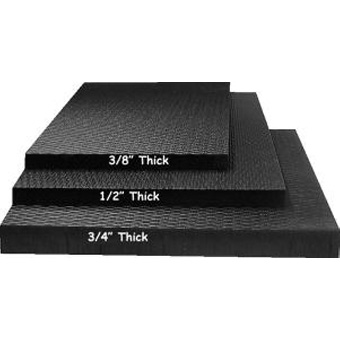
Image Source: www.greatmats.com
Why Gym Floor Thickness Matters A Lot
The floor in your gym is very important. It does more than just cover the ground. Good gym flooring protects many things. It protects your actual floor from damage. Heavy dumbbells dropped can crack concrete. Barbells can dent wood. Proper gym flooring stops this damage. It also protects your equipment. When weights hit a hard floor, they can get damaged. A soft, thick floor saves your weights. It helps them last longer.
Gym flooring also keeps you safe. It helps with gym floor shock absorption. This means it takes the impact of your steps and jumps. It reduces stress on your joints. Imagine running on hard concrete. Now, think about running on a soft track. The track is much better for your body. Gym flooring acts like that track for your gym. It protects your knees, hips, and spine. It also helps stop slips and falls. A good surface gives you better grip. This is true whether you are lifting, jumping, or moving fast.
Finally, proper flooring cuts down on noise. Dropping weights makes a very loud bang. Thick flooring lessens this sound. This is good for home gyms. It helps keep peace with neighbors or people in other rooms. It is also good for commercial gyms. It makes a better, quieter space for everyone working out. Less noise means a more pleasant gym for all.
Key Things That Change Floor Needs
Many things help you pick how thick your gym floor should be. Let’s look at them simply.
The Type of Exercise You Do
Different workouts need different floors.
* Cardio and Light Exercise:
* What it means: You do activities like running, cycling, yoga, or basic bodyweight moves. You do not drop heavy weights.
* Floor need: You do not need very thick flooring. A thin mat gives enough comfort. It helps with grip and light protection.
* Weightlifting (Medium):
* What it means: You lift dumbbells up to 50 pounds. You use weight machines. You set weights down carefully.
* Floor need: You need more protection. This protects your floor and the weights. It stops scratches and small dents.
* Heavy Weightlifting:
* What it means: You do powerlifting, Olympic lifts, or drop very heavy weights often. Think deadlifts or snatches.
* Floor need: Thickness is very important here. This is where weightlifting flooring thickness is key. You need the most protection possible. This saves your floor from cracks. It saves your gear from breaking.
* High-Impact Workouts:
* What it means: Activities like CrossFit, plyometrics (jumping), or intense boot camps. These have lots of jumping and hard landings.
* Floor need: You need very good gym floor shock absorption. This protects your joints from repeated impacts. It also protects the floor from the force of jumps.
The Equipment You Use
The kind of gear you have also matters a lot.
* Light Cardio Machines:
* Example: Treadmills, ellipticals, stationary bikes.
* Floor need: These do not need very thick flooring. A thin mat stops scratches. It also helps stop machines from sliding.
* Weight Machines:
* Example: Leg press, chest press machines.
* Floor need: These machines spread weight evenly. A medium thickness often works well. It stops scuffs.
* Free Weights:
* Example: Dumbbells, barbells, kettlebells.
* Floor need: These can cause serious damage. The heavier they are, the thicker your floor needs to be. This is where dumbbell drop protection flooring comes in. If you drop heavy weights, the floor must absorb the shock.
* Racks and Platforms:
* Example: Power racks, squat racks, deadlift platforms.
* Floor need: These hold very heavy weights. They need a stable, strong base. The flooring under them must be very firm and thick. It stops the rack from moving. It also protects the floor below.
Your Budget
How much money you want to spend is always a factor. Thicker flooring usually costs more for each square foot.
* Thin mats: These are the cheapest option. They are good for small budgets.
* Medium thickness rolls or tiles: These are a middle ground. They cost more than thin mats but less than very thick ones. They offer a good balance.
* Very thick mats or special platforms: These are the most expensive. But they offer the best protection. They save you money in the long run. A cheap, thin floor might mean very costly repairs later. Think of it as an investment.
Your Gym Space
The size and type of your gym space also play a role.
* Home Gym:
* Space type: Usually smaller. Maybe in a spare room or basement.
* Consideration: You might only need certain areas to be thick. For example, just where you lift weights. You can mix and match thicknesses. This helps save money. This is for home gym flooring thickness.
* Garage Gym:
* Space type: Often has a concrete floor. This floor is hard and can crack easily.
* Consideration: The concrete floor needs very good protection. Garage gym floor thickness is vital. You need robust flooring to save your concrete.
* Commercial Gym:
* Space type: These are large spaces. Many people use them every day.
* Consideration: They need very tough, long-lasting flooring. It must stand up to constant, heavy use. Commercial gym flooring thickness is key for daily heavy traffic.
Specific Thickness Needs for Different Gyms
Let’s get into the exact details of what thickness works for different places and uses.
Deciphering Home Gym Flooring Thickness
Building a gym at home is very popular. Picking the right floor makes a huge difference.
-
Light Use (Cardio, Yoga, Bodyweight):
- Thickness: 4mm to 6mm (about 1/8 to 1/4 inch).
- Material: Foam mats, thin rubber rolls, or puzzle tiles.
- Why this works: These are soft enough for comfort. They protect your home floor from light wear and tear. They are good for light workouts. They do not offer much protection if you drop weights.
- Perfect for: Yoga, stretching, light cardio machines, bodyweight exercises.
- Not ideal for: Dropping dumbbells or heavy weights.
-
Medium Use (Light Free Weights, Machines):
- Thickness: 8mm to 12mm (about 5/16 to 1/2 inch).
- Material: Rubber rolls or interlocking rubber tiles.
- Why this works: This thickness offers good general protection. It can handle light to medium dumbbells (up to about 50 pounds). It protects your floor from machine legs. It also helps with small, careful drops. This is a common home gym flooring thickness for many people. It balances cost and protection well.
- Perfect for: Dumbbells up to 50 lbs (carefully placed), weight benches, multi-gym machines.
- Not ideal for: Dropping heavy barbells or very heavy dumbbells often.
-
Heavy Use (Heavy Free Weights, Powerlifting, Olympic Lifts):
- Thickness: 19mm to 30mm (about 3/4 to 1.25 inches) or even more.
- Material: Thick rubber mats or specialized lifting platforms. These are usually high-density.
- Why this works: This is vital for weightlifting flooring thickness. It gives maximum protection for heavy drops. It takes the shock very well. This saves your floor from big cracks. It saves your weights from breaking. This is also important for dumbbell drop protection flooring. It helps prevent loud noise too, which is a big plus in a home.
- Perfect for: Deadlifts, squats, Olympic lifts, power cleans, heavy dumbbell work.
- Garage gym floor thickness often falls into this range. Concrete floors in garages really need this robust protection from heavy impacts.
Grasping Commercial Gym Flooring Thickness
Commercial gyms see a lot of people using them all day. They need very tough flooring that lasts a long time.
-
General Areas (Cardio, Machines, Open Space):
- Thickness: 8mm to 12mm (about 5/16 to 1/2 inch).
- Material: High-density rubber rolls or tiles.
- Why this works: This is a good starting point for general use. It handles lots of foot traffic very well. It protects floors from machines. It provides some basic shock absorption for general movement. It is durable for many people using it every single day. This is the common commercial gym flooring thickness for most areas.
- Perfect for: Cardio machine zones, stretching areas, pathways, light machine circuits.
- Not ideal for: Areas where heavy weights are often dropped.
-
Free Weight Zones (Heavy Lifting Areas):
- Thickness: 19mm to 30mm (about 3/4 to 1.25 inches).
- Material: Very thick, high-density rubber tiles or mats. These are usually heavier duty sections.
- Why this works: These areas need top-tier protection. Weights are dropped often here, sometimes from overhead. This thickness stops major damage to the building floor. It also greatly reduces the loud noise for other gym users. It provides excellent dumbbell drop protection flooring. This is a must for safety and preventing damage.
- Perfect for: Dumbbell racks, barbell areas, powerlifting zones, bench press stations.
-
Specialty Areas (CrossFit, Powerlifting Platforms):
- Thickness: 30mm to 50mm (about 1.25 to 2 inches) or even more.
- Material: Layered rubber, very thick mats, or built-in wooden platforms topped with rubber.
- Why this works: These activities involve extremely heavy drops and dynamic movements. Think Olympic lifts. The floor needs extreme gym floor shock absorption. This kind of setup also handles CrossFit gym flooring requirements very well. It protects the building structure from massive forces. It is the best for very high impact.
- Perfect for: Dedicated Olympic lifting platforms, strongman areas, high-volume deadlift zones, WOD areas in CrossFit boxes.
Focusing on Rubber Gym Mat Thickness
Rubber is the most common material for gym floors. It comes in many forms and thicknesses. Knowing the right rubber gym mat thickness for your needs is key.
-
Thin Rubber Mats (4mm – 6mm):
- Use: Under light cardio machines, for yoga, or floor exercises.
- Pros: Cheap, easy to move, offers good grip for standing.
- Cons: Gives very little protection from dropped weights. It can wear out faster with any heavy use.
-
Medium Rubber Tiles/Rolls (8mm – 12mm):
- Use: General home gyms, light commercial use, under weight machines.
- Pros: Good balance of cost and protection. Durable for general, everyday use.
- Cons: Not thick enough for frequent heavy drops or very serious weightlifting.
-
Thick Rubber Mats/Tiles (19mm – 30mm):
- Use: This is the ideal weightlifting flooring thickness. Perfect for powerlifting, deadlift zones, and common garage gym floor thickness.
- Pros: Excellent dumbbell drop protection flooring. Provides very high shock absorption. Greatly reduces noise. Very durable and long-lasting for heavy use.
- Cons: More expensive to buy and often heavier, making installation a bit harder.
-
Very Thick Rubber Pads/Platforms (30mm+):
- Use: Professional CrossFit gym flooring requirements. Dedicated Olympic lifting platforms. Areas with very high impact.
- Pros: Offers maximum protection to the floor and equipment. Provides extreme shock absorption. It lasts the longest under the toughest conditions.
- Cons: Most expensive option. Very heavy and may need specialized installation.
Table: Common Rubber Gym Flooring Thicknesses and Uses
| Thickness Range | Common Uses | Protection Level | Shock Absorption | Noise Reduction |
|---|---|---|---|---|
| 4mm – 6mm (1/8 – 1/4 in) | Yoga, Light Cardio, Bodyweight, Floor Exercises | Low | Low | Low |
| 8mm – 12mm (5/16 – 1/2 in) | General Home Gym, Cardio Machines, Light Free Weights, General Commercial | Medium | Medium | Medium |
| 19mm – 25mm (3/4 – 1 in) | Heavy Free Weights, Powerlifting, Garage Gyms, Commercial Free Weight Zones | High | High | High |
| 25mm – 30mm (1 – 1.25 in) | Serious Weightlifting, Dumbbell Drop Protection, Heavy Commercial Free Weight Zones | Very High | Very High | Very High |
| 30mm+ (1.25+ in) | CrossFit, Olympic Lifting Platforms, Strongman Gyms, High-Impact Commercial Zones | Extreme | Extreme | Extreme |
Key Qualities: Shock Absorption and Density
Beyond just thickness, two other things are very important for gym flooring. These are gym floor shock absorption and recommended gym mat density.
Fathoming Gym Floor Shock Absorption
Shock absorption is how well the floor takes an impact. When you drop a weight, the floor soaks up the energy from that impact. This stops the energy from going into your actual building floor. It also stops it from bouncing back into the weight or your body.
* Why it matters:
* Protects floors: It stops cracks and dents in concrete or wood floors.
* Protects equipment: It lessens damage to barbells, dumbbells, and kettlebells. They last longer.
* Protects you: It greatly reduces stress on your joints during jumps, landings, or heavy lifts. This means fewer aches and pains.
* Reduces noise: It makes the loud sound of dropped weights much quieter. This is good for everyone.
Thicker rubber floors usually have better shock absorption. But the type and quality of rubber also play a big role. Some rubber compounds are better at absorbing energy than others.
Interpreting Recommended Gym Mat Density
Density refers to how tightly packed the rubber material is. Think of it like a sponge. A denser sponge is harder and has less air.
* High Density: This means the rubber is very compact and solid.
* Pros: Very durable. It resists dents and marks from heavy use. It gives a very stable and firm base for lifting. This is good for balance and safety. High-density rubber often lasts much longer. It holds its shape well.
* Cons: If it is not thick enough, it might feel too hard. It can offer less cushion than lower-density options.
* Low Density: This means the rubber is less compact. It has more air or gaps.
* Pros: It feels softer and can offer more cushion. This is good for activities like yoga or light stretching.
* Cons: It is more likely to dent, tear, or show wear. It is not as stable for heavy lifts, as your feet might sink slightly. It wears out faster with heavy use.
For weightlifting flooring thickness and dumbbell drop protection flooring, you often want high-density rubber. It stands up to heavy, repeated use. It provides a firm, safe surface for serious lifting. Yet, it must still be thick enough to absorb shock effectively. A common smart setup is a high-density top layer with a softer, shock-absorbing bottom layer. This is for very thick, specialized platforms. It gives both firmness and cushion.
CrossFit Gym Flooring Requirements
CrossFit workouts are very dynamic and intense. They involve many types of movement in one session. This includes Olympic lifting, plyometrics (box jumps, burpees), gymnastics, and bodyweight exercises.
* High Impact: There is a lot of dropping heavy weights. There is also much jumping and quick, explosive movements.
* Need for Durability: The floor must withstand constant, intense, and varied use every day. It needs to be extremely tough.
* Safety: It needs to protect athletes’ joints from hard landings. It also needs to prevent slips during fast movements. A good grip is vital.
For CrossFit, the CrossFit gym flooring requirements mean very thick and very dense rubber.
* Minimum: 19mm (3/4 inch) high-density rubber tiles. This is the bare minimum for general CrossFit.
* Recommended: 25mm (1 inch) to 30mm (1.25 inches) high-density rubber. This offers much better protection and durability for most CrossFit boxes.
* Ideal for dedicated lifting zones: 40mm (1.5 inches) or even 50mm (2 inches) in specific areas. These are often used for Olympic lifting platforms inside a CrossFit gym. This extreme thickness handles the biggest drops.
This ensures excellent gym floor shock absorption and long-term durability. It also makes the space safer and quieter for intense training.
Athletic Facility Flooring Standards
Large athletic facilities, like school gyms or university sports centers, often follow specific rules. These rules help make sure the flooring is safe and lasts a long time. While there is no single “standard” thickness for all athletic areas, many guidelines exist. These guidelines cover important points:
* Subfloor protection: How much force the floor can handle before the concrete or wood below gets damaged.
* Sound control: How well the floor stops noise from spreading to other parts of the building.
* Slip resistance: Making sure the surface is not slippery, even when wet from sweat. This prevents falls.
* Accessibility: Making sure the floor works well for everyone, including those with disabilities.
* Hygiene: How easy the floor is to clean and keep free of germs.
For large athletic facility flooring standards, the thickness will vary widely. It depends on the main sport or activity. A basketball court needs very different flooring from a weight room. But for weight rooms in such large places, the needs are much like commercial gym free weight zones. This means thick, high-density rubber is key for dumbbell drop protection flooring and general safety. They invest in the best to protect their space and athletes.
General Tips for Choosing Your Gym Floor
Picking the right gym floor can seem big. Here are simple tips to help you choose.
* Know your heaviest lift: Think about the heaviest weight you will ever drop. Pick a floor that can safely handle that maximum weight. Do not guess.
* Measure your space: Know exactly how much flooring you need. Measure length and width carefully. Buy a little extra for mistakes.
* Consider noise: If noise is a big issue for you or neighbors, always go thicker. Thicker floors absorb more sound.
* Look at installation: Some floors are easier to put down than others. Interlocking tiles are often simpler for DIY than large, heavy rolls.
* Think about cleaning: Smooth surfaces are generally easier to clean than very textured ones. Textured surfaces can trap dirt.
* Check for smell: Some rubber has a strong, temporary smell when new. Look for low-odor options if this is a concern for you. Air out your gym well after installation.
Installation Matters Too
Even if you pick the right thickness, the floor can fail if put down poorly. Good installation is as important as the right choice.
* Clean and flat subfloor: The floor beneath your gym flooring must be very clean, completely dry, and perfectly flat. Any bumps or dirt can cause problems later.
* Edge-to-edge fitting: Mats or tiles should fit together very snugly. There should be no gaps. Gaps can be trip hazards. They also let dirt get underneath.
* Adhesive (optional): For commercial gyms or very heavy use, gluing down the floor is a very wise choice. It stops movement and wear. For home gyms, interlocking tiles or heavy mats usually stay in place fine without glue. This is because they are heavy enough on their own.
The Benefits of Getting Thickness Right
Choosing the right thickness gives you many good things. It is worth the effort and investment.
* Safety: You have less risk of injury from slips or falls. Your joints get better protection from impacts.
* Protection: Your subfloor stays safe from cracks and dents. Your valuable gym equipment lasts much longer.
* Durability: Your gym floor itself lasts many years. It stands up to tough, repeated use without wearing out fast.
* Comfort: A good floor makes workouts more pleasant. It is easier on your body, and you feel more stable.
* Noise Reduction: You get a much quieter workout space. This is good for you and anyone else nearby.
* Value: It saves you money in the long run. It prevents costly damage to your building and gear. It also means you need fewer repairs or replacements for your flooring.
What Happens if You Pick the Wrong Thickness?
Picking the wrong thickness can lead to a lot of problems. These problems can be costly and unsafe.
* If your flooring is too thin:
* Your subfloor can get damaged. This means cracks, dents, or scratches. This can be expensive to fix.
* Your equipment can get damaged. Barbells can bend. Dumbbells can crack. This means buying new gear.
* You will have much more noise from dropped weights. This can annoy others.
* You get less joint protection. Your body will take more impact, leading to pain or injury.
* The flooring itself will wear out very fast. You will need to replace it sooner.
* If your flooring is too thick (for light use):
* You will pay a higher cost than you need to. You will spend money you do not have to.
* It will be harder and heavier to install.
* It might feel too soft or bouncy for some exercises. This can make balance harder for some movements.
Conclusion
Picking the right gym flooring thickness is a very key step in building your gym. It is not just about how it looks. It is about your safety. It is about protecting your valuable gear. And it is about making your workout space last for many years. Think carefully about what types of exercises you will do in your gym. Think about the heaviest weights you will lift. Then choose the thickness that fits best for those needs. Whether it is for your home gym flooring thickness or a large commercial gym flooring thickness, a smart choice saves you money and trouble later. It also makes your workouts better and safer. Invest wisely in your gym floor. It is an important part of your fitness journey and your health.
Frequently Asked Questions (FAQ)
Q: Can I put rubber gym flooring over carpet?
A: It is not a good idea. Carpet is soft and uneven. This makes your gym floor unstable. Mats can shift and move. This is a safety risk. You should remove the carpet first. Always put your gym floor on a hard, flat surface.
Q: Does thickness affect grip or slipperiness?
A: Thickness itself does not directly change grip. The surface texture of the rubber does. But thicker, heavier mats are less likely to slide around. This makes the whole surface more stable and safe for you.
Q: How do I clean rubber gym flooring?
A: Use a damp mop with mild soap and water. Do not use harsh chemicals. These can damage the rubber over time. Let it air dry completely. Regular cleaning keeps your floor looking good. It also helps prevent bad smells.
Q: Is there a difference between rubber rolls and tiles?
A: Yes, there is. Rolls cover large areas with fewer seams. This makes for a smooth look. Tiles are smaller and often easier to install yourself. They are also easier to replace if one piece gets damaged. Both come in various rubber gym mat thickness options.
Q: How long does gym flooring last?
A: Good quality, high-density rubber flooring can last 10 to 20 years or even longer. This depends on the thickness, the quality of the rubber, and how heavily it is used. Thinner, lower-density options will wear out faster. They will need replacing sooner.
Q: Can I use outdoor gym flooring indoors?
A: You can, but be careful. Some outdoor rubber flooring is made to handle weather. It might have a very strong smell that lasts. Make sure it is safe for indoor air quality before you use it inside. Always check product details.
Q: Is 6mm (1/4 inch) rubber flooring enough for a home gym?
A: For light workouts like yoga, bodyweight exercises, or light cardio, yes, it can be enough. But if you plan to use even medium weights (e.g., 25-50lb dumbbells), it’s often not enough protection. For any serious weightlifting, you need at least 19mm (3/4 inch). This ensures real dumbbell drop protection flooring and safety.
Q: What is the best thickness for a garage gym?
A: For a garage gym, if you do bodyweight or light cardio, 8mm (5/16 inch) might be okay. But for weights, especially if you drop them, aim for 19mm (3/4 inch) to 30mm (1.25 inches). This range provides solid garage gym floor thickness. It protects the concrete underneath from heavy impacts. This is very important for garages.