
You can typically resume light exercise and low-impact activities about 1 to 2 weeks after cataract surgery, but you’ll need to wait 4 to 6 weeks for more strenuous activities, including heavy lifting and contact sports.
Cataract surgery is a common and highly successful procedure that can significantly improve your vision. After your eyes have healed, you’ll likely be eager to return to your normal routine, including your exercise regimen. However, it’s crucial to approach your return to physical activity with caution to ensure optimal healing and prevent complications. This guide will provide comprehensive post-cataract surgery exercise guidelines to help you safely get back to your fitness goals.
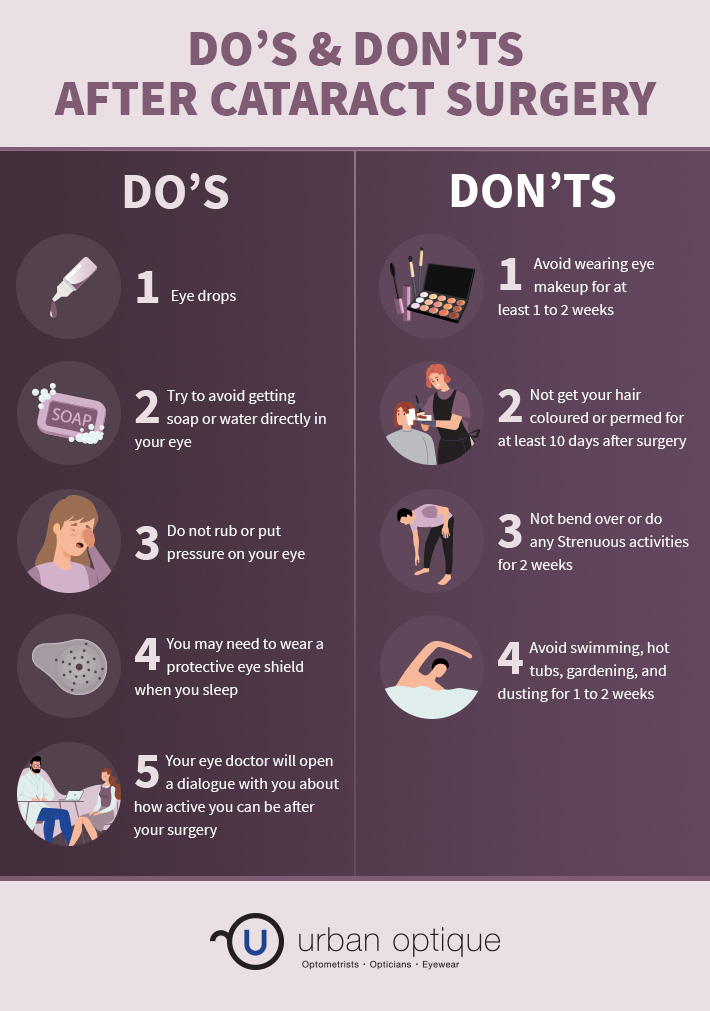
Image Source: urbanoptique.ca
The Healing Process: What Your Eyes Need
After cataract surgery, your eyes are undergoing a delicate healing process. The surgeon removes the cloudy lens and replaces it with a clear artificial intraocular lens (IOL). During this time, it’s vital to protect your eyes from anything that could cause strain, infection, or pressure.
Key factors influencing your return to exercise include:
- Type of surgery: Phacoemulsification (using ultrasound to break up the cataract) is the most common method and generally allows for a quicker return to activity than older techniques.
- Individual healing rate: Everyone heals differently. Some people recover faster than others.
- Presence of complications: If any minor or major complications arise during or after surgery, your recovery timeline may be extended.
- Type of exercise: Gentle activities pose less risk than vigorous or contact-based sports.
When to resume physical activity after cataracts is a question best answered by your ophthalmologist, as they have specific knowledge of your individual case.
Initial Recovery: The First Few Days
Immediately following cataract surgery, your vision may be blurry or hazy, and your eyes might feel sensitive. Your doctor will provide specific instructions on eye care, including using prescribed eye drops and wearing a protective shield, especially at night.
Immediate Post-Operative Restrictions
- Avoid bending over: This includes stooping to tie shoelaces or picking things up from the floor. Bending can increase pressure within the eye.
- No heavy lifting: This is a critical restriction. Lifting anything heavy can also increase intraocular pressure.
- Limit strenuous activity: Avoid anything that makes you feel out of breath or puts significant strain on your body.
- No rubbing or pressing your eye: This can dislodge the new IOL or introduce infection.
- Protect your eye from water: Avoid swimming, hot tubs, and even spraying water directly into your face in the shower. This is to prevent infection.
- Avoid dusty or smoky environments: These can irritate your eyes.
Gradual Reintroduction of Movement
The exercise restrictions following cataract surgery are designed to protect your healing eye. Your ophthalmologist will schedule follow-up appointments to monitor your progress. It’s during these appointments that they will give you the green light to gradually increase your activity levels.
The First Week Post-Surgery
During the first week, the focus is on rest and allowing the initial healing to occur. You might feel capable of light movement, but it’s important to be conservative.
- Gentle walking: Short, slow walks around your home or in a controlled environment (like a clean hallway) are usually permissible. This helps with circulation and overall well-being.
- Stretching: Gentle, static stretching can be beneficial for maintaining flexibility, as long as you avoid bending over.
- Avoid any activities that increase intraocular pressure.
Resuming Light Exercise After Cataract Surgery
Around 1 to 2 weeks post-surgery, most patients are cleared to resume light exercise after cataract surgery. This is a significant milestone, but it’s still important to listen to your body and your doctor’s advice.
Examples of suitable light exercises include:
- Walking: You can gradually increase the duration and pace of your walks.
- Stationary cycling: This is a great low-impact option, provided you maintain an upright posture and avoid leaning too far forward.
- Light treadmill work: Again, focus on a comfortable pace and incline.
- Yoga or Tai Chi (modified): Choose gentle forms and avoid any poses that involve inversions, significant bending forward, or strenuous exertion. It’s best to inform your instructor about your recent surgery.
When exercising with new intraocular lens, the primary concern is avoiding jarring movements or sudden increases in blood pressure that could affect the surgical site.
Waiting for More Strenuous Activities
The 4 to 6-week mark is typically when you can expect to return to more moderate and vigorous activities. This timeframe allows the internal tissues of your eye to fully heal and stabilize.
When Can I Lift Weights After Cataract Surgery?
You should wait at least 4 to 6 weeks before lifting weights after cataract surgery. Even then, it’s important to start gradually.
- Initial weight lifting: Begin with very light weights and focus on proper form. Avoid straining or holding your breath (Valsalva maneuver), which can significantly increase intraocular pressure.
- Progression: Slowly increase the weight and intensity over subsequent weeks, always checking in with your body and your ophthalmologist if you have any concerns.
- Avoid overhead lifting: For a period, even after you start lifting, it might be wise to avoid exercises that involve lifting heavy weights directly overhead.
Resuming Sports After Cataract Surgery
The return to sports depends heavily on the nature of the sport.
- Low-impact sports: Activities like golf, bowling, or doubles tennis (played at a moderate level) might be permissible around the 4-week mark, provided there’s no risk of sudden impact or strenuous exertion.
- Moderate-impact sports: Singles tennis, cycling outdoors, or swimming can usually be resumed around 6 weeks post-surgery, once your eye has fully healed and any restrictions on getting water in the eye have been lifted.
- High-impact or contact sports: Sports like basketball, football, boxing, rugby, or activities with a high risk of head impact or eye injury should be approached with extreme caution. Your ophthalmologist may advise you to wait longer or recommend protective eyewear. It’s crucial to have a thorough discussion with your doctor before engaging in these activities.
Safe Return to Exercise After Cataract Removal
The overarching goal is a safe return to exercise after cataract removal. This involves a phased approach and constant communication with your healthcare provider.
Here’s a breakdown of a typical phased return:
Phase 1: Immediate Post-Op (First Week)
- Activity: Rest, short gentle walks, very light stretching (no bending).
- Focus: Protecting the eye, managing discomfort, following doctor’s orders.
Phase 2: Light Activity Resumption (Weeks 1-2)
- Activity: Increased walking, stationary cycling, gentle yoga/Tai Chi.
- Focus: Gradually reintroducing movement, avoiding strain.
Phase 3: Moderate Activity (Weeks 4-6)
- Activity: Light jogging, swimming (after surgeon’s clearance), moderate cycling, light weightlifting (starting with low weights, proper form).
- Focus: Building endurance and strength gradually, avoiding heavy lifting and straining.
Phase 4: Full Activity (6 Weeks Onward)
- Activity: Return to most pre-surgery activities, including heavier weightlifting, more intense sports, and strenuous exercise.
- Focus: Continued monitoring, listening to your body, using protective eyewear if recommended.
Eye Surgery Exercise Recommendations
Your ophthalmologist’s eye surgery exercise recommendations will be tailored to your specific healing process. Always adhere to their advice.
General recommendations often include:
- Listen to your body: If you experience any pain, discomfort, blurred vision, or a feeling of pressure, stop the activity immediately and contact your doctor.
- Stay hydrated: Drinking plenty of water is essential for overall recovery.
- Wear sunglasses: Protect your eyes from bright light and UV rays, especially when outdoors.
- Avoid environments with dust or debris: This can irritate your eyes and increase the risk of infection.
- Consider protective eyewear: For certain sports or activities, your doctor might recommend protective glasses or goggles to shield your eyes.
Exercising with New Intraocular Lens
When exercising with new intraocular lens, it’s important to remember that the lens itself is securely positioned. However, the tissues around it are still settling. Sudden impacts or extreme pressure changes can theoretically affect this. For this reason, doctors advise caution with activities that involve jarring motions or significant pressure fluctuations.
Factors to Consider for a Safe Return
Hydration and Nutrition
Adequate hydration and a balanced diet play a crucial role in the body’s healing process, including eye healing. Ensure you are drinking enough water and consuming nutrient-rich foods.
Sleep and Rest
Adequate sleep is vital for tissue repair and overall recovery. Prioritize getting enough rest, especially in the initial weeks after surgery.
Monitoring for Complications
While rare, complications can occur. Be aware of the signs of infection or other issues, which might include:
- Increasing eye pain
- Decreasing vision
- Redness or swelling around the eye
- Discharge from the eye
- New floaters or flashes of light
If you notice any of these symptoms, contact your ophthalmologist immediately.
Specific Exercise Considerations
Walking and Cardio
Walking is typically one of the first exercises you can resume. Start with short, slow walks and gradually increase the duration and intensity as you feel comfortable. Activities like stationary cycling or the elliptical machine are also good options, as they minimize jarring.
Strength Training
When can I lift weights after cataract surgery? As mentioned, typically 4 to 6 weeks. When you do resume, start light. Focus on controlled movements. Avoid exercises that require you to strain or hold your breath, as this can raise your intraocular pressure. Examples of exercises to approach with caution or delay initially include:
- Heavy squats
- Deadlifts
- Bench presses with heavy weights
- Any exercise where you feel significant strain
Yoga and Pilates
Gentle forms of yoga and Pilates can be beneficial for flexibility and core strength. However, it’s crucial to avoid any poses that involve:
- Headstands or inversions
- Deep forward bends
- Holding your breath for extended periods
Always inform your instructor about your recent surgery.
Swimming and Water Activities
Due to the risk of infection from water and chemicals, swimming and using hot tubs are usually discouraged until your ophthalmologist gives you the go-ahead, typically after the initial healing period, around 4 to 6 weeks. Once cleared, wear goggles to protect your eyes.
Contact Sports and High-Impact Activities
Resuming contact sports like basketball, football, or martial arts requires careful consideration and often a longer waiting period. The risk of direct eye trauma is significant. Your doctor will provide specific guidance, and protective eyewear may be mandatory if you choose to return to these activities.
Navigating Your Post-Operative Activity Level
Your post-operative activity level after cataract surgery should be a gradual progression. Don’t be tempted to rush back into your previous routine. Patience and adherence to your doctor’s advice are your best allies.
Here’s a way to visualize the progression:
| Timeframe Post-Surgery | Permitted Activities | Restrictions |
|---|---|---|
| First 24-48 Hours | Rest, short gentle walks (indoors) | No bending, no lifting, no eye rubbing, no strenuous activity, no water in eye |
| Week 1 | Extended walking, light stretching (no bending) | Continue avoiding bending, lifting, eye rubbing, and strenuous activity |
| Weeks 1-2 | Stationary cycling, light treadmill, gentle yoga/Pilates | Avoid any activity that causes eye strain or pressure |
| Weeks 4-6 | Moderate cardio, swimming (with goggles, if cleared), light weightlifting, golf | Avoid heavy lifting, contact sports, jarring movements |
| 6+ Weeks | Most activities, including heavier lifting and sports | Listen to your body, consult doctor for high-risk activities, use protective eyewear |
Frequently Asked Questions (FAQ)
Q1: When can I return to strenuous exercise after cataract surgery?
You can typically resume strenuous exercise, including jogging and more intense workouts, around 4 to 6 weeks after cataract surgery, provided your recovery is progressing well and your doctor approves.
Q2: Is it safe to swim after cataract surgery?
You should avoid swimming, hot tubs, and getting water directly in your eye for at least the first 1 to 2 weeks. Your ophthalmologist will advise when it’s safe to return, usually around the 4 to 6-week mark, and may recommend goggles.
Q3: Can I play tennis after cataract surgery?
Gentle singles or doubles tennis might be permissible around 4 to 6 weeks after surgery, depending on your recovery. High-impact or very aggressive play should be approached with caution and after consulting your doctor.
Q4: What if I feel eye strain during exercise?
If you experience any eye strain, discomfort, or changes in your vision during or after exercise, stop immediately and contact your ophthalmologist. This could be a sign that you are overexerting yourself or that there’s an issue.
Q5: Do I need to wear protective eyewear for exercise after surgery?
Your ophthalmologist may recommend protective eyewear, especially for sports or activities where there’s a risk of impact or foreign bodies entering the eye. This is a good practice even after your eyes have fully healed.
Q6: When can I resume my normal workout routine?
Most people can resume their normal workout routines around 6 weeks post-surgery, but this timeline is individual. Always follow your ophthalmologist’s specific guidance.
Q7: What are the risks of exercising too soon after cataract surgery?
Exercising too soon can increase the risk of infection, inflammation, bleeding within the eye, or displacement of the intraocular lens, potentially affecting your vision and requiring further treatment.
By following these guidelines and maintaining open communication with your ophthalmologist, you can safely and effectively return to your exercise routine, enjoying the improved vision that cataract surgery provides.