
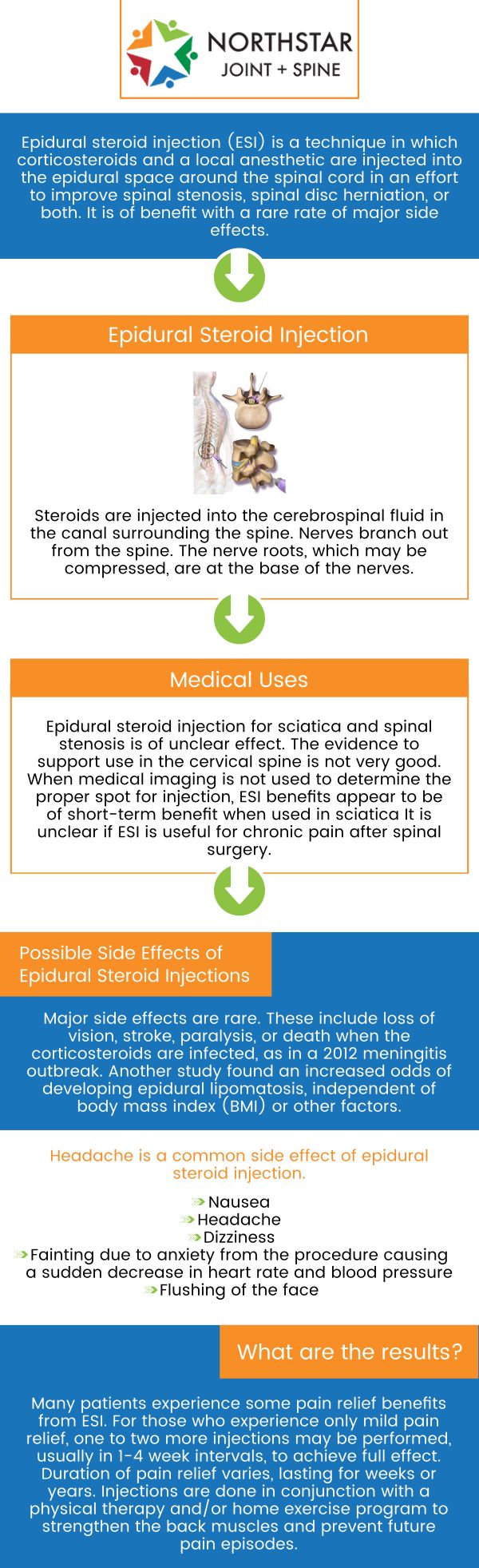
Image Source: www.northstarjointandspine.com
How Soon Can I Exercise After Epidural Steroid Injection?
After getting an epidural steroid injection (ESI), many people want to know how quickly they can get back to their normal lives, including exercise. So, how soon can you exercise after a back injection? For most people, it is best to take it easy for the first 24 to 48 hours after the shot. Doctors usually tell you to rest during this time. After this first rest period, you can often start light activities like walking. When you can do more challenging exercise or return to your usual routine depends on how your body feels, the reason you got the shot, and your doctor’s specific advice. There are important activity restrictions after epidural shot to follow to help your body heal and to get the best results from the injection. Following these post-epidural exercise guidelines is key to your recovery after epidural steroid injection.
Your First Steps After the Shot
Right after your epidural steroid injection, the focus is on letting your body rest. The doctor puts medicine near your spinal nerves. This medicine can help lower swelling and pain. Giving your body time to settle down is very important.
- Immediate Rest: You will likely need to stay in the clinic for a short time after the shot. This is for the staff to watch you and make sure you are okay.
- Go Home and Relax: Once you leave, plan to go straight home. You should not drive yourself. Have someone else drive you.
- Take it Easy: For the rest of the day, do not do much. Sit or lie down. Do not try to clean the house, do yard work, or go shopping. Just rest.
This first period of rest is part of the recovery after epidural steroid injection. It helps prevent problems like more pain or a headache.
What to Do (and Not Do) in the First 24-48 Hours
The first day or two after your shot is a critical time. Your body is starting to react to the medicine. It is also healing from the needle going into your back. Following clear rules now helps set you up for better results later.
Activity Restrictions After Your Shot
Doctors give clear rules for a reason. They want to help you heal safely. These rules are your initial activity restrictions after epidural shot.
- No Hard Work: Do not lift heavy things. Avoid bending over a lot. Do not twist your back sharply. These actions can put stress on the area where you got the shot.
- Skip Strenuous Exercise: Do not go to the gym. Do not run, jump, or play sports. Your body is not ready for this. Exercising too early after spinal injection can cause more pain or even injury.
- No Hot Tubs or Baths: Avoid soaking in a bathtub, hot tub, or swimming pool for a day or two. You can shower, but keep the injection site clean and dry. This helps prevent infection.
- Limit Sitting: Try not to sit for very long periods. Get up and walk around the house for a few minutes every hour or so. This can help keep your blood flowing.
What You Can Do
Even with restrictions, you are not stuck in bed completely. There are simple things you can do.
- Rest: This is the main activity. Give your body time to heal.
- Gentle Movement: Walk slowly around your house. Short walks are fine. This is like a very gentle walking after epidural.
- Ice: You might put an ice pack on the injection site if it feels sore. Follow your doctor’s advice on how to use ice.
- Take Medicine: If your doctor gives you pain medicine or tells you to take something like ibuprofen, follow their directions.
This initial period is about being kind to your body. It is the start of your timeline for resuming activity after ESI.
Taking Your First Gentle Steps: Walking After Epidural
After the first 24 to 48 hours, if you feel okay, you can often start moving a bit more. The most common first step is walking. Walking is a great way to get your body moving again gently. It does not put too much stress on your back.
Why Walking is Good
- Gets Blood Flowing: Walking helps blood move through your body. This can help the healing process.
- Keeps Muscles Moving: Gentle movement prevents your muscles from getting stiff.
- It’s Low Impact: Walking is smooth and easy on your joints and spine compared to running or jumping.
- Boosts Your Mood: Getting up and moving, even slowly, can make you feel better.
How to Start Walking
- Keep it Short: Start with very short walks. Maybe just 5 or 10 minutes at first.
- Keep it Slow: Do not try to walk fast or race. Walk at a relaxed pace.
- Listen to Your Body: If walking makes your pain worse, stop. It is okay to go back to resting.
- Walk on Flat Ground: Avoid hills or uneven surfaces at first. A smooth path or even walking inside your house is best.
Walking after epidural is often the first step in returning to normal activities after epidural. It is not strenuous exercise, but it is important movement.
Lifting Things: Lifting Restrictions After Epidural
Lifting is one of the actions that puts a lot of stress on the back. Because of this, there are specific lifting restrictions after epidural. Ignoring these rules can hurt your back and undo the good the injection might do.
Why Lifting is Risky
When you lift something, especially something heavy, your back muscles and spine work hard. This pressure is sent right through the area where you got the shot.
- Can Increase Pain: Lifting can make the pain worse right away.
- Can Affect Healing: It can strain the tissues that are trying to heal.
- Might Move Medicine: While not common, extreme pressure could potentially affect how the medicine works in the targeted area.
How Long Do Lifting Restrictions Last?
There is no single answer that fits everyone. But here is a general idea:
- First 1-2 Days: Do not lift anything heavier than a gallon of milk (about 8 pounds). Many doctors say lift no more than 5-10 pounds.
- First Week: Continue to be very careful with lifting. Avoid lifting anything truly heavy. Ask for help if you need to move something.
- After One Week: You might be able to lift a bit more, but still be cautious. The exact amount depends on your pain, how you feel, and your doctor’s instructions.
- Weeks Later: As you feel better and your doctor says it is okay, you can slowly start to lift more weight. This should be done carefully, paying close attention to your body.
It is crucial to discuss lifting restrictions after epidural with your doctor. They know your specific situation and can give you the best advice. Do not rush back to lifting heavy items at work or the gym.
When Can I Exercise After Back Injection?
This is the big question for many people. The answer is not a specific number of days for everyone. It depends on several things:
- How You Feel: Is your pain much better, a little better, or the same? Do you have new pain?
- Why You Got the Shot: Was it for a disc problem, nerve pain, or something else? Some issues require a longer recovery time.
- The Type of Exercise: Gentle exercise can start sooner than hard exercise.
- Your Doctor’s Advice: This is the most important factor. Your doctor knows your health history and the details of your injection.
General Timeline for Resuming Activity After ESI
Here is a general idea of a possible timeline, but remember this is just a guide. Always follow your doctor’s specific orders.
| Time After Injection | Recommended Activity Level | Things to Avoid |
|---|---|---|
| Day 0 (Injection Day) | Strict rest, gentle movement in home | Driving, lifting, bending, strenuous activity, hot baths |
| Day 1-2 | Rest, light walking (short duration, slow pace) | Same as Day 0, still limit walking if it causes pain |
| Day 3-7 | Increase walking time/speed gradually, very light daily tasks | Moderate or strenuous exercise, heavy lifting, twisting, jumping |
| Week 2-4 | Maybe start gentle stretching, low-impact activities (e.g., stationary bike) if approved by doctor and pain is lower | High-impact sports, heavy weightlifting, activities that jar the spine |
| Week 4+ | Slowly return to more normal exercise, maybe start physical therapy | Pushing too hard too soon, ignoring pain |
This table provides a simple view of the timeline for resuming activity after ESI. Again, your personal timeline might be different.
Post-Epidural Exercise Guidelines
When you do start exercising, follow these rules:
- Start Slow: Begin with very low intensity and short durations.
- Listen to Your Body: Pain is a signal. If an exercise hurts, stop doing it. Do not try to “work through” new or increased pain.
- Choose Low-Impact: Activities like walking, swimming (once allowed), or cycling on a flat surface are usually better than running or jumping.
- Warm Up and Cool Down: Always prepare your muscles before exercise and stretch gently afterward.
- Be Patient: Do not expect to jump back into your old routine right away. Progress slowly.
These are important post-epidural exercise guidelines. They help you exercise safely as you recover.
The Role of Physical Therapy After Epidural Steroid Injection
Physical therapy can be a very important part of your recovery after epidural steroid injection. Often, the injection helps lower your pain, which then makes it possible for you to do physical therapy more effectively.
How Physical Therapy Helps
Physical therapists are experts in movement. They can create a special exercise plan just for you. This plan aims to:
- Strengthen Muscles: Strong core and back muscles help support your spine.
- Improve Flexibility: Gentle stretches can help you move more easily.
- Teach Proper Movement: Learn safe ways to lift, bend, and move to protect your back in the future.
- Increase Activity Gradually: A therapist can guide you on how to safely increase your exercise level over time.
- Reduce Pain: Specific exercises and techniques can help lower pain in the long run.
Starting physical therapy after epidural steroid injection is often recommended once your initial pain is better controlled by the shot.
When to Start Physical Therapy
Your doctor will tell you when it is a good time to start physical therapy. It is usually not in the first few days after the shot. It might be a week or two later, or even longer, depending on how you are doing. The goal is to start therapy when you can participate without severe pain, so you can get the most benefit.
Physical therapy is a structured way of returning to normal activities after epidural and building strength to prevent future problems.
Exercising Too Early After Spinal Injection: Why It’s a Bad Idea
It is tempting to jump back into your favorite sport or workout as soon as you feel a little bit better after an epidural shot. However, exercising too early after spinal injection can cause problems.
Risks of Rushing Back
- Increased Pain: The injection site is still healing. Muscles around the spine might be sensitive. Doing too much can cause new or worse pain.
- Inflammation: Strenuous activity can increase swelling and inflammation, which is exactly what the steroid medicine is trying to reduce.
- Slower Healing: Pushing too hard can delay the overall healing process.
- Re-injury: If the injection was for a specific injury (like a disc herniation), returning to heavy lifting or high-impact activities too soon could re-injure that area.
- Reduced Benefit from Injection: By causing more pain or inflammation, you might not get the full pain relief that the injection could offer.
Think of your body like a house that needed repairs. The injection is like a quick fix for a major leak (the inflammation/pain). But you still need to let the materials dry and settle before you start having parties (strenuous exercise) again.
Patience is very important during the recovery after epidural steroid injection. Give the medicine time to work and your body time to heal.
Returning to Normal Activities After Epidural
Getting back to your usual daily life and activities is the main goal of getting an epidural steroid injection. This includes simple things like getting dressed, walking around your home, doing light chores, and eventually, returning to work and exercise.
Gradually Increasing Activity
The key word is “gradually.” Do not try to do everything you did before the shot all on one day.
- Start with Basics: Focus on being able to do simple daily tasks without pain.
- Add Light Chores: Slowly add things like washing dishes or light meal prep.
- Increase Walking: If walking feels good, walk a little further or a little faster each day or week.
- Reintroduce Exercise (Carefully): Following the post-epidural exercise guidelines, bring back gentle forms of exercise first.
When to Expect Results and Plan Activities
The pain relief from an epidural steroid injection does not always happen instantly. For some people, it takes a few days or even up to two weeks to feel the full effect.
- Initial Feeling: You might feel numb right after from the local anesthetic. This wears off in a few hours.
- Possible Soreness: The injection site might be sore for a day or two.
- Steroid Takes Time: The steroid medicine usually takes several days to start reducing inflammation and pain significantly.
Because of this, you should not plan to return to strenuous activities based on how you feel immediately after the shot. Wait a few days to see how the steroid affects your pain. Your timeline for resuming activity after ESI should be based on lasting pain relief and your doctor’s okay.
Returning to normal activities after epidural is a process. Be kind to yourself and celebrate small wins as you get back to doing the things you enjoy.
How Pain Guides Your Return to Exercise
Your pain level is one of the most important guides for when you can exercise after back injection.
- Little to No Pain: If the injection has greatly reduced your pain, you can likely start increasing your activity level following your doctor’s plan.
- Less Pain than Before: If you still have some pain, but it is much less than before, you might start gentle exercises suggested by your doctor or physical therapist. You will need to be very cautious.
- Same or More Pain: If the injection did not help your pain, or if your pain got worse, do not push yourself. Contact your doctor. Exercising when you are still in significant pain can cause more harm.
Always use pain as a signal. If an activity increases your pain, stop. If the pain is mild soreness that goes away quickly with rest, it might be okay. If the pain is sharp, intense, or lasts a long time, it is a sign you are doing too much.
Specific Types of Exercise Post-ESI
Once your doctor gives you the green light to move beyond just walking, what kinds of exercise are usually recommended first?
Low-Impact Choices
These types of exercise put less stress on your spine and joints.
- Walking: As mentioned, this is a great start. Increase distance and speed slowly.
- Stationary Cycling: Riding a bike that stays in one place is usually fine. Make sure your posture on the bike is good for your back.
- Swimming or Water Aerobics: The water supports your body, which reduces stress on your spine. Make sure the injection site is fully healed and your doctor says it is okay before getting in a pool.
- Elliptical Machine: This machine provides a smoother motion than running.
- Gentle Stretching: Simple stretches can help improve flexibility. Your doctor or physical therapist can show you safe stretches for your condition.
When to Consider More Intense Exercise
Activities like running, jumping, weightlifting, or sports that involve sudden stops, starts, or twisting should be delayed much longer.
- Wait for Doctor’s Approval: Do not attempt these activities until your doctor specifically says it is okay.
- Significant Pain Reduction: You should have lasting, significant pain relief before trying these.
- Strength and Stability: Ideally, you should have built up core strength and stability through physical therapy first.
Returning to normal activities after epidural means getting back to the things you love, but it must be done wisely to protect your back.
Possible Side Effects and When to Call Your Doctor
While most people do well after an epidural steroid injection, it is good to know what to watch for. Some minor side effects are normal, but others need medical attention.
Normal Reactions (Often Get Better Quickly)
- Soreness or aching at the injection spot.
- A slight increase in pain for a day or two before it gets better.
- Feeling flushed (warm) or mild headaches.
Signs to Call Your Doctor
- Severe headache when you sit or stand up, but it gets better when you lie down (could be a “dural puncture headache”).
- Fever or chills (could be a sign of infection).
- New or worsening numbness or weakness in your legs.
- Loss of control over your bladder or bowels.
- Severe or increasing pain at the injection site or in your back that does not get better.
Knowing these signs helps you manage your recovery after epidural steroid injection safely. If you are worried about any symptom, always call your doctor’s office.
Planning Your Full Return
The goal of the injection and your recovery is to get you back to living your life with less pain. Planning your full return involves listening to your body, working with your doctor, and being patient.
- Follow Medical Advice: Your doctor’s instructions are tailored to you. Stick to them.
- Consider Physical Therapy: It is highly recommended for long-term success. It helps you build strength and learn how to move safely. Physical therapy after epidural steroid injection is a key step for many.
- Set Realistic Goals: Do not expect to be instantly cured and run a marathon next week. Set small, achievable goals for increasing your activity.
- Be Consistent: Stick to your gentle exercise plan and physical therapy appointments.
- Listen, Listen, Listen: Pay close attention to how your back feels during and after any activity.
This planned approach ensures your timeline for resuming activity after ESI is safe and effective. It helps you avoid exercising too early after spinal injection and get back to your desired level of activity the right way.
Frequently Asked Questions About Post-Epidural Activity
People often have similar questions after getting an epidural steroid injection. Here are some common ones:
Can I go back to work right away?
It depends on your job. If you have a job where you mostly sit and it doesn’t involve lifting, you might be able to go back in 1-2 days. If your job requires standing, walking a lot, lifting, or physical labor, you will likely need more time off. Discuss this with your doctor. Your lifting restrictions after epidural will definitely affect this.
What if I feel much better the next day? Can I exercise hard then?
Even if you feel great, it is not recommended to do strenuous exercise in the first 24-48 hours. The injection site needs time to settle, and the full effect of the steroid might not have peaked yet. Exercising too early after spinal injection increases risks. Stick to the recommended activity restrictions after epidural shot.
Is it okay to stretch after the injection?
Gentle stretching might be okay after the first few days, but only if your doctor or physical therapist approves specific stretches. Avoid stretches that cause pain or put a lot of stress on your lower back.
How long does the recovery after epidural steroid injection take in total?
The initial recovery (when you are very limited) is usually 1-2 days. Feeling the full effect of the shot can take up to two weeks. Getting back to your full normal activity level can take several weeks to a few months, especially if you are also doing physical therapy. It varies greatly from person to person.
What counts as “strenuous” exercise?
Strenuous exercise includes activities that significantly increase your heart rate and breathing, make you sweat a lot, or put heavy load or impact on your spine. Examples are running, jumping, heavy weightlifting, intense sports (like soccer, basketball), and demanding fitness classes. Stick to post-epidural exercise guidelines which emphasize low-impact activities first.
Will the injection cure my pain forever?
Epidural steroid injections are usually meant to manage pain and inflammation, not cure the underlying cause completely. They can provide a window of pain relief that allows you to do physical therapy and become more active. Pain relief can last weeks to months, or sometimes not work at all. It is part of a larger treatment plan.
What if walking after epidural causes more pain?
If walking causes new or worse pain, stop walking. Rest and contact your doctor to let them know.
Following your doctor’s advice and listening carefully to your body are the most important things you can do after an epidural steroid injection. This will help you have a smooth recovery and safely return to exercise and your normal activities.