
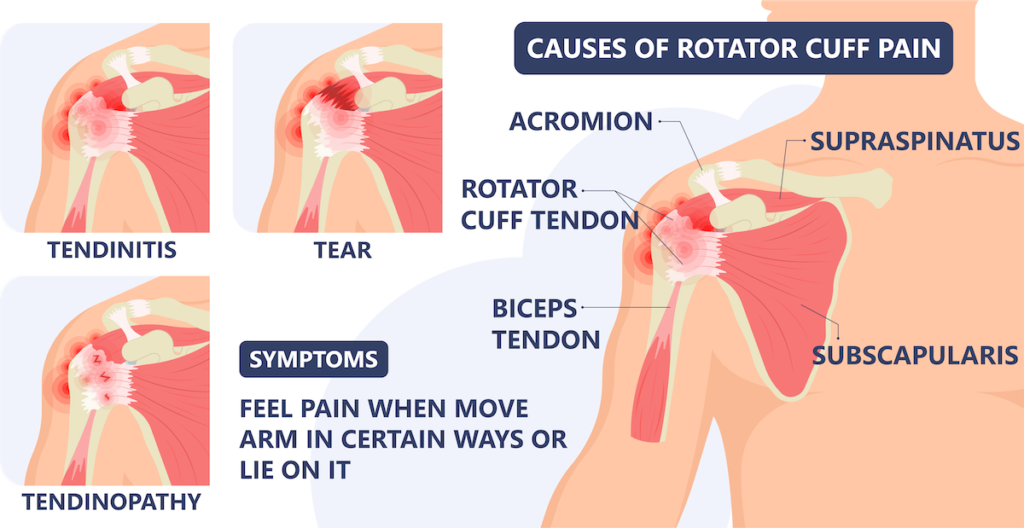
Image Source: allspinesurgerycenter.com
How Soon Can I Exercise After Cortisone Injection In Shoulder? Get Answers
After getting a cortisone shot in your shoulder, most doctors tell you to rest the shoulder for a few days. You usually need to wait at least 24-48 hours before doing any light movement, and longer before doing full exercise or lifting weights. The exact time when to exercise after shoulder injection depends on your doctor’s advice, why you got the shot, and how your shoulder feels. This period is part of your shoulder cortisone shot recovery time exercise.
Deciphering Cortisone Shots and Shoulder Pain
Cortisone is a strong medicine. It helps lower swelling and pain. Doctors often use it for shoulder problems. These problems can be things like bursitis or tendonitis. The medicine is put right into the spot that hurts. This can bring relief fast.
A cortisone shot is not a cure. It treats the symptoms, like pain and swelling. It gives you a window. In this window, you can often do things like physical therapy. This therapy can help fix the root cause of your pain. But knowing when to start moving and exercising after the shot is key. Starting too soon can cause more pain or even harm.
The Initial Rest Period
Right after your shot, your doctor will tell you what to do. This is important advice. Most doctors say to rest the shoulder.
Why Rest Is Needed
Resting helps the medicine work. It lets the swelling go down more. Moving too much right away can stir things up. It might make the pain worse. Some people even feel a “cortisone flare.” This is a short time where the pain gets worse before it gets better. Resting helps limit this flare or make it less bad.
How Long to Rest After Shoulder Cortisone Shot
The usual time is 1 to 3 days. Some doctors might say a bit longer. They might tell you not to use the arm much. This could mean no heavy lifting. It could mean keeping the arm quiet. Listen closely to what your doctor says. Their advice is based on your specific case.
- Day 1: Keep the arm still. Use ice if it helps with pain or swelling. Do not do hard work or lift anything heavy.
- Day 2-3: You might start gentle, simple movements. Do not push it. No exercise yet.
Starting Gentle Movement
After the first few days of rest, you can usually start moving your shoulder gently. This is not full exercise. It is just moving the arm in easy ways.
Safe Exercises After Shoulder Injection (Early Stage)
These are simple movements. They help keep the shoulder from getting stiff. They also help blood flow. But they do not stress the tendons or muscles too much.
- Pendulum swings: Lean forward. Let your arm hang down. Gently swing it back and forth. Swing it side to side. Make small circles. Use the weight of your arm only.
- Passive range of motion: Use your other hand to gently move the arm with the shot. Move it up. Move it out to the side. Do not go into pain. Only move as far as it feels easy.
- Arm circles: Stand up straight. Make small circles with your arm. Do this forward and backward. Keep the circles small at first.
Do these movements slowly. Stop if you feel sharp pain. This is the time for easy motion, not strength or stretching far.
Moving Towards Light Exercise
After the initial rest and gentle movement, you can think about light exercise. This phase usually starts a few days to a week after the shot. Again, check with your doctor first.
When to Exercise After Shoulder Injection: The Next Step
Once the worst pain is gone and the initial rest is over, you can try light activity. This could be walking. It could be using a stationary bike. The goal is to get your body moving without putting stress on the shoulder.
- Walking: Good for your health. Does not use the shoulder much.
- Stationary bike: Uses legs, not shoulders.
- Elliptical (carefully): Can sometimes be done if you don’t use the arm handles much, or if it doesn’t bother your shoulder.
Listen to your body. A little soreness is okay. Sharp or growing pain is a sign to stop.
Exercise Restrictions After Cortisone Shot Shoulder
Even when doing light exercise, some things are off-limits. Avoid anything that pulls on, pushes on, or puts weight on the shoulder.
- No lifting weights with that arm.
- No push-ups or planks.
- No swimming strokes that use the shoulder a lot (like freestyle or butterfly).
- No sports that involve throwing or overhead movements.
This helps protect the shoulder while the medicine works and the tissue heals.
Adding Strength and More Intense Exercise
This is where the timeline gets less clear-cut. It depends a lot on your specific shoulder issue and how you are feeling. Many people wait 1 to 2 weeks before trying to add strength work or more intense cardio that uses the arms.
Lifting Weights After Shoulder Injection
This is a big step. It puts stress on the tendons and muscles. You should be very careful here.
- Start light: Use very light weights or resistance bands. Focus on good form.
- Lower reps: Do fewer repeats than usual.
- Avoid overhead lifts: Lifting weights above your head is often the hardest on the shoulder. Avoid this for longer.
- Listen to pain: If a weight feels too heavy or causes pain, stop. Do not push through shoulder pain after cortisone shot and exercise.
Many doctors suggest waiting at least 2 weeks, sometimes 4-6 weeks, before lifting heavy weights or doing exercises that put a lot of load on the shoulder joint (like bench press, overhead press, pull-ups).
Increasing Cardio Intensity
If your cardio uses your arms (like rowing, swimming, or some machines), you need to be careful.
* Start slow.
* Increase the time or speed slowly.
* If it causes shoulder pain, stop or reduce the intensity.
Cardio that does not use the arms much (like walking, cycling) can usually be increased sooner than arm-heavy activities.
Returning to Sports After Shoulder Injection
Getting back to sports is often the final step. Sports usually involve faster movements, more force, and less predictable actions than controlled exercise.
When Is It Safe?
This varies a lot.
* For non-contact sports with little arm use (like running, lower body focused activities), it might be 1-2 weeks.
* For sports with arm movement but low impact (like cycling or gentle swimming), maybe 2-3 weeks.
* For sports with throwing, overhead movement, or contact (like baseball, tennis, basketball, football), it could be 4-6 weeks or even longer.
Your doctor and any physical therapist you see will help you decide when it is safe to return. They will check your strength and range of motion. They will see if you can do sport-specific movements without pain.
Step-by-Step Return
Do not go from zero to playing a full game.
1. Start with practice drills at low intensity.
2. Move to higher intensity drills.
3. Try playing for short periods.
4. Work up to playing a full game or match.
Stop if you feel significant shoulder pain after cortisone shot and exercise during practice or play.
Exercising Too Soon After Cortisone Injection: What Can Happen?
Pushing your shoulder too hard, too fast, is risky.
Risks and Problems
- Increased pain: The pain you were trying to fix might come back. Or you might get a new, sharp pain.
- More swelling: Activity can cause the area to swell up again.
- Delayed healing: By irritating the area, you might slow down the overall healing process.
- Tendon issues: While rare from one injection, repeated injections and heavy stress on tendons can weaken them over time. Exercising heavily right after a shot might put tendons at slightly higher risk if the underlying issue is a tendon problem.
- No benefit from the shot: If you don’t give the medicine time to reduce swelling and pain, you might not get the relief you hoped for.
This is why exercise restrictions after cortisone shot shoulder are put in place. They are there to help you, not hold you back long-term.
Grasping the Role of Pain
Pain is your body’s way of talking to you. After a cortisone shot and when you start exercising, pay close attention to it.
What Kind of Pain is Okay?
- Mild soreness: A little muscle soreness from using muscles that haven’t worked much is often fine.
- Tiredness: Your shoulder might feel tired after some movement.
What Kind of Pain Means STOP?
- Sharp pain: A sudden, stabbing feeling.
- Growing pain: Pain that starts mild and gets worse as you continue the activity.
- Pain that doesn’t go away: Pain that lasts long after you stop exercising.
- Pain that feels like the pain you had before the shot: This means the underlying issue is getting irritated again.
If you feel the wrong kind of pain, stop what you are doing. You might need to rest longer or change the exercise. Talk to your doctor if the pain is bad or does not get better.
Fathoming Physical Therapy
Physical therapy after shoulder cortisone injection is very helpful for many people. The shot reduces pain and swelling. This makes it easier to do the exercises therapy requires.
How Physical Therapy Helps
A physical therapist (PT) is an expert in how your body moves. They can:
* Assess your shoulder: Find out what is weak or tight.
* Create a plan: Give you specific exercises. These exercises are made just for you. They help fix the problem that caused the pain.
* Guide your return to activity: Show you how to move safely. Tell you when you can do more. Help you get back to lifting weights or sports safely.
* Improve strength and flexibility: Make the muscles around your shoulder stronger and more flexible. This helps support the joint. It can prevent future problems.
* Teach proper form: Show you the right way to do exercises or movements. This is key for avoiding re-injury.
If your doctor suggests physical therapy, take it seriously. It is a big part of long-term recovery and getting full use of your shoulder back.
Factors That Change Your Timeline
Everyone is different. Your shoulder cortisone shot recovery time exercise might be shorter or longer than someone else’s. Several things play a role:
- The specific problem: Is it bursitis? Tendonitis? A frozen shoulder? Some issues need more rest than others.
- How bad the problem was: More severe issues might need more time to heal and recover.
- Your age and health: Younger, healthier people often recover faster. Other health problems can slow things down.
- Your job or daily life: If your job uses your shoulder a lot, you might need more time before going back to full duty.
- How you respond to the shot: Some people get total relief. Others get only some relief. How much the shot helps affects what you can do.
- Your doctor’s specific instructions: Always follow these. They know your full health history.
There is no single answer for when to exercise after shoulder injection. It is a guideline that must be adjusted for you.
A Sample Return-to-Activity Plan (General Guide Only)
This is a possible path. Your doctor or PT might give you a different one.
| Time After Injection | Type of Activity | Notes |
|---|---|---|
| Day 1-3 | Rest, Ice (if needed), Gentle Passive Motion | Avoid active movement, lifting, exercise. |
| Day 4 – 1 Week | Gentle Active Range of Motion, Light Walking | No lifting, pushing, pulling. Only easy movement within no pain. |
| 1-2 Weeks | Light Cardio (walking, stationary bike), Simple PT exercises | Start PT if prescribed. No weights, no impact on shoulder. |
| 2-4 Weeks | Add Light Resistance (bands, very light weights), More PT exercises | Begin strengthening IF pain allows. Avoid overhead. Listen to body. |
| 4-6 Weeks | Increase Weight/Resistance Slowly, More Intense Cardio | Progress gradually. Still cautious with overhead and heavy lifting. |
| 6+ Weeks | Gradual Return to Sport or Heavy Lifting | Requires assessment by doctor/PT. Step-by-step return. |
This table is a general idea. Your timeline may be very different. Always follow your doctor’s advice.
When Shoulder Pain After Cortisone Shot and Exercise Happens
It can be frustrating. You got the shot to stop pain. Then you try to move, and it hurts.
What to Do
- Stop the activity: If it’s sharp or getting worse, stop right away.
- Rest: Give your shoulder a break.
- Ice: Put ice on the area.
- Gentle movement: After resting, try very gentle range of motion again. See if the pain is still there.
- Check your form: Were you doing the exercise correctly? Bad form can cause pain.
- Go back a step: Maybe you tried to do too much too soon. Go back to easier movements or activities.
- Talk to your doctor or PT: If the pain doesn’t get better, or is severe, call them. They can check your shoulder and tell you what to do next.
Do not ignore pain. It is a signal. Especially during your shoulder cortisone shot recovery time exercise.
Making Your Recovery Smooth
Here are some tips to help you get the most out of your shot and return to activity well.
- Follow medical advice: Your doctor and physical therapist are your best guides.
- Be patient: Recovery takes time. Do not rush it.
- Listen to your body: Pain is a stop sign.
- Start slow: Whether it’s movement, exercise, or lifting weights after shoulder injection, begin with less than you think you can do.
- Increase gradually: Slowly add more time, more weight, or more complex movements.
- Focus on form: Do exercises correctly to work the right muscles and protect your joint.
- Do your PT exercises: These are designed to help you heal and get stronger.
- Manage inflammation: Keep using ice if it helps. Avoid activities that cause swelling.
- Stay positive: Recovery can be frustrating, but sticking to the plan helps.
Remember the exercise restrictions after cortisone shot shoulder early on. They are there for a reason.
Summarizing the Return to Activity
Coming back to exercise after a shoulder cortisone shot is a process. It starts with rest. Then adds gentle movement. Then light exercise. Then, slowly, strength work and return to sports.
- Immediate rest: 1-3 days, maybe more. No exercise. Focus on letting the shot work. (how long to rest after shoulder cortisone shot)
- Gentle movement: Start simple range of motion after the rest period. (safe exercises after shoulder injection)
- Light activity: Add walking or simple cardio after a few days to a week.
- Strength training: Wait 1-2 weeks at least, often 4-6 weeks for heavy lifting. Start very light. (lifting weights after shoulder injection)
- Sports: Depends heavily on the sport. Could be 2 weeks to 2 months or more. (return to sports after shoulder injection)
- Avoid exercising too soon: This means pushing hard before your body is ready. (exercising too soon after cortisone injection)
- Listen to pain: Sharp or worsening pain means stop. (shoulder pain after cortisone shot and exercise)
- Physical therapy helps: It guides your return to strength and function. (physical therapy after shoulder cortisone injection)
Your shoulder cortisone shot recovery time exercise is personal. Work with your doctor. Be careful. You can get back to your normal activities and exercise routine safely.
Frequently Asked Questions
Q: Can I move my arm at all right after the shot?
A: You should avoid hard movement and lifting. Gentle, simple movements might be okay after a day or two of rest, if your doctor says so.
Q: Is it normal to have more pain after the shot before it gets better?
A: Yes, some people feel a “cortisone flare.” This is pain or soreness that lasts 1-3 days after the shot. Resting and icing can help.
Q: When can I lift everyday objects?
A: For the first day or two, lift as little as possible with that arm. After that, light objects (like a cup) are usually okay if they don’t cause pain. Avoid anything heavy for at least a week, and heavy lifting for several weeks.
Q: Can I do lower body workouts after a shoulder shot?
A: Yes, typically you can do exercises that only use your legs and do not put strain on your shoulder (like squats, lunges, cycling) fairly soon after the shot, perhaps after the first day of rest, as long as they don’t bother your shoulder.
Q: How long does the cortisone shot effect last?
A: This is different for everyone. It can last weeks to several months. It might help enough to allow physical therapy to fix the underlying issue for longer relief.
Q: What if my pain doesn’t improve after the injection?
A: If the shot doesn’t help, or your pain gets worse after the initial flare, talk to your doctor. The shot might not have been the right treatment for your specific problem, or you might need more care.