
Image Source: gmurology.com.au
How Soon Can I Exercise After A Prostate Biopsy: Your Guide
Can I exercise immediately after a prostate biopsy? No, you should not exercise immediately after a prostate biopsy. It’s crucial to allow your body time to heal and recover.
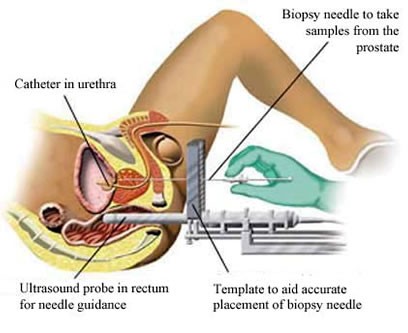
A prostate biopsy is a medical procedure to collect tissue samples from the prostate gland to check for cancer. While generally safe, it’s a procedure that requires a period of recovery. This guide will walk you through what to expect regarding physical activity after your prostate biopsy, helping you make informed decisions about your prostate biopsy recovery.
The Immediate Aftermath: What to Expect
Following your prostate biopsy, you’ll likely experience some discomfort, soreness, and possibly mild bleeding. These are normal and expected side effects. Your doctor will provide specific post-procedure instructions, which will likely include recommendations for rest and avoiding strenuous activities.
- Pain and Discomfort: You might feel a dull ache or soreness in your pelvic area. Over-the-counter pain relievers, as recommended by your doctor, can help manage this.
- Bleeding: Minor bleeding from the rectum or in your urine is common for a day or two. If bleeding is heavy or persistent, contact your doctor immediately.
- Urinary Symptoms: You may experience some burning during urination or difficulty urinating. This usually resolves within a few days.
The prostate biopsy downtime is typically short, but it’s essential to listen to your body and not push yourself too soon.
The Road to Resuming Activity: When to Get Moving
The question on many minds is, “When can I resume my normal activities?” The answer varies, but generally, you can start returning to light activities within a day or two.
Returning to Light Activities
- Walking: Gentle walking is usually the first form of physical activity you can safely reintroduce. Start with short, slow walks around your home or neighborhood.
- Daily Chores: Simple daily tasks like light housekeeping or grocery shopping can typically be resumed as you feel up to it.
Key Consideration: Avoid any activity that puts direct pressure on your pelvic area or causes you pain.
Gradual Reintroduction of More Strenفس
The process of returning to physical activity prostate biopsy involves a gradual increase in intensity and duration.
- First Few Days (1-3 Days Post-Biopsy): Focus on rest and very light movement like short walks.
- First Week (3-7 Days Post-Biopsy): If you feel well, you can gradually increase the duration and pace of your walks. You might be able to perform very light stretching or yoga poses.
- Weeks 2-4 Post-Biopsy: As your discomfort subsides, you can slowly reintroduce more moderate activities.
It’s crucial to listen to your body. If any activity causes pain or discomfort, stop and rest.
Exercise After Prostate Biopsy: A Detailed Breakdown
When we talk about exercise after prostate biopsy, it’s not a one-size-fits-all answer. The type, intensity, and duration of exercise will depend on your individual recovery and your doctor’s advice.
Safe Exercise After Prostate Biopsy: What to Prioritize
Your primary goal is to avoid putting undue stress on the biopsy sites and to promote healing.
Safe Activities (Typically within the first week, with caution):
- Walking: Start with short, leisurely walks. Gradually increase distance and pace as you feel comfortable.
- Gentle Stretching: Focus on gentle, static stretches. Avoid any deep twisting or movements that strain the pelvic region.
- Light Yoga/Pilates: Some modified poses might be acceptable, but it’s crucial to avoid poses that put pressure on the abdomen or involve deep twists. Consult with your instructor.
Activities to Avoid Initially:
- High-Impact Activities: Running, jumping, and sports involving sudden stops and starts should be avoided for at least 2-3 weeks, or until cleared by your doctor.
- Heavy Lifting: Avoid lifting anything heavy (typically over 10-15 pounds) for at least 2-3 weeks. This includes weightlifting and strenuous yard work.
- Intense Cardiovascular Exercise: Activities like cycling, jogging, or high-intensity interval training (HIIT) should be gradually reintroduced.
- Activities Requiring Intense Abdominal Contractions: Crunches, sit-ups, and certain advanced core exercises should be postponed.
- Sexual Activity: Your doctor will provide specific guidance on when it’s safe to resume sexual activity, which can vary.
When to Resume Activity: A Timeline for Different Exercise Types
To provide a clearer picture of the return to exercise after prostate procedure, here’s a general timeline. Remember, this is a guide, and your doctor’s advice is paramount.
| Activity Type | When to Consider Resuming (General Guideline) | Important Considerations |
|---|---|---|
| Walking (Light) | 1-2 days post-biopsy | Start slow, short duration. Listen to your body. |
| Walking (Moderate) | 3-7 days post-biopsy | Gradually increase distance and pace. Monitor for any discomfort. |
| Gentle Stretching | 2-3 days post-biopsy | Avoid deep twists or pressure on the pelvic area. |
| Light Strength Training | 2-3 weeks post-biopsy | Focus on lighter weights, higher repetitions. Avoid exercises that strain the core or pelvic floor. |
| Cycling (Leisurely) | 2-3 weeks post-biopsy | Ensure a comfortable saddle position to avoid pressure. |
| Swimming | 1-2 weeks post-biopsy | Avoid strenuous strokes initially. Ensure the wound sites are fully healed and dry. |
| Jogging/Running | 3-4 weeks post-biopsy | Start with short durations, gradually increase. Listen for any pain or discomfort. |
| Intense Cardio (HIIT) | 4-6 weeks post-biopsy | Gradually reintroduce, monitor your body’s response closely. |
| Heavy Lifting | 4-6 weeks post-biopsy | Gradually increase weight and intensity. |
| Contact Sports | 6-8 weeks post-biopsy | Ensure full recovery and clearance from your doctor. |
Important Note: This table provides general guidance. Always consult your healthcare provider for personalized recommendations.
Considerations for Different Types of Prostate Procedures
While this guide focuses on prostate biopsy, it’s worth noting that recovery timelines and exercise guidelines can differ significantly if you undergo prostatectomy (surgical removal of the prostate).
Exercise Guidelines After Prostatectomy
If you have undergone prostatectomy for prostate cancer, the recovery and return to exercise are generally longer and more involved.
- Initial Recovery (Weeks 1-6): Focus on rest, gentle walking, and following your surgeon’s specific post-operative instructions. Avoid any lifting or strenuous activity.
- Pelvic Floor Rehabilitation: This is a crucial component of recovery after prostatectomy. Specific pelvic floor exercises, often guided by a physical therapist, are essential to regain bladder control and function.
- Gradual Return to Exercise (6 Weeks Onwards): Similar to biopsy recovery, the return to exercise is gradual. Light aerobic activity, light strength training, and flexibility exercises can be introduced.
- Progressive Strengthening: As you heal, you can gradually increase the intensity and duration of your workouts. This might include moderate cardio, bodyweight exercises, and eventually, heavier weights.
- Long-Term Fitness: The goal is to return to a healthy and active lifestyle. This may involve a structured fitness plan tailored to your individual needs and recovery progress.
The post-surgical exercise prostate cancer journey is a marathon, not a sprint. Patience and consistency are key.
Listening to Your Body: The Most Crucial Advice
No amount of research or guideline can replace the importance of listening to your body. Your body is the best indicator of when it’s ready for more strenuous activity.
Signs Your Body Isn’t Ready:
- Pain: Any sharp, persistent, or increasing pain during or after an activity is a clear signal to stop.
- Increased Bleeding: If you notice more bleeding from the rectum or in your urine after increasing your activity level.
- Fatigue: Excessive tiredness that doesn’t improve with rest.
- Swelling: Any noticeable swelling in the pelvic or genital area.
When to Seek Medical Advice:
- Severe or worsening pain.
- Heavy or persistent bleeding.
- Fever or chills.
- Difficulty urinating or a complete inability to urinate.
- Any other concerning symptoms.
The Benefits of Staying Active (When Appropriate)
While it’s essential to rest and recover, maintaining some level of physical activity prostate biopsy can be beneficial for overall well-being and can aid in a smoother recovery.
- Improved Circulation: Gentle movement can help improve blood flow, which is important for healing.
- Reduced Risk of Blood Clots: Staying mobile can help prevent blood clots.
- Mental Well-being: Exercise is a known mood booster and can help manage any anxiety associated with the biopsy procedure.
- Maintained Fitness: Gradual reintroduction of exercise helps you maintain your current fitness level without a significant setback.
FAQs About Exercise After Prostate Biopsy
Here are some common questions people have about exercise after prostate biopsy:
Q1: How long should I wait before resuming my normal workout routine?
A1: It typically takes about 2-4 weeks to safely return to your pre-biopsy workout routine. This depends on the intensity and type of your usual exercises and how your body is recovering. Always consult your doctor for personalized advice.
Q2: Can I go to the gym after a prostate biopsy?
A2: Yes, but you should start with lighter activities. Avoid heavy lifting, intense cardio, and anything that puts pressure on your pelvic area. Gradually increase the intensity of your gym sessions as you feel better.
Q3: Is it okay to ride a bicycle after a prostate biopsy?
A3: It’s generally recommended to wait at least 2-3 weeks before resuming cycling. Ensure your saddle is comfortable and doesn’t cause any pressure on the perineum. Start with short, leisurely rides.
Q4: What are the best exercises to do immediately after a prostate biopsy?
A4: Gentle walking and light stretching are the most recommended activities in the initial recovery period. Focus on movement that doesn’t cause any pain or discomfort.
Q5: When can I resume sexual activity after a prostate biopsy?
A5: Your doctor will provide specific guidance on this. It can range from a few days to a couple of weeks, depending on your individual recovery.
Q6: What if I feel pain during exercise after my biopsy?
A6: If you experience pain during or after exercise, stop immediately. Rest and allow your body to recover. If the pain persists or is severe, contact your doctor.
Q7: How does recovery from a prostate biopsy differ from recovery after prostate surgery (prostatectomy)?
A7: Recovery from a prostate biopsy is generally much shorter and less intensive than recovery from a prostatectomy. Prostatectomy involves the removal of tissue and often requires a longer period of rest, rehabilitation, and a more gradual return to physical activity, including pelvic floor exercises.
Q8: Are there any specific exercises I should do to help with my prostate biopsy recovery?
A8: While rest is paramount, gentle walking can help improve circulation. Pelvic floor exercises are generally not recommended immediately after a biopsy unless specifically advised by your doctor. These are more critical for recovery after prostatectomy. Focus on avoiding strain and promoting general healing.
Q9: What is the recommended prostate biopsy downtime?
A9: The initial downtime, meaning the period where you need to significantly limit activity, is usually 1-3 days. However, a full return to strenuous exercise can take several weeks.
Q10: Can I do yoga or Pilates after a prostate biopsy?
A10: You can consider very gentle yoga or Pilates focusing on relaxation and light stretching within the first week, provided you feel no discomfort. Avoid poses that put pressure on your abdomen or involve deep twists. It’s best to wait at least 2-3 weeks for more vigorous sessions.
Conclusion: A Gradual Return to Activity
The prostate biopsy recovery period is a time for your body to heal. While the prostate biopsy downtime is relatively short, the journey back to your full exercise routine is gradual. Prioritize rest in the immediate aftermath, listen intently to your body’s signals, and communicate openly with your healthcare provider. By following these guidelines, you can ensure a safe and effective return to physical activity prostate biopsy, supporting your overall health and well-being. Remember, patience and mindful progression are key to a successful return to exercise after prostate procedure.