
Can I exercise soon after a catheter ablation? Yes, you can resume light exercise relatively soon after a catheter ablation, typically within a few days, but strenuous activities and heavy lifting need to be avoided for several weeks.
Embarking on the journey of catheter ablation recovery brings many questions, and a primary one for active individuals is: “When can I get back to exercising?” This is a valid concern, as maintaining physical fitness is often a key part of overall health and well-being, especially for those managing cardiac arrhythmias. Fortunately, the catheter ablation recovery process is generally designed to allow a gradual return to a healthy lifestyle, including post-ablation exercise.
This comprehensive guide will delve into the specifics of exercise after heart ablation, helping you navigate the recovery period and safely reintroduce physical activity into your routine. We’ll explore the timeline, types of activities to consider, and important precautions to ensure your catheter ablation rehabilitation is successful and supports your long-term heart health.
Image Source: my.clevelandclinic.org
The Initial Recovery Period: What to Expect
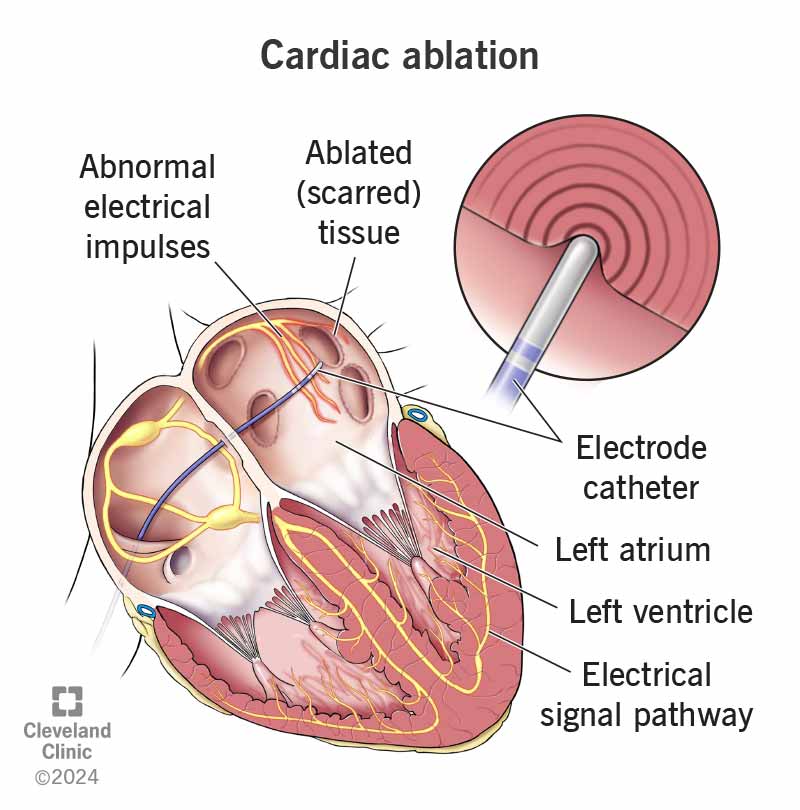
Immediately following your catheter ablation, your body needs time to heal. The procedure involves creating small scars in your heart tissue to block abnormal electrical signals. While minimally invasive, it’s still a medical intervention, and rest is crucial in the early stages.
The First 24-48 Hours
- Rest is Paramount: For the first 24 to 48 hours, your primary focus should be on rest. You’ll likely feel some discomfort or tenderness at the catheter insertion sites (usually in your groin or arm).
- Hydration: Staying well-hydrated is important.
- Monitoring: Your medical team will closely monitor your vital signs and assess your recovery.
- Movement: Gentle movement, like short walks around your room or house, is generally encouraged to prevent blood clots. Avoid prolonged sitting or lying down.
The First Week
During the first week of catheter ablation recovery, you’ll notice a significant improvement in how you feel. However, it’s essential to continue to be mindful of your body and avoid overexertion.
- Activity Levels: You can typically resume most of your daily activities, such as light housework, walking short distances, and preparing meals.
- Listen to Your Body: Pay close attention to any unusual sensations. Mild fatigue is normal, but sharp pains, dizziness, or shortness of breath should be reported to your doctor.
- Fluid Intake: Continue to drink plenty of water.
- Medications: Ensure you are taking any prescribed medications as directed.
Crucial Considerations for the First Few Weeks
The weeks following your ablation are critical for ensuring optimal healing. This is where exercise restrictions after ablation come into play.
- Avoid Heavy Lifting: Refrain from lifting anything heavier than 10-15 pounds. This includes groceries, heavy bags, or even lifting children.
- No Strenuous Activities: High-intensity workouts, such as running, vigorous cycling, or competitive sports, are generally off-limits during this period.
- Keep Incision Sites Clean and Dry: Follow your doctor’s instructions for wound care to prevent infection.
- Monitor for Arrhythmias: While the goal of ablation is to eliminate arrhythmias, you might experience some mild, infrequent palpitations as your heart heals. However, any persistent or concerning palpitations should be discussed with your cardiologist.
When to Resume Physical Activity: A Gradual Approach
The question of when to resume physical activity after a catheter ablation is not a one-size-fits-all answer. It depends on several factors, including the type of ablation performed, your overall health, how you are feeling, and your cardiologist’s specific recommendations. However, a general timeline provides a good framework.
Light Exercise: The First Week
In the first week, safe exercise post-ablation is limited to gentle, low-impact activities.
- Walking: Daily walks are excellent. Start with short, slow strolls and gradually increase the duration and pace as you feel comfortable. Aim for 15-30 minutes initially.
- Stretching: Gentle stretching can help maintain flexibility and prevent stiffness.
Moderate Exercise: Weeks 2-4
As you progress into the second to fourth week, you can gradually increase the intensity and duration of your exercise. This phase is crucial for building back your cardiovascular endurance.
- Brisk Walking: Increase the pace of your walks.
- Stationary Cycling: Low-resistance cycling on a stationary bike is a good option.
- Light Swimming: If your incision sites are fully healed and you have doctor approval, swimming can be a great low-impact choice.
- Yoga and Pilates: Gentle forms of yoga and Pilates can be beneficial for core strength and flexibility. Focus on poses that don’t put undue strain on your chest or abdomen.
Increasing Intensity: Weeks 4-6 and Beyond
The period between four and six weeks is often when many individuals can start to reintroduce more vigorous activities, but always with caution and medical guidance.
- Jogging/Running: If you were a runner before your ablation, you might be able to start with short jogging intervals and gradually build up to longer runs.
- Aerobics: Low-impact aerobics classes can be a good way to elevate your heart rate.
- Strength Training: Begin with light weights and higher repetitions. Focus on controlled movements and avoid straining.
Important Note: The specifics of cardiac ablation exercise guidelines will be provided by your healthcare team. Always follow their personalized advice.
Types of Exercise to Consider During Recovery
When considering post-ablation exercise, think about activities that are less likely to cause strain or put excessive pressure on your body.
Low-Impact Activities
These are activities that put less stress on your joints and cardiovascular system, making them ideal for the initial stages of recovery.
- Walking: As mentioned, this is your go-to exercise. It’s accessible, requires no special equipment, and can be done almost anywhere.
- Swimming: Once incisions are healed, swimming is fantastic. The buoyancy of water reduces stress on your body.
- Stationary Cycling: Control over resistance and speed allows for a gradual increase in intensity.
- Elliptical Trainer: This machine provides a cardiovascular workout with minimal impact.
- Rowing Machine: Offers a full-body workout with low impact, provided you maintain good form.
Moderate-Impact Activities
As your recovery progresses, you can consider these activities, always with caution.
- Brisk Walking: A step up from leisurely walking.
- Hiking: Gentle trails are suitable; avoid steep inclines initially.
- Dancing: Enjoyable and can be a good cardiovascular workout.
- Light Gardening: Avoid heavy digging or lifting.
High-Impact and Strenuous Activities
These should be avoided until you have received clearance from your cardiologist, typically several weeks to months after the procedure.
- Running/Jogging: Especially long distances or at high intensity.
- High-Intensity Interval Training (HIIT): Involves very short bursts of intense exercise.
- Contact Sports: Such as basketball, football, or soccer, due to the risk of physical impact.
- Heavy Weightlifting: Lifting very heavy weights or performing exercises that strain the chest and abdomen.
- Competitive Sports: Requiring explosive movements and high exertion.
Factors Influencing Your Return to Exercise
Several factors can influence how quickly and safely you can return to exercise after a catheter ablation.
Type of Ablation Performed
Different types of ablation procedures may have slightly different recovery protocols. For example, an ablation for atrial fibrillation might have a slightly different timeline than one for a ventricular tachycardia.
Your Overall Health and Fitness Level
- Pre-existing Conditions: If you have other health issues, such as diabetes, kidney disease, or lung disease, your recovery might be slower.
- Fitness Base: Individuals who were regularly active before the ablation may find it easier to regain their fitness levels.
How You Feel
This is perhaps the most critical factor. Everyone’s body heals differently.
- Pain and Discomfort: Persistent or increasing pain at the insertion site, or any new chest discomfort, is a sign to hold back and consult your doctor.
- Fatigue: While some fatigue is normal, extreme exhaustion that doesn’t improve with rest might indicate you’re doing too much too soon.
- Palpitations or Arrhythmias: Any recurrence or increase in your heart rhythm issues should be reported immediately.
Your Cardiologist’s Recommendations
Your cardiologist is your best resource for personalized advice. They will consider your specific procedure, medical history, and how you are recovering to provide clear cardiac ablation exercise guidelines.
Signs to Watch For: When to Stop Exercising
During your catheter ablation rehabilitation, it’s vital to be aware of your body’s signals. If you experience any of the following while exercising, stop immediately and consult your doctor:
- Chest Pain or Discomfort: This is a significant warning sign and should not be ignored.
- Shortness of Breath: Especially if it’s disproportionate to the level of exertion or persists after you stop.
- Dizziness or Lightheadedness: Can indicate your heart isn’t pumping enough blood to your brain.
- Irregular Heartbeat or Palpitations: If you feel your heart racing, skipping beats, or fluttering unusually.
- Nausea or Vomiting: Can be a sign of overexertion or a cardiac issue.
- Excessive Sweating: Beyond what is normal for the level of activity, especially if it’s cold sweat.
- Pain at the Catheter Insertion Site: While some mild discomfort is normal initially, increased pain during or after exercise is a concern.
Structured Exercise Programs and Rehabilitation
For some individuals, a structured catheter ablation rehabilitation program can be highly beneficial. These programs, often supervised by cardiac physiologists or nurses, provide a safe and effective way to regain fitness.
Benefits of Cardiac Rehabilitation
- Personalized Exercise Plans: Tailored to your specific needs and recovery.
- Monitoring and Support: Close supervision ensures exercises are performed safely.
- Education: Learning about your condition, medications, and lifestyle changes.
- Improved Confidence: Building confidence in your ability to exercise again.
- Reduced Risk: Lowering the risk of future cardiac events.
Even if a formal cardiac rehab program isn’t prescribed, your cardiologist may recommend a phased approach to reintroducing exercise, similar to the timelines discussed earlier. This structured progression is key to successful return to exercise after AF ablation or any other type of cardiac ablation.
Frequently Asked Questions (FAQ)
Q1: How long should I wait before driving after a catheter ablation?
Typically, you should wait at least 24-48 hours before driving. If you were sedated, you might need to wait longer. Your doctor will advise you based on your specific case and any medications you are taking.
Q2: Can I have sex after a catheter ablation?
Most people can resume sexual activity about a week after a catheter ablation, provided they are feeling well and have no complications. It’s best to start gently and listen to your body. If you experience any chest pain or shortness of breath, stop and consult your doctor.
Q3: What if I feel tired all the time after my ablation?
Some fatigue is normal in the initial recovery period as your body heals. However, if you experience persistent or severe fatigue, it’s important to discuss this with your cardiologist to rule out any underlying issues.
Q4: When can I go back to my regular workout routine?
This varies greatly from person to person. Many can return to moderate exercise within 2-4 weeks and more strenuous activities between 4-6 weeks, but it’s crucial to get clearance from your cardiologist and progress gradually. Never push yourself if you feel unwell.
Q5: Should I wear a heart rate monitor during exercise after ablation?
Initially, it might be helpful to monitor your heart rate to ensure you are not overexerting yourself. However, focus more on how you feel rather than solely on the numbers. Always discuss the use of heart rate monitors with your doctor.
Q6: What are the signs of a complication after catheter ablation that would prevent me from exercising?
Signs of a complication include severe chest pain, persistent shortness of breath, significant swelling or bruising at the insertion site, fever, or a feeling of faintness. If you experience any of these, seek immediate medical attention.
Conclusion: A Journey of Gradual Return
Catheter ablation recovery is a process that requires patience and attention to your body’s signals. While the urge to return to your usual fitness routines might be strong, a gradual return to physical activity is paramount for safe and effective healing. By following your cardiologist’s cardiac ablation exercise guidelines, listening to your body, and choosing appropriate post-ablation exercise options, you can successfully navigate your recovery and continue to enjoy an active, healthy lifestyle. Remember, your health and well-being are the priority, and a well-managed recovery will set the stage for long-term success.