
The most effective gym frequency for most people is three to five days per week. However, the ideal number of gym days depends on your personal goals, fitness level, and recovery ability.
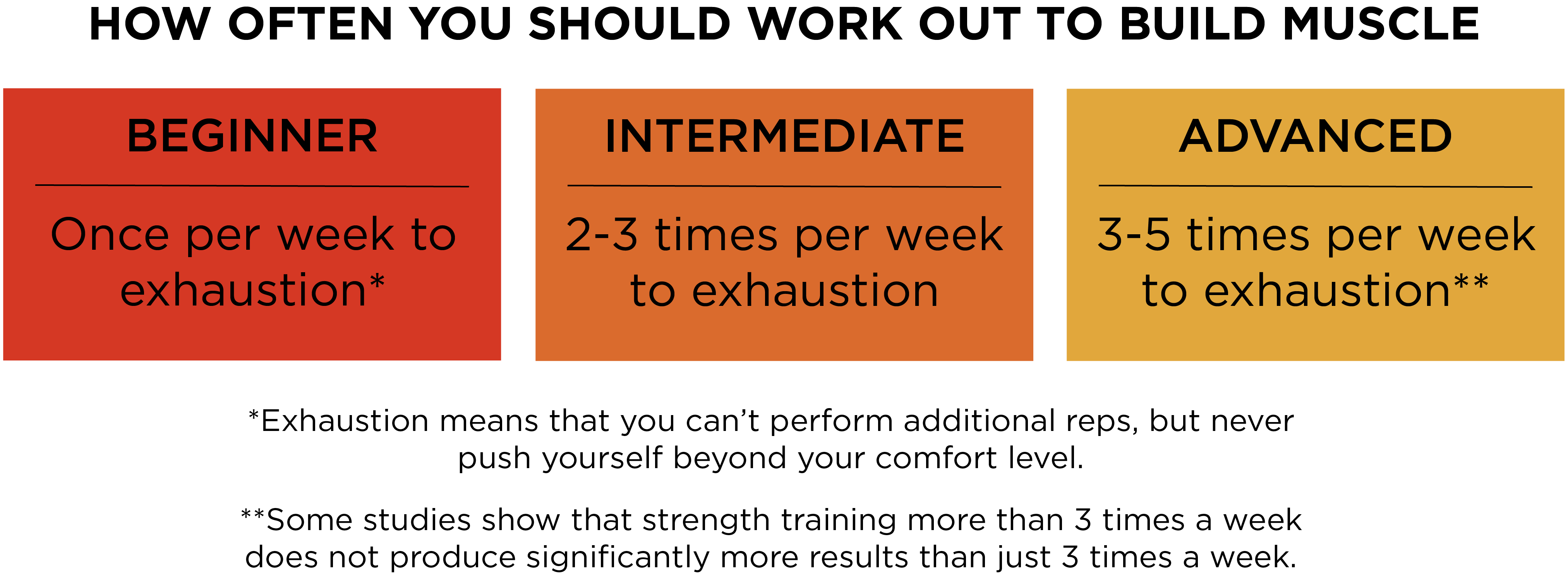
Image Source: www.chicagoathleticclubs.com
Decoding Your Ideal Gym Attendance
Figuring out how often to hit the gym is a common question for many embarking on a fitness journey. There’s no one-size-fits-all answer, as your optimal fitness frequency is deeply personal. It’s a blend of science, your body’s signals, and your lifestyle. Let’s dive into the factors that shape your perfect exercise routine and workout schedule.
Setting the Stage: Your Goals Dictate Your Moves
What do you want to achieve? Your aspirations are the compass guiding your gym attendance.
Muscle Gain (Hypertrophy)
If building muscle is your primary objective, you’ll need to give your muscles adequate time to repair and grow.
- Training Frequency: Aim for 3-5 days a week, focusing on hitting each major muscle group 2-3 times per week.
- Why this works: Muscle growth happens during rest, not during the workout itself. Over-training without sufficient recovery can hinder progress. Split routines (e.g., upper body/lower body, push/pull/legs) are effective here.
Fat Loss
For fat loss, a combination of strength training and cardiovascular exercise is key.
- Fitness Frequency: 4-6 days a week can be beneficial, but listen to your body.
- Why this works: Cardiovascular exercise burns calories directly, while strength training builds muscle, which boosts your resting metabolism. Including active recovery days (like walking or light stretching) is crucial to avoid burnout.
Improved Cardiovascular Health
If your main goal is to boost your heart health and endurance, cardio will be your focus.
- Exercise Frequency Guidelines: Aim for at least 150 minutes of moderate-intensity or 75 minutes of vigorous-intensity aerobic activity per week, spread across 3-5 days.
- Why this works: Regular cardio strengthens your heart and lungs, improving blood circulation and stamina.
General Fitness and Well-being
For those seeking a balanced approach to health and feeling good, a moderate frequency is usually best.
- How many days a week to work out: 3-4 days a week often strikes a great balance.
- Why this works: This frequency allows for consistent progress without risking overexertion, leaving room for other life activities and necessary rest.
Gauging Your Current Fitness Level
Your starting point dramatically influences how many days a week to work out.
Beginners (New to Exercise)
If you’re just starting out, your body needs time to adapt.
- Workout Regularity: Begin with 2-3 days per week.
- Focus: Learn proper form, build a base of strength, and gradually increase intensity and duration.
- Why this works: This approach prevents injury and makes exercise a sustainable habit, fostering exercise consistency.
Intermediate (Exercising Regularly for 6+ Months)
You’ve built a foundation and can handle more.
- Fitness Frequency: 3-5 days per week is often a sweet spot.
- Focus: You can introduce more complex exercises, higher intensity, and varied training methods.
- Why this works: This allows for continued adaptation and progress without excessive fatigue.
Advanced (Exercising Consistently for Years)
You’re experienced and likely have high fitness levels.
- Optimal Gym Frequency: 4-6 days per week, depending on your specific goals and recovery.
- Focus: Advanced lifters can handle higher training volumes, more intense workouts, and specialized training splits.
- Why this works: This level of commitment is necessary to push boundaries and continue making significant gains. However, listening to your body and incorporating deload weeks is paramount.
The Crucial Role of Recovery
Recovery isn’t just about resting; it’s when your body rebuilds and gets stronger. Ignoring recovery is a fast track to injury and plateaus.
Sleep: The Ultimate Restorer
- Importance: Aim for 7-9 hours of quality sleep per night.
- How it helps: Sleep is critical for muscle repair, hormone regulation (including growth hormone), and overall energy levels.
Nutrition: Fueling Your Body
- Protein: Essential for muscle repair and growth.
- Carbohydrates: Replenish energy stores.
- Healthy Fats: Support hormone production and cell function.
- Hydration: Crucial for all bodily processes, including recovery.
Active Recovery
Gentle movement on rest days can be highly beneficial.
- Examples: Light walking, cycling, swimming, yoga, stretching, foam rolling.
- Benefits: Improves blood flow, reduces muscle soreness, and can enhance flexibility.
Listening to Your Body: The Silent Guide
Your body will send you signals. Learning to interpret them is key to finding your optimal gym frequency.
Signs You Might Be Overtraining:
- Persistent fatigue, even after rest.
- Decreased performance in the gym.
- Increased irritability or mood swings.
- Sleep disturbances.
- Frequent minor illnesses (e.g., colds).
- Muscle soreness that doesn’t subside.
- Loss of appetite.
If you experience these, it’s time to scale back your exercise consistency and prioritize rest and recovery.
Putting It All Together: Crafting Your Workout Schedule
Let’s look at some sample workout schedules to illustrate fitness frequency in action. These are just examples, and you should adjust them to your needs.
Sample Schedule for Muscle Gain (3-Day Split)
- Day 1: Upper Body (Chest, Shoulders, Triceps)
- Day 2: Rest or Active Recovery
- Day 3: Lower Body (Quads, Hamstrings, Glutes, Calves)
- Day 4: Rest or Active Recovery
- Day 5: Upper Body (Back, Biceps, Forearms)
- Day 6: Rest or Active Recovery
- Day 7: Rest
Sample Schedule for Fat Loss (5-Day Mix)
- Day 1: Full Body Strength Training
- Day 2: High-Intensity Interval Training (HIIT) Cardio
- Day 3: Rest or Active Recovery (e.g., long walk)
- Day 4: Full Body Strength Training
- Day 5: Steady-State Cardio (e.g., jogging, cycling)
- Day 6: Active Recovery (e.g., yoga, stretching)
- Day 7: Rest
Sample Schedule for General Fitness (4-Day Routine)
- Day 1: Strength Training (Upper Body Focus)
- Day 2: Cardio (Moderate Intensity)
- Day 3: Rest
- Day 4: Strength Training (Lower Body Focus)
- Day 5: Cardio (Intervals or varied activity)
- Day 6: Rest or Active Recovery
- Day 7: Rest
Maximizing Your Gym Attendance: Tips for Success
- Consistency is Key: Even shorter, more frequent workouts are often better than infrequent marathon sessions. Aim for exercise consistency.
- Variety: Mix up your exercises and training styles to keep your body challenged and prevent boredom.
- Progressive Overload: Gradually increase the weight, reps, sets, or decrease rest times to continue making progress.
- Warm-up and Cool-down: Never skip these. They prepare your body for exercise and aid in recovery.
- Stay Hydrated: Drink water before, during, and after your workouts.
- Fuel Properly: Eat balanced meals to support your energy needs and recovery.
- Be Patient: Fitness is a journey, not a race. Celebrate small victories and stay committed.
Adjusting Your Frequency Over Time
Your ideal gym attendance may change as you progress.
- Plateau Busting: If you stop seeing results, sometimes changing your workout schedule or increasing training frequency (carefully) can help.
- Life Changes: Stress, illness, or significant life events might require you to temporarily reduce your fitness frequency. That’s okay. The goal is sustainable exercise consistency.
Frequently Asked Questions (FAQ)
Q1: Can I go to the gym every day?
While some advanced athletes might train daily, it’s generally not recommended for most people due to the risk of overtraining and insufficient recovery. Listen to your body and include rest days in your exercise routine.
Q2: Is it better to do longer workouts fewer times a week or shorter workouts more often?
For most goals, consistency and moderate-intensity sessions spread throughout the week (e.g., 3-5 times) are more effective than one or two very long, infrequent workouts. This promotes better exercise consistency.
Q3: What if I miss a gym day?
Don’t stress! Missing one or two sessions won’t derail your progress. Just get back on track with your next scheduled workout. The overall pattern of your gym attendance is what matters most.
Q4: How much rest do I need between gym days?
This depends on the intensity of your workouts and the muscle groups targeted. For full-body workouts, 1-2 rest days are usually needed. For split routines, you might only need to rest the specific muscle groups you trained the day before. Prioritize sleep and listen to your body’s recovery signals for your training frequency.
Q5: What is “active recovery”?
Active recovery involves light, low-impact activities on rest days, such as walking, cycling, swimming, or stretching. It helps improve blood flow to muscles, which can reduce soreness and speed up the recovery process, supporting your overall workout regularity.
By carefully considering your goals, current fitness level, and how your body responds, you can craft a workout schedule that promotes consistent progress and long-term success in your fitness journey. Remember, finding your fit is about creating a sustainable exercise routine that you can stick with.