
Opening a gym can be a rewarding venture, but it requires significant financial planning. The total cost to open a gym can range anywhere from $20,000 for a small, specialized studio to over $1 million for a large, full-service fitness center. This wide range depends heavily on location, size, equipment, and the specific services offered.
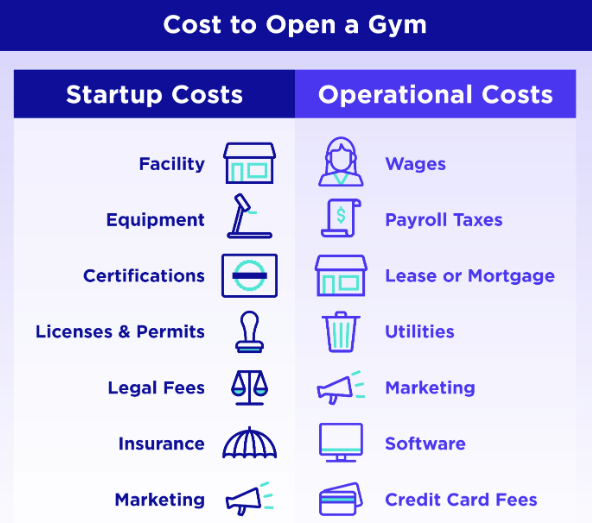
Image Source: wod.guru
Deciphering Your Gym Startup Costs: A Comprehensive Breakdown
Starting a fitness center involves a multitude of expenses, each contributing to the overall gym startup costs. It’s not just about buying treadmills; it’s a holistic investment in creating a functional and appealing space for your members.
Core Expenses: The Foundation of Your Fitness Center
These are the absolute necessities that form the backbone of any gym.
Gym Real Estate Cost: Finding Your Fitness Footing
The price of gym real estate cost is arguably one of the biggest variable expenses. Your choice of location will significantly impact your initial outlay and ongoing overhead.
- Leasing vs. Buying: Leasing is generally more accessible for startups, requiring a lower upfront investment. Buying offers long-term equity but demands substantial capital.
- Location Factors: High-traffic areas, accessibility, parking availability, and the general desirability of the neighborhood all influence rent or purchase prices. Urban centers or popular commercial districts will command higher prices than suburban or rural locations.
- Square Footage: The size of your gym directly correlates to rent or mortgage payments. A small yoga studio needs far less space than a large CrossFit box or a comprehensive health club.
Table 1: Estimated Real Estate Costs by Gym Type
| Gym Type | Estimated Monthly Rent (USD) | Estimated Purchase Price (USD) |
|---|---|---|
| Small Yoga/Pilates Studio | $1,500 – $5,000 | $150,000 – $500,000 |
| Boutique Fitness Studio (e.g., Spin, HIIT) | $3,000 – $10,000 | $300,000 – $1,000,000 |
| Mid-Size General Gym | $5,000 – $15,000 | $500,000 – $2,000,000 |
| Large Full-Service Health Club | $10,000 – $30,000+ | $1,000,000 – $5,000,000+ |
Commercial Gym Build-out Cost: Crafting Your Fitness Environment
Once you have a space, you need to transform it. The commercial gym build-out cost covers everything from basic renovations to specialized flooring and locker rooms.
- Layout and Design: Planning the flow of your gym is crucial for member experience and safety. This includes the placement of cardio, strength, and functional training areas.
- Renovations: Depending on the existing condition of the space, you might need to address plumbing, electrical, HVAC, lighting, and flooring.
- Specialty Flooring: Gym floors need to be durable and safe. Options include rubber flooring for weight areas, specialized mats for studios, and sprung floors for dance or gymnastics.
- Locker Rooms and Restrooms: These are essential amenities. Costs include construction, fixtures, and ongoing maintenance.
- Reception Area: A welcoming entry point is vital for first impressions.
Table 2: Estimated Build-Out Costs
| Build-Out Component | Estimated Cost (USD) | Notes |
|---|---|---|
| Flooring | $5 – $20 per sq ft | Varies by material (rubber, vinyl, specialized) and area (weight room vs. studio). |
| Painting and Wall Finishes | $2 – $10 per sq ft | Includes primer, paint, and any accent walls or treatments. |
| Lighting | $3,000 – $15,000 | Energy-efficient LED lighting is recommended. |
| HVAC System Upgrades | $5,000 – $25,000 | Ensuring proper ventilation and temperature control is vital for comfort and air quality. |
| Restroom/Locker Room Fit-out | $10,000 – $50,000 | Includes construction, tiling, lockers, showers, sinks, toilets, and mirrors. |
| Reception Desk & Area | $2,000 – $10,000 | Furniture, branding elements, and technology. |
| Soundproofing | $3,000 – $10,000 | Important for studios and areas where music or instruction is loud. |
| Total Build-out Estimate | $25,000 – $150,000+ | This is highly variable based on the scope of work and the size of the space. |
Gym Equipment Cost: The Heartbeat of Your Operation
The gym equipment cost is a significant portion of your initial investment. The type, quantity, and quality of equipment you choose will dictate your budget.
- Cardiovascular Equipment: Treadmills, ellipticals, stationary bikes, rowers. These are often the most expensive single items.
- Strength Training Equipment:
- Selectorized Machines: Pin-loaded machines that target specific muscle groups.
- Free Weights: Dumbbells, barbells, weight plates, kettlebells.
- Racks and Cages: Squat racks, power racks, multi-purpose racks.
- Functional Training Equipment: Resistance bands, medicine balls, battle ropes, plyometric boxes, TRX suspension trainers.
- Accessories: Mats, stability balls, foam rollers, weight vests.
- New vs. Used: Buying used equipment can significantly reduce upfront costs, but ensure it’s in good working condition. Leasing equipment is another option to manage cash flow.
Table 3: Estimated Gym Equipment Costs
| Equipment Category | Estimated Cost Range (USD) | Notes |
|---|---|---|
| Cardio Machines | ||
| Treadmills (each) | $2,000 – $8,000 | Commercial-grade machines are more durable and feature-rich. |
| Ellipticals (each) | $1,500 – $7,000 | |
| Stationary Bikes (each) | $1,000 – $5,000 | Includes spin bikes which can be pricier. |
| Rowers (each) | $800 – $3,000 | |
| Strength Equipment | ||
| Dumbbell Sets (pairs) | $500 – $3,000 | Cost depends on weight range and material (e.g., rubber-coated hex dumbbells). |
| Barbell & Weight Plates | $1,000 – $5,000 | A set of Olympic barbells and bumper plates for a small gym. |
| Weight Machines (each) | $1,500 – $6,000 | Selectorized machines are generally more expensive than plate-loaded. |
| Squat/Power Racks | $800 – $3,000 | Crucial for safe weightlifting. |
| Functional Training | ||
| Kettlebells (each) | $40 – $200 | Cost varies by weight. |
| Medicine Balls (each) | $30 – $150 | |
| Resistance Bands Set | $50 – $200 | |
| Accessories | ||
| Mats, Stability Balls | $500 – $2,000 | For stretching, core work, and general use. |
| Total Equipment Estimate | $15,000 – $150,000+ | This can easily be the largest single expenditure, depending on the scale and specialization of your gym. Consider leasing for some items. |
Essential Technology and Software
In today’s digital age, technology is key to running a smooth operation.
Gym Membership Software Cost: Streamlining Your Business
The gym membership software cost is an ongoing expense, but it’s vital for managing members, scheduling classes, processing payments, and marketing.
- Features: Look for software that handles member management, class booking, payment processing, reporting, and possibly POS integration.
- Pricing Models: Most software is subscription-based, often with a monthly fee that scales with the number of members or features used.
- Integration: Ensure the software integrates with your website, payment gateways, and potentially other business tools.
Table 4: Estimated Gym Membership Software Costs
| Software Type | Estimated Monthly Cost (USD) | Features |
|---|---|---|
| Basic Member Mgmt | $50 – $150 | Member profiles, basic check-in, simple reporting. |
| All-in-One Platform | $150 – $500+ | Member management, class booking, online payments, marketing tools, advanced reporting. |
| Enterprise Solutions | $500+ | Highly customizable, dedicated support, advanced integrations. |
Point of Sale (POS) System
- Purpose: For selling merchandise, supplements, or processing walk-in payments.
- Cost: Can range from $50-$300 per month for cloud-based systems, plus hardware costs if needed.
Audio/Visual Equipment
- Sound System: Essential for creating atmosphere. Cost: $500 – $5,000 depending on quality and size of the space.
- Televisions: For display screens or entertainment. Cost: $300 – $1,500 per TV.
Staffing Your Fitness Center
The people who power your gym are crucial.
Personal Trainer Salary Cost: Investing in Expertise
The personal trainer salary cost can be a significant operational expense, whether you employ them directly or work with independent contractors.
- Employment Models:
- Employees: You pay a salary or hourly wage, plus benefits and taxes.
- Independent Contractors: They rent space or pay a commission to train clients.
- Compensation: Rates vary based on experience, certifications, and location.
- Training Staff: Consider hiring front desk staff, cleaning crew, and potentially group fitness instructors.
Table 5: Estimated Personal Trainer Compensation (Monthly)
| Role | Estimated Monthly Cost (USD) | Notes |
|---|---|---|
| Personal Trainer (Employee) | $3,000 – $6,000+ | This can be a fixed salary or a base plus commission. Includes payroll taxes and potential benefits. |
| Personal Trainer (Contractor) | Varies (Commission/Rent) | Often a percentage of training fees (e.g., 50-70%) or a monthly space rental fee. |
| Front Desk Staff | $2,000 – $4,000 | For part-time or full-time coverage. |
| Group Fitness Instructors | $30 – $100 per class | Often paid per class taught. |
Management and Administrative Staff
Depending on your gym’s size, you might need a manager, administrative staff, or a sales team. Their salaries and benefits will add to your payroll.
Marketing and Branding Your Gym
Getting the word out is essential for attracting members.
Gym Marketing Budget: Building Your Member Base
A proactive gym marketing budget is crucial for generating leads and converting them into loyal members.
- Branding and Logo Design: Creates your gym’s identity. Cost: $500 – $3,000.
- Website Development: Your online storefront. Cost: $1,000 – $5,000+.
- Signage: Exterior and interior signage. Cost: $1,000 – $10,000.
- Digital Marketing:
- Social Media Marketing: Organic and paid campaigns.
- Search Engine Optimization (SEO): To improve search rankings.
- Pay-Per-Click (PPC) Advertising: Google Ads, social media ads.
- Traditional Marketing: Flyers, local newspaper ads, partnerships with local businesses.
- Grand Opening Promotions: Discounts and special offers to attract initial members.
Table 6: Estimated Initial Marketing Budget
| Marketing Activity | Estimated Cost (USD) | Notes |
|---|---|---|
| Branding & Logo Design | $500 – $3,000 | Professional design is recommended. |
| Website Development | $1,000 – $5,000 | Basic to moderately complex website with member portals. |
| Social Media Setup & Initial Ads | $500 – $2,000 | Creating profiles and running initial ad campaigns for awareness. |
| Local SEO & Directory Listings | $200 – $1,000 | Ensuring your gym appears in local search results. |
| Grand Opening Event/Promos | $1,000 – $5,000 | Advertising, special offers, potential refreshments. |
| Total Initial Marketing | $3,200 – $16,000+ | This is a starting point; ongoing marketing will be a significant operational cost. |
Legal and Administrative Fees: The Necessary Paperwork
Don’t forget the costs associated with making your gym official.
- Business Registration and Licenses: Vary by state and city.
- Legal Fees: For drafting contracts, waivers, and ensuring compliance.
- Permits: Building permits, health permits, etc.
- Insurance: This is non-negotiable.
Gym Insurance Cost: Protecting Your Investment
Gym insurance cost is a crucial operational expense that safeguards you against liability.
- General Liability Insurance: Covers accidents and injuries that occur on your premises.
- Professional Liability Insurance: Protects against claims of negligence or errors in services provided (e.g., by personal trainers).
- Property Insurance: Covers your building and equipment against damage or theft.
- Workers’ Compensation Insurance: If you have employees.
Table 7: Estimated Annual Gym Insurance Costs
| Insurance Type | Estimated Annual Cost (USD) | Notes |
|---|---|---|
| General Liability | $500 – $3,000 | Varies significantly based on the size of your gym, number of members, and services offered. |
| Professional Liability (E&O) | $500 – $2,000 | Crucial for gyms offering personal training or specialized classes. |
| Property Insurance | $1,000 – $5,000+ | Based on the value of your equipment and the building. |
| Workers’ Compensation | Varies (based on payroll) | Mandatory if you have employees. Calculated as a percentage of payroll. |
| Total Annual Insurance | $2,000 – $10,000+ | It’s essential to get quotes from multiple providers to find the best coverage for your specific needs. |
Other Startup Expenses: The Miscellaneous Necessities
- Initial Inventory: If you plan to sell supplements, apparel, or drinks.
- Utilities Deposits: Electricity, water, gas.
- Cleaning Supplies and Services: Maintaining a clean environment is paramount.
- Office Supplies: For administrative tasks.
- Initial Training and Certification: For yourself and any early staff.
Estimating Total Gym Startup Costs: Putting It All Together
The total cost to open a gym is a sum of all these individual components. It’s wise to create a detailed spreadsheet and get quotes for each item.
Table 8: Sample Startup Budget for a Mid-Size Gym
| Category | Estimated Low (USD) | Estimated High (USD) |
|---|---|---|
| Real Estate | ||
| Security Deposit/First Month Rent | $5,000 | $20,000 |
| Leasehold Improvements/Build-out | $25,000 | $150,000 |
| Equipment | ||
| Cardio Equipment | $20,000 | $100,000 |
| Strength Equipment | $25,000 | $120,000 |
| Functional Training Gear | $5,000 | $20,000 |
| Technology & Software | ||
| Membership Software (Annual) | $1,800 | $6,000 |
| POS System (Annual) | $600 | $3,600 |
| AV Equipment | $1,000 | $5,000 |
| Marketing & Branding | ||
| Initial Marketing Budget | $3,200 | $16,000 |
| Signage | $1,000 | $10,000 |
| Legal & Administrative | ||
| Business Registration/Licenses | $500 | $2,000 |
| Legal Fees | $1,000 | $5,000 |
| Insurance (Annual) | $2,000 | $10,000 |
| Working Capital (3-6 months) | $30,000 | $100,000 |
| Miscellaneous | $2,000 | $10,000 |
| TOTAL ESTIMATED STARTUP COST | $123,100 | $577,600+ |
Note: This is a sample. Your actual costs will vary. Working capital is crucial to cover operational expenses before your gym becomes profitable.
Comprehending Gym Operational Expenses: Keeping the Doors Open
Beyond the initial startup phase, you’ll face ongoing gym operational expenses. These are the costs of running the business day-to-day.
Fixed Costs: Consistent Monthly Outlays
- Rent/Mortgage: The largest fixed cost.
- Salaries and Wages: For staff.
- Loan Repayments: If you financed your startup.
- Insurance Premiums: Paid monthly or annually.
- Software Subscriptions: Membership software, accounting software.
- Utilities: Electricity, water, gas, internet.
Variable Costs: Costs That Fluctuate
- Marketing and Advertising: Ongoing campaigns.
- Cleaning and Maintenance: Supplies and services.
- Equipment Maintenance and Repairs: Keeping machines in working order.
- Inventory Purchases: For retail sales.
- Payroll Taxes: Tied to employee wages.
- Credit Card Processing Fees: For member payments.
Table 9: Estimated Monthly Operational Expenses for a Mid-Size Gym
| Expense Category | Estimated Monthly Cost (USD) | Notes |
|---|---|---|
| Rent/Mortgage | $5,000 – $15,000 | Highly location dependent. |
| Staff Salaries & Wages | $15,000 – $30,000 | Depends on staffing levels, roles, and pay rates. |
| Utilities (Elec, Water, Gas, Internet) | $1,000 – $5,000 | Varies with usage and facility size. |
| Marketing & Advertising | $1,000 – $5,000 | Ongoing efforts to attract and retain members. |
| Software Subscriptions | $150 – $500 | Membership management, accounting, etc. |
| Cleaning & Maintenance | $500 – $2,000 | Includes supplies and potential outsourced cleaning services. |
| Equipment Maintenance | $200 – $1,000 | Budget for routine checks and minor repairs. |
| Insurance (Annualized) | $200 – $1,000 | Pro-rated monthly cost. |
| Payroll Taxes | Varies | A percentage of gross wages. |
| Total Estimated Monthly Ops | $23,050 – $60,500+ | This is a baseline. Actual costs will depend heavily on your gym’s size, services, and operational efficiency. |
Factors Influencing Your Gym’s Financial Needs
Several key elements will dictate the total cost of opening your gym.
1. Gym Type and Specialization
- General Fitness Gym: Requires a broad range of equipment, potentially higher build-out costs for diverse areas.
- Boutique Studio (e.g., Yoga, Spin, CrossFit): May need specialized, high-cost equipment for their niche but might require less overall space and fewer equipment types.
- 24/7 Access Gym: Requires robust security systems and potentially more robust equipment if it’s a high-volume facility.
2. Location, Location, Location
As highlighted earlier, prime real estate in high-demand areas will significantly increase your initial investment.
3. Equipment Quality and Quantity
Brand-new, top-of-the-line equipment is expensive. Used or leased equipment can lower upfront costs but may have higher long-term expenses or depreciation concerns.
4. Staffing Levels and Compensation
A larger staff or higher-paid employees will increase your payroll expenses significantly.
5. Marketing Strategy
An aggressive marketing campaign, especially in the early stages, will require a dedicated budget.
6. Build-Out Complexity
The more customized and elaborate your gym’s interior design, the higher the build-out costs.
Saving Money When Opening Your Gym
- Start Small: Consider a niche studio before expanding to a full-service gym.
- Buy Used Equipment: Carefully inspect and refurbish if necessary.
- Lease Equipment: Reduce large upfront capital expenditures.
- Negotiate Leases: Aim for favorable terms with landlords.
- DIY Where Possible: For non-critical build-out tasks or decor.
- Focus on Core Services: Don’t overspend on amenities you don’t immediately need.
- Leverage Technology: Utilize free or low-cost online tools for marketing and management initially.
Frequently Asked Questions (FAQ)
Q1: Can I open a gym with very little money?
A1: While challenging, it might be possible to open a very small, specialized studio (like a personal training studio out of a rented space or even a home gym if zoning allows) with a budget of $10,000-$30,000 by using minimal equipment, a strong online presence, and focusing on one-on-one training. However, for a traditional gym model, this is highly unlikely.
Q2: What is the most expensive part of opening a gym?
A2: Typically, the most expensive components are the gym equipment cost and the gym real estate cost, followed by the commercial gym build-out cost.
Q3: How much working capital do I need?
A3: It’s recommended to have enough working capital to cover at least 3-6 months of gym operational expenses without any revenue. This buffer is critical for weathering the initial slow periods and unexpected costs.
Q4: How long does it take to break even on a gym?
A4: This varies greatly depending on your startup costs, membership growth, and operational efficiency. Many gyms take anywhere from 1 to 3 years to break even and start turning a profit.
Q5: Is a gym a profitable business?
A5: Yes, gyms can be very profitable if managed effectively. Success hinges on strong membership sales, high retention rates, efficient operations, and a clear understanding of your target market.
Opening a gym is a significant financial undertaking, but with thorough research, meticulous planning, and a solid business strategy, you can build a successful fitness business. Remember to always get professional advice and create a detailed budget that accounts for every potential cost.