
So, how much does a home gym cost? The home gym cost can vary wildly, from a few hundred dollars for a basic setup to tens of thousands for a fully equipped, professional-grade space. Factors like the type of workouts you want to do, the quality of home gym equipment cost, and whether you’re starting from scratch or adding to an existing collection will all play a role in the final home gym price range.
Building your own fitness sanctuary at home offers unparalleled convenience and privacy. No more waiting for machines, dealing with crowds, or adhering to gym hours. But before you start envisioning your personal fitness palace, it’s crucial to get a handle on the financial commitment. This guide will break down the cost of home gym equipment, offer insights into setting up a budget home gym setup, and help you decipher the overall building a home gym cost. We’ll explore home gym setup expenses, the cost to equip a home gym, potential home gym installation cost, and even discuss home gym financing options.
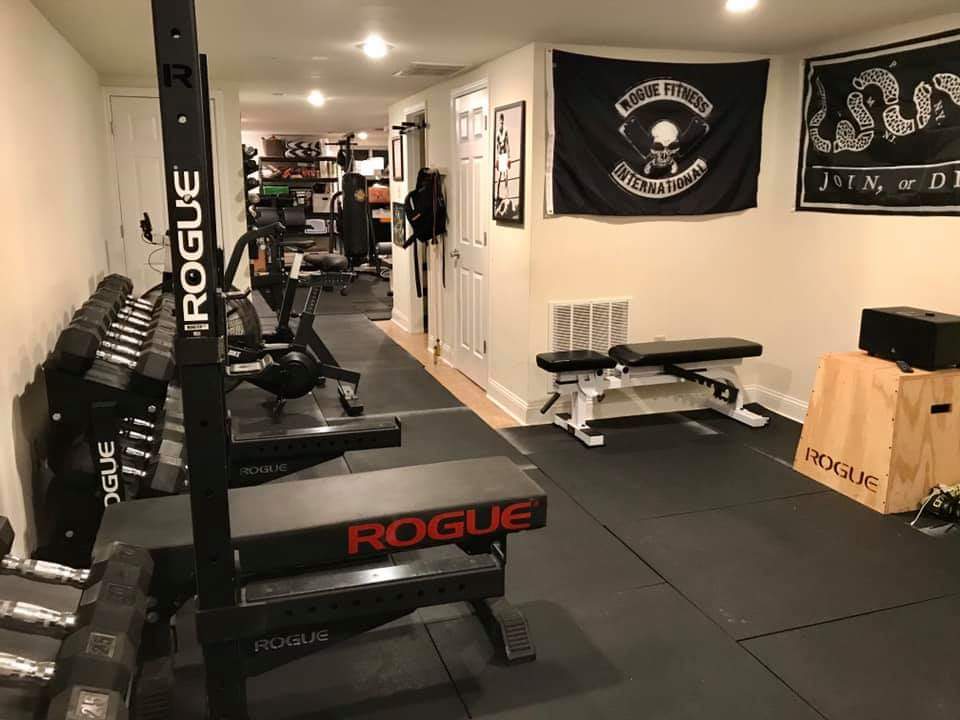
Image Source: www.garagegymreviews.com
Deciphering the Average Home Gym Cost
The average home gym cost is difficult to pinpoint precisely because the possibilities are endless. However, we can establish some general ranges to help you plan.
Entry-Level Home Gyms (Under $1,000)
For those on a tight budget or just starting their home fitness journey, an entry-level setup is achievable. This typically includes essential pieces that can provide a solid full-body workout.
- Resistance Bands: These are incredibly versatile and affordable, costing anywhere from $20 to $100 for a comprehensive set.
- Dumbbells: A set of adjustable dumbbells can save space and money compared to buying individual weights. Expect to spend $100 to $300 for a decent set that goes up to 50 lbs.
- Kettlebells: A few kettlebells can offer a wide range of exercises. A single 20-30 lb kettlebell might cost $30-$60, with a set costing $150-$400.
- Jump Rope: A simple yet effective cardio tool, costing $10-$30.
- Yoga Mat: Essential for floor exercises and comfort, costing $20-$50.
- Pull-Up Bar (Doorway): A great addition for upper body strength, costing $30-$80.
With careful selection, you could get a functional home gym for under $500. This setup focuses on bodyweight exercises and lighter resistance, perfect for beginners or those who prioritize simplicity.
Mid-Range Home Gyms ($1,000 – $5,000)
This range allows for more specialized equipment and higher quality. You can start investing in larger, more robust pieces.
- Power Rack or Squat Stand: Crucial for safe barbell training. A squat stand might start around $200-$500, while a full power rack can range from $400-$1,500+.
- Barbell and Weight Plates: A good Olympic barbell can cost $200-$500. A set of weight plates (bumper plates or iron plates) can add another $300-$1,000+ depending on the total weight.
- Adjustable Bench: Essential for bench presses, dumbbell rows, and many other exercises. Expect to spend $150-$500 for a sturdy, adjustable bench.
- Cardio Machine: Options like a quality exercise bike ($300-$1,000), treadmill ($800-$2,000), or rower ($500-$1,500) can be added here.
- Kettlebells and Dumbbells: Expanding your weight selection, perhaps including heavier adjustable dumbbells or a more extensive range of kettlebells.
The home gym setup expenses in this bracket start to reflect the investment in core strength training equipment.
High-End Home Gyms ($5,000+)
This is where you can build a truly comprehensive and professional-grade home gym.
- Full Power Rack with Attachments: Lat pulldown attachments, dip stations, and other modular pieces can add significant functionality and cost ($1,000 – $3,000+).
- Specialty Barbells and Plates: Olympic lifting sets, specialty barbells (like a safety squat bar), and a wider variety of weight plates can quickly increase the cost to equip a home gym.
- Selectorized Machines: Machines where you adjust the weight with a pin (like cable crossover machines or multi-gyms) offer convenience but come at a higher price point ($1,000 – $5,000+ per machine).
- Premium Cardio Equipment: High-end treadmills, ellipticals, or ski ergs can cost $2,000 – $5,000+.
- Flooring: Rubber gym flooring is essential for protecting your home and equipment. This can cost $1-$5 per square foot, so a 10×10 area would be $100-$500.
- Accessories: Dip belts, plyo boxes, medicine balls, stability balls, etc., add up.
For a fully loaded home gym that rivals a commercial gym, the building a home gym cost can easily reach $10,000 to $30,000 or more.
Key Factors Influencing Home Gym Equipment Cost
Several elements directly impact how much your home gym will ultimately cost:
1. Type of Workouts You Prefer
The equipment you need is dictated by your fitness goals.
- Strength Training: This often requires a barbell, weight plates, a power rack or squat stand, and an adjustable bench. These are generally the more expensive foundational pieces.
- Cardiovascular Fitness: If your focus is cardio, you’ll be looking at treadmills, exercise bikes, rowers, or ellipticals. The home gym price range for cardio equipment can be substantial.
- Bodyweight and Functional Fitness: This can be achieved with minimal equipment like resistance bands, kettlebells, and a pull-up bar, making it a more budget-friendly option.
- Hybrid Training: If you do a mix of everything, your home gym setup expenses will reflect the diverse equipment needed.
2. Quality and Durability of Equipment
Just like any purchase, you get what you pay for.
- Budget-Friendly: Often made with lighter materials, less durable finishes, and may have a shorter lifespan. Good for casual use but might not withstand intense, daily workouts.
- Mid-Range: Offers a good balance of quality, durability, and price. Uses sturdier steel, better padding, and smoother mechanisms. Suitable for most home users.
- Premium/Commercial Grade: Built with heavy-duty materials, superior welds, and designed for rigorous, continuous use. These pieces will last a lifetime but come with a significant cost to equip a home gym.
When considering the cost of home gym equipment, think about it as an investment in your health. Buying cheaper equipment that breaks quickly can be more expensive in the long run.
3. New vs. Used Equipment
Buying used can significantly reduce your home gym cost.
- Pros of Used:
- Lower home gym price range.
- Often high-quality commercial-grade equipment at a fraction of the original price.
- Environmentally friendly.
- Cons of Used:
- May show wear and tear.
- No warranty.
- Requires careful inspection to ensure functionality and safety.
- Availability can be unpredictable.
Platforms like Craigslist, Facebook Marketplace, local sporting goods stores that sell used equipment, and dedicated fitness equipment resale websites are great places to look for used bargains.
4. Brand Reputation and Features
Established brands often command higher prices due to their reputation for quality and customer service. Additionally, features like integrated screens, pre-programmed workouts on cardio machines, or specialized attachments for racks will increase the overall building a home gym cost.
5. Space Availability and Layout
The size of the space you have dedicated to your home gym will influence the types and quantity of equipment you can purchase.
- Small Spaces: Might necessitate compact, multi-functional equipment like adjustable dumbbells, fold-away benches, or wall-mounted racks. This can sometimes lead to a higher home gym cost per square foot if you’re buying specialized space-saving items.
- Larger Spaces: Allow for more equipment, including larger cardio machines, more weight options, and dedicated zones for different types of training.
Consider the home gym installation cost as well; some larger pieces, like multi-gyms, may require professional assembly.
Creating a Budget Home Gym Setup
Even with a limited budget, a functional and effective home gym is possible. Here’s how to approach it:
Prioritize Core Equipment
Focus on the pieces that offer the most versatility and allow for a wide range of exercises.
- Resistance Bands: Inexpensive and highly versatile.
- Adjustable Dumbbells: A space-saving and cost-effective way to access a variety of weights.
- Pull-Up Bar: Excellent for back and bicep development.
- Yoga Mat: For comfort and stability during floor exercises.
With these items, you can perform hundreds of exercises for strength, conditioning, and flexibility. This core setup might cost $200 – $500.
Buy Smart and Look for Deals
- Sales and Promotions: Keep an eye out for holiday sales (Black Friday, Memorial Day, etc.) when fitness equipment retailers often offer discounts.
- Used Equipment: As mentioned, this is a fantastic way to stretch your budget.
- DIY Options: Some basic equipment, like a plyo box, can be built yourself with a bit of woodworking skill, saving on home gym setup expenses.
Start Small and Grow
You don’t need to buy everything at once. Begin with the essentials and gradually add pieces as your budget allows and your training progresses. This phased approach makes the building a home gym cost much more manageable.
Essential Home Gym Equipment Breakdown and Home Gym Price Range
Let’s dive deeper into the typical cost of common home gym items:
| Equipment Type | Estimated Cost (New) | Estimated Cost (Used) | Notes |
|---|---|---|---|
| Dumbbells | $1.00 – $3.00/lb | $0.50 – $1.50/lb | Adjustable dumbbells offer better value for variable weight needs. |
| Kettlebells | $1.50 – $3.00/lb | $1.00 – $2.00/lb | Good for explosive movements and conditioning. |
| Barbell (Olympic) | $200 – $500 | $100 – $300 | Look for a 20kg/45lb bar with good knurling and spin. |
| Weight Plates | $1.00 – $2.50/lb | $0.50 – $1.50/lb | Bumper plates are ideal for Olympic lifting and dropping weights. |
| Power Rack/Squat Stand | $200 – $1,500+ | $100 – $800+ | Power racks offer more safety and versatility than squat stands. Consider rackable width for your space. |
| Adjustable Bench | $150 – $500 | $75 – $250 | Ensure it’s stable and has multiple incline/decline settings. |
| Resistance Bands | $20 – $100 (set) | $10 – $50 (set) | Great for warm-ups, accessory work, and adding resistance to bodyweight exercises. |
| Pull-Up Bar | $30 – $80 | $15 – $40 | Doorway, wall-mounted, or free-standing options are available. |
| Cardio Machine | $300 – $5,000+ | $150 – $2,500+ | Treadmills, bikes, rowers, ellipticals. Prices vary greatly with features and quality. |
| Gym Flooring | $1 – $5/sq ft | $0.50 – $2.50/sq ft | Protects your floor and equipment, reduces noise. |
This table provides a clearer picture of the home gym equipment cost. Remember these are estimates, and sales, brands, and specific features will cause variations.
Home Gym Installation Cost and Other Considerations
Beyond the price of the equipment itself, there are other potential costs to factor in:
Assembly
- DIY Assembly: Most basic equipment can be assembled yourself with basic tools. This adds no extra cost but requires time and effort.
- Professional Assembly: For larger, more complex pieces like multi-gyms or intricate power racks, you might opt for professional assembly. This can add $50 – $300 per item, depending on complexity and location. This falls under home gym installation cost.
Delivery
- Free Shipping: Many online retailers offer free shipping for larger items, but this isn’t always the case.
- Freight Shipping: Heavier items often require freight shipping, which can cost anywhere from $50 to $300+, especially for large or multiple pieces. Factor this into your overall home gym setup expenses.
Maintenance and Accessories
- Maintenance: While most equipment requires minimal maintenance, you might need lubricant for bars or machines, replacement parts, or cleaning supplies.
- Accessories: Dumbbell racks, weight plate trees, dip belts, collars for barbells, and other accessories can add to the cost to equip a home gym, often ranging from $20 to $200+ per item.
Flooring
As mentioned earlier, dedicated gym flooring (rubber mats, interlocking tiles) is highly recommended. This adds to the building a home gym cost but protects your existing flooring and equipment and helps with sound dampening. Expect to spend $100-$500 for a decent-sized area.
Home Gym Financing Options
If the upfront cost of your dream home gym feels overwhelming, consider these home gym financing options:
- Personal Savings: The most straightforward approach is to save up the required amount before purchasing. This avoids interest and debt.
- Credit Cards: For smaller purchases or when taking advantage of 0% introductory APR offers, credit cards can be a viable option. Be sure to pay off the balance before interest accrues.
- Personal Loans: Many banks and credit unions offer personal loans that can be used for larger purchases like home gym equipment. Interest rates will vary based on your creditworthiness.
- Buy Now, Pay Later (BNPL) Services: Services like Affirm, Klarna, or Afterpay are increasingly offered by retailers. These allow you to spread payments over several months, often with 0% interest if paid on time.
- Financing Through Retailers: Some fitness equipment retailers may offer their own financing plans or work with third-party lenders.
- Home Equity Loans or Lines of Credit (HELOC): If you own a home, you might consider using your home equity for a larger investment. However, this carries the risk of leveraging your home.
When exploring home gym financing options, always compare interest rates and terms carefully to ensure you’re making a financially sound decision.
Frequently Asked Questions (FAQ)
Q1: What is the minimum cost for a functional home gym?
A: You can set up a basic, functional home gym for as little as $200-$500 by focusing on resistance bands, a pull-up bar, a yoga mat, and perhaps a set of adjustable dumbbells.
Q2: Can I build a home gym for under $1000?
A: Yes, absolutely. For under $1000, you can acquire essential strength training equipment like a squat stand, barbell, a few weight plates, and an adjustable bench, along with some cardio tools like a jump rope.
Q3: What is the most expensive piece of home gym equipment?
A: High-end commercial-grade cardio machines like treadmills or ellipticals, or complex multi-gyms with selectorized weight stacks, tend to be the most expensive single pieces of equipment, often costing several thousand dollars.
Q4: How much should I budget for home gym flooring?
A: Budget around $1-$5 per square foot for decent quality rubber gym flooring. For a 10×10 foot space, this would be $100-$500.
Q5: Is it cheaper to buy home gym equipment in sets or individually?
A: Often, buying equipment in sets (like weight plates or dumbbells) can be more cost-effective than purchasing each item individually. However, compare prices carefully.
Q6: How long does home gym equipment typically last?
A: This varies greatly by quality. Budget equipment might last 1-3 years with regular use, mid-range equipment 5-10 years, and commercial-grade equipment can last 10-20+ years or even a lifetime with proper care.
Building a home gym is a rewarding endeavor that can significantly enhance your fitness journey. By carefully considering your goals, budget, and the various home gym setup expenses, you can create a personalized fitness space that serves you well for years to come. Whether you’re aiming for a budget home gym setup or a fully equipped elite facility, planning is key to a successful and cost-effective build.