
So, how much will it cost to start a gym? The total investment can range anywhere from $50,000 for a small, niche studio to over $1 million for a large, full-service commercial gym. This wide range is due to many factors, including location, size, type of gym, and the quality of equipment.
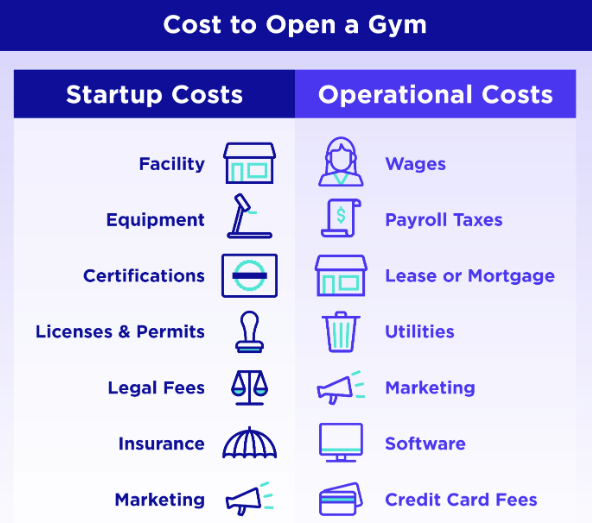
Image Source: wod.guru
Deciphering Your Fitness Business Investment
Starting a gym is an exciting venture, but it requires careful financial planning. The initial outlay can seem daunting, but breaking it down into key components makes it manageable. This guide will help you understand the various gym startup costs and how to budget for them.
The Big Picture: What Your Money Buys
Your investment will cover everything from securing a physical space to equipping it and marketing your business. Think of it as building a brand new fitness home for your community.
Location, Location, Location: The Real Estate Factor
One of the biggest variables in your gym startup costs is the cost of real estate.
Commercial Gym Setup Cost
For a larger commercial gym setup cost, you’ll need to consider leasing or buying a significant amount of space. Rent in prime locations can be high, and a down payment for purchasing property is a substantial upfront expense.
- Leasehold Improvements: Even if you lease, you’ll likely need to make changes to suit your gym’s needs. This includes gym build-out expenses.
- Purchasing Property: Buying outright eliminates rent but requires a much larger initial capital.
Fitness Studio Startup Budget
A fitness studio startup budget might be slightly lower if you opt for a smaller, more specialized space, like a yoga studio or a boutique cycling studio.
Gym Renovation Costs
If you find a space that needs work, factor in gym renovation costs. This can include:
- Demolition of existing structures.
- Building new walls and partitions.
- Installing flooring (rubber, wood, turf).
- Painting and decorating.
- Upgrading electrical and plumbing systems.
- Creating changing rooms and restrooms.
- Installing HVAC systems.
Furnishing Your Fitness Fortress: Gym Equipment Prices
The heart of any gym is its equipment. Gym equipment prices vary wildly based on brand, new vs. used, and type.
Cardio Equipment
- Treadmills: New commercial treadmills can cost between $2,000 and $7,000 each.
- Ellipticals: Similar to treadmills, expect $1,500 to $6,000 per unit.
- Stationary Bikes: Upright bikes start around $500, while high-end spin bikes can be $1,500-$3,000.
- Rowing Machines: These typically range from $800 to $2,000.
Strength Training Equipment
- Weight Racks and Cages: A good quality power rack can cost $500-$1,500.
- Barbells and Weight Plates: A set of Olympic barbells and plates can add $500-$1,000.
- Dumbbells and Kettlebells: A full set of dumbbells can be a significant investment, ranging from $1,000 to $5,000 or more, depending on the weight range and quality. Kettlebells are more affordable, typically $1-$2 per pound.
- Weight Machines: Selectorized machines (e.g., leg press, chest press) can cost $2,000-$5,000 each. Plate-loaded machines are often a bit cheaper.
- Functional Training Equipment: TRX straps, resistance bands, battle ropes, medicine balls, etc., are relatively inexpensive, costing a few hundred dollars for a good selection.
Free Weights and Accessories
- Rubber Flooring: Essential for protecting your floor and equipment. Budget around $3-$7 per square foot.
- Mirrors: Large gym mirrors can cost $500-$2,000 depending on size and installation.
- Sound System: A decent sound system for motivation is around $300-$1,000.
Leasing vs. Buying Equipment
Consider leasing equipment to reduce upfront costs. This can be a good option for startups, allowing you to upgrade as your business grows. However, over the long term, buying is usually more cost-effective.
Crafting Your Brand: Design and Aesthetics
The look and feel of your gym are crucial for attracting and retaining members.
Gym Build-Out Expenses
This category encompasses all the structural and aesthetic changes to your space.
- Layout and Design: Hiring an interior designer or architect can cost $2,000-$10,000, depending on the complexity.
- Flooring: As mentioned, this is a significant cost.
- Lighting: Good lighting can transform a space. Budget $1,000-$5,000.
- Paint and Wall Coverings: Basic painting might be $500-$2,000, while more specialized finishes can increase costs.
- Signage: Both interior and exterior signage are important for branding. This can range from $500 to $5,000+.
Gym Renovation Costs – Making it Yours
These costs overlap with build-out but focus more on upgrading existing features.
- Updating Restrooms and Changing Rooms: New fixtures, lockers, and tiling can add up.
- Creating Specialty Areas: If you plan for areas like a smoothie bar, stretching zone, or recovery room, these will have their own build-out costs.
The Human Element: Staffing and Operations
Beyond the physical space and equipment, you’ll need people and systems to run your gym.
Staffing Costs
- Salaries and Wages: This includes trainers, receptionists, managers, and cleaning staff. Factor in hourly wages or salaries, plus payroll taxes and benefits.
- Trainer Certifications and Training: Ensuring your trainers are qualified and up-to-date is essential.
Operational Software
- Membership Management Software: Essential for tracking members, billing, and scheduling. Costs can range from $50-$300 per month.
- Website and Online Presence: A professional website and online booking system are vital.
Legal and Administrative Foundations
Before you open your doors, you need to cover the legal and administrative bases.
Business Licenses and Permits
- Local and State Licenses: These vary by location and can cost anywhere from $100 to $1,000+.
- Health and Safety Permits: Ensuring your facility meets health standards.
Insurance
- General Liability Insurance: Protects against accidents and injuries.
- Professional Liability Insurance: For your trainers.
- Property Insurance: Covers your building and equipment.
- Workers’ Compensation Insurance: If you have employees.
- Total Insurance Costs: Can range from $1,000-$5,000+ annually.
Legal Fees
- Business Formation: Setting up your LLC or corporation.
- Lease Review: Having a lawyer review your lease agreement.
- Contract Drafting: For trainers and members.
- Estimated Legal Fees: $1,000-$5,000.
Marketing and Member Acquisition
You can have the best gym in the world, but if no one knows about it, it won’t succeed.
Pre-Opening Marketing
- Website Development: $500-$5,000.
- Social Media Marketing: $300-$2,000 per month.
- Local Advertising: Flyers, print ads, local partnerships.
- Grand Opening Event: $500-$3,000.
Ongoing Marketing
- Digital Advertising: Google Ads, social media ads.
- Email Marketing: Building an email list and sending out newsletters.
- Promotions and Discounts: Offering introductory deals.
Gym Membership Pricing Strategies
Setting the right gym membership pricing is critical. It needs to be competitive, profitable, and reflect the value you offer.
Membership Tiers
- Basic Access: Access to cardio and strength equipment only.
- Premium Access: Includes group fitness classes, personal training discounts, or pool access.
- Drop-in Rates: For non-members or occasional visitors.
- Class Packs: For boutique studios.
Factors Influencing Pricing
- Location: Gyms in high-cost-of-living areas can charge more.
- Amenities: Pools, saunas, juice bars, and childcare can justify higher prices.
- Competition: What are other gyms in your area charging?
- Target Market: Are you catering to budget-conscious students or a luxury clientele?
Example Membership Pricing Structures
| Membership Type | Monthly Fee | Annual Fee (Paid Upfront) | Included Amenities |
|---|---|---|---|
| Basic | $49 | $499 | Cardio & Strength Equipment |
| Unlimited Classes | $79 | $799 | Basic + All Group Fitness Classes |
| Premium | $99 | $999 | Unlimited Classes + 2 Personal Training Sessions/Month |
| Student/Senior Discount | $39 | $399 | Basic (with valid ID) |
| Drop-in Class | – | – | Single Class Access |
| Personal Training (10pk) | – | $750 | 10 x 1-hour Personal Training Sessions |
The Franchise Route: Gym Franchise Costs
Opting for a gym franchise costs can significantly streamline the startup process but comes with its own set of expenses.
Franchise Fees
- Initial Franchise Fee: This is a one-time payment to the franchisor for the right to use their brand, business model, and support. These fees can range from $20,000 to $100,000+.
Royalties and Advertising Fees
- Ongoing Royalties: A percentage of your gross revenue paid to the franchisor (typically 5-10%).
- Advertising Fees: A smaller percentage that goes into a collective marketing fund for the brand.
Other Franchise-Specific Costs
- Training Programs: Franchisors usually provide extensive training, which is often included in the franchise fee or an additional cost.
- Required Equipment and Supplies: Franchises may mandate specific equipment suppliers or branded merchandise.
Pros and Cons of Franchising
- Pros: Established brand recognition, proven business model, operational support, marketing assistance, group purchasing power.
- Cons: Less autonomy, ongoing fees, strict adherence to franchisor guidelines, potential for limited territory.
Personal Training Studio Startup Cost
Starting a personal training studio startup cost is generally lower than a full-scale gym.
Key Differences
- Smaller Space: Often requires only 500-1,500 sq ft.
- Specialized Equipment: Focus on free weights, resistance bands, suspension trainers, and perhaps a few cardio machines.
- Fewer Staff: You might be the primary trainer, perhaps with one or two additional trainers.
- Client-Focused: Marketing often targets individuals seeking one-on-one attention.
Estimated Personal Training Studio Costs
- Rent/Lease: $1,000 – $5,000 per month (depending on location and size).
- Equipment: $5,000 – $25,000.
- Build-out/Renovations: $5,000 – $20,000.
- Licenses & Insurance: $1,000 – $3,000 annually.
- Marketing: $500 – $2,000 initially.
- Software: $50 – $150 per month.
Gym Operating Expenses: Keeping the Doors Open
Once your gym is up and running, you’ll have ongoing gym operating expenses.
Monthly Expenses
- Rent/Mortgage: Your largest fixed cost.
- Utilities: Electricity, water, gas, internet.
- Staff Salaries and Wages: Including payroll taxes.
- Marketing and Advertising: To attract and retain members.
- Software Subscriptions: Membership management, accounting, scheduling.
- Insurance Premiums: Paid monthly or annually.
- Cleaning and Maintenance: Janitorial services, equipment upkeep.
- Supplies: Towels, cleaning products, toiletries for restrooms.
- Loan Payments: If you financed your startup.
- Credit Card Processing Fees: For membership payments.
Creating Your Gym Startup Budget: A Sample Breakdown
Here’s a hypothetical breakdown for a mid-sized commercial gym. These are estimates and can vary significantly.
| Expense Category | Estimated Cost Range | Notes |
|---|---|---|
| Real Estate | ||
| Security Deposit (Lease) | $5,000 – $20,000 | 1-3 months’ rent. |
| First Month’s Rent | $2,500 – $10,000 | |
| Gym Build-Out & Renovations | ||
| Flooring | $10,000 – $50,000 | Rubber, turf, wood, vinyl. Depends on area size. |
| Walls, Painting, Lighting | $5,000 – $25,000 | Includes basic construction and aesthetic touches. |
| Restrooms & Locker Rooms | $5,000 – $20,000 | Fixtures, lockers, tiling. |
| HVAC & Electrical Upgrades | $5,000 – $15,000 | Essential for comfort and safety. |
| Gym Equipment Prices | ||
| Cardio Equipment | $20,000 – $100,000 | 5-10 treadmills, ellipticals, bikes. |
| Strength Equipment | $25,000 – $150,000 | Weight machines, free weights, racks, benches. |
| Functional Training Gear | $2,000 – $5,000 | Bands, TRX, mats, etc. |
| Technology & Software | ||
| Membership Management System | $500 – $2,000 | Initial setup and first few months. |
| Website & POS System | $1,000 – $5,000 | Includes hardware for point-of-sale. |
| Legal & Administrative | ||
| Business Licenses & Permits | $500 – $2,000 | Varies by locality. |
| Legal Fees | $1,000 – $5,000 | Business registration, contract review. |
| Insurance (Annual Premium) | $2,000 – $8,000 | First year’s premium. |
| Marketing & Pre-Opening | ||
| Signage | $1,000 – $5,000 | Interior and exterior. |
| Grand Opening Marketing | $1,000 – $3,000 | Advertising, event costs. |
| Initial Marketing Materials | $500 – $1,500 | Flyers, brochures. |
| Working Capital (3-6 Months) | $20,000 – $100,000+ | Covers operating expenses until the gym is profitable. CRITICAL for survival. |
| TOTAL ESTIMATED STARTUP | $90,000 – $400,000+ | This is a rough estimate. A detailed business plan will provide exact figures. |
Frequently Asked Questions (FAQ)
Q1: What is the average cost to start a small gym?
A small gym or personal training studio can cost anywhere from $25,000 to $100,000. This depends heavily on the equipment you purchase and the extent of renovations needed.
Q2: Can I start a gym with very little money?
While extremely challenging, it’s possible to start a very small, specialized training space with minimal capital by focusing on bodyweight exercises and a few key pieces of equipment, perhaps operating out of a rented room or even outdoor space initially. However, a traditional gym setup requires significant investment.
Q3: What are the biggest expenses when starting a gym?
The biggest expenses are typically the lease or purchase of commercial space, followed by the cost of quality gym equipment.
Q4: How much should I budget for gym equipment?
Budgeting 25-40% of your total startup capital for equipment is a good starting point. For a $200,000 startup, this means $50,000 to $80,000 for equipment.
Q5: What are gym operating expenses?
These are the ongoing costs to run the gym, including rent, utilities, staff salaries, insurance, marketing, software, and maintenance.
Q6: Is a fitness studio startup budget different from a commercial gym?
Yes, a fitness studio startup budget is generally lower because the space is smaller, the equipment is more specialized, and the focus is often on a specific type of training (e.g., yoga, cycling, HIIT).
Q7: How do gym franchise costs compare to an independent gym?
Gym franchise costs typically involve an upfront franchise fee and ongoing royalties, which can add to the overall expense compared to an independent gym. However, franchises offer established brands, systems, and support that can reduce the risk and accelerate growth.
Q8: What are gym build-out expenses?
These are costs associated with preparing the physical space for your gym, including renovations, flooring, lighting, painting, and creating specific zones like locker rooms.
Q9: How much are gym renovation costs?
Gym renovation costs can range from a few thousand dollars for minor cosmetic updates to tens of thousands for significant structural changes, new flooring, and amenity upgrades.
Q10: What is a personal training studio startup cost?
This refers to the total expenses incurred to open a studio focused on one-on-one or small-group personal training. It’s generally less than a full-service gym, with costs primarily for a smaller space, specialized equipment, and operational setup.
By meticulously planning and budgeting for each of these areas, you can lay a strong financial foundation for your fitness business and significantly increase your chances of success.