
Image Source: gymdesk.com
Your Guide: How Much Is It To Build A Gym? Costs Explored
Want to build a gym? The cost changes a lot. It can be anywhere from a few thousand dollars for a small home gym to millions for a big fitness center. The average gym building cost depends on many things, like the size, where it is, and the kind of machines you put in. This guide will help you see what money you might need. We will explore all the costs involved, from small home setups to large places for many people.
Figuring Out Gym Costs
Building a gym is a big job. The money needed changes a lot based on if it’s just for you at home or a place for others to join. We need to look at both kinds to get a clear picture.
Costs for a Commercial Gym
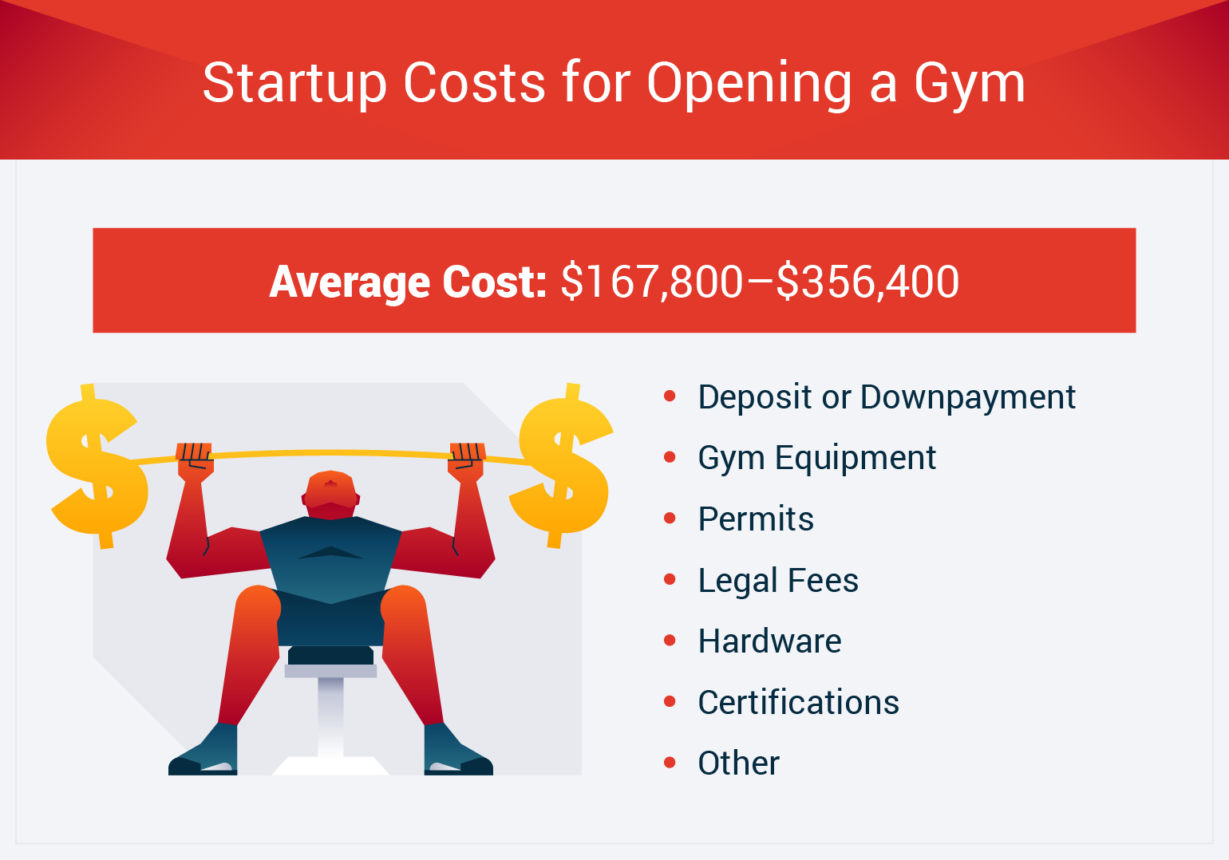
Starting a commercial gym costs serious money. Think about getting a place, fixing it up, buying machines, and paying people. These commercial gym startup costs include many parts. You need money for the building itself, the inside work, all the fitness equipment, and the legal stuff to open. The fitness center construction expense covers making the space ready for people to work out safely.
Figuring Out Your Home Gym Budget
Setting up a gym at home is much cheaper. Your home gym budget can be small or large. It depends on how much space you have and what machines you want. You might just need weights and a mat. Or you might want a full setup with big machines. It’s all about what you need and how much you want to spend.
Looking Closely at Commercial Gym Money
Starting a gym for the public means many costs. Let’s break them down piece by piece.
Where You Build: Location Costs
Picking the right spot for your gym is key. It also costs a lot. You might rent a building or buy one. Renting usually means paying each month. Buying means a big payment upfront or a loan.
The cost changes based on the city or town. A big city spot costs more than a small town spot. The size of the place matters too. The cost per square foot gym space varies a lot by area.
- Renting:
- First and last month’s rent.
- A safety deposit.
- Money for changes you want to make to the building.
- Buying:
- A big down payment.
- Loan payments each month.
- Property taxes.
- Money for upkeep and repairs.
Think about how easy it is for people to get there. Is there parking? Is it near other shops or homes? A good spot can cost more but might bring in more members.
Building or Changing Your Space: Gym Construction Costs
This is often the biggest cost. Gym construction cost covers making the building right for a gym. If you build a new place, it costs a lot for workers and stuff like wood and cement. If you use an old building, you need money to change it. This is called renovation.
What needs to be done?
- Making the floor strong: Heavy machines need strong floors.
- Putting up walls: You need rooms for classes, offices, and restrooms.
- Doing the electric work: Machines need power. Lights are needed too.
- Doing the water work: Restrooms, showers, and drinking fountains need water.
- Heating and cooling: People need to be comfy when they work out. This needs a good HVAC system.
- Putting in good flooring: Special flooring is needed in weight areas. It protects the floor and people’s joints.
- Painting and finishing: Making the place look good inside.
- Permits and plans: You need papers from the city or town to build or change a building. This takes time and money.
The complexity of the work changes the price. Adding a pool or sauna costs much more than just having weights and machines. The size of the gym also makes the cost higher or lower. A bigger place needs more work and more money.
The average gym building cost for just the construction part can range a lot. For a simple space, it might be $50 to $100 per square foot. For a fancy place with pools or climbing walls, it could be $200 or more per square foot.
Table: Rough Construction Cost Per Square Foot (Commercial)
| Type of Work | Cost Per Square Foot (Estimate) |
|---|---|
| Simple Renovation | $50 – $100 |
| Basic New Build | $80 – $150 |
| Complex Build/Renovation (with pools, etc.) | $150 – $300+ |
Note: These are just rough numbers. Costs change a lot based on where you are.
Machines and Gear: Gym Equipment Cost
Buying machines and weights is a major part of the cost to open a gym. Gym equipment cost varies greatly. You can buy new or used machines. New machines cost more but last longer. Used machines are cheaper but might need fixing sooner.
What kind of equipment do you need?
- Cardio machines: Treadmills, bikes, ellipticals, rowers.
- Strength machines: Machines for legs, arms, chest, back.
- Free weights: Dumbbells, barbells, weight plates.
- Benches and racks: For lifting weights safely.
- Other gear: Mats, balls, resistance bands, jump ropes.
You can buy all the equipment at once. Or you can lease it, like renting it for a long time. Leasing means lower payments each month but you don’t own the equipment at the end. Buying means a big cost upfront but you own it.
The cost of equipment depends on the brand and quality. High-end machines used by pro athletes cost much more than basic ones. For a medium-sized commercial gym, the equipment cost can be anywhere from $50,000 to $500,000 or even more.
Other Money You Need to Start
Opening a gym needs more than just a building and machines. These other commercial gym startup costs add up.
- Licenses and Legal Fees: You need permission from the government to open. Lawyers might be needed for contracts and rules.
- Insurance: This protects you if someone gets hurt or something breaks.
- Staff: You need money to hire trainers, front desk people, and cleaners. You need to pay them before the gym is making much money.
- Marketing: People need to know your gym is open. Money for ads, signs, and a website is needed.
- Software: You need a system to sign up members and take payments.
- Supplies: Towels, cleaning stuff, first-aid kit.
These costs can add another big chunk of money to your total. They are a key part of budgeting for a gym.
Table: Example Commercial Gym Startup Costs (Ranges)
| Cost Area | Low Estimate (Small/Basic) | High Estimate (Medium/Fancy) |
|---|---|---|
| Location (Buying Property) | $150,000 | $1,000,000+ |
| Location (Rent/Deposit) | $5,000 | $50,000+ |
| Construction/Renovation | $100,000 | $750,000+ |
| Gym Equipment Cost | $50,000 | $500,000+ |
| Licenses/Legal/Insurance | $5,000 | $30,000+ |
| Initial Marketing | $2,000 | $20,000+ |
| Initial Staffing Costs | $10,000 | $50,000+ |
| Total Rough Range | $172,000 (Rent) to $322,000 (Rent) | $1,400,000 (Buy) to $2,350,000+ (Buy) |
Disclaimer: These are very rough ideas. Costs vary greatly based on many factors.
Looking Closely at Home Gym Money
Building a gym at home is much simpler and cheaper than a commercial one. But your home gym budget still needs planning.
Your Home Gym Space
First, pick the spot in your home. Common places are a garage, basement, or spare room. Make sure the floor can hold heavy things. You might need to clean it out or make small changes. Is there enough light? Is it too hot or cold? You might need a fan or a heater.
Home Gym Gear
This is where most of your home gym budget goes. The gym equipment cost for a home gym can be low or high. It just depends on what you want.
- Basic Setup (Low Cost):
- Set of dumbbells (maybe adjustable)
- Resistance bands
- Jump rope
- Yoga mat
- Maybe a pull-up bar for a door frame
- Cost: $100 – $500
- Medium Setup (Mid Cost):
- All the basic stuff
- Adjustable bench
- Barbell and weight plates
- Maybe one cardio machine (used bike or elliptical)
- Cost: $500 – $2,500
- Advanced Setup (Higher Cost):
- All the above
- Power rack or squat rack
- More weight plates
- High-quality cardio machine (new treadmill or rower)
- Kettlebells
- Weight machine (like a cable machine)
- Cost: $2,500 – $10,000+
You can find good deals on used equipment. Check online selling sites or local sports stores. Buying used can help you save money on your home gym budget.
Protecting Your Floor
This is important, especially if you use heavy weights. Dropping weights can damage floors. Special flooring helps.
- Rubber Mats: These are common and protect the floor well. Puzzle piece mats are easy to put down. Thicker mats are better for heavy lifting areas.
- Wood Platforms: Some people build a wood platform for lifting heavy weights. This spreads the weight out.
- Cost: Flooring can cost from $1 per square foot for thin mats to $5 or more per square foot for thick, strong rubber.
So, for a home gym, your total home gym budget could be from a few hundred dollars for a very simple setup to over $10,000 for a gym with lots of high-end machines.
Table: Example Home Gym Budget Ranges
| Type of Home Gym | Equipment Cost | Flooring Cost (Approx. for 100 sq ft) | Total Rough Range |
|---|---|---|---|
| Basic | $100 – $500 | $100 – $300 | $200 – $800 |
| Medium | $500 – $2,500 | $200 – $600 | $700 – $3,100 |
| Advanced | $2,500 – $10,000+ | $300 – $1,000+ | $2,800 – $11,000+ |
Note: These are just ideas. Your costs will depend on your choices.
What Changes the Cost: Factors Influencing Gym Build Cost
Many things can make the cost of building a gym go up or down. These are the factors influencing gym build cost.
- Size: A bigger gym costs more to build, equip, and run. More space means more building work and more machines. The cost per square foot gym might stay similar for the build, but the total price is higher.
- Location: As we said, city vs. town, popular area vs. less popular area changes the price of the building or rent. It also changes how much workers charge for construction.
- New Build vs. Renovation: Building a new place from the ground up can be very costly but gives you full control. Changing an old building might be cheaper but can have surprises (like finding old pipes or bad wiring). This affects the gym construction cost.
- Quality of Materials and Finishes: Using high-end flooring, fancy locker rooms, or special lighting costs more than basic options.
- Type of Gym: A simple weight room costs less than a gym with a pool, hot tub, sauna, climbing wall, or basketball court. Each added feature increases the fitness center construction expense a lot.
- Equipment Quality: Buying top-of-the-line equipment costs much more than mid-range or used equipment. This is a big part of the gym equipment cost.
- Permit and Fee Costs: Some places have high fees for building permits or ongoing business licenses.
- Labor Costs: How much workers (builders, electricians, plumbers) charge in your area changes the construction cost.
- Design and Architect Fees: Hiring people to design the gym and make plans adds to the cost.
- Opening Marketing Push: A big splashy opening ad campaign costs more than simple local ads.
Thinking about these factors helps you guess the total cost better. They all play a role in the average gym building cost.
Planning Your Money: Budgeting for a Gym
Creating a clear plan for spending money is a must. This is budgeting for a gym.
- Know Your Limits: How much money do you have to start? Will you get a loan? Be real about what you can spend.
- Get Detailed Estimates: For a commercial gym, get quotes from different builders, equipment sellers, and other service providers. Don’t guess on the fitness center construction expense or the gym equipment cost. Ask for real numbers. For a home gym, list every piece of equipment and look up prices online.
- Add a Safety Net: Always plan to spend 15-20% more than your best guess. Building projects often have surprises. You might need extra money for things you didn’t expect.
- Think Long-Term: Don’t just plan for the start-up cost. Think about ongoing costs like rent, staff pay, power bills, repairs, and marketing each month. These are part of the cost to open a gym and keep it running.
- Prioritize: What is most important? Maybe you need good cardio machines first and can add other things later. For a home gym, maybe start with weights and add a bike later.
- Look for Ways to Save: Can you buy used equipment? Can you do some of the simpler building work yourself (like painting)? Can you find cheaper suppliers?
- Track Spending: Keep a close eye on where your money is going as you build or set up the gym.
Good budgeting for a gym helps you stay on track and avoid running out of money before you are ready to open or use your space. It helps manage the commercial gym startup costs or your home gym budget.
Interpreting the Costs: Average Gym Building Cost Ranges
Let’s put some numbers together to show the big difference in cost. Remember, these are just ideas. Your actual cost could be higher or lower.
Commercial Gym Cost Ranges:
The average gym building cost for a commercial place changes wildly based on size and features.
- Small Studio (e.g., 1,500 – 3,000 sq ft): Focuses on classes or personal training. Less equipment. Might cost $100,000 to $500,000 to set up.
- Medium Full-Service Gym (e.g., 5,000 – 10,000 sq ft): Has weights, machines, and maybe a small class area. This is a common size. Might cost $500,000 to $2,000,000 to set up.
- Large Fitness Center (e.g., 15,000+ sq ft): Has many machines, multiple class studios, locker rooms, maybe a pool, courts, or other features. These cost a lot. Might cost $2,000,000 to $10,000,000 or more to set up.
These costs include finding the place (rent/buy), making changes (gym construction cost), buying machines (gym equipment cost), and getting ready to open (other startup costs). The cost per square foot gym setup can be anywhere from $75 to $500+ depending on how fancy and complex it is.
Home Gym Cost Ranges:
The cost is much less, focusing mainly on space prep and equipment.
- Small & Simple: $200 – $800
- Medium & Well-Equipped: $700 – $3,100
- Large & High-End: $2,800 – $11,000+
Your home gym budget is much more in your control. You decide exactly what to buy.
Comparing Costs: Home vs. Commercial
It’s clear that building a commercial gym is a completely different project than setting up a home gym.
- Commercial: High startup costs, complex building work, lots of rules and papers, ongoing costs for staff and running the place. Potential to make money. The average gym building cost is high.
- Home: Lower startup costs, simpler space prep, costs are mainly for equipment. Just for personal use. The home gym budget is much lower.
The fitness center construction expense for a public gym is a major investment. For a home gym, the gym equipment cost is usually the biggest part of the budget.
The cost per square foot gym space for a commercial gym includes complex building systems and public access rules. For a home gym, it’s more about simple flooring and making the space work.
Budgeting for a gym means planning for loans and investors for a commercial place. For home, it means deciding how much of your savings to spend.
The factors influencing gym build cost are much more complex for a commercial gym (location, type of services, scale of construction) than for a home gym (space size, equipment wanted).
Steps After Figuring Out Costs
Once you have an idea of the money needed, what’s next?
- For a Commercial Gym:
- Create a full business plan.
- Find funding (loans, investors).
- Find the right location.
- Hire a good team (architect, contractor).
- Get permits.
- Start building or renovating.
- Buy equipment.
- Hire staff.
- Market your gym.
- For a Home Gym:
- Clear and prepare your space.
- Buy flooring.
- Buy equipment based on your budget.
- Set it up safely.
Both need careful planning, but the steps for a commercial gym are much bigger and costlier.
Conclusion
So, how much is it to build a gym? The answer is: it depends on many things! Building a home gym can cost from a few hundred to over ten thousand dollars. Starting a commercial gym is a major business step. It can cost from a few hundred thousand dollars to many millions.
The main costs for a commercial gym are the building space (rent or buy), the work to make it ready (gym construction cost), and the machines (gym equipment cost). You also need money for permits, staff, and getting people to join. These commercial gym startup costs are high.
For a home gym, the costs are mainly the equipment and some flooring. Your home gym budget decides what you can get.
Many factors influence gym build cost, like size, location, and what you want to include. Planning your money carefully (budgeting for a gym) is a must for any gym project, big or small. Getting real numbers for the fitness center construction expense and gym equipment cost is key for commercial gyms. Knowing the average gym building cost in your area helps too.
Whether it’s a small spot in your house or a large center for the community, building a gym takes money and effort. Plan well to make your fitness dream happen.
Frequently Asked Questions (FAQ)
- Is it cheaper to build a new gym or renovate an old building?
Often, it’s cheaper to renovate an old building. But renovation can have hidden costs if you find big problems with the structure or old systems. Building new costs more per square foot but you know what you are getting. - How long does it take to build a commercial gym?
This changes a lot. Finding a place and getting permits can take months. Construction or major renovation can take another 6 to 18 months, or even longer for very big projects. Getting equipment and hiring staff adds more time. It often takes over a year from idea to opening. - Can I get a loan to open a gym?
Yes, banks and other lenders give loans for businesses like gyms. You will need a strong business plan showing how you will make money. The amount you can borrow depends on your plan and how much money you need. This is part of figuring out commercial gym startup costs and budgeting. - What are the ongoing costs of running a commercial gym?
Beyond the startup costs, you have to pay rent or mortgage, staff salaries, utility bills (power, water), insurance, marketing, cleaning, repairs, and maybe loan payments. These monthly costs are important to plan for. - Should I buy new or used gym equipment?
New equipment lasts longer and might have warranties, but costs much more. Used equipment is cheaper and good for saving on gym equipment cost, but you might need to fix it sooner. For a commercial gym, a mix might work, like new cardio machines and used weights. For home, used is often a great way to save money.