
A Shih Tzu typically needs about 20-30 minutes of total daily exercise, which can be split into two or three shorter sessions. But how much exercise does a Shih Tzu truly need? This guide will help you figure out the right amount for your furry friend.
Shih Tzus, with their charming underbites and flowing coats, are often thought of as lapdogs. While they certainly love a good cuddle, they are not without their playful and energetic sides. The amount of physical activity your Shih Tzu requires is influenced by several factors, including their age, health, and individual temperament. This comprehensive guide will delve into Shih Tzu activity levels, providing a daily guide to ensure your companion stays happy and healthy.
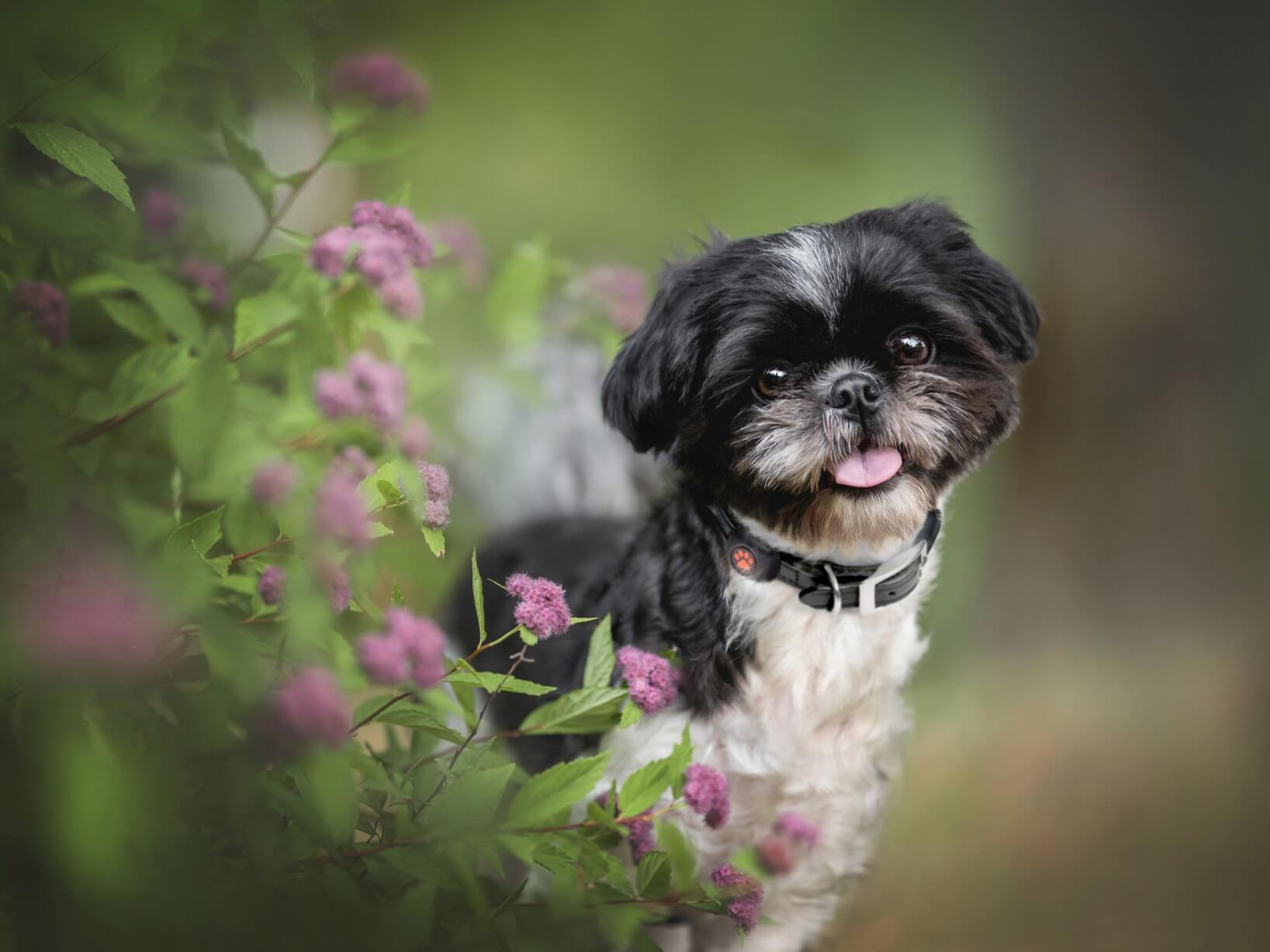
Image Source: www.pitpat.com
Fathoming Shih Tzu Energy Levels
Shih Tzus generally possess moderate energy levels. They are not built for long-distance running or strenuous athletic feats. Their primary purpose was historically to be companions to Chinese royalty, which means they were bred for indoor living and gentle interaction. However, this doesn’t mean they are lazy! They still need mental and physical stimulation to prevent boredom and maintain good health.
Several factors contribute to a Shih Tzu’s energy levels:
- Age: Puppies will naturally have bursts of energy, followed by long naps. Adult Shih Tzus will have a more consistent energy output, while senior dogs may require less vigorous activity.
- Health: Underlying health conditions, such as joint issues (common in brachycephalic breeds), heart problems, or respiratory issues, can significantly impact how much exercise a Shih Tzu can handle. Always consult your veterinarian if you have concerns about your dog’s health and exercise capacity.
- Temperament: Just like people, some Shih Tzus are naturally more energetic and playful than others. Observing your dog’s individual personality is key.
Designing Your Shih Tzu Daily Exercise Plan
A well-rounded exercise plan for a Shih Tzu incorporates both physical activity and mental stimulation. The goal is to keep them engaged and prevent the common issues that arise from under-exercise, such as obesity or destructive behavior.
Essential Components of Shih Tzu Physical Activity
Your Shih Tzu’s exercise should include a mix of structured activities and spontaneous play.
Shih Tzu Walking Routine
A daily walk is a cornerstone of most dog exercise plans, and Shih Tzus are no exception. However, their physical limitations, particularly their brachycephalic (short-nosed) nature, mean that these walks should be moderate and mindful of the weather.
- Frequency: Aim for at least one, preferably two, short walks per day.
- Duration: Each walk should ideally last 10-15 minutes. This brings the total walking time to 20-30 minutes daily.
- Pace: A leisurely stroll is perfect. Avoid fast-paced walks or long treks, especially in warm or humid weather, as Shih Tzus can overheat quickly.
- Route: Variety can keep walks interesting. Explore different neighborhoods, parks, or even just a different path in your usual walking area. This also provides new sights and smells for mental enrichment.
Considerations for Shih Tzu Walks:
- Weather: Shih Tzus are sensitive to heat. On hot days, walk in the early morning or late evening. Never force your Shih Tzu to exercise when it’s too hot. Look for signs of overheating like excessive panting, drooling, or lethargy.
- Leash Manners: Start leash training early. A well-trained Shih Tzu will walk calmly beside you, making the experience more enjoyable for both of you.
- Terrain: Uneven or very rough terrain can be difficult for small dogs with short legs. Stick to smooth, even surfaces.
Shih Tzu Play Time
Play is a fantastic way to burn off energy and strengthen your bond with your Shih Tzu. This can happen indoors or outdoors, depending on your circumstances.
- Fetch: While not all Shih Tzus are natural retrievers, many enjoy a gentle game of fetch with soft toys. Use short distances and soft throws.
- Tug-of-War: Use a sturdy rope toy. Teach your Shih Tzu to “drop it” on command to keep the game under control and fun.
- Interactive Toys: Puzzle toys that dispense treats can provide mental stimulation and a fun challenge.
- Chasing Toys: Laser pointers (used with caution, ensuring the dog can “catch” the dot on occasion to avoid frustration) or feather wands can be engaging.
Tips for Shih Tzu Play Time:
- Short Bursts: Like their walks, play sessions should be in short, frequent bursts to match their stamina.
- Supervision: Always supervise your Shih Tzu during play to ensure they don’t ingest any small parts of toys or get themselves into trouble.
- Variety: Rotate toys to keep them exciting and prevent boredom.
Shih Tzu Indoor Exercise
When outdoor exercise isn’t ideal due to weather or other constraints, indoor activities are crucial for maintaining your Shih Tzu’s physical activity.
- Indoor Obstacle Course: Create a simple course using pillows, tunnels (even cardboard boxes), and low ramps. This encourages movement and problem-solving.
- Hide-and-Seek: Hide treats or favorite toys around the house and encourage your Shih Tzu to find them. This is excellent for their sense of smell and cognitive function.
- Ball Pit: A shallow box filled with soft balls can provide a fun sensory experience and encourage playful pouncing.
- Stairs (with caution): If your Shih Tzu is healthy and has no joint issues, a few controlled trips up and down a short flight of stairs can provide some mild exercise. Always supervise and ensure the stairs are not slippery.
Benefits of Shih Tzu Indoor Exercise:
- Weather Independence: Allows for exercise regardless of rain, snow, or extreme heat.
- Mental Stimulation: Many indoor games are designed to challenge their minds as well as their bodies.
- Safety: Eliminates risks associated with traffic or encounters with other animals.
Shih Tzu Outdoor Exercise
Outdoor exercise offers a richer sensory experience for your Shih Tzu, exposing them to new sights, sounds, and smells.
- Park Visits: Leashed visits to dog-friendly parks can be stimulating, allowing them to observe the world around them. Ensure the park is safe and not overly crowded.
- Yard Play: If you have a secure yard, allow your Shih Tzu supervised free time to explore, sniff, and engage in light play.
- “Sniff Safaris”: Even a short walk around the block can be an adventure if you let your Shih Tzu take their time sniffing and exploring. This is a form of mental exercise that is just as important as physical exertion.
Important Shih Tzu Outdoor Exercise Considerations:
- Secure Environment: Always keep your Shih Tzu on a leash when outdoors, even in your own yard if it is not fully fenced and secure. Their small size makes them vulnerable.
- Parasite Prevention: Ensure your Shih Tzu is up-to-date on flea, tick, and heartworm prevention, especially when spending time outdoors.
Shih Tzu Exercise Recommendations Based on Age
The exercise needs of a Shih Tzu will change as they grow and age.
Shih Tzu Puppy Exercise
- Short, Frequent Sessions: Puppies have short attention spans and limited stamina. Several 5-minute sessions throughout the day are more beneficial than one long one.
- Socialization: Incorporate gentle play with other vaccinated, friendly dogs in controlled environments.
- Avoid Overexertion: Be mindful of their developing joints. Avoid forced exercise or long, strenuous activities.
- Mental Stimulation is Key: Puppies learn rapidly. Use this energy for training and introducing new experiences.
Adult Shih Tzu Exercise
- Establish a Routine: Adult Shih Tzus thrive on consistency. Two to three short walks (10-15 minutes each) per day are ideal.
- Play and Training: Incorporate interactive play and training sessions to keep them mentally stimulated.
- Monitor Stamina: Pay attention to how your dog responds. If they seem tired, cut the activity short.
Senior Shih Tzu Exercise
- Gentle Activity: Senior Shih Tzus will likely have reduced energy levels and may suffer from age-related ailments like arthritis.
- Short, Slow Walks: Several very short, slow walks (5-10 minutes) might be all they can manage.
- Low-Impact Play: Gentle indoor games or short sniffing excursions can still be beneficial.
- Veterinary Consultation: It’s crucial to consult your veterinarian about appropriate exercise for senior Shih Tzus, especially if they have any health concerns. They may recommend specific exercises or therapies.
Signs Your Shih Tzu is Getting Enough (or Not Enough) Exercise
Learning to read your Shih Tzu’s cues is vital for tailoring their exercise routine.
Signs of Adequate Exercise:
- Happy Demeanor: A well-exercised Shih Tzu is generally content and less prone to anxiety or fussiness.
- Good Appetite: Regular activity often leads to a healthy appetite.
- Healthy Weight: Consistent exercise, combined with a balanced diet, helps maintain a healthy weight.
- Good Sleep: They should settle down and sleep peacefully after their exercise sessions.
- Engaged During Play: They enthusiastically participate in their usual play activities.
Signs of Insufficient Exercise:
- Restlessness and Destructive Behavior: Boredom can manifest as chewing furniture, digging, or excessive barking.
- Weight Gain: A sedentary lifestyle can quickly lead to obesity in Shih Tzus.
- Lethargy and Excessive Sleeping: While seniors sleep more, a healthy adult Shih Tzu shouldn’t be constantly lethargic.
- Irritability or Demand for Attention: They might incessantly bark or paw at you to get you to engage them.
- Poor Digestion: Lack of movement can sometimes lead to digestive issues.
Signs of Overexertion:
- Excessive Panting: More than normal for the activity and temperature.
- Drooling: Heavy, thick drool.
- Lethargy and Weakness: A sudden unwillingness to move or a wobbly gait.
- Red Gums or Tongue: Can indicate overheating.
- Vomiting or Diarrhea: In extreme cases.
- Heatstroke: This is a medical emergency. Signs include bright red gums, difficulty breathing, weakness, and collapse.
If you notice any signs of overexertion, stop immediately, move your Shih Tzu to a cool place, and offer small amounts of water. If symptoms are severe, contact your veterinarian.
Tailoring Shih Tzu Exercise Needs
Every Shih Tzu is an individual. To find the perfect exercise balance, consider these points:
- Observation: Watch your dog’s behavior. Are they energetic and looking for more, or do they seem tired after a short walk?
- Consistency: Aim for a consistent daily routine. This helps regulate their energy and sleep patterns.
- Variety: Mix up activities to keep them mentally stimulated and engaged. A walk one day, a play session the next, or a combination.
- Diet: Exercise and diet go hand-in-hand. Ensure your Shih Tzu is on a high-quality diet appropriate for their age and activity level.
- Health Check-ups: Regular veterinary check-ups are essential to ensure your Shih Tzu is healthy enough for their exercise routine and to address any potential issues early.
Frequently Asked Questions (FAQ)
Q1: How often should I walk my Shih Tzu?
You should aim for at least two short walks per day, each lasting about 10-15 minutes.
Q2: Can Shih Tzus go for long walks?
No, Shih Tzus are not built for long, strenuous walks due to their short muzzles and small size. Short, leisurely strolls are best.
Q3: What if my Shih Tzu doesn’t like walking?
If your Shih Tzu is reluctant to walk, try making it more appealing with high-value treats, a favorite toy, or by starting with very short distances in a safe, quiet area. Ensure there are no underlying health issues causing discomfort.
Q4: How much playtime does a Shih Tzu need?
Aim for about 15-20 minutes of playtime daily, broken into shorter sessions. This can be a combination of indoor and outdoor activities.
Q5: Is indoor exercise enough for a Shih Tzu?
While indoor exercise is good for mental stimulation and mild physical activity, it’s ideal to supplement it with short outdoor walks for sensory enrichment and fresh air, weather permitting.
Q6: How do I know if my Shih Tzu is getting enough exercise?
Signs of adequate exercise include a happy demeanor, good appetite, maintaining a healthy weight, and settling down well after activity. If they are constantly restless or destructive, they may need more exercise.
Q7: How do I know if my Shih Tzu is getting too much exercise?
Signs of overexertion include excessive panting, drooling, extreme lethargy, or heatstroke symptoms. If you notice these, stop the activity immediately and seek veterinary advice if necessary.
Q8: Can Shih Tzus run?
Shih Tzus can trot and play, but they are not built for running long distances or at high speeds. Their respiratory system makes strenuous running difficult and potentially dangerous.
Q9: What are the best toys for Shih Tzu exercise?
Interactive toys, soft plush toys for gentle fetch, sturdy tug ropes, and puzzle toys that dispense treats are all excellent options for keeping your Shih Tzu engaged.
Q10: My Shih Tzu is overweight. How can exercise help?
Increasing your Shih Tzu’s daily exercise, combined with a controlled diet, is crucial for weight management. Start with short, regular walks and play sessions, gradually increasing duration as their stamina improves. Always consult your vet before starting a weight-loss program.
By carefully considering these aspects of Shih Tzu exercise, you can ensure your beloved companion enjoys a long, healthy, and happy life.