
A Labrador Retriever typically needs at least 60-120 minutes of exercise per day, split into at least two sessions, to stay healthy and happy. This amount can vary based on age, health, and individual energy levels.
Labrador Retrievers are renowned for their boundless energy and enthusiastic approach to life. This exuberance, while endearing, also means they have significant Labrador Retriever exercise needs. Simply put, an under-exercised Lab is often an unhappy, destructive, or even unhealthy Lab. This guide aims to decipher the Labrador activity requirements, covering everything from puppyhood to senior years, and explore how to meet these needs effectively.
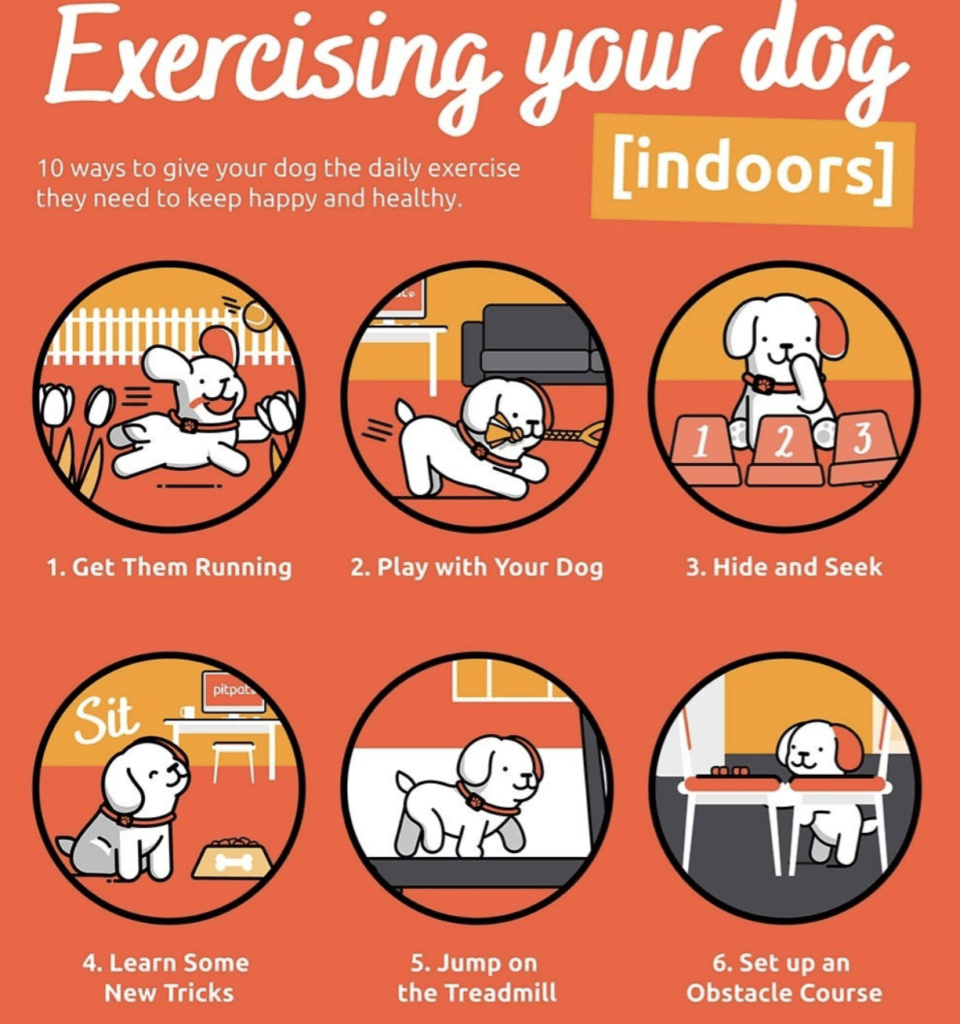
Image Source: www.snowypineswhitelabs.com
Fathoming the Foundations of Lab Exercise
Labrador Retrievers were originally bred as working dogs, used for retrieving game in harsh conditions. This heritage means they possess a natural drive and stamina that requires regular physical and mental engagement. Failing to meet these appropriate exercise for Labs needs can lead to a cascade of behavioral issues and health problems.
Why Exercise is Crucial for Labs
- Physical Health: Regular exercise helps maintain a healthy weight, strengthens muscles and bones, and supports cardiovascular health. It’s a powerful tool in preventing obesity, a common problem in Labs.
- Mental Well-being: Just as humans benefit from mental challenges, so do dogs. Exercise, especially when combined with training or puzzle toys, provides essential mental stimulation, preventing boredom in Labs.
- Behavioral Stability: A tired dog is a well-behaved dog. Adequate exercise can curb destructive chewing, excessive barking, digging, and other behaviors often stemming from pent-up energy and frustration.
- Socialization: Exercise often involves interactions with other dogs and people, which is vital for developing a well-adjusted canine companion.
Deciphering Labrador Puppy Exercise Needs
The puppy stage is a critical time for development. While puppies are bundles of energy, their growing bodies require a careful approach to exercise to avoid injury.
Labrador Puppy Exercise Guidelines
- The 5-Minute Rule: A commonly cited guideline for puppy exercise is 5 minutes of strenuous activity per month of age, twice a day. So, a 3-month-old puppy might handle 15 minutes of brisk walking or play, twice a day.
- Gentle Play: Focus on short bursts of play with soft toys. Tug-of-war is great, but ensure it’s not too rough. Fetch with soft balls or frisbees is also excellent.
- Socialization Walks: Short, controlled walks in safe environments are beneficial for socialization. Introduce your puppy to different sights, sounds, and smells gradually.
- Avoid Overexertion: Puppies’ joints are still developing. Avoid long, strenuous hikes, jumping from heights, or repetitive high-impact activities until they are fully grown.
Key Considerations for Labrador Puppy Exercise
- Vaccination Status: Always ensure your puppy is fully vaccinated before exposing them to public spaces where other dogs frequent, like dog parks.
- Supervision: Always supervise your puppy during exercise and play to prevent accidents or overexertion.
- Hydration: Ensure fresh water is always available, especially after playtime.
Tailoring Exercise for Adult Labs
Once your Labrador reaches adulthood (typically around 18-24 months), their exercise needs are at their peak. This is when you can really unleash their potential for activity.
Adult Lab Exercise Requirements
The general recommendation for daily exercise for Labs is 60-120 minutes. This can be broken down into two or more sessions throughout the day.
Types of Activities for Adult Labs
- Brisk Walks/Jogging: A brisk 30-60 minute walk or jog daily can significantly contribute to their required exercise. Labs generally love to walk and explore.
- Fetch and Play: Dedicated play sessions in a securely fenced yard or park are fantastic. This could involve fetching balls, frisbees, or even swimming.
- Swimming: Many Labs have a natural affinity for water. Swimming is an excellent low-impact exercise that works the entire body and is incredibly enjoyable for them.
- Hiking: Longer hikes on varied terrain provide both physical and mental stimulation. Ensure your Lab is conditioned for longer distances.
- Agility and Obedience Training: These activities not only provide physical exertion but also crucial mental engagement. They strengthen your bond and reinforce good behavior.
- Dog Parks: While beneficial for socialization, dog parks require careful supervision. Ensure your Lab plays well with others and is comfortable in that environment.
Determining Appropriate Exercise for Labs
The Lab exercise duration will depend on several factors:
- Energy Level: Some Labs are naturally more high-energy than others. Observe your dog’s cues. If they are still restless after their exercise, they likely need more.
- Health and Fitness: A fit dog can handle more activity than one who is overweight or has health issues. Consult your veterinarian if you have any concerns.
- Weather: Avoid strenuous exercise during extreme heat or cold. Opt for indoor activities or shorter, less intense sessions during adverse weather.
- Mental Engagement: Mix up activities to keep things interesting. A simple walk can be enhanced with training cues or opportunities to sniff and explore.
Preventing Boredom in Labs
To combat boredom, vary your routine. Introduce new toys, visit new walking routes, or try a new dog sport. Puzzle feeders and interactive toys are excellent for occupying their minds when you can’t be actively playing.
Addressing Senior Lab Exercise Needs
As Labs age, their exercise needs change. While they may slow down, regular, modified exercise remains vital for maintaining their health and quality of life.
Senior Lab Exercise Modifications
- Gentle, Shorter Walks: Senior Labs may not be able to handle long, strenuous walks. Opt for shorter, more frequent walks at a comfortable pace.
- Low-Impact Activities: Swimming, gentle play, and short, leisurely strolls are ideal. Avoid high-impact activities that could exacerbate joint issues.
- Mental Stimulation: Continue to provide mental challenges with puzzle toys, scent games, and gentle training sessions.
- Listen to Your Dog: Pay close attention to your senior Lab’s signals. If they seem tired or in pain, shorten the activity or end it for the day.
- Warm-up and Cool-down: Gentle warm-up before exercise and a cool-down afterward can help prevent stiffness.
Health Considerations for Senior Labs
- Arthritis and Joint Pain: Many senior Labs develop arthritis. Exercise can help manage symptoms by keeping muscles strong to support joints, but it needs to be adapted. Consult your vet for advice on managing pain and appropriate activity levels.
- Cardiovascular Health: Continue to support their heart health with regular, moderate exercise.
- Weight Management: It’s crucial for senior Labs to maintain a healthy weight, as excess weight puts extra strain on their aging bodies.
Integrating Mental Stimulation for Labs
Physical exercise is only part of the equation. Labrador mental stimulation is equally important to prevent boredom and cognitive decline.
Ways to Stimulate Your Lab’s Mind
- Training: Ongoing obedience training or learning new tricks provides excellent mental exercise.
- Puzzle Toys: Food-dispensing toys and puzzle feeders challenge your Lab to think and problem-solve.
- Scent Games: Hide treats around the house or yard and encourage your Lab to find them. This taps into their natural scenting abilities.
- Interactive Play: Games like “find the toy” or hide-and-seek with you engage their minds.
- New Environments: Exploring new places, even for short walks, offers novel sensory experiences.
Equipment and Safety for Lab Exercise
Proper equipment and safety precautions ensure that your Labrador’s exercise sessions are enjoyable and safe.
Essential Gear
- Leash and Collar/Harness: A sturdy leash and a comfortable, well-fitting collar or harness are essential for walks and training. Consider a harness that discourages pulling.
- ID Tags: Always ensure your Lab has up-to-date ID tags on their collar.
- Water Bottle and Bowl: Especially for longer outings, carry water to keep your dog hydrated.
- Poop Bags: Responsible pet ownership includes cleaning up after your dog.
- First-Aid Kit: For longer adventures, a basic pet first-aid kit is a good idea.
Safety Precautions
- Check Paw Pads: After walks, especially on hot pavement or rough terrain, check your dog’s paw pads for any signs of injury or irritation.
- Hydration: Always provide fresh water. Dehydration can happen quickly, even on cooler days.
- Heatstroke: Labs are prone to heatstroke. Avoid strenuous exercise during the hottest parts of the day. Watch for signs like excessive panting, drooling, and lethargy.
- Leash Laws: Adhere to local leash laws when in public areas.
- Supervision: Never leave your dog unsupervised in potentially dangerous situations.
Common Challenges and Solutions
Despite the best intentions, challenges can arise when meeting a Lab’s exercise needs.
Challenge: Lack of Time
- Solution: Break down exercise into shorter sessions. Incorporate active play into your daily routine, like a quick game of fetch after work or a brisk walk before breakfast. Utilize dog walkers or doggy daycare if possible.
Challenge: Bad Weather
- Solution: Invest in doggy raincoats for wet weather. For extreme cold or heat, focus on indoor activities like agility drills, puzzle toys, or short trips to indoor dog facilities.
Challenge: Stubbornness or Lack of Motivation
- Solution: Use high-value treats and praise to encourage participation. Experiment with different types of activities to find what your Lab enjoys most. Ensure they are not suffering from an underlying health issue causing lethargy.
Challenge: Overexcitement in New Environments
- Solution: Start with short, controlled visits to new places. Use positive reinforcement and basic obedience cues to manage their excitement. Gradually increase exposure as they become more comfortable.
Summary Table: Labrador Exercise Needs by Age
| Age Group | Daily Exercise Duration | Key Considerations |
|---|---|---|
| Puppy (3-6 mos) | 15-30 mins (2x/day) | Gentle play, short walks, avoid overexertion, focus on socialization. |
| Adolescent (6-18 mos) | 60-90 mins (2x/day) | Increase intensity gradually, introduce varied activities, continue socialization. |
| Adult (1.5-7 yrs) | 60-120 mins (2x/day) | Brisk walks, fetch, swimming, hiking, agility, mental stimulation is crucial. |
| Senior (7+ yrs) | 30-60 mins (2x/day) | Shorter, gentler walks, low-impact activities, focus on comfort and quality of life. |
Frequently Asked Questions (FAQ)
Q1: How much exercise does a young Labrador puppy need?
A young Labrador puppy typically needs about 5 minutes of exercise per month of age, twice a day. So, a 4-month-old puppy might need around 20 minutes of exercise daily.
Q2: Can a Labrador Retriever get too much exercise?
Yes, especially puppies and senior dogs. Over-exercising can lead to injuries, exhaustion, and behavioral issues. It’s important to gauge your dog’s limits and gradually increase intensity.
Q3: What are the best exercises for a Lab to prevent boredom?
The best exercises for preventing boredom in Labs include fetch, swimming, agility training, scent games, puzzle toys, and exploring new walking routes. Variety is key.
Q4: How can I tell if my Labrador is getting enough exercise?
If your Lab is maintaining a healthy weight, has a good energy level during playtime, sleeps well, and doesn’t exhibit destructive behaviors due to pent-up energy, they are likely getting enough exercise. If they seem restless, destructive, or gain excessive weight, they may need more.
Q5: Is swimming a good form of exercise for a Labrador?
Yes, swimming is an excellent, low-impact exercise for Labradors. It provides a full-body workout and is often very enjoyable for them, especially those with a natural love for water.
By dedicating time and thought to meeting your Labrador Retriever’s Labrador Retriever exercise needs, you are investing in their physical health, mental well-being, and overall happiness. Regular, varied, and appropriate exercise is the cornerstone of a well-adjusted and joyful Labrador companion.