
A Great Pyrenees needs approximately 60-90 minutes of exercise per day, split into two or three sessions, to maintain good health and well-being. This exercise should be a mix of walking, playing, and opportunities for exploration.
Deciphering the exercise requirements for a Great Pyrenees, often referred to as the Pyrenean Mountain Dog, is crucial for their overall health and happiness. These magnificent giants, bred for guarding livestock in the Pyrenean Mountains, possess a unique blend of gentle affection and robust physical needs. While they are not typically hyperactive, failing to meet their Great Pyrenees daily activity goals can lead to boredom, destructive behaviors, and potential health issues. This comprehensive guide will delve into everything you need to know about Pyrenees dog physical needs, ensuring your gentle giant thrives.
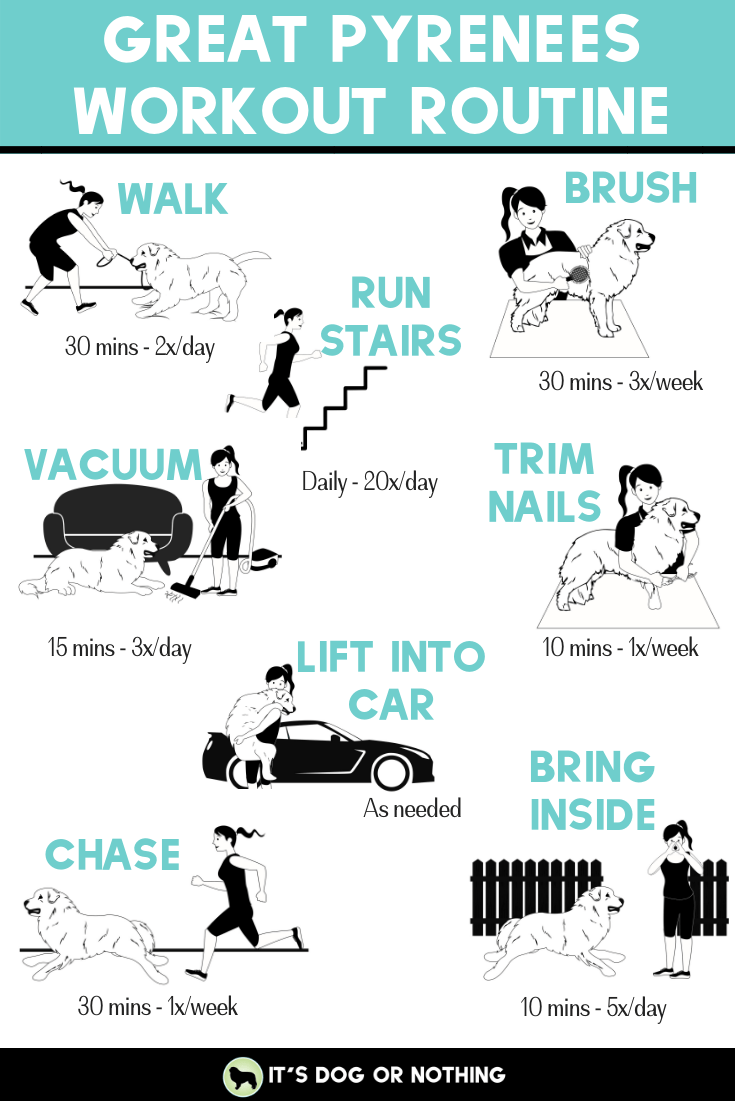
Image Source: itsdogornothing.com
Fathoming Pyrenees Energy Levels
Great Pyrenees are often perceived as low-energy dogs due to their calm demeanor indoors. However, this perception can be misleading. They are classified as working dogs, and while they don’t require the constant, high-intensity workouts of some other breeds, they do have specific Pyrenees energy levels that must be addressed. Their energy is more of a steady reserve rather than bursts of frantic activity. This means they are content to rest for periods but need consistent outlets to expend their energy constructively.
Moderate Exercise for Giants
When considering exercise for giant dog breeds, it’s important to remember their size. Their large frames, while impressive, also mean they are more susceptible to joint problems like hip and elbow dysplasia. Therefore, high-impact activities, especially during their puppyhood when their growth plates are still developing, should be avoided. Instead, focus on moderate, consistent exercise that supports their musculature and cardiovascular health without unduly stressing their joints.
Great Pyrenees Daily Activity: What’s Required?
The cornerstone of a Great Pyrenees’ well-being is a consistent daily activity routine. This isn’t about marathon runs or grueling agility courses, but rather about providing opportunities for movement, exploration, and mental engagement.
Daily Walking Routine
How much walking for a Great Pyrenees? Aim for at least two walks per day, each lasting between 30 to 45 minutes. These walks serve multiple purposes:
- Physical Exertion: A brisk walk helps burn off excess energy and keeps their large bodies in shape.
- Mental Stimulation: New sights, sounds, and smells on a walk provide essential mental engagement.
- Potty Breaks: Naturally, walks are essential for elimination.
- Bonding Time: Walks are a wonderful opportunity to strengthen your bond with your Pyrenean.
The Great Pyrenees exercise duration can vary based on the dog’s age, health, and individual temperament. Younger, more energetic Pyrs might enjoy slightly longer or more vigorous walks, while older or less active individuals may prefer shorter, more leisurely strolls.
Beyond the Walk: Incorporating Play
While walks are vital, incorporating interactive play can significantly enhance your Great Pyrenees’ exercise regimen. This can include:
- Fetch (Gentle): While not known for retrieving, many Pyrs enjoy a gentle game of fetch with soft toys. Avoid overly enthusiastic chasing or sudden stops.
- Tug-of-War: This can be a fun way to engage your dog, but ensure you are in control and the game doesn’t escalate into aggression.
- Free Play in a Secure Area: If you have a securely fenced yard, allow your Pyr to roam and explore at their own pace.
The Great Pyrenees exercise intensity should generally be moderate. You want your dog to be engaged and to expend energy, but not to the point of exhaustion or overexertion. A good indicator is observing their breathing and demeanor; they should be panting but not distressed.
Keeping a Great Pyrenees Active: Beyond Physical Needs
While physical exercise is paramount, keeping a Great Pyrenees active also involves addressing their mental needs. These dogs are intelligent and can become bored if not adequately stimulated.
Great Pyrenees Mental Stimulation
Mental stimulation is just as crucial as physical exercise for a Great Pyrenees. A bored Pyr can become a destructive Pyr. Here are some ways to provide mental challenges:
- Puzzle Toys: Food-dispensing puzzle toys can keep your dog occupied for a good while, encouraging problem-solving.
- Training Sessions: Short, positive reinforcement training sessions (5-10 minutes) can be mentally taxing and rewarding. Teach new commands, reinforce existing ones, or practice tricks.
- “Find It” Games: Hide treats around the house or yard and encourage your dog to find them. This taps into their natural scenting abilities.
- New Environments: Occasionally taking your Pyr to new, safe locations (like a quiet park or a friend’s yard) provides novel sensory experiences.
The combination of physical activity and mental engagement is key to a well-rounded Pyrenees dog physical needs fulfillment.
Age-Specific Exercise Considerations
The exercise needs of a Great Pyrenees change as they grow and age.
Puppies (Up to 18 Months)
Great Pyrenees puppies are adorable but also growing rapidly. During this phase, exercise for giant dog breeds needs to be approached with extreme caution to protect their developing joints.
- Controlled Activity: Avoid forced exercise like long, strenuous walks or jumping.
- Short, Frequent Sessions: Aim for 5 minutes of exercise per month of age, twice a day. So, a 4-month-old puppy could have two 20-minute sessions.
- Socialization Walks: Short, controlled outings to experience new sights and sounds are beneficial.
- Supervised Play: Gentle play in a safe, enclosed area is ideal.
Adult Great Pyrenees (18 Months to 7 Years)
This is when your Great Pyrenees is in their prime and requires consistent, moderate exercise to maintain their health and prevent obesity.
- Daily Walks: Two 30-45 minute walks are generally sufficient.
- Playtime: Incorporate interactive play sessions a few times a week.
- Weekend Activities: Longer hikes or outings on weekends can be beneficial but should still be mindful of their joints.
Senior Great Pyrenees (7+ Years)
As your Great Pyrenees ages, their energy levels will naturally decrease, and their joints may become more sensitive.
- Gentle Walks: Shorter, slower-paced walks are preferred. Focus on maintaining mobility rather than intense calorie burning.
- Stretching and Gentle Movement: Encourage gentle stretching and movement within their comfort level.
- Mental Stimulation: Continue mental stimulation as it remains vital for their cognitive health.
- Veterinary Consultation: Always consult your veterinarian about the best exercise plan for your senior Pyr, as they may have specific needs due to arthritis or other age-related conditions.
Factors Influencing Great Pyrenees Exercise Needs
Several factors can influence the exact amount and type of exercise your Great Pyrenees needs.
Individual Temperament
While breed standards suggest a certain level of activity, individual dogs within the breed can have varying temperaments. Some Pyrs are naturally more laid-back, while others are more energetic and may require slightly more activity. Observe your dog’s behavior and adjust accordingly.
Health and Physical Condition
A healthy Great Pyrenees will generally tolerate more exercise than one with underlying health conditions, such as arthritis, heart issues, or respiratory problems. Always consult your veterinarian before starting or significantly changing an exercise routine, especially if your dog has any known health concerns.
Environmental Conditions
The weather plays a significant role in how much exercise your Great Pyrenees can safely handle.
- Hot Weather: Avoid strenuous activity during the hottest parts of the day. Opt for early morning or late evening walks. Hydration is paramount.
- Cold Weather: While Pyrs have a thick coat, extreme cold can still affect them. Monitor for signs of shivering or reluctance to move. Short, brisk walks are often best in very cold conditions.
- Rainy Weather: Many Pyrs aren’t fans of rain. Indoor play, puzzle toys, and short potty breaks may be the best options.
Diet and Weight Management
A well-balanced diet is crucial for any dog, but especially for large breeds prone to weight gain and joint issues. Overweight dogs will find exercise more difficult and be at higher risk of injury. Ensure your Great Pyrenees is on a diet appropriate for their age, activity level, and size.
Signs Your Great Pyrenees May Not Be Getting Enough Exercise
Recognizing the signs of insufficient exercise is vital for addressing potential problems early.
- Destructive Behavior: Chewing furniture, digging, or excessive barking can be signs of boredom and pent-up energy.
- Restlessness and Pacing: A dog that can’t settle down, paces frequently, or seems generally agitated might need more physical or mental outlets.
- Obesity: A visually noticeable increase in body fat, along with difficulty feeling their ribs, is a clear indicator of insufficient calorie expenditure.
- Lethargy or Laziness: While older dogs naturally become less active, a sudden or extreme decrease in energy in a younger dog can signal a need for more engagement.
- Excessive Vocalization: While Pyrs are naturally vocal, excessive barking without apparent reason can be a sign of boredom or anxiety stemming from under-stimulation.
Signs Your Great Pyrenees May Be Exercising Too Much
Conversely, overexertion can be just as detrimental as under-exercise.
- Excessive Panting: While panting is normal after exercise, extreme, prolonged panting, or panting that doesn’t subside, is a warning sign.
- Limping or Lameness: This is a clear indication of joint or muscle strain, often due to too much impact or duration.
- Reluctance to Move: If your dog starts to resist going for walks or playing, it could be a sign of fatigue or discomfort.
- Heatstroke Symptoms: In hot weather, excessive panting, drooling, lethargy, vomiting, or even collapse are signs of heatstroke, which can be exacerbated by overexertion.
- Soreness or Stiffness: Noticeable stiffness after activity, especially in older dogs, can indicate overexertion.
Creating a Balanced Exercise Plan
Developing a sustainable and effective exercise plan for your Great Pyrenees involves consistency, variety, and attentiveness to your dog’s individual needs.
Establishing a Routine
Consistency is key. Try to establish a daily schedule for walks and play sessions. This helps your dog anticipate and look forward to their activity.
Introducing Variety
While a routine is good, occasional variations can keep things interesting. This could include:
- Different Walking Routes: Explore new parks or neighborhoods.
- Weekend Adventures: Plan longer outings like hikes in nature reserves.
- Socialization with Other Dogs: If your Pyr is well-socialized and enjoys the company of other dogs, supervised playdates can be a great addition.
Monitoring and Adjusting
Regularly assess your Great Pyrenees’ physical condition and behavior. Are they maintaining a healthy weight? Do they seem content and well-behaved? Are there any signs of discomfort during or after exercise? Be prepared to adjust the duration, intensity, or type of exercise based on these observations.
Frequently Asked Questions About Great Pyrenees Exercise
Here are answers to some common questions regarding Great Pyrenees exercise:
Can a Great Pyrenees run?
Great Pyrenees are not built for long-distance running or sprinting due to their size and joint structure. While they can run for short bursts, it’s not the ideal form of exercise and should be limited, especially for puppies. Gentle jogging alongside you on a leash for short periods might be acceptable for some adults, but it’s crucial to monitor for any signs of strain.
Is it okay to leave a Great Pyrenees alone outside all day?
While Great Pyrenees were historically outdoor dogs, leaving them unsupervised outside all day is generally not recommended in most modern living situations. They are social animals that benefit from human interaction. Also, without supervision, they may engage in digging, escape attempts, or be exposed to hazards. A securely fenced yard is important for their safety and allows them to spend time outdoors under supervision.
How much exercise does a senior Great Pyrenees need?
Senior Great Pyrenees need less intense exercise but still require regular, gentle activity to maintain muscle tone and joint health. This typically involves shorter, slower walks (15-30 minutes) once or twice a day, along with gentle stretching. Mental stimulation remains important.
What are the best exercises for Great Pyrenees puppies?
The best exercises for Great Pyrenees puppies are short, controlled play sessions and very short, gentle walks. The “5-minute rule” (5 minutes of exercise per month of age, twice daily) is a good guideline to prevent overexertion and protect developing joints.
How can I tell if my Great Pyrenees is getting enough exercise?
You can tell if your Great Pyrenees is getting enough exercise if they maintain a healthy weight, are generally calm and well-behaved indoors, and show enthusiasm for their daily walks and playtime. Conversely, signs like destructiveness, restlessness, or obesity suggest they might need more activity.
By providing adequate and appropriate exercise, you ensure your Great Pyrenees lives a long, healthy, and happy life. Their gentle nature and imposing presence make them wonderful companions, and meeting their Pyrenees dog physical needs is a key part of that companionship.