
A German Shepherd dog typically needs at least one to two hours of vigorous exercise per day, split into multiple sessions. This daily physical activity for German Shepherd dogs is crucial for their physical and mental well-being.
German Shepherds, often called GSDs, are renowned for their intelligence, loyalty, and work ethic. These traits stem from their breeding as herding dogs, which means they possess a significant amount of energy and a strong desire to be active. Without adequate exercise, these magnificent dogs can become bored, destructive, and even develop behavioral issues. This article will delve deep into the German Shepherd exercise requirements, offering a comprehensive guide to ensure your GSD stays happy, healthy, and well-behaved.
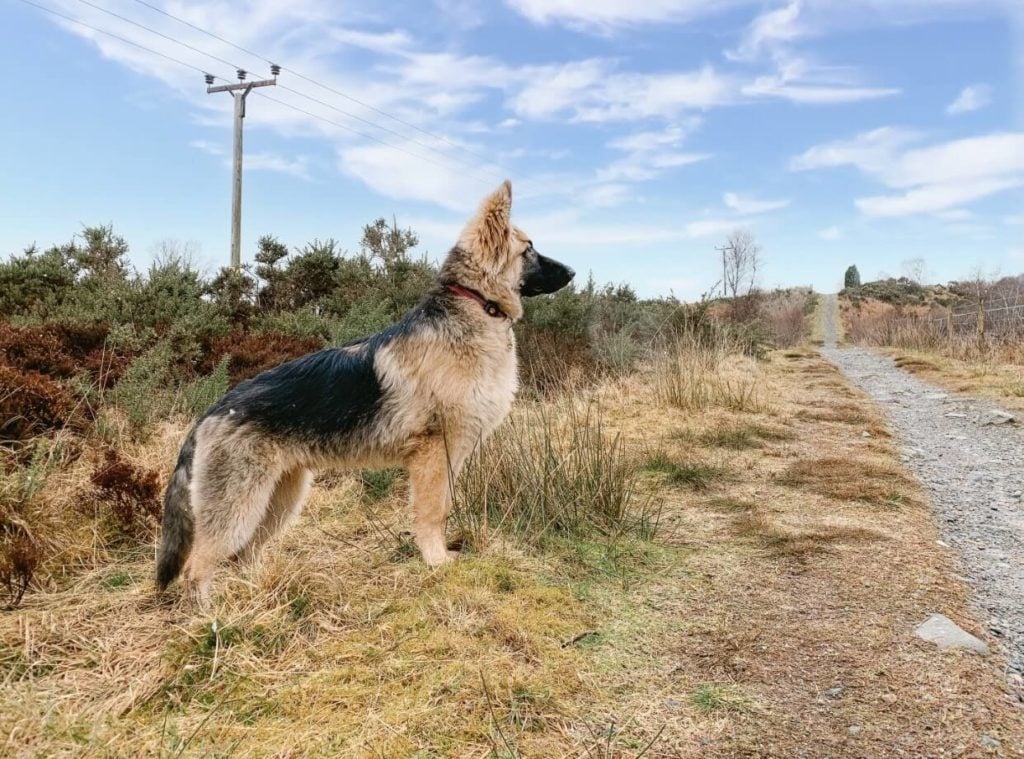
Image Source: www.pitpat.com
The Importance of Daily Physical Activity for German Shepherds
German Shepherds are a large dog breed with a strong build and a natural inclination for activity. Their heritage as working dogs means they thrive on having a job to do and require more than just a quick potty break. Consistent daily physical activity for German Shepherd dogs is not a luxury; it’s a necessity.
Here’s why regular exercise is so vital:
- Physical Health: Adequate exercise helps maintain a healthy weight, reducing the risk of obesity-related problems like joint issues (hip and elbow dysplasia, common in the breed), diabetes, and heart disease. It also strengthens their muscles, bones, and cardiovascular system.
- Mental Stimulation: German Shepherds are highly intelligent. They need mental challenges just as much as physical ones. Exercise, especially when combined with training or puzzle toys, keeps their minds sharp and prevents boredom.
- Behavioral Well-being: A tired dog is a good dog. Insufficient exercise can lead to pent-up energy, which often manifests as destructive chewing, excessive barking, digging, or even aggression. Proper exercise channels this energy productively.
- Breed-Specific Needs: As a breed developed for demanding tasks, German Shepherds have high energy levels and require a significant outlet for them. Their stamina and drive are inherent, and failing to meet these needs can lead to frustration.
Gauging Your German Shepherd’s Energy Levels
Not all German Shepherds are created equal. While the breed generally has high energy levels, individual dogs can vary based on age, genetics, health, and even their daily diet.
Factors Influencing Energy Levels:
- Age: Puppies and young adult GSDs (up to 2-3 years) are typically more energetic and require longer, more frequent exercise sessions. Senior dogs may need shorter, less intense activities.
- Genetics: Some lines are bred more for working roles, meaning they may have even higher energy reserves than those bred for companionship.
- Health: Underlying health conditions can affect a dog’s energy. Always consult your veterinarian if you notice a significant change in your dog’s energy.
- Diet: A balanced, high-quality diet fuels your dog. An inappropriate diet can lead to lethargy or hyperactivity.
Signs of a Well-Exercised German Shepherd:
- Calm and settled indoors.
- Engaged and happy during activities.
- Good appetite.
- Healthy sleep patterns.
- No destructive behaviors when unsupervised.
Signs of an Under-Exercised German Shepherd:
- Restlessness and pacing.
- Excessive barking or whining.
- Chewing furniture, shoes, or other household items.
- Digging in the yard.
- Demanding attention constantly.
- Jumping on people.
- Anxiety or nervousness.
Constructing Your German Shepherd’s Exercise Routine
A well-rounded German Shepherd exercise routine should incorporate various activities to cater to both their physical and mental needs. The goal is to provide at least 60-120 minutes of focused activity each day.
Essential Components of a GSD Exercise Routine:
- Daily Walks: Aim for at least two good walks a day, each lasting 30-60 minutes. These walks should be brisk, allowing your dog to trot or jog. Vary your routes to provide new sights and smells.
- Playtime: Incorporate active play sessions. This could include fetch, tug-of-war (with rules!), or playing with other well-matched dogs.
- Mental Stimulation Games: German Shepherds are intelligent and need to use their brains. Puzzle toys, scent games, and training sessions are excellent for this.
- Structured Training: Obedience training and agility work provide both physical and mental exercise.
How Often Should German Shepherd Exercise?
As mentioned, daily physical activity is key. Instead of one long session, breaking up the exercise into two or three shorter periods throughout the day is often more effective for managing their energy and preventing exhaustion.
- Morning: A brisk walk or a game of fetch to start the day.
- Afternoon: Another walk or a structured training session.
- Evening: A final walk or a play session to wind down.
This consistent schedule helps regulate their energy and prevents prolonged periods of boredom.
Types of Exercise Beneficial for German Shepherds
Exercise for large dog breeds like German Shepherds should be varied to work different muscle groups and keep them engaged.
Physical Activities:
- Brisk Walking/Jogging: This is the cornerstone of their exercise. Aim for a pace that requires them to trot.
- Running: If you’re a runner, your GSD can be an excellent companion. Start with short distances and gradually increase them, always monitoring your dog for signs of fatigue.
- Fetch: A classic for a reason. Use durable toys and a safe, open space.
- Tug-of-War: This can be a great way to burn energy and build your bond, but it’s important to teach your dog to release the toy on command.
- Swimming: Many German Shepherds enjoy swimming, which is a low-impact exercise that’s excellent for their joints. Ensure your dog is comfortable and safe around water.
- Hiking: Longer hikes in nature provide excellent physical and mental stimulation, with plenty of new scents and sights.
- Agility Training: Obstacle courses, tunnels, jumps, and weave poles provide a fantastic outlet for their athleticism and intelligence. This is a highly recommended activity for GSDs.
- Canicross: Running with your dog attached to you via a harness and leash. This is a more intense workout for both of you.
Mental Stimulation:
German Shepherd mental stimulation is as important as physical exertion. Without it, they can become frustrated and develop behavioral issues.
- Puzzle Toys: Toys that dispense treats or require problem-solving can keep their minds occupied.
- Scent Games: Hide treats around the house or yard and encourage your dog to find them. This taps into their natural scenting abilities.
- Nose Work: Formal scent training can be incredibly rewarding and mentally taxing for GSDs.
- Learning New Tricks: Teaching new commands or tricks provides mental exercise and strengthens your bond.
- Interactive Feeders: Using slow feeders or treat-dispensing bowls for their meals can extend mealtime and provide a mental challenge.
Exercise Needs for Working Dogs (and the GSD Analogue)
German Shepherds were originally bred for herding and guarding, roles that demand stamina, intelligence, and a strong drive. Even those who are primarily companion animals retain these inherent needs.
Replicating Working Roles:
- Herding Balls: While they may not have sheep, a large, durable ball can mimic the chase and retrieval instincts of herding.
- Protection Sports (Controlled): Activities like Schutzhund (now IGP) are designed for working breeds and involve obedience, tracking, and protection work. These are highly specialized and require experienced trainers.
- Search and Rescue: If you have the time and resources, training your GSD in scent detection or search and rescue can be incredibly fulfilling for both of you.
These activities engage their natural instincts and provide a profound sense of purpose.
Preventing Boredom in German Shepherds
Boredom is the enemy of a well-behaved German Shepherd. When they have too much energy and nothing to do, they’ll find their own (often destructive) entertainment.
Strategies for Preventing Boredom:
- Variety is Key: Don’t do the same routine every day. Mix up walk routes, play activities, and training sessions.
- Rotate Toys: Keep a selection of toys and rotate them weekly to maintain novelty and interest.
- Chew Toys: Provide appropriate, durable chew toys to satisfy their natural urge to chew.
- Socialization: Regular, positive interactions with other dogs and people can be mentally stimulating and help prevent behavioral issues.
- \”Jobs\” for Your Dog: Even simple tasks like retrieving the newspaper or carrying a light item can give them a sense of purpose.
Benefits of Exercise for German Shepherds
The rewards of providing adequate exercise for your German Shepherd are numerous and far-reaching.
Tangible Benefits:
- Improved Physical Health: Stronger heart, healthy weight, better joint mobility.
- Enhanced Mental Acuity: Sharper mind, improved problem-solving skills.
- Better Behavior: Reduced anxiety, less destructiveness, fewer behavioral issues like excessive barking or chewing.
- Stronger Bond: Shared activities strengthen the human-animal bond.
- Longevity: A well-exercised and healthy dog is likely to live a longer, happier life.
- Weight Management: Crucial for a breed prone to joint issues.
Summarizing Exercise Recommendations
Here’s a quick guide to help you structure your GSD’s day:
| Activity Type | Recommended Daily Duration | Examples |
|---|---|---|
| Structured Walks | 60-120 minutes (total) | Brisk walks, jogging, hiking. Split into 2-3 sessions. |
| Active Play | 30-60 minutes | Fetch, tug-of-war, chase games. |
| Mental Stimulation | 20-40 minutes | Puzzle toys, scent games, training sessions, learning new tricks, interactive feeders. |
| Free Play/Outdoor Time | As available | Supervised yard time for sniffing and exploring. |
Note: These are general guidelines. Adjust based on your dog’s individual needs, age, and health.
Frequently Asked Questions (FAQ)
Q1: Can my German Shepherd get too much exercise?
Yes, it is possible, especially for puppies. Over-exercising can lead to injuries, fatigue, and a reluctance to exercise in the future. Always monitor your dog for signs of exhaustion, such as panting excessively, lagging behind, or refusing to continue. Puppies have growing joints and should not be over-exerted.
Q2: How much exercise does a German Shepherd puppy need?
German Shepherd puppies need exercise, but it needs to be carefully managed. A general rule of thumb is five minutes of structured exercise per month of age, twice a day. So, a 3-month-old puppy should have about 15 minutes of structured exercise twice a day. Avoid strenuous activity, jumping from heights, or long, forced runs until they are at least 12-18 months old. Lots of supervised playtime and gentle training are best.
Q3: My German Shepherd seems tired after only 30 minutes of walking. Is that normal?
It could be normal if your dog is very young, very old, not accustomed to exercise, or has a health issue. If your dog is otherwise healthy and of appropriate age, 30 minutes might be a good starting point, and you can gradually increase the duration and intensity as they build stamina. If you have concerns, consult your veterinarian.
Q4: Can I leave my German Shepherd alone all day without enough exercise?
No, leaving a German Shepherd alone all day without sufficient exercise and mental stimulation is a recipe for disaster. They are social dogs that thrive on interaction and activity. Without it, they are highly prone to developing separation anxiety, destructive behaviors, and other behavioral problems.
Q5: How do I exercise my German Shepherd in bad weather?
There are still ways to provide exercise indoors. Use interactive toys, play fetch in a large room, practice obedience training, use puzzle feeders, or set up an indoor agility course with household items. Mental stimulation becomes even more crucial during inclement weather.
Q6: What are the best toys for exercising a German Shepherd?
Durable chew toys (like KONGs), fetch toys (balls, frisbees), tug toys, and puzzle feeders are all excellent. Ensure toys are appropriately sized and made of sturdy materials to withstand their strong jaws.
By dedicating time and effort to your German Shepherd’s exercise needs, you are investing in their health, happiness, and a harmonious life together. A well-exercised GSD is a joy to behold and a devoted companion.