
So, how much exercise do Corgis really need? Generally, Corgis require about 60 minutes of moderate exercise per day, broken into at least two sessions. This daily activity for Corgis is crucial for their physical and mental well-being.
Corgis are known for their distinctive short legs and long bodies, but don’t let their stature fool you; these dogs are energetic and intelligent companions. Both the Pembroke Welsh Corgi and the Cardigan Welsh Corgi breeds were originally bred for herding livestock. This history means they possess a surprising amount of stamina and a keen mind that needs engagement. Failing to meet their exercise needs can lead to a variety of behavioral problems and health issues, including the common concern of preventing Corgi obesity. Let’s delve into the specifics of Corgi exercise requirements and how to best meet the Corgi physical needs.
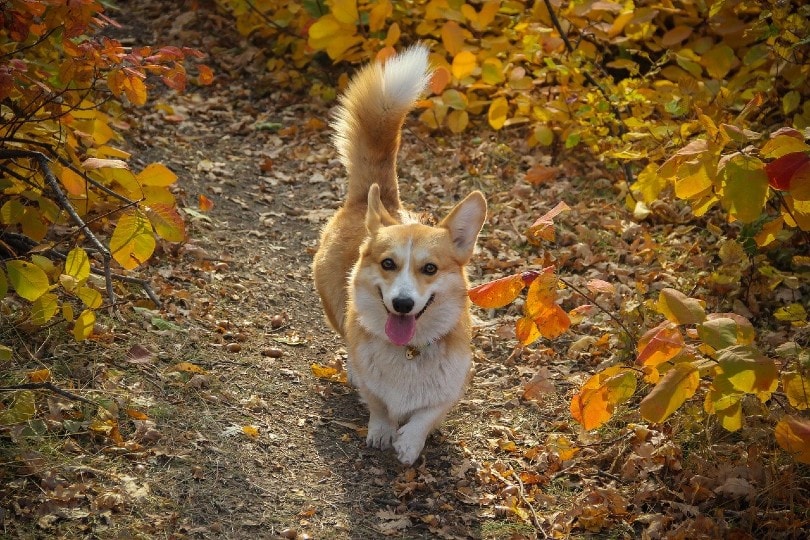
Image Source: www.hepper.com
The Energetic Spirit of Corgis
Corgis are often described as spirited and lively. Their Corgi energy levels are moderate to high, meaning they aren’t couch potatoes who are happy with minimal movement. They thrive on activity and mental stimulation. When their energy is channeled constructively, they are happy, well-behaved dogs. If they are bored or undertrained, that pent-up energy can manifest as destructive chewing, excessive barking, or other undesirable behaviors. Providing adequate exercise is one of the most effective ways to manage and redirect their natural drive.
Deciphering Exercise Needs for Pembroke Welsh Corgis
Pembroke Welsh Corgis are perhaps the more widely recognized of the two Corgi breeds. These dogs are bright, alert, and eager to please, making them trainable and responsive to exercise routines. For a Pembroke Welsh Corgi, the typical exercise regimen includes:
- Daily Walks: Aim for two walks a day, each lasting around 30 minutes. These walks should be brisk enough to get their hearts pumping but also allow time for sniffing and exploring.
- Playtime: Incorporate at least 20-30 minutes of active playtime daily. This could be fetch in the yard, a game of tug-of-war, or indoor games if the weather is poor.
- Mental Stimulation: Puzzles, training sessions, and interactive toys are vital for keeping their sharp minds engaged.
Charting Exercise for Cardigan Welsh Corgis
Cardigan Welsh Corgis, while similar to Pembrokes in many ways, can sometimes be perceived as slightly more laid-back, though this isn’t always the case. Their exercise needs are very much in line with their Pembroke cousins. The exercise for Cardigan Welsh Corgis should also focus on a balanced approach:
- Consistent Walks: Similar to Pembrokes, two 30-minute walks daily are recommended. These walks help them burn energy and explore their surroundings.
- Active Engagement: Cardigans enjoy playing too! They might appreciate games that involve a bit more strategy or problem-solving.
- Variety in Activities: Just like Pembrokes, Cardigans benefit from a mix of physical and mental challenges.
Both breeds are considered moderate exercise dogs. They aren’t marathon runners or extreme athletes, but they certainly need more than just a quick potty break around the block.
Creating a Corgi Walking Schedule
A well-structured Corgi walking schedule is key to maintaining their health and happiness. Here’s a sample schedule that can be adapted to your Corgi’s individual needs and your own lifestyle:
Morning:
- 6:30 AM – 7:00 AM: First walk of the day. Make it a brisk walk around the neighborhood. This helps them start the day with a good energy release and prevents boredom during the early hours.
Midday (if possible):
- 12:00 PM – 12:15 PM: A shorter potty break and brief walk or play session in the yard. This is especially helpful if you are home during lunch.
Afternoon/Evening:
- 5:00 PM – 5:30 PM: Second, longer walk. This walk can be more leisurely, allowing for more sniffing and interaction with the environment.
- 7:00 PM – 7:30 PM: Evening playtime. This could be a game of fetch, indoor training, or puzzle toys to wind down.
Important Considerations for your Corgi Walking Schedule:
- Weather: On very hot or cold days, adjust walk times to cooler parts of the day or opt for indoor activities.
- Age: Puppies have different needs than adult or senior Corgis. More on this later!
- Health: Any health conditions will influence exercise recommendations. Consult your veterinarian.
Best Exercises for Corgis
When considering the best exercises for Corgis, it’s important to think about activities that cater to their herding instincts, intelligence, and physical structure.
1. Walking: The Foundation of Corgi Exercise
Walking is the most accessible and essential form of exercise for Corgis.
- Daily Ailments: Aim for a minimum of 60 minutes of walking spread throughout the day.
- Variety: Explore different routes to keep walks interesting. Sniffing is a form of mental stimulation for dogs, so allow them time to explore their surroundings.
- Pace: A brisk pace that gets them breathing a little heavier is ideal for cardiovascular health.
2. Fetch and Retrieve Games
Corgis often enjoy playing fetch. This is a great way to burn energy quickly and reinforce training commands like “come” and “drop it.”
- Soft Balls or Toys: Use toys that are easy on their mouths and teeth.
- Short Distances: Given their short legs, don’t expect them to retrieve from extremely long distances.
- Positive Reinforcement: Make fetch a fun and rewarding experience.
3. Agility Training
Agility is a fantastic way to engage a Corgi’s mind and body. It plays into their natural desire to work and problem-solve.
- Low Impact Obstacles: Start with low jumps and tunnels. Avoid high-impact activities that could stress their spines or joints.
- Positive Reinforcement: Use treats and praise to encourage them.
- Gradual Progression: Introduce obstacles slowly and build up gradually.
4. Obedience Training and Puzzle Toys
Mental stimulation is just as important as physical exercise. Corgis are intelligent and can become bored easily.
- Daily Training Sessions: Short, consistent training sessions (5-10 minutes) can be very effective. Focus on new tricks or reinforcing basic commands.
- Puzzle Feeders: Toys that dispense kibble or treats as the dog manipulates them can provide a good mental workout.
- Scent Work: Hiding treats around the house or yard and encouraging your Corgi to find them is an excellent way to engage their natural scenting abilities.
5. Swimming (with Caution)
While not all Corgis are natural swimmers, some enjoy it. If your Corgi likes water, swimming can be a low-impact, full-body workout.
- Supervision: Always supervise your Corgi closely when they are in or near water.
- Life Vest: Consider a doggy life vest for added safety.
- Gentle Entry: Ensure a safe and easy way for them to enter and exit the water.
Tailoring Exercise to Age and Health
Corgi physical needs can change throughout their lives.
Puppy Exercise (Up to 12-18 Months)
Corgi puppies have developing bodies, especially their joints. Over-exercising can cause damage.
- Short, Frequent Sessions: Aim for 5 minutes of structured exercise per month of age, twice a day. So, a 4-month-old puppy could handle two 20-minute sessions.
- Free Play: Allow ample time for free play in a safe, enclosed area. This is often less strenuous than forced exercise.
- Avoid Jumping: Discourage excessive jumping, especially from heights, and limit stair climbing.
- Socialization Walks: Leash training and exposure to different sights and sounds are crucial during this phase.
Adult Corgi Exercise (1-7 Years)
Adult Corgis have well-developed bodies and can handle more rigorous exercise.
- Consistent Routine: Stick to the recommended 60 minutes of moderate exercise daily.
- Variety is Key: Mix walks, playtime, and training to keep them engaged.
- Monitor for Fatigue: Watch for signs of overexertion, such as excessive panting or lagging behind.
Senior Corgi Exercise (7+ Years)
As Corgis age, their energy levels may decrease, and they may develop health issues like arthritis.
- Gentle Activities: Focus on shorter, slower walks.
- Low-Impact Options: Swimming or gentle play sessions can be beneficial.
- Consistency Over Intensity: Regular, gentle movement is more important than strenuous bursts of activity.
- Consult Your Vet: Always discuss exercise plans for senior dogs with your veterinarian, especially if they have any chronic conditions.
The Critical Role of Preventing Corgi Obesity
Preventing Corgi obesity is paramount. Their long backs and short legs make them prone to back problems (like Intervertebral Disc Disease – IVDD) and joint issues. Excess weight puts significant strain on their spine and joints. Regular, appropriate exercise, combined with a balanced diet, is the best strategy to keep your Corgi at a healthy weight.
Signs of an Overweight Corgi:
- Inability to feel ribs: You shouldn’t have to press hard to feel their ribs.
- Lack of visible waist: When viewed from above, a healthy dog will have an hourglass shape.
- Difficulty with stairs or jumping: This can be a sign of joint pain exacerbated by weight.
- Lethargy: Overweight dogs often have lower energy levels.
Tips for Weight Management Through Exercise:
- Consistency: Stick to your Corgi walking schedule as much as possible.
- Portion Control: Measure their food accurately.
- Limit Treats: High-calorie treats can quickly contribute to weight gain. Opt for low-calorie options or use kibble from their daily allowance.
- Increase Activity Gradually: If your Corgi is overweight, start with shorter, less intense exercise sessions and gradually increase duration and intensity.
Recognizing Signs of Under- or Over-Exercise
It’s important to be attuned to your Corgi’s signals.
Signs of Under-Exercise:
- Restlessness and Destructive Behavior: Chewing, digging, excessive barking.
- Weight Gain: A clear indicator that energy output isn’t matching intake.
- Boredom: Lethargy, disinterest in toys, or repetitive behaviors.
- Anxiety: Some dogs can develop anxiety when they aren’t stimulated enough.
Signs of Over-Exercise:
- Excessive Panting: Panting that continues long after the activity has stopped.
- Lethargy and Stiffness: Reluctance to move, difficulty getting up.
- Limping or Lameness: Indicating potential injury or strain.
- Sore Paws: Blisters or tenderness on their paw pads.
- Heatstroke: In hot weather, overexertion can be dangerous. Signs include excessive panting, drooling, vomiting, diarrhea, and collapse.
If you notice any of these signs, reduce the intensity and duration of exercise and consult your veterinarian.
Making Exercise Fun and Engaging
The key to consistent exercise is making it enjoyable for both you and your Corgi.
- Variety of Routes: Explore new parks, hiking trails (on leash), or even just different streets in your neighborhood.
- Interactive Toys: Use toys that challenge your Corgi mentally and physically.
- Socialization: If your Corgi enjoys the company of other dogs, arrange playdates or visits to a dog park (ensure your Corgi is well-socialized and vaccinated).
- Training as Play: Integrate training commands into playtime. For example, ask for a “sit” before throwing a toy.
Frequently Asked Questions About Corgi Exercise
Q1: Can Corgis get too much exercise?
Yes, just like humans, dogs can over-exercise. This can lead to injuries, exhaustion, and heatstroke. It’s important to monitor your Corgi for signs of fatigue and adjust activity levels accordingly. Pay close attention to their age, health, and the weather conditions.
Q2: How much exercise does a Corgi puppy need?
Corgi puppies need less exercise than adult dogs. A general guideline is 5 minutes of structured exercise per month of age, twice daily. For example, a 3-month-old Corgi would need two 15-minute exercise sessions per day. Free play in a safe area is also beneficial. Avoid strenuous activities and excessive jumping for puppies.
Q3: Are Corgis good for apartment living?
Yes, Corgis can adapt well to apartment living as long as their exercise needs are met. Regular walks and indoor play are essential to prevent boredom and destructive behaviors in a smaller living space.
Q4: How often should I walk my Corgi?
It’s generally recommended to walk your Corgi at least twice a day, with each walk lasting around 30 minutes for adult dogs. Consistency is more important than the exact timing.
Q5: What if my Corgi doesn’t like to walk?
Some Corgis may be less enthusiastic about walking than others. Try to make walks more engaging by varying the routes, bringing along a favorite toy, or practicing short training sessions during the walk. If your Corgi consistently shows distress or reluctance, consult your veterinarian to rule out any underlying health issues.
Conclusion
Meeting the Corgi exercise requirements is not just about preventing boredom; it’s a fundamental aspect of ensuring a long, healthy, and happy life for your canine companion. By providing consistent, varied, and age-appropriate exercise, you are actively contributing to their physical well-being, helping with preventing Corgi obesity, and fostering a strong bond between you and your beloved Corgi. Remember to always listen to your dog’s body and adjust your routine as needed. A well-exercised Corgi is a joy to behold!