
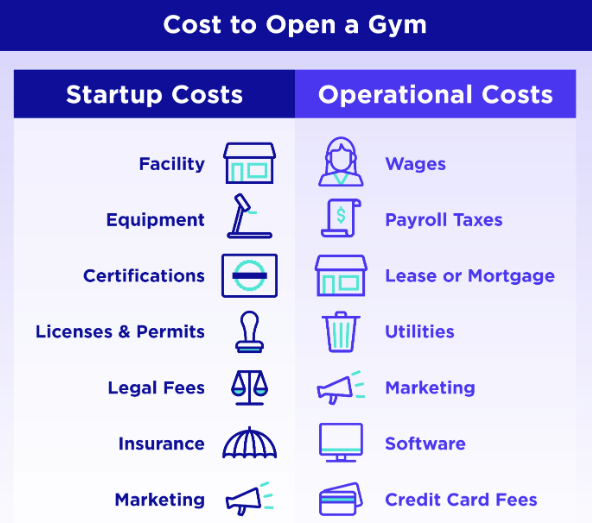
Image Source: wod.guru
How Much Does It Cost To Open A Gym in 2023?
Opening a gym in 2023 typically requires a significant investment, with costs ranging widely from $20,000 for a small, niche studio to over $500,000 for a large, full-service facility. This broad spectrum is influenced by many factors, including your business model, location, size, and the quality of equipment you choose.
The Grand Picture: Total Investment Breakdown
Starting a gym involves many moving parts, and each has a price tag. Think of it like building a house – you need land, a structure, utilities, and then all the furnishings. For a gym, this translates to real estate, construction, equipment, and all the behind-the-scenes costs to get the doors open and keep them swinging.
Laying the Foundation: Initial Gym Startup Costs
These are the costs you incur before you even open for business. They are the essential building blocks for your gym’s existence.
1. Real Estate and Location Costs:
This is often the largest chunk of your initial investment. Gym location costs can vary dramatically.
- Leasehold Improvements/Build-Out: If you’re renting, you’ll likely need to customize the space. This could involve knocking down walls, installing new flooring, adding bathrooms, and ensuring proper ventilation and lighting. Costs can range from $10 to $100+ per square foot, depending on the extent of renovations.
- Rent Deposit and First Month’s Rent: Expect to pay several months’ rent upfront.
- Property Purchase: If you buy, the cost is exponentially higher and includes down payments, closing costs, and property taxes.
- Permits and Licenses: Local governments require permits for everything from building to operating a business. These can add up to a few hundred to several thousand dollars.
Example Costs for Leasehold Improvements (per 1,000 sq ft):
| Improvement Type | Estimated Cost Range (Low) | Estimated Cost Range (High) |
|---|---|---|
| Basic Flooring | $1,000 | $5,000 |
| High-Durability Flooring | $5,000 | $20,000 |
| Painting/Wall Finishes | $500 | $3,000 |
| Bathroom Renovation | $3,000 | $15,000 |
| HVAC System Upgrades | $5,000 | $25,000 |
| Lighting Installation | $1,000 | $5,000 |
Stocking the Shelves: Gym Equipment Prices
The heart of your gym is its equipment. Gym equipment prices are a major consideration, and the range is vast.
- Cardio Machines: Treadmills, ellipticals, stationary bikes, rowers. Expect to pay $1,000-$7,000+ per machine.
- Strength Training Machines: Weight machines for various muscle groups. These can range from $1,500-$5,000+ each.
- Free Weights: Dumbbells, barbells, weight plates, kettlebells. A full set can cost anywhere from $5,000 to $30,000+.
- Functional Training Gear: Resistance bands, medicine balls, TRX systems, battle ropes. These are generally less expensive, often in the $50-$500 range per item.
- Group Fitness Equipment: Yoga mats, stability balls, aerobic steps. Relatively inexpensive, often bought in bulk.
Factors Influencing Equipment Costs:
- New vs. Used: Used equipment can save you 30-60%, but check condition carefully.
- Brand Reputation: High-end brands command higher prices.
- Durability and Features: Commercial-grade equipment is built to last and has more features.
- Quantity: Buying in bulk can sometimes lead to discounts.
Tip: Prioritize essential equipment for your niche and phase in other items as your business grows.
The Blueprint: Gym Business Plan Costs
A solid Gym business plan costs can be minimal if you do it yourself, or significant if you hire consultants. It’s crucial for securing financing and guiding your strategy.
- Market Research: Understanding your target audience, competition, and local demand.
- Financial Projections: Estimating startup costs, operating expenses, and revenue.
- Marketing Strategy: How you’ll attract and retain members.
- Operational Plan: How the gym will run day-to-day.
If you hire professionals, expect to pay anywhere from $1,000 to $10,000+, depending on the complexity and depth of the plan.
Getting the Word Out: Gym Marketing Budget
Before you even open, you need to tell people you exist! A Gym marketing budget is vital for attracting your first members.
- Branding and Logo Design: $200 – $2,000+
- Website Development: $500 – $5,000+
- Signage: $500 – $5,000+
- Online Advertising (Social Media, Google Ads): $300 – $2,000+/month initially
- Print Materials (Flyers, Brochures): $100 – $500
- Grand Opening Event: $500 – $3,000+
The Paperwork Trail: Legal and Administrative Costs
Don’t forget the nitty-gritty.
- Business Registration: Varies by state, typically $100-$500.
- Legal Fees: For contracts, lease agreements, etc. $500 – $3,000+.
- Insurance: General liability, workers’ compensation, property insurance. This is an ongoing cost but initial premiums are part of startup. Expect $1,000 – $5,000+ annually.
- Point of Sale (POS) System/Membership Software: $50 – $300/month (can be a startup cost for hardware).
Initial Inventory and Supplies
You’ll need more than just equipment.
- Cleaning Supplies: $200 – $1,000
- First Aid Kit: $50 – $200
- Towels/Linens (if offered): $500 – $2,000+
- Office Supplies: $100 – $500
Beyond the Launch: Ongoing Gym Operational Expenses
Once your doors are open, the costs don’t stop. These are the recurring expenses that keep your gym running. Gym operational expenses are critical to manage for long-term success.
Staffing Your Facility
- Salaries/Wages: For trainers, front desk staff, cleaning crew, managers. This is a significant ongoing cost.
- Benefits: Health insurance, paid time off (if offered).
Utilities and Maintenance
- Electricity: Gyms use a lot of power for lighting, equipment, and HVAC.
- Water and Sewage: For bathrooms and any saunas or pools.
- Internet and Phone: Essential for operations and member communication.
- HVAC Maintenance: Regular servicing to keep systems running efficiently.
- Equipment Maintenance and Repair: Even the best equipment needs upkeep. Budget for this!
Marketing and Member Acquisition
- Ongoing Advertising: To attract new members and retain existing ones.
- Promotions and Discounts: To incentivize sign-ups.
Software and Technology
- Membership Management Software: Monthly fees for managing memberships, scheduling, and billing.
- Website Hosting and Maintenance:
- Credit Card Processing Fees:
Rent/Mortgage Payments
- The ongoing cost of your physical space.
Insurance Premiums
- Regular payments to maintain your business insurance.
Supplies and Consumables
- Continued purchase of cleaning supplies, toiletries, etc.
Choosing Your Path: Gym Franchise Costs vs. Independent Gyms
The decision to open an independent gym or join a franchise significantly impacts your initial investment and ongoing operations.
Gym Franchise Costs:
Franchises offer a proven model, brand recognition, and support, but come with franchise fees.
- Initial Franchise Fee: This is a one-time payment to the franchisor for the right to use their brand and system. It can range from $25,000 to $100,000+.
- Royalty Fees: A percentage of your gross revenue paid to the franchisor, typically 5-10%.
- Marketing Fees: Contributions to a national or regional marketing fund.
- Training and Support Fees: For initial and ongoing training.
Total Franchise Investment: For a gym franchise, the total startup costs can range from $100,000 to $1,000,000+, depending on the brand and the size of the gym.
Example Franchise Cost Breakdown (Illustrative):
| Cost Component | Estimated Range |
|---|---|
| Initial Franchise Fee | $25,000 – $100,000 |
| Real Estate & Build-out | $50,000 – $500,000+ |
| Equipment Purchase | $30,000 – $200,000+ |
| Initial Marketing | $5,000 – $20,000 |
| Working Capital | $20,000 – $100,000 |
| Total Estimated | $130,000 – $920,000+ |
Independent Gyms:
Opening an independent gym gives you more control and flexibility but requires you to build everything from scratch.
- No Franchise Fees: Saves a significant upfront cost.
- Full Creative Control: You decide on branding, programming, and operations.
- Higher Risk/Reward: Success depends entirely on your execution.
Total Independent Gym Investment: Can range from $50,000 for a very small, specialized studio to $500,000+ for a larger, well-equipped facility.
Funding Your Fitness Dream: Gym Financing Options
Securing the necessary capital is a critical step. You’ll need to explore various Gym financing options.
- Personal Savings: Using your own money reduces debt but also increases personal risk.
- Loans from Friends and Family: Often have flexible terms but can strain relationships.
- Small Business Administration (SBA) Loans: Government-backed loans with potentially favorable terms, but a rigorous application process.
- Traditional Bank Loans: Require a strong business plan and good credit history.
- Equipment Financing: Loans specifically for purchasing gym equipment, often with the equipment as collateral.
- Crowdfunding: Raising small amounts of money from a large number of people, often through online platforms.
- Angel Investors/Venture Capital: For ambitious projects with high growth potential, though these investors will want equity.
Pricing Your Services: Gym Membership Fees
Your Gym membership fees are your primary revenue stream. Pricing needs to be competitive and reflect the value you offer.
- Tiered Memberships: Basic access, premium access (classes, personal training), family plans.
- Drop-In Rates: For non-members or those who prefer flexibility.
- Class Packages: For specific group fitness activities.
- Personal Training Packages:
- Annual vs. Monthly Billing: Offering discounts for annual commitments can improve cash flow.
Factors influencing membership fees:
- Location: High-cost areas often support higher membership fees.
- Amenities: Pools, saunas, childcare, juice bars can justify higher prices.
- Equipment Quality and Variety:
- Competition: What are other gyms in your area charging?
- Target Market: Are you aiming for budget-conscious individuals or a more affluent clientele?
Example Membership Fee Structures (Monthly):
| Membership Type | Basic Gym Access | All-Access (Incl. Classes) | Premium (Plus Perks) |
|---|---|---|---|
| Independent Gym | $40 – $75 | $75 – $120 | $100 – $150+ |
| Franchise Gym | $50 – $100 | $90 – $150 | $120 – $200+ |
The Realistic Price Tag: A Summary of Costs
Let’s put some numbers to it. These are rough estimates and can fluctuate significantly.
Small Niche Studio (e.g., Yoga, Pilates, CrossFit box):
- Leasehold Improvements: $10,000 – $50,000
- Equipment: $10,000 – $40,000
- Initial Marketing: $2,000 – $5,000
- Legal/Permits: $1,000 – $3,000
- Working Capital: $5,000 – $15,000
- Total Estimated: $28,000 – $113,000
Mid-Size General Fitness Gym:
- Leasehold Improvements: $30,000 – $150,000
- Equipment: $50,000 – $200,000
- Initial Marketing: $5,000 – $15,000
- Legal/Permits: $2,000 – $5,000
- Working Capital: $20,000 – $50,000
- Total Estimated: $107,000 – $420,000
Large, Full-Service Gym (or Franchise):
- Leasehold Improvements/Construction: $100,000 – $500,000+
- Equipment: $100,000 – $300,000+
- Initial Marketing: $10,000 – $30,000
- Legal/Permits: $3,000 – $10,000
- Working Capital: $50,000 – $150,000+
- Total Estimated: $263,000 – $990,000+
These figures are gym startup costs and do not include the ongoing gym operational expenses.
Frequently Asked Questions (FAQ)
-
Q: Can I open a gym with less than $50,000?
A: Yes, it’s possible to open a very small, specialized studio (like a personal training studio or a niche fitness class studio) with less than $50,000 if you utilize used equipment, have minimal build-out needs, and operate from a smaller space. However, a full-service gym is unlikely to be feasible at that price point. -
Q: What is the most significant cost when opening a gym?
A: The most significant cost is typically real estate (rent, purchase, and leasehold improvements) followed closely by gym equipment prices. -
Q: How much working capital do I need?
A: It’s recommended to have enough working capital to cover at least 6-12 months of operating expenses. This ensures you can pay staff, rent, utilities, and other bills while your membership base grows. -
Q: What are the key components of a gym business plan?
A: A comprehensive gym business plan should include an executive summary, company description, market analysis, organization and management structure, service or product line, marketing and sales strategy, and detailed financial projections (including startup costs, operating expenses, and revenue forecasts). -
Q: How long does it take to break even?
A: The break-even period for a gym can vary greatly, typically ranging from 1 to 3 years. This depends on membership sales, pricing, and efficient management of operational expenses.
Opening a gym is a challenging but rewarding endeavor. Thorough research, meticulous planning, and a clear financial strategy are essential for turning your fitness dream into a profitable reality in 2023.