
Opening a CrossFit gym involves many costs. How much does it cost to open a CrossFit gym? The total can range from $50,000 to over $300,000, depending on your location, gym size, and how much equipment you buy. This guide breaks down all the major expenses you will face. It covers everything from getting your CrossFit name to setting up your gym space and hiring staff. We will help you see the full financial picture.
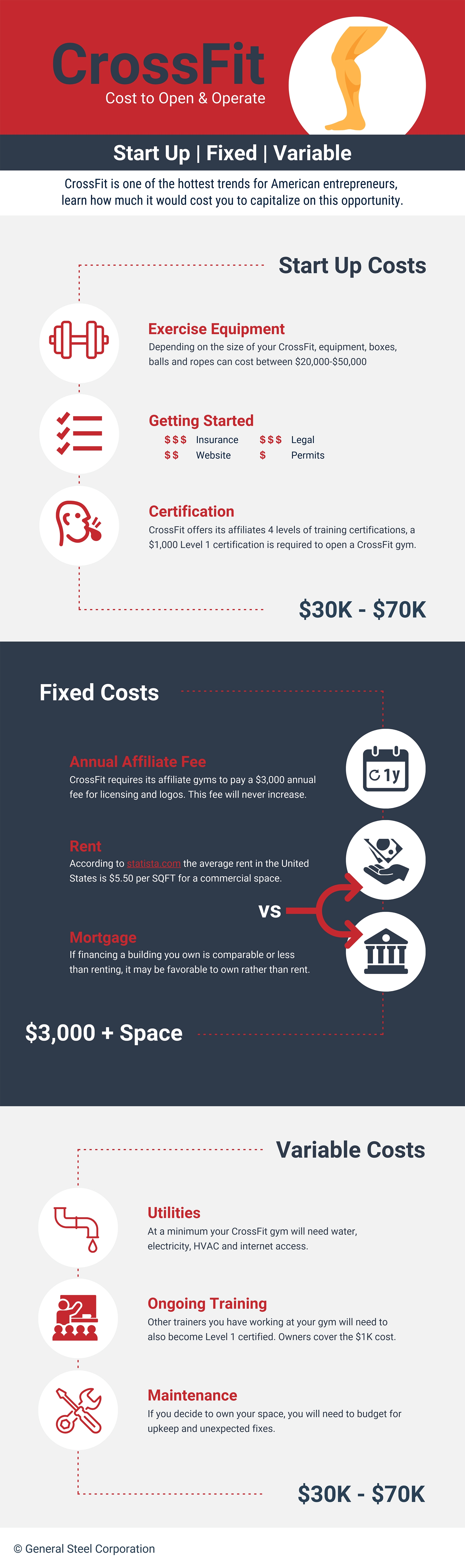
Image Source: gensteel.com
Deciphering the Core Costs
Starting a CrossFit gym is a big project. You need to plan for many different expenses. These costs fall into a few main groups. They include one-time setup costs and ongoing monthly bills. Knowing these costs helps you make a good plan. It also helps you find the money you need.
Let’s look at the main areas where you will spend money.
CrossFit Affiliation Fees
To call your gym a “CrossFit” gym, you must pay CrossFit affiliation fees. This is a yearly payment to CrossFit, LLC. It gives you the right to use their name and methods.
This fee is set by CrossFit, LLC. It does not change based on your gym’s size or how many members you have.
* Initial Fee: There is no longer a separate initial affiliation fee.
* Annual Renewal Fee: This is the big one. It is typically $3,000 per year. You must pay this fee every year to keep your affiliation active.
Paying this fee lets you join the CrossFit family. It also lets you use their brand and reputation. This can help attract members. They know what to expect from a CrossFit gym. It means your coaches must be CrossFit certified. This adds to your total cost. We will cover coach salaries later.
Commercial Space Rental
Finding the right place for your gym is very important. The cost of commercial space rental varies greatly. It depends on your city, the size of the space, and its condition. This will likely be one of your biggest monthly costs.
Think about these points for your space:
* Location: High-traffic areas cost more. But they can bring more people in. Less busy areas cost less. But you might need to spend more on marketing.
* Size: CrossFit gyms need open space. You need room for weights, rigs, and people moving around. A typical gym needs at least 3,000 to 5,000 square feet. Some are even bigger.
* Condition: A raw, empty space might be cheaper to rent. But it will cost more to build out. A ready-to-use space might have a higher rent. But it could save you money on construction.
* Lease Terms: Most commercial leases are for 3 to 10 years. You might need to pay a security deposit. This is usually 1-3 months of rent. Some landlords also ask for the first and last month’s rent upfront.
Here’s an example of rental costs:
| Area Type | Cost per Square Foot (Monthly) | 3,000 sq ft Gym (Monthly) | 5,000 sq ft Gym (Monthly) |
|---|---|---|---|
| Low-Cost City | $1.00 – $1.50 | $3,000 – $4,500 | $5,000 – $7,500 |
| Mid-Cost City | $1.50 – $3.00 | $4,500 – $9,000 | $7,500 – $15,000 |
| High-Cost City | $3.00 – $6.00+ | $9,000 – $18,000+ | $15,000 – $30,000+ |
Expect to pay a large sum upfront for rent and deposits. This could be $10,000 to $60,000 or more just to sign the lease.
Gym Equipment Cost
The gym equipment cost is a major part of your startup budget. CrossFit needs specific types of gear. You will buy barbells, weights, pull-up rigs, and more. The cost depends on the number of members you plan to have. It also depends on the quality of the equipment.
Here is a list of common CrossFit equipment and their rough costs:
| Item Type | Quantity (for 20-30 athletes) | Estimated Unit Cost | Total Estimated Cost |
|---|---|---|---|
| Weightlifting Gear | |||
| Olympic Barbells | 15-20 | $150 – $400 | $2,250 – $8,000 |
| Bumper Plates (sets) | 15-20 sets (mixed weights) | $500 – $1,500 | $7,500 – $30,000 |
| Dumbbells (various) | 10-15 pairs | $50 – $200 (pair) | $500 – $3,000 |
| Kettlebells (various) | 10-15 | $30 – $150 | $300 – $2,250 |
| Medicine Balls | 10-15 | $40 – $100 | $400 – $1,500 |
| GHD (Glute-Ham Developer) | 1-2 | $500 – $1,000 | $500 – $2,000 |
| Gymnastics/Bodyweight | |||
| Pull-up Rig/Rack System | 1 (multi-station) | $5,000 – $20,000+ | $5,000 – $20,000+ |
| Gymnastics Rings | 10-15 pairs | $40 – $80 (pair) | $400 – $1,200 |
| Plyo Boxes | 5-10 | $80 – $200 | $400 – $2,000 |
| Jump Ropes | 20-30 | $10 – $30 | $200 – $900 |
| Cardio Equipment | |||
| Rowing Machines (Concept2) | 5-10 | $900 – $1,200 | $4,500 – $12,000 |
| Air Bikes (Assault/Echo) | 5-10 | $700 – $1,000 | $3,500 – $10,000 |
| SkiErgs (Concept2) | 2-5 | $700 – $1,000 | $1,400 – $5,000 |
| Other Essentials | |||
| Flooring (rubber) | 3,000 sq ft | $2 – $5 (sq ft) | $6,000 – $15,000 |
| Whiteboard/Timers | 1-2 | $100 – $500 | $100 – $1,000 |
Total gym equipment cost can range from $30,000 to $100,000 or more. Buying used equipment can save money. But check its condition carefully. New equipment often comes with warranties.
Fitness Facility Build-Out
Unless you find a perfect, ready-to-use space, you will need to spend money on fitness facility build-out. This means making changes to the space. It can include simple paint jobs or major construction.
What build-out might you need?
* Flooring: Rubber flooring is a must for dropping weights. This is a big expense. It can cost $2 to $5 per square foot for materials and install.
* Walls and Ceilings: You might need to paint, patch, or even remove walls. High ceilings are good for rope climbs and wall balls.
* Restrooms and Showers: Members expect clean facilities. You might need to add or update these. Plumbing work can be costly.
* Reception Area: A small desk, seating, and storage for retail items.
* HVAC (Heating, Ventilation, Air Conditioning): Good air flow is key for a gym. You might need to upgrade or install a new system. This can be very expensive.
* Electrical: More outlets for cardio machines, lights, and sound systems.
* Lighting: Bright, clear lighting makes the space feel welcoming and safe.
* Permits and Inspections: Local rules require permits for changes. Inspections ensure safety. These costs add up.
Simple cosmetic changes might cost $5,000 to $20,000. A full renovation of a raw space can go from $50,000 to $150,000 or even more. It depends on the size and what needs doing. Always get multiple quotes from contractors.
CrossFit Coach Salaries
Your coaches are the heart of your gym. Good coaches attract and keep members. CrossFit coach salaries make up a large part of your ongoing costs. Coaches need to be certified. A CrossFit Level 1 (CF-L1) certificate costs about $1,000. Many coaches also get higher-level certs.
How much do coaches earn?
* Hourly Rate: Many coaches are paid hourly for classes. Rates can be $25 to $50 per class. A coach teaching 10-15 classes a week earns a good amount.
* Salary: Some gyms hire full-time coaches. A full-time coach might earn $35,000 to $60,000 per year. This often includes benefits.
* Bonuses/Commissions: You might offer bonuses based on gym growth or private coaching sessions.
* Number of Coaches: You will need enough coaches for all your classes. You might start with 2-3 coaches, including yourself. As you grow, you will need more.
Estimate your monthly coach payroll. If you run 30 classes a week and pay coaches $40 per class, that’s $1,200 per week. This is $4,800 per month just for class pay. Add to this any full-time salaries. You should budget at least $5,000 to $15,000+ per month for coaching staff.
Gym Insurance Expenses
Protecting your business is crucial. Gym insurance expenses cover many risks. Accidents can happen in a gym. You need insurance to protect against claims.
Key types of insurance you will need:
* General Liability Insurance: This covers injuries to members or visitors. It also covers property damage. This is a must-have.
* Professional Liability Insurance: This covers claims related to your coaching advice or services.
* Property Insurance: Protects your gym building and equipment from damage. This includes fire, theft, or natural disasters.
* Worker’s Compensation: If you have employees, this is usually required by law. It covers injuries to your staff.
* Abuse and Molestation Coverage: Important for any business with children or vulnerable adults.
* Cyber Liability: If you store member data, this protects against data breaches.
The cost of insurance varies. It depends on your location, coverage limits, and claims history. Expect to pay $100 to $500 per month for basic gym insurance. Comprehensive coverage could be $1,000 or more per month. Always get quotes from several insurance providers.
Operating Costs CrossFit
Beyond initial setup, you have ongoing operating costs CrossFit. These are your monthly bills to keep the gym running. They add up fast.
Here’s a list of common ongoing expenses:
* Rent: Your monthly commercial space rental (as discussed).
* Utilities: Electricity, water, gas, trash removal. These can be high for a large space. Think $500 – $2,000+ per month.
* Software and Technology:
* Member management software (e.g., PushPress, Zen Planner, Wodify): $50 – $300 per month.
* Website hosting and maintenance: $20 – $100 per month.
* Music licensing (e.g., ASCAP, BMI): $50 – $100 per month.
* WiFi/Internet: $50 – $150 per month.
* Cleaning Services: Keep your gym clean and hygienic. This can be done by staff or a service. $300 – $1,000+ per month.
* Marketing and Advertising:
* Online ads (Google, Meta): Varies, $200 – $1,000+ per month.
* Local promotions, flyers, community events: Varies.
* Supplies: Toilet paper, cleaning supplies, first-aid items, small equipment repairs. $100 – $300 per month.
* Payroll Taxes and Benefits: Beyond salaries, you pay taxes on employee wages. You might offer health benefits.
* CrossFit Affiliation Renewal: $3,000 per year (or $250 per month).
* Professional Fees: Accountant, lawyer (as needed).
Total operating costs CrossFit can easily be $8,000 to $30,000+ per month. This excludes your own salary. You need enough members to cover these costs.
Business Plan Gym Opening
Creating a solid business plan gym opening is more than just an expense. It’s an investment of time and thought. It helps you get money. It also guides your business. A good plan makes you think about every part of your gym.
What does a business plan include?
* Executive Summary: A short overview of your gym and goals.
* Company Description: What makes your gym special? Your mission and vision.
* Market Analysis: Who are your target members? Who are your competitors? What are local trends?
* Services: What classes will you offer? CrossFit, open gym, personal training?
* Marketing and Sales Strategy: How will you find members? How will you keep them?
* Management Team: Who is running the gym? Their experience.
* Financial Projections: This is key. It shows how much money you need. It also shows how much money you expect to make. It covers startup costs, operating costs, and revenue forecasts.
* Funding Request: If you need a loan, this explains how much you need and how you will use it.
You can write this plan yourself. Or you can pay a consultant. A consultant might charge $1,000 to $5,000+. But the insights from a well-made plan are priceless. It helps you avoid costly mistakes.
Startup Capital Fitness Studio
The total amount of money you need to start is your startup capital fitness studio. This includes all your initial, one-time costs. It also includes having cash on hand for the first few months of operations. You need cash even before members start paying.
Let’s sum up the typical startup costs:
* CrossFit Affiliation: $3,000 (annual fee, paid upfront for first year)
* Commercial Space (Initial):
* Security Deposit: $3,000 – $18,000 (1-3 months rent)
* First Month’s Rent: $3,000 – $18,000
* Broker Fees: $0 – $10,000 (if using a real estate agent)
* Gym Equipment: $30,000 – $100,000
* Fitness Facility Build-Out: $5,000 – $150,000+ (highly variable)
* Legal Fees (Business registration, contracts): $500 – $2,000
* Business Licenses and Permits: $100 – $1,000 (local, state)
* Initial Marketing/Signage: $1,000 – $5,000
* Initial Inventory (Retail, drinks): $500 – $2,000
* Website Setup: $500 – $2,000
Beyond these, you need working capital. This means cash to cover your monthly operating costs CrossFit for at least 3-6 months. Why? Because it takes time to get enough members to cover your bills.
* 3-6 Months Operating Capital: $24,000 – $180,000 (e.g., $8,000 – $30,000 per month x 3-6 months)
Adding all this up, the total startup capital fitness studio needed can range from $50,000 to $300,000+. This wide range shows how much your choices impact the final cost.
Getting a Fix on Potential Earnings and Return on Investment
It is good to know the costs. But you also need to know how you will make money. You need to think about your return on investment gym. This means how long it takes to earn back the money you spent to open the gym.
Revenue Streams
How do CrossFit gyms make money?
* Memberships: This is the main source. Members pay a monthly fee. Fees range from $150 to $250+ per month for unlimited classes. Some gyms offer tiered plans.
* Personal Training: One-on-one coaching for members. Can be very profitable.
* Drop-ins: Visitors pay a fee for one class.
* Retail Sales: Selling apparel, supplements, drinks, gear.
* Specialty Programs: Nutrition coaching, weightlifting clinics, yoga.
* Events/Competitions: Hosting local events.
Factors Affecting Profitability
Many things affect how much money your gym makes.
* Membership Numbers: The more members you have, the more money you make.
* Membership Pricing: Find a price that works for your market and covers your costs.
* Member Retention: Keep members happy so they stay. It costs less to keep a member than to find a new one.
* Operating Efficiency: Control your monthly costs.
* Coach Quality: Good coaches keep members coming back.
* Community: A strong gym community leads to loyal members.
Return on Investment Gym
The return on investment gym is about getting your money back. A gym can take 2-5 years to break even and become profitable. This depends on:
* Initial Investment: Higher startup costs mean it takes longer to get your money back.
* Membership Growth: How fast you grow your member base.
* Operating Costs: How well you manage your ongoing expenses.
* Pricing Strategy: How much you charge and how many members you enroll.
Example Calculation (Simplified):
Let’s say your startup cost is $100,000.
Your average monthly membership fee is $180.
Your monthly operating costs CrossFit are $10,000.
You need to sign up members to cover your operating costs first.
$10,000 (operating costs) / $180 (per member) = ~56 members to break even on monthly costs.
Once you have 56 members, every new member adds directly to your profit (after minor variable costs).
To get your $100,000 startup cost back, you need to generate $100,000 in profit after covering monthly operating costs.
If you make a profit of $5,000 per month (after all bills are paid), it would take:
$100,000 / $5,000 per month = 20 months.
This is a very simple example. Real-world scenarios are more complex. But it shows the idea of getting your money back. A detailed business plan gym opening will include full financial projections.
Final Thoughts on Funding and Success
Securing enough startup capital fitness studio is critical. You can fund your gym through:
* Personal Savings: Using your own money.
* SBA Loans: Small Business Administration loans offer good terms.
* Commercial Loans: Banks offer business loans.
* Investor Capital: Finding partners or investors.
* Friends and Family: Loans or investments from people you know.
Have enough money to cover costs for at least 3-6 months without full member income. This buffer helps you ride out slow periods. It also lets you build your member base.
Success in a CrossFit gym is not just about money. It is about building a strong community. Good coaching, a welcoming space, and a focus on member results help your gym thrive. A solid business plan gym opening sets the path. Careful management of operating costs CrossFit keeps you on track. And a clear view of your return on investment gym shows your long-term health.
Frequently Asked Questions (FAQ)
How much cash do I need to start a CrossFit gym?
You should have at least $50,000 to $100,000 for basic startup costs, plus 3-6 months of operating expenses. This can quickly add up to $150,000 – $300,000+ if you need significant build-out or want top-tier equipment.
Can I open a CrossFit gym without being CrossFit certified?
No. To affiliate your gym with CrossFit, LLC and use the “CrossFit” name, the owner or head coach must hold a current CrossFit Level 1 (CF-L1) Trainer Certificate.
How long does it take for a CrossFit gym to become profitable?
It usually takes 2 to 5 years for a CrossFit gym to cover its initial startup costs and become consistently profitable. This depends on your initial investment, membership growth, and expense management.
Is a CrossFit gym a good investment?
Yes, a CrossFit gym can be a good investment if run well. It needs strong business planning, good coaching, effective marketing, and a focus on community. Profit margins can be healthy once you reach a good number of members and control costs.
How many members do I need to break even?
The number of members needed to break even varies greatly. It depends on your monthly operating costs and your membership pricing. If your monthly costs are $10,000 and your average membership is $180, you need about 56 members just to cover your monthly bills. To cover your startup costs, you’ll need many more members over time.
What are the biggest ongoing expenses for a CrossFit gym?
The biggest ongoing expenses are typically commercial space rental, CrossFit coach salaries, and utilities. CrossFit affiliation fees ($3,000/year) and gym insurance expenses are also significant annual or monthly costs.